Phlebotomy: An Evidence-Based Guide for Patients

Phlebotomy means drawing blood, most often for tests and sometimes as a treatment. Therapeutic phlebotomy can help conditions that involve too much iron or too many red blood cells.
Key Takeaways
- Phlebotomy means drawing blood, most often for tests and sometimes as a treatment.
- Therapeutic phlebotomy can help conditions that involve too much iron or too many red blood cells.
- The procedure is usually brief and causes only mild, temporary discomfort.
- Hydration, rest, and pressure on the puncture site can reduce common minor side effects.
- A doctor decides how often therapeutic phlebotomy is needed based on blood test results and symptoms.
Phlebotomy is the removal of blood from a vein, either to collect a sample for laboratory testing or to treat certain medical conditions. Most phlebotomy procedures are quick and safe, and knowing the purpose, steps, and aftercare can help patients feel prepared.
Overview: what phlebotomy means
Phlebotomy is the process of removing blood from a vein using a sterile needle. In everyday healthcare, it most often refers to a routine blood draw for laboratory testing. In some cases, phlebotomy is also used as treatment to lower the amount of red blood cells or iron in the body.
For most patients, phlebotomy is straightforward and takes only a few minutes. A trained healthcare professional places a needle into a vein, usually in the arm, collects the required amount of blood, and then removes the needle and applies pressure and a bandage.
When used as therapy, phlebotomy may be recommended for conditions such as iron overload or disorders that thicken the blood by increasing red blood cell levels. In this setting, removing blood can improve circulation, reduce strain on organs, and help prevent complications. If a patient is being evaluated for a related condition, this may be part of care for polycythemia vera or iron overload disorders.
Why phlebotomy is done
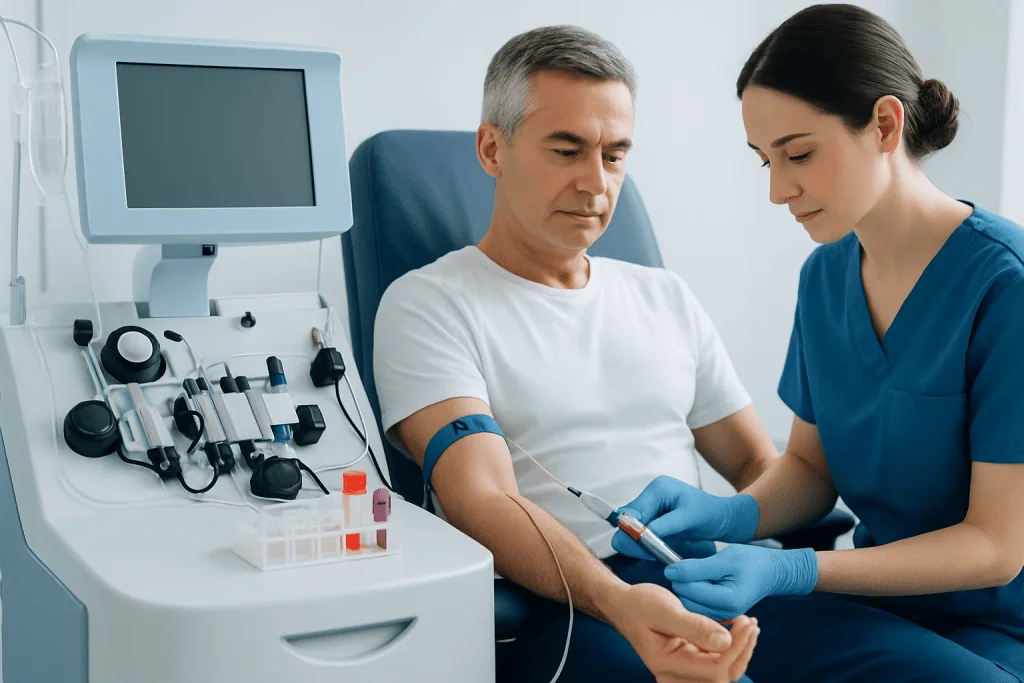
There are two main reasons for phlebotomy: diagnosis and treatment. Diagnostic phlebotomy provides blood samples for tests that help assess overall health, check organ function, measure blood counts, detect infection, monitor medications, or investigate symptoms such as fatigue, dizziness, or unusual bruising.
Therapeutic phlebotomy is different. Instead of collecting a small amount for testing, a larger volume of blood is removed to help control a medical condition. This is commonly used in people with too much iron in the body, such as hereditary hemochromatosis, or too many red blood cells, such as polycythemia vera. In selected cases, it may also be used in other disorders based on a specialist’s judgment.
The treatment plan depends on the reason for the procedure. Some people need only a single blood draw for testing, while others may have regular sessions over weeks or months. Follow-up blood tests guide whether further treatment is needed and help ensure the procedure remains safe and effective.
What happens before, during, and after the procedure

Before phlebotomy, the healthcare team confirms the patient’s identity, checks the requested tests or treatment plan, and reviews any factors that may affect the procedure. Patients are often advised to drink water beforehand unless they have been told to fast for a specific blood test. Wearing a top with sleeves that can be rolled up can make access easier.
During the procedure, a tourniquet is placed around the upper arm so the vein becomes easier to see and feel. The skin is cleaned, and a needle is inserted into the vein. For diagnostic phlebotomy, blood is collected into tubes. For therapeutic phlebotomy, blood is collected into a larger container, often in an amount similar to a blood donation, depending on the patient’s condition and treatment plan.
After the needle is removed, pressure is applied to reduce bleeding and bruising, and a small bandage is placed over the site. Patients are usually asked to sit for a short time, drink fluids, and avoid strenuous activity for the rest of the day if they feel lightheaded. Most can return to normal daily activities soon afterward.
When treatment is part of broader care, doctors may also arrange related evaluation or blood management support. Depending on the diagnosis, care may involve hematology care or, if iron overload is affecting organs, input from gastroenterology specialists.
Common sensations, side effects, and safety
Most people feel only a quick pinch or brief stinging when the needle goes in. Mild soreness, a small bruise, or temporary tenderness around the puncture site can happen and usually resolves within a few days. Some patients feel faint, warm, or slightly dizzy, especially if they are anxious, dehydrated, or have not eaten when eating was allowed.
Phlebotomy is generally very safe when performed by trained professionals using sterile equipment. Infection at the needle site is uncommon. More noticeable bleeding is also uncommon but can occur in people taking blood thinners or those with bleeding disorders, which is why it is important to tell the team about medications and medical history.
Therapeutic phlebotomy removes more blood than a standard blood test, so temporary fatigue or lightheadedness may be more likely afterward. These effects usually improve with rest and fluids. The care team monitors how much blood is removed and may check blood pressure, heart rate, and blood counts to make sure the procedure remains appropriate.
- Common minor effects: brief pain, bruising, mild dizziness, fatigue
- Less common concerns: prolonged bleeding, fainting, significant weakness
- Rare concerns: infection, repeated difficulty accessing veins
Who may need therapeutic phlebotomy
Therapeutic phlebotomy is used when reducing blood volume, red blood cell mass, or body iron stores can improve health. One well-known use is hereditary hemochromatosis, in which excess iron builds up over time and may affect the liver, heart, pancreas, joints, or skin. By removing blood, the body uses stored iron to make new red blood cells, gradually lowering excess iron levels.
Another important use is polycythemia vera and some other causes of increased red blood cells. When blood becomes too concentrated, it may not flow as easily, and the risk of symptoms or complications can rise. Removing blood can help lower the hematocrit and improve circulation. People being worked up for this kind of problem may also need a medical check-up to look for contributing factors and monitor overall health.
Doctors individualize treatment frequency. At the beginning, phlebotomy may be scheduled more often to bring levels down. Later, maintenance sessions may be spaced farther apart. Decisions are based on blood test results, symptoms, age, general health, and whether the patient has any conditions that affect hydration, blood pressure, or anemia risk.
How doctors monitor results
Monitoring is an important part of phlebotomy, especially when it is used as treatment. For routine blood draws, the laboratory results themselves guide the next steps. For therapeutic phlebotomy, doctors follow measures such as hemoglobin, hematocrit, ferritin, iron studies, and sometimes liver function or other organ-related tests depending on the diagnosis.
The aim is not simply to remove blood, but to reach a safe target and maintain it over time. Removing too little may not control the condition well, while removing too much or too often can lead to iron deficiency, fatigue, or anemia. That is why treatment plans should be supervised by a qualified doctor rather than adjusted without medical advice.
Patients may also be asked about symptoms between visits, such as headaches, itching, weakness, shortness of breath, palpitations, or abdominal discomfort. This combination of laboratory monitoring and symptom review helps guide whether the schedule should stay the same, become less frequent, or pause temporarily.
Self-care after phlebotomy and practical tips
Simple aftercare can help patients recover comfortably. Drinking water before and after the procedure is often helpful unless a doctor has advised fluid restriction. Keeping pressure on the puncture site for the recommended time can reduce bruising. If a bruise does appear, it usually fades on its own.
After therapeutic phlebotomy, some people feel better if they rest briefly, avoid heavy exercise for the remainder of the day, and eat a balanced meal. Standing up slowly may help if there is mild lightheadedness. If a patient has a history of fainting during blood draws, telling the care team in advance allows them to position the patient safely and monitor them more closely.
Patients should also ask when to remove the bandage, when normal activities can be resumed, and whether any follow-up tests are scheduled. If phlebotomy is part of long-term care, specialists can coordinate blood tests and related treatment. Acibadem International’s multidisciplinary specialists and JCI-accredited hospitals diagnose and treat conditions that may require phlebotomy for international patients.
When to seek medical care
Most people do not have problems after phlebotomy, but medical advice is important if symptoms seem stronger than expected. A patient should contact a healthcare professional if bleeding from the puncture site does not stop with pressure, the arm becomes increasingly swollen or painful, or redness and warmth suggest infection.
Prompt medical care is also appropriate for fainting, chest pain, shortness of breath, severe weakness, or ongoing dizziness that does not improve with rest and fluids. People receiving therapeutic phlebotomy should report new or worsening fatigue, palpitations, or symptoms that may suggest anemia or low blood pressure.
Anyone with repeated difficulty tolerating phlebotomy, a complex medical history, or concerns about why it is being recommended should discuss this with their doctor. A clear explanation of the goal, expected benefits, and planned monitoring can help patients take part in care decisions with confidence.
Frequently asked questions
What is phlebotomy in simple terms?
Phlebotomy means removing blood from a vein with a needle. It is usually done either to collect a blood sample for testing or to treat certain conditions by lowering blood volume, red blood cells, or iron levels.
Is phlebotomy the same as donating blood?
The process can feel similar, especially during therapeutic phlebotomy, because a larger amount of blood may be removed. However, the purpose is different: therapeutic phlebotomy is a medical treatment planned around a patient’s diagnosis and lab results.
How long does a phlebotomy procedure take?
A routine blood draw often takes only a few minutes. Therapeutic phlebotomy usually takes longer because more blood is removed, and the team may observe the patient briefly afterward to make sure they feel well.
Does phlebotomy hurt?
Most patients feel a quick pinch when the needle is inserted and then only mild discomfort. Some soreness or bruising at the site can happen, but it is usually temporary and improves within a few days.
How often is therapeutic phlebotomy needed?
The schedule varies by condition and by the patient’s blood test results. Some people need more frequent sessions at first and then less frequent maintenance treatment once the target levels are reached.
What should someone do before phlebotomy?
Unless fasting is required for a specific test, drinking water beforehand is often helpful. Patients should also tell the healthcare team about medications, especially blood thinners, prior fainting episodes, pregnancy, or any bleeding problems.
Can someone drive home after phlebotomy?
Many people can drive and return to normal activities after a routine blood draw. After therapeutic phlebotomy, it is wise to wait until any dizziness has fully passed, and some patients may prefer to arrange assistance if they have felt faint in the past.
References
- World Health Organization
- Centers for Disease Control and Prevention
- National Heart, Lung, and Blood Institute
- National Institutes of Health
- American Society of Hematology
This article is for general information only and is not a substitute for professional medical advice. Please consult a qualified doctor about your individual situation.
Explore treatments in Turkey — costs, top hospitals & a free quote
JCI-accredited · board-certified surgeons · reply within 24h
Add us as a Preferred Source to see more of our trusted health content across Google Search, AI Overviews and Discover.
Check your numbers in seconds
BMI, calories, due date, blood pressure and 30+ more clinical calculators — free, instant, doctor-reviewed ranges.