Vagus Nerve — Explained by Medical Evidence, Not Myths

The vagus nerve is the longest cranial nerve and a key part of the parasympathetic nervous system. It helps regulate heart rate, breathing, swallowing, voice, and digestion without conscious effort.
Key Takeaways
- The vagus nerve is the longest cranial nerve and a key part of the parasympathetic nervous system.
- It helps regulate heart rate, breathing, swallowing, voice, and digestion without conscious effort.
- Vagus nerve symptoms vary widely and may include hoarseness, trouble swallowing, nausea, bloating, dizziness, or fainting.
- Diagnosis focuses on the underlying cause rather than on vague claims about “vagus nerve imbalance.”
- Treatment depends on the problem and may include lifestyle measures, medicines, speech or swallowing therapy, or specialized procedures.
The vagus nerve is a major communication pathway between the brain and many organs, especially the heart, lungs, and digestive tract. It supports automatic body functions, and when it is irritated or not working properly, symptoms can affect swallowing, voice, heart rate, digestion, and fainting.
Overview: what the vagus nerve does
The vagus nerve is a paired cranial nerve that runs from the brainstem into the neck, chest, and abdomen. It carries signals in both directions: from the brain to organs and from organs back to the brain. In simple terms, it helps the body manage many automatic functions that people do not have to think about, such as heart rate, breathing patterns, swallowing, and parts of digestion.
It is also a central part of the parasympathetic nervous system, sometimes called the body’s “rest and digest” system. This system generally slows the heart, supports digestive activity, and helps the body return to a calmer state after stress. That is why the vagus nerve often appears in discussions about stress and relaxation, although online claims about it are often oversimplified.
Medical evidence shows that the vagus nerve is important, but it is not a single explanation for every symptom. Problems related to this nerve usually need careful evaluation because similar symptoms can also come from heart conditions, digestive disorders, thyroid disease, anxiety, infections, or neurological illness. A helpful approach is to understand its true functions and look for a specific cause when symptoms appear.
How the vagus nerve affects the body
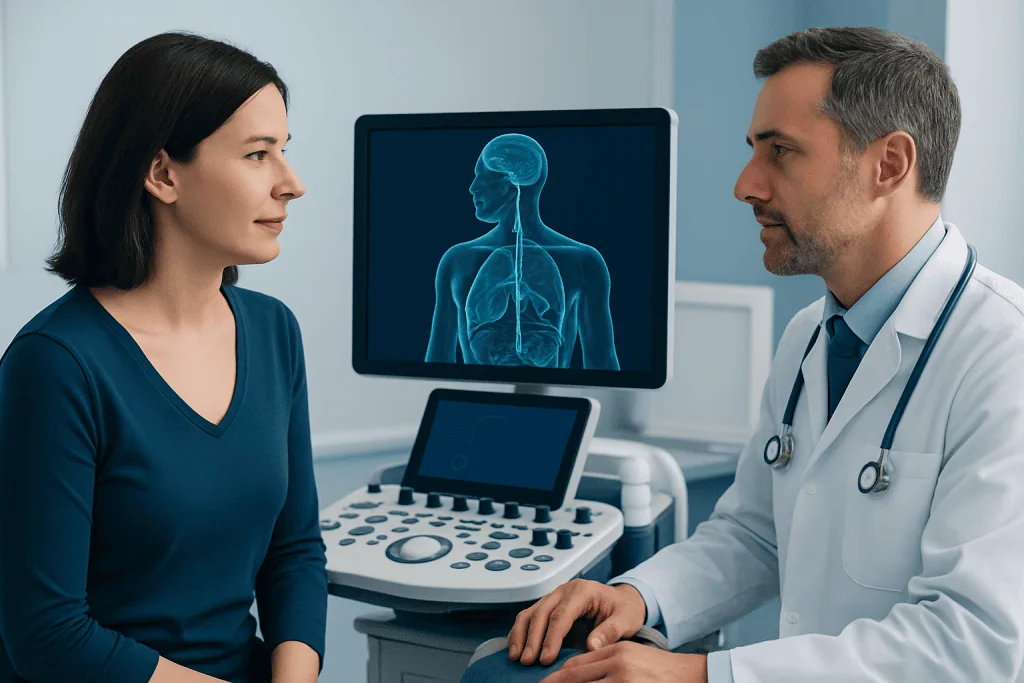
The vagus nerve has branches that reach several areas, so its effects are broad. In the throat and voice box, it helps coordinate swallowing and contributes to normal speech. In the chest, it influences heart rhythm and helps regulate some airway functions. In the digestive tract, it supports movement of food through the stomach and intestines and helps coordinate signals related to fullness, nausea, and digestion.
The nerve also carries sensory information back to the brain. This means it helps the brain monitor what is happening in internal organs. Because of this two-way communication, vagus nerve activity can affect how the body responds to meals, changes in posture, emotional stress, and illness.
Some evidence-based examples include vasovagal fainting, in which a reflex involving the vagus nerve can slow the heart and lower blood pressure, leading to lightheadedness or loss of consciousness. In other cases, injury or disease affecting the nerve may contribute to hoarseness, swallowing difficulty, or delayed stomach emptying. These are specific medical situations, not simply a general idea of the nerve being “weak” or “overactive.”
Symptoms linked to vagus nerve problems

Symptoms depend on which branch of the vagus nerve is involved and what is causing the problem. Some people notice throat-related symptoms such as hoarseness, a weak voice, coughing when swallowing, or a sensation that food is sticking. Others may have digestive symptoms, including early fullness, bloating, nausea, vomiting, or constipation, especially if stomach emptying is affected.
Changes in heart rate and blood pressure can also occur. A person may feel dizzy, faint, or weak, particularly during pain, emotional distress, dehydration, or prolonged standing. This pattern can be seen in vasovagal syncope, a common form of fainting that is usually benign but still deserves medical review if episodes are repeated or unclear. Related neurological symptoms may overlap with disorders such as epilepsy or other conditions that require a different evaluation.
Common symptoms that may involve the vagus nerve include:
- Hoarseness or voice changes
- Trouble swallowing or choking with food or liquids
- Nausea, bloating, or vomiting
- Feeling full very quickly after eating
- Dizziness or fainting
- Unusual changes in heart rate
- Chronic cough in some cases
These symptoms do not automatically mean there is a vagus nerve disorder. Because many body systems are involved, doctors usually consider several possible explanations before confirming that the vagus nerve is part of the problem.
Causes, risk factors, and common myths
Vagus nerve symptoms can arise from many causes. These include viral infections, diabetes-related nerve damage, surgery in the neck or chest, inflammation, tumors, stroke, and other neurological disorders. Compression or injury affecting the recurrent laryngeal branch, for example, may lead to vocal cord weakness and hoarseness. Digestive symptoms may appear when the nerve signals that help stomach muscles work normally are disrupted, as can happen in gastroparesis.
Risk factors depend on the underlying condition. People with diabetes, prior neck or chest surgery, certain autoimmune or neurological diseases, and some infections may have a higher chance of nerve-related problems. Recurrent fainting can also be more likely in people who are dehydrated, stand for long periods, skip meals, or are sensitive to pain, heat, or emotional triggers.
There are also many myths about the vagus nerve online. It is true that slow breathing, regular sleep, physical activity, and stress management may support healthy autonomic function. However, there is limited evidence for broad claims that simple “vagus nerve hacks” can treat complex medical problems on their own. Persistent symptoms such as fainting, swallowing problems, or severe digestive symptoms need a proper medical assessment rather than self-diagnosis.
How doctors evaluate vagus nerve-related symptoms
Diagnosis starts with a detailed history and physical examination. A doctor will ask when symptoms began, what triggers them, whether they are getting worse, and which body systems are affected. Because the vagus nerve influences the throat, heart, and digestive tract, the evaluation may involve more than one specialty, such as neurology, cardiology, gastroenterology, or ear, nose, and throat care.
Tests are chosen based on symptoms. A person with fainting may need blood pressure and heart rhythm assessment. Someone with hoarseness or swallowing difficulty may need laryngeal examination or a swallow study. Digestive complaints may be assessed with tests that look at stomach emptying or movement through the gut. In some situations, imaging of the brain, neck, or chest may be needed to look for structural causes.
Doctors may also evaluate related conditions of the nervous system and autonomic function. In selected cases, treatment planning may involve approaches used in advanced neurological care, including neurology evaluation or gastroenterology care. The goal is not simply to label a “vagus nerve issue,” but to identify the exact mechanism and treat the cause safely.
Treatment options and symptom management
Treatment depends on the underlying problem. If the issue is fainting related to vasovagal reflexes, care may focus on trigger avoidance, hydration, physical counter-pressure maneuvers, and sometimes medication. If symptoms involve the voice or swallowing, treatment may include speech and swallowing therapy, treatment of inflammation or reflux, or procedures if there is vocal cord paralysis or another structural problem.
Digestive symptoms are managed according to the diagnosis. This may include dietary adjustments, treatment of conditions affecting stomach emptying, and medicines recommended by a doctor. If a related condition such as reflux disease is contributing, targeted care may help; for example, evaluation through GERD treatment can be relevant when symptoms overlap with throat irritation, cough, or swallowing discomfort.
In some neurological conditions, vagus nerve stimulation is a recognized medical treatment, but it is used for specific indications and under specialist supervision. It is not a general wellness tool for every symptom. For appropriate patients, therapies such as epilepsy treatment may include neuromodulation options as part of a broader care plan.
Near the end of the diagnostic journey, some people benefit from coordinated multidisciplinary assessment. Acibadem International’s specialists in JCI-accredited hospitals evaluate and treat vagus nerve-related disorders for international patients when neurological, digestive, ENT, and cardiovascular expertise need to work together.
Daily habits that may support autonomic health
Not every vagus nerve concern can be prevented, but general measures can support overall autonomic and nervous system health. Staying well hydrated, eating regular balanced meals, sleeping adequately, and engaging in routine physical activity may help reduce common triggers for dizziness or fainting. People who know they are prone to vasovagal episodes may benefit from avoiding prolonged standing, overheating, and sudden position changes.
Stress reduction can also be useful, especially when symptoms are worsened by anxiety or physical tension. Slow breathing, mindfulness practices, and moderate exercise may improve general well-being and help some people feel more in control of symptoms. These approaches are supportive rather than curative, and they should not replace medical care for persistent or severe symptoms.
For throat and swallowing symptoms, avoiding smoking and seeking treatment for reflux may reduce irritation. For digestive symptoms, a doctor may recommend meal timing changes, smaller meals, or other condition-specific strategies. Self-care works best when it is guided by a clear diagnosis rather than by internet trends.
When to seek medical care
Medical attention is appropriate if symptoms are frequent, worsening, or affecting daily life. Repeated fainting, unexplained dizziness, persistent hoarseness, choking with meals, vomiting, or marked difficulty eating should not be ignored. These symptoms may involve the vagus nerve, but they can also signal other problems that need timely treatment.
Urgent care is needed for chest pain, severe shortness of breath, new weakness, facial drooping, trouble speaking, or loss of consciousness with injury. Sudden swallowing difficulty or rapid changes in voice after surgery or illness should also be reviewed promptly. If symptoms are recurrent but not urgent, a qualified doctor can help determine whether the cause is neurological, cardiac, digestive, or another condition.
Early evaluation often makes treatment more straightforward and can help prevent complications such as dehydration, malnutrition, aspiration, or injury from fainting. A calm, evidence-based assessment is the best way to separate myths from meaningful medical findings.
Frequently asked questions
What is the vagus nerve in simple terms?
The vagus nerve is a major nerve that connects the brain to organs in the neck, chest, and abdomen. It helps control automatic functions such as heart rate, swallowing, voice, and digestion.
Can vagus nerve problems cause digestive symptoms?
Yes. If the nerve signals involved in stomach and intestinal movement are affected, a person may have nausea, bloating, early fullness, vomiting, or constipation. These symptoms can also come from many other digestive disorders, so medical evaluation is important.
Does the vagus nerve affect anxiety or stress?
The vagus nerve is part of the parasympathetic nervous system, which helps the body settle after stress. Healthy habits such as slow breathing and regular sleep may support this system, but anxiety is complex and cannot be explained by the vagus nerve alone.
What is vasovagal fainting?
Vasovagal fainting is a common reflex in which heart rate slows and blood pressure drops, often after pain, emotional stress, heat, or standing for too long. It is usually not dangerous, but repeated episodes or uncertain causes should be assessed by a doctor.
How do doctors test for vagus nerve dysfunction?
There is no single test for every vagus nerve problem. Doctors choose tests based on symptoms and may evaluate swallowing, voice, heart rhythm, blood pressure, stomach emptying, or imaging of the brain, neck, or chest.
Can the vagus nerve be treated?
Treatment depends on what is causing the symptoms. It may include hydration strategies, medicines, speech or swallowing therapy, digestive treatment, management of underlying disease, or specialist procedures in selected cases.
References
- National Institute of Neurological Disorders and Stroke
- National Institute of Diabetes and Digestive and Kidney Diseases
- American Academy of Neurology
- Cleveland Clinic
- Mayo Clinic
This article is for general information only and is not a substitute for professional medical advice. Please consult a qualified doctor about your individual situation.
Heart care in Turkey — expert evaluation and treatment
JCI-accredited · board-certified surgeons · reply within 24h
Add us as a Preferred Source to see more of our trusted health content across Google Search, AI Overviews and Discover.
Check your numbers in seconds
BMI, calories, due date, blood pressure and 30+ more clinical calculators — free, instant, doctor-reviewed ranges.