Aneurysm: What Patients Need to Know

An aneurysm can happen in different blood vessels, most commonly in the brain or aorta. Many aneurysms do not cause symptoms until they become large, leak, or rupture.
Key Takeaways
- An aneurysm can happen in different blood vessels, most commonly in the brain or aorta.
- Many aneurysms do not cause symptoms until they become large, leak, or rupture.
- Treatment depends on the aneurysm’s size, location, growth, and the person’s overall health.
- Controlling blood pressure, avoiding smoking, and following imaging plans can lower risk.
- A sudden severe headache, chest pain, back pain, or signs of stroke needs urgent medical attention.
An aneurysm is a bulge in a weakened area of a blood vessel wall. Some aneurysms stay small and cause no symptoms, while others can grow, leak, or rupture and need urgent medical care.
Overview: what an aneurysm is
An aneurysm is a weakened, bulging area in the wall of an artery. In simple terms, part of the blood vessel wall loses strength and begins to balloon outward. Whether it becomes dangerous depends on where it is, how large it is, how quickly it is growing, and whether it leaks or ruptures.
Aneurysms can develop in several parts of the body, but the best-known types affect the brain and the aorta, the body’s main artery. A brain aneurysm forms in a blood vessel supplying the brain. An aortic aneurysm forms in the chest or abdomen and may be described as thoracic or abdominal depending on its location.
Not every aneurysm is an emergency. Many are found incidentally during imaging done for another reason and may only need regular monitoring. However, if an aneurysm ruptures, it can cause life-threatening internal bleeding. That is why early diagnosis, risk assessment, and ongoing follow-up are important.
Types of aneurysm and where they occur
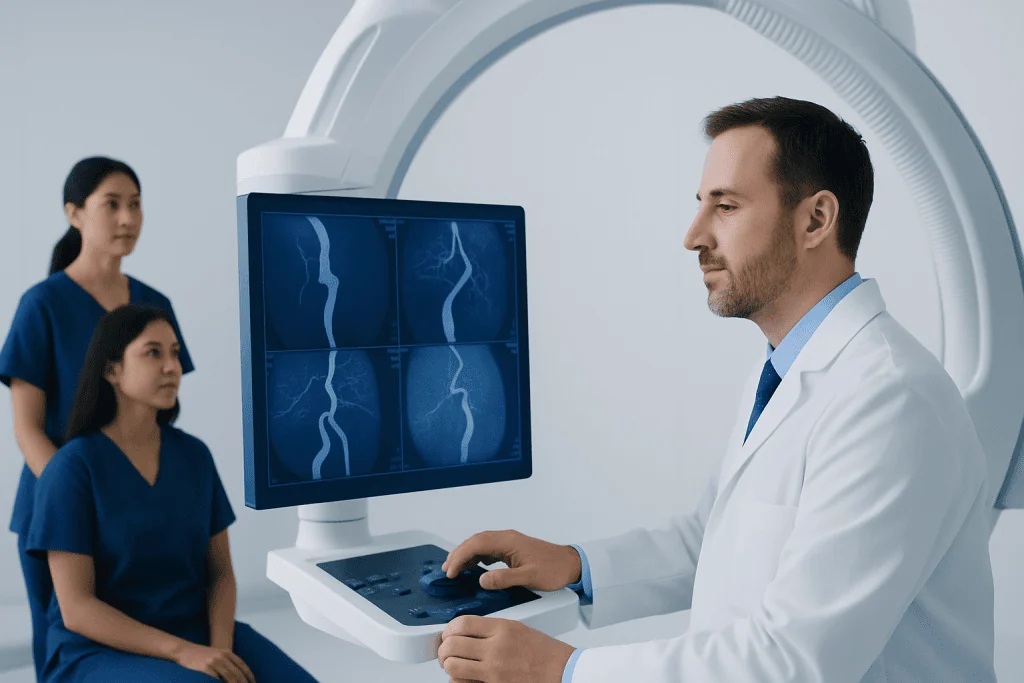
Doctors usually classify an aneurysm by its location. A brain aneurysm affects an artery in or around the brain. Some remain silent for years, while others may press on nearby nerves or rupture and cause bleeding around the brain.
An aortic aneurysm involves the aorta. If it occurs in the chest, it is called a thoracic aortic aneurysm. If it develops in the abdomen, it is called an abdominal aortic aneurysm. Aortic aneurysms may enlarge gradually and are sometimes discovered during ultrasound or CT scans.
Less commonly, aneurysms can affect arteries in the legs, behind the knee, the spleen, or other organs. The concerns are similar across locations: enlargement, reduced blood flow, clot formation, pressure on nearby structures, or rupture.
The shape may also differ. Some aneurysms are saccular, meaning they form a pouch on one side of the vessel. Others are fusiform, meaning the artery widens more evenly around its circumference. This detail can help guide treatment planning.
Symptoms: how an aneurysm may feel

Many aneurysms cause no symptoms at all, especially when they are small. That is one reason they are often found unexpectedly. When symptoms do happen, they usually relate to the aneurysm’s size, location, or whether it is leaking or rupturing.
A brain aneurysm that has not ruptured may cause headache, pain above or behind the eye, blurred or double vision, a drooping eyelid, or facial numbness if it presses on nearby nerves. A leaking or ruptured aneurysm can cause a sudden, extremely severe headache, nausea, vomiting, neck stiffness, fainting, confusion, seizures, or stroke-like symptoms. These signs need emergency care.
An abdominal aortic aneurysm may cause deep, steady pain in the abdomen, side, or back, or a pulsing sensation in the belly. A thoracic aortic aneurysm may cause chest pain, back pain, shortness of breath, coughing, or hoarseness if it presses on nearby tissues. If rupture occurs, pain is usually sudden and severe and may be accompanied by dizziness, weakness, low blood pressure, or collapse.
- Silent aneurysm: often no symptoms
- Growing aneurysm: pressure-related pain or nerve symptoms
- Leaking or ruptured aneurysm: sudden severe symptoms and a medical emergency
Causes and risk factors
An aneurysm usually develops when the wall of an artery becomes weakened over time. This weakening can be related to aging, long-term high blood pressure, smoking, inflammation, injury, or inherited conditions that affect connective tissue. In some people, the vessel wall may be vulnerable from birth, while in others the risk builds gradually through life.
Smoking is one of the most important modifiable risk factors, particularly for aortic aneurysms. High blood pressure increases stress on artery walls and may raise the risk of growth or rupture. Atherosclerosis, which is the buildup of fatty deposits in arteries, can also contribute to vessel damage.
Family history matters. A person with a close relative who has had a brain aneurysm or aortic aneurysm may have a higher chance of developing one. Certain inherited disorders, such as Marfan syndrome, Ehlers-Danlos syndrome, or polycystic kidney disease, can also increase risk in some cases.
Risk can vary by age, sex, and aneurysm location. For example, abdominal aortic aneurysm becomes more common with age and is more often seen in people with a history of smoking. Brain aneurysms can occur at different ages and may be associated with hypertension, smoking, or family history.
How doctors diagnose an aneurysm
Diagnosis begins with a medical history, symptom review, and physical examination, but imaging is what confirms an aneurysm. The type of test depends on where the aneurysm is suspected and whether the situation is urgent. If a rupture is possible, imaging is arranged quickly.
For brain aneurysm, doctors may use CT, CT angiography, MRI, or MR angiography to look at blood vessels in detail. In emergency situations, a head CT is commonly used first to check for bleeding. In selected cases, cerebral angiography may provide the most detailed view and help plan treatment.
For an aortic aneurysm, ultrasound is commonly used to detect and monitor abdominal aneurysms. CT angiography or MRI can show the size, extent, and shape more precisely, especially for thoracic aneurysms or before surgery. Imaging also helps measure how fast an aneurysm is growing, which is important for deciding when treatment is needed.
Doctors assess several factors together: aneurysm size, location, shape, symptoms, growth over time, and the person’s overall health. This careful evaluation helps balance the risks of observation against the benefits and risks of intervention.
Treatment options and monitoring
Treatment is individualized. Small aneurysms that are not causing symptoms may be monitored with regular imaging and risk-factor control rather than treated immediately. This approach is common when the aneurysm is considered low risk for rupture and the risks of a procedure may outweigh the benefits.
Medical management focuses on reducing stress on blood vessels and lowering overall cardiovascular risk. This may include careful blood pressure control, smoking cessation, cholesterol management, and guidance on physical activity. Follow-up imaging is important because even a stable aneurysm can change over time.
When an aneurysm is large, growing, symptomatic, leaking, or judged to be at higher risk of rupture, a procedure may be advised. Depending on the type and location, treatment may include open surgery or minimally invasive endovascular techniques. For some aortic aneurysms, doctors may recommend endovascular aneurysm repair or aortic aneurysm surgery. For selected brain aneurysms, treatment may involve clipping or endovascular neuroradiology procedures such as coiling.
The goal of treatment is to prevent rupture, reduce symptoms, and protect blood flow to vital organs. Decisions are made by considering both the aneurysm and the person, including age, other medical conditions, and preferences. Near the end of the care pathway, some patients may seek evaluation at centers with multidisciplinary expertise; Acibadem International’s specialists in JCI-accredited hospitals diagnose and treat aneurysm conditions for international patients.
Prevention and self-care
It is not always possible to prevent an aneurysm, especially when genetics play a role, but healthy lifestyle choices can reduce risk and may slow progression. The most important steps are avoiding tobacco, controlling blood pressure, and following treatment for cholesterol, diabetes, or other vascular risk factors.
People who already know they have an aneurysm should attend all follow-up appointments and imaging studies. Skipping surveillance can allow growth to go unnoticed. They should also ask their doctor what level of exercise is safe, since advice may vary depending on the aneurysm’s size and location.
General self-care measures include eating a heart-healthy diet, staying physically active within medical guidance, maintaining a healthy weight, limiting excessive alcohol use, and taking prescribed medicines regularly. Family members may also benefit from discussing screening with a doctor when there is a strong family history.
Emotional stress after diagnosis is common. Clear information, regular follow-up, and a step-by-step plan often help people feel more in control. Patients should avoid relying on online advice alone and should discuss any new symptoms promptly with a qualified clinician.
When to seek medical care
Medical care should be sought promptly for any symptoms that could suggest a growing or leaking aneurysm. These include new severe headache, sudden vision changes, chest pain, back pain, abdominal pain, shortness of breath, fainting, or a pulsing abdominal mass. Even if symptoms seem to improve, urgent evaluation is important.
Emergency care is needed immediately for warning signs of rupture or stroke. These include a sudden “worst headache of life,” loss of consciousness, seizure, one-sided weakness, trouble speaking, sudden severe chest or abdominal pain, or collapse. Quick treatment can be lifesaving.
People with a diagnosed aneurysm should contact their doctor sooner than planned if symptoms change, if blood pressure becomes hard to control, or if they have concerns about activity, travel, or surgery for another condition. Anyone with a strong family history of aneurysm can also ask whether screening is appropriate.
Frequently asked questions
Is every aneurysm life-threatening?
No. Some aneurysms are small, stable, and may never rupture. However, all aneurysms should be assessed by a doctor because risk depends on the aneurysm’s size, location, growth, and the person’s overall health.
Can an aneurysm heal on its own?
An aneurysm does not usually go away on its own. Small aneurysms may remain unchanged for long periods, but they still need medical follow-up to watch for growth or other changes.
What is the difference between a brain aneurysm and an aortic aneurysm?
A brain aneurysm affects an artery in or around the brain, while an aortic aneurysm affects the body’s main artery in the chest or abdomen. The symptoms, imaging tests, and treatment options can differ because the locations and risks are different.
Who should be screened for an aneurysm?
Screening recommendations depend on the type of aneurysm and personal risk factors. People with a strong family history, certain inherited conditions, or a history of smoking may be advised to discuss screening with their doctor.
Can exercise cause an aneurysm to rupture?
Most people benefit from appropriate physical activity, but advice should be individualized. In some cases, very heavy straining or uncontrolled blood pressure may increase risk, so patients with a known aneurysm should ask their doctor what activities are safe.
How often does a known aneurysm need imaging?
There is no single schedule for everyone. Follow-up depends on the aneurysm’s size, type, and whether it has changed over time, so the treating doctor will recommend an imaging plan tailored to the patient.
References
- American Heart Association
- National Institute of Neurological Disorders and Stroke
- National Heart, Lung, and Blood Institute
- Society for Vascular Surgery
- Centers for Disease Control and Prevention
This article is for general information only and is not a substitute for professional medical advice. Please consult a qualified doctor about your individual situation.
Explore treatments in Turkey — costs, top hospitals & a free quote
JCI-accredited · board-certified surgeons · reply within 24h
Add us as a Preferred Source to see more of our trusted health content across Google Search, AI Overviews and Discover.
Check your numbers in seconds
BMI, calories, due date, blood pressure and 30+ more clinical calculators — free, instant, doctor-reviewed ranges.

More from the Health Library



Related Specialists

Assoc. Prof. Dr. Semiha Urvay
Medical Oncology
Prof. Dr. Faik Acar Koç
Perinatology & High Risk Pregnancies
Dr. Emre Sübay
Ophthalmology
Prof. Dr. Şükrü Aktan
General Surgery