Lymph Nodes — Explained by Medical Evidence, Not Myths

Lymph nodes help filter lymph fluid and support the body's immune defenses. Swollen lymph nodes are commonly linked to infections, but inflammation, immune conditions, and cancers can also cause enlargement.
Key Takeaways
- Lymph nodes help filter lymph fluid and support the body's immune defenses.
- Swollen lymph nodes are commonly linked to infections, but inflammation, immune conditions, and cancers can also cause enlargement.
- The location, size, texture, and duration of a swollen lymph node help guide diagnosis.
- Many enlarged lymph nodes improve once the underlying cause resolves.
- Medical evaluation is important if lymph nodes stay enlarged, grow, feel hard, or occur with fever, weight loss, or night sweats.
Lymph nodes are small, bean-shaped parts of the immune system that filter lymph fluid and help the body respond to infection and inflammation. They often become enlarged for harmless, short-term reasons, but persistent, hard, or unusual changes should be assessed by a doctor.
Overview: what lymph nodes are and why they matter
Lymph nodes are small, bean-shaped structures found throughout the body, especially in the neck, underarms, chest, abdomen, and groin. They are part of the lymphatic system, a network of vessels, tissues, and organs that helps maintain fluid balance and supports immune defense. In simple terms, lymph nodes act as checkpoints where the immune system can detect germs, damaged cells, and other abnormal substances.
Inside each node are immune cells such as lymphocytes and macrophages. These cells help identify and respond to viruses, bacteria, and other threats. As lymph fluid passes through a node, harmful material can be trapped and processed, allowing the body to mount a defense. This is why lymph nodes may become enlarged when the immune system is active.
A common myth is that any swollen lymph node is a sign of something serious. In reality, enlarged lymph nodes often reflect a normal immune response, especially during common infections such as colds, sore throats, or dental problems. What matters most is the overall pattern: where the nodes are, how long they have been enlarged, whether they are painful, and whether other symptoms are present.
Where lymph nodes are located and what swelling can feel like
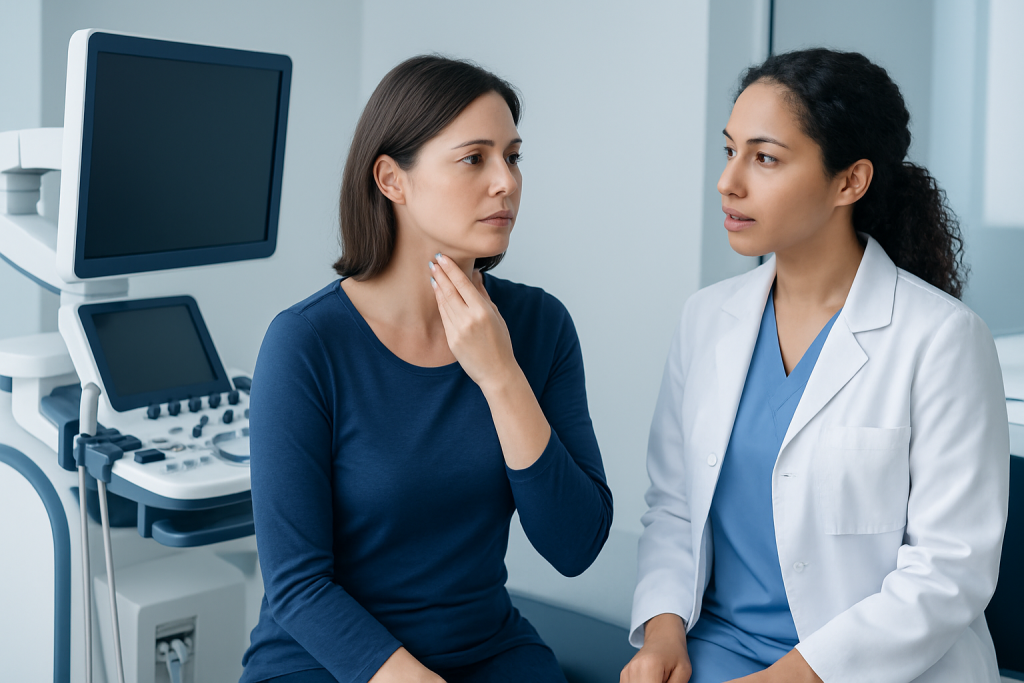
Most people notice lymph nodes only when they become enlarged. Superficial nodes can sometimes be felt under the skin, particularly in the neck, beneath the jaw, behind the ears, above the collarbone, in the armpits, and in the groin. Deeper lymph nodes in the chest or abdomen cannot usually be felt and may only be seen on imaging tests.
A swollen lymph node may feel like a small lump or fullness under the skin. It can be soft, rubbery, or tender, especially during an infection. Some nodes move slightly when touched, while others may feel more fixed. These details can help doctors understand whether the swelling is more likely due to a temporary infection, inflammation, or another cause.
Not every lump is a lymph node. Cysts, salivary gland enlargement, lipomas, thyroid nodules, and skin changes can also cause swellings in similar areas. Because of this, a new lump should not be self-diagnosed based on location alone. A medical examination is the best way to identify what the swelling represents.
- Neck: often linked to throat, ear, dental, or sinus infections
- Underarm: may relate to skin irritation, infection, vaccination, or breast-related conditions
- Groin: can enlarge with leg, foot, pelvic, or genital infections and irritation
- Above the collarbone: deserves prompt medical assessment because it is less commonly enlarged from minor illness
Common symptoms and warning signs
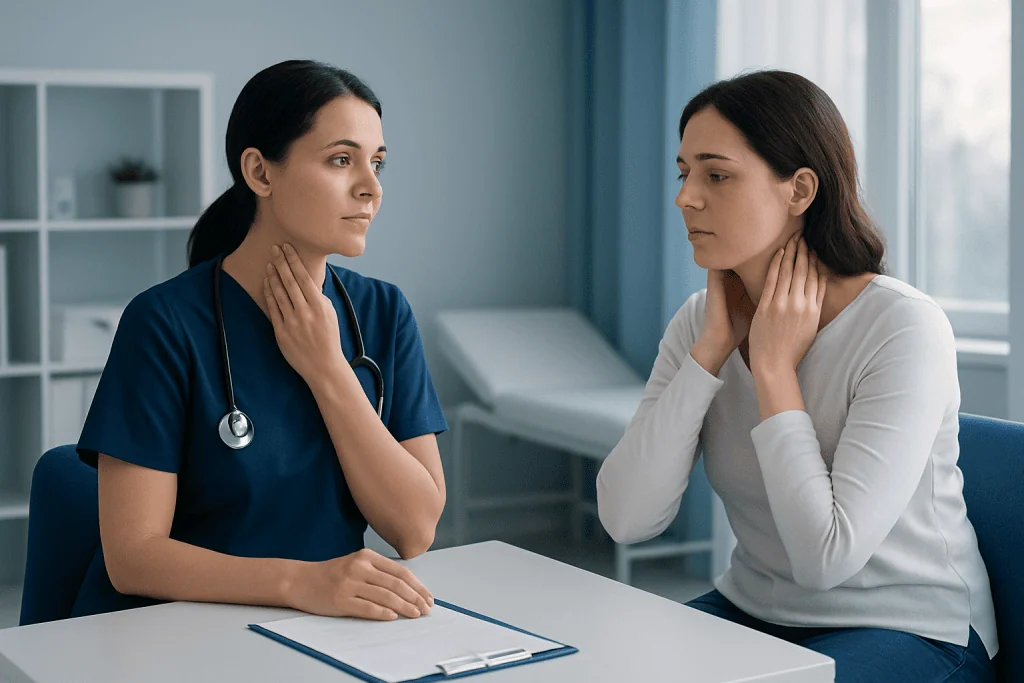
The most common symptom involving lymph nodes is swelling. The area may also be tender or sore, particularly if the swelling is caused by infection. Some people notice redness or warmth in the nearby skin, while others feel pressure or discomfort when turning the neck, swallowing, or moving an arm or leg.
Swollen lymph nodes often occur together with symptoms of the underlying condition. For example, a sore throat, runny nose, cough, ear pain, tooth pain, or skin infection may explain enlarged nodes nearby. In many cases, the node shrinks gradually over days to weeks as the illness improves.
Certain features call for more attention. These include nodes that continue growing, remain enlarged for several weeks, feel very firm or fixed, or appear without a clear infection. General symptoms such as unexplained fever, drenching night sweats, ongoing fatigue, or unintentional weight loss also warrant medical review, as they may point to a more significant underlying cause.
What causes swollen lymph nodes?
Infections are the most frequent cause of swollen lymph nodes. Viral illnesses such as the common cold, influenza, or mononucleosis can trigger lymph node enlargement, especially in the neck. Bacterial infections, including strep throat, dental infections, skin infections, and some sexually transmitted infections, may also cause nodes to become swollen and tender.
Inflammatory and autoimmune conditions can enlarge lymph nodes as well. Examples include rheumatoid arthritis, lupus, and other disorders in which the immune system becomes overactive. Reactions after vaccination may temporarily enlarge lymph nodes, usually in the armpit or neck, and this often resolves without treatment.
Less commonly, swollen lymph nodes may be related to cancers that start in the lymphatic system, such as lymphoma, or to cancers that spread to lymph nodes from another part of the body. This does not mean every enlarged node is cancerous; far from it. Instead, doctors look at the full clinical picture, including age, symptoms, exam findings, and how long the swelling has been present.
Some medicines and rare conditions can also cause lymph node enlargement. Because the possible causes range from minor to more serious, persistent or unexplained swelling should be assessed rather than assumed to be harmless.
How doctors evaluate lymph nodes
Diagnosis begins with a careful medical history and physical examination. A doctor will ask when the swelling started, whether it is painful, and whether there are symptoms such as fever, sore throat, dental pain, skin changes, fatigue, or weight loss. Travel history, infections, medications, recent vaccinations, and personal or family medical history can all be relevant.
During the examination, the doctor checks the size, location, texture, and mobility of the lymph nodes and looks for signs of infection or inflammation elsewhere in the body. Sometimes this alone strongly suggests a temporary cause. In other cases, more testing is needed to clarify what is driving the enlargement.
Tests may include blood work to look for infection or immune system changes and imaging such as ultrasound or MRI when the area needs a closer look. If the cause remains unclear, or if the node has suspicious features, the doctor may recommend a sample of tissue for examination, such as a biopsy. In selected situations, specialists also consider related blood conditions or cancers, including leukemia, depending on the overall findings.
Treatment options and what recovery looks like
Treatment for lymph nodes depends on the cause, not on the swelling alone. If a viral infection is responsible, specific treatment may not be needed beyond rest, fluids, and time. If a bacterial infection is diagnosed, a doctor may prescribe antibiotics. Dental problems, skin infections, or abscesses may need targeted treatment to remove the source of inflammation.
When an autoimmune or inflammatory condition is involved, treatment focuses on controlling that underlying disease. If enlarged lymph nodes are related to cancer, care is directed by the diagnosis and stage. This may involve hematology, oncology, surgery, imaging, and pathology specialists working together to create an individualized plan.
Recovery varies by cause. Some lymph nodes shrink quickly once an infection resolves, while others stay slightly enlarged for a period even after the person feels better. This can happen because the immune response takes time to settle. A doctor may suggest follow-up to confirm that the nodes are decreasing as expected.
Near the end of evaluation or treatment, some patients benefit from multidisciplinary care. Acibadem International’s specialists in JCI-accredited hospitals diagnose and treat lymph node-related conditions for international patients when advanced assessment is needed.
Prevention, self-care, and when to seek medical care
There is no single way to prevent all lymph node swelling because it is a response rather than a disease itself. Still, general measures can lower the risk of common triggers. Good hand hygiene, routine dental care, timely treatment of skin wounds, staying up to date with recommended vaccines, and managing chronic conditions can all help reduce infections and inflammation.
At home, self-care should focus on the underlying illness and comfort rather than repeatedly pressing on the node. Rest, hydration, and appropriate symptom relief may be useful when swelling occurs during a mild infection. Frequent checking or squeezing can irritate the area and make it seem more prominent.
Medical care should be sought if a lymph node is very large, keeps growing, lasts more than a few weeks, feels hard or fixed, or appears above the collarbone. A doctor should also assess swollen nodes accompanied by high fever, trouble breathing or swallowing, severe pain, spreading redness, unexplained weight loss, persistent night sweats, or marked fatigue. If there is any doubt about a new lump, especially without a clear infection, professional evaluation is the safest next step.
Frequently asked questions
What do lymph nodes do?
Lymph nodes help filter lymph fluid and support the immune system. They contain immune cells that recognize and respond to infections, inflammation, and abnormal cells.
Is it normal to feel lymph nodes in the neck or groin?
Small, mobile lymph nodes can sometimes be felt in healthy people, especially in the neck or groin. They become more noticeable when reacting to a recent infection or irritation nearby.
How long do swollen lymph nodes last?
Swollen lymph nodes from a minor infection often improve within days to a few weeks. Some may remain slightly enlarged for longer even after symptoms improve, but persistent or enlarging nodes should be checked by a doctor.
Are swollen lymph nodes always a sign of cancer?
No, most swollen lymph nodes are not caused by cancer. Infections and inflammation are much more common causes, although doctors may investigate further if the nodes have concerning features or do not resolve.
Can stress cause swollen lymph nodes?
Stress itself does not usually cause lymph nodes to swell. However, stress can affect overall health and may occur alongside infections or other conditions that do lead to lymph node enlargement.
Should a swollen lymph node be massaged or squeezed?
It is generally best not to massage or squeeze a swollen lymph node. Repeated touching can irritate the area and make it more tender or noticeable without treating the underlying cause.
This article is for general information only and is not a substitute for professional medical advice. Please consult a qualified doctor about your individual situation.
Explore treatments in Turkey — costs, top hospitals & a free quote
JCI-accredited · board-certified surgeons · reply within 24h
Add us as a Preferred Source to see more of our trusted health content across Google Search, AI Overviews and Discover.

More from the Health Library

Injection Site Reaction: What Patients Need to Know

Strokes: A Complete Medical Overview

Oat Bran Cereal and Its Role in a Balanced Diet

Prune Juice and Butter: An Evidence-Based Guide for Patients

Bulging Disc: A Complete Medical Overview