Strokes: A Complete Medical Overview

Strokes need urgent medical attention because brain cells can be damaged within minutes. The two main types are ischemic stroke, caused by a blocked blood vessel, and hemorrhagic stroke, caused by bleeding in or around the brain.
Key Takeaways
- Strokes need urgent medical attention because brain cells can be damaged within minutes.
- The two main types are ischemic stroke, caused by a blocked blood vessel, and hemorrhagic stroke, caused by bleeding in or around the brain.
- Sudden weakness, facial drooping, speech difficulty, vision changes, severe dizziness, or a sudden severe headache are important warning signs.
- Diagnosis usually involves a neurological exam and urgent brain imaging to identify the type of stroke.
- Prevention focuses on controlling blood pressure, diabetes, cholesterol, heart rhythm problems, smoking, and other vascular risk factors.
Strokes are medical emergencies that happen when part of the brain loses its blood supply or bleeding occurs in the brain. Early recognition and rapid treatment can improve recovery, reduce disability, and sometimes save lives.
What are strokes?
Strokes occur when the brain does not get the oxygen and nutrients it needs because blood flow is blocked or a blood vessel breaks. Without prompt treatment, brain cells begin to die, which can affect movement, speech, memory, vision, and other body functions controlled by the injured area of the brain.
There are two main types of strokes. An ischemic stroke happens when a blood vessel supplying the brain becomes blocked, usually by a clot. A hemorrhagic stroke happens when a blood vessel leaks or ruptures, causing bleeding in or around the brain. A related condition called a transient ischemic attack, or TIA, causes stroke-like symptoms for a short time and is often called a “warning stroke.” Stroke and TIA both need medical evaluation.
Because different areas of the brain control different functions, stroke symptoms vary from person to person. Some people develop weakness on one side of the body, while others have trouble speaking, understanding language, seeing clearly, or staying balanced. The common link is that symptoms usually start suddenly.
How strokes affect the brain and body
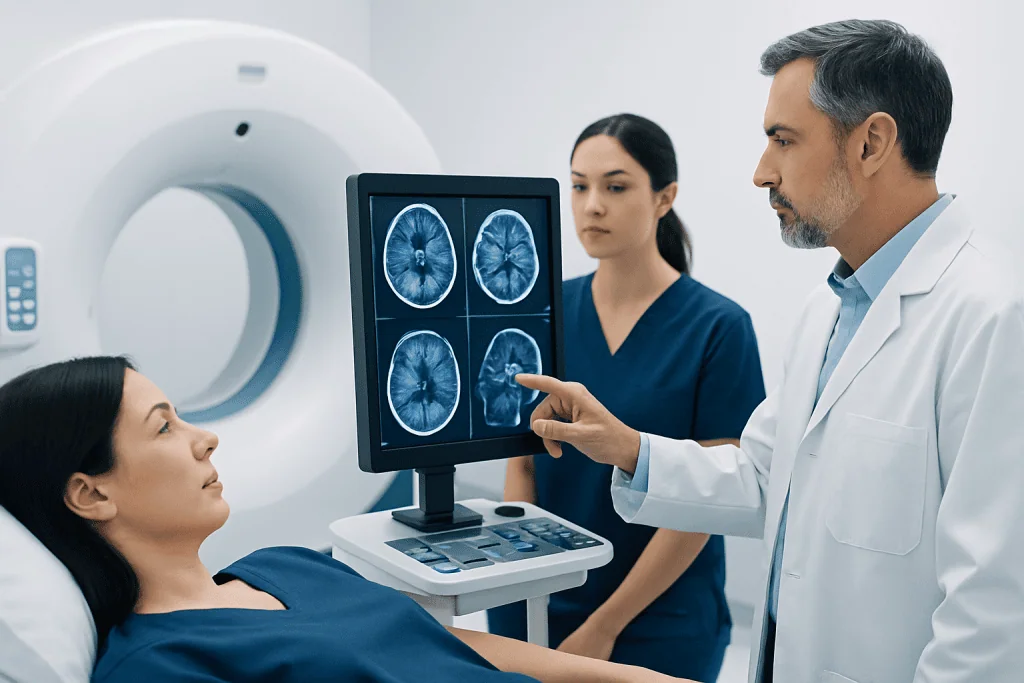
The brain depends on a constant blood supply. When this supply is interrupted, the affected brain tissue can no longer work normally. This is why symptoms often appear abruptly. The exact changes depend on which blood vessel is involved and how much brain tissue is affected.
A stroke affecting the left side of the brain may cause language problems or weakness on the right side of the body. A stroke affecting the right side may cause left-sided weakness, visual-spatial difficulties, or reduced awareness of one side of the body. Strokes in the back part of the brain can affect vision, coordination, swallowing, and balance.
Not all strokes look dramatic at first. Some begin with mild slurred speech, numbness, clumsiness, or confusion. Even if symptoms improve quickly, they should not be ignored. A TIA can be a warning sign of a future, more serious stroke, and urgent assessment can help reduce that risk.
Symptoms and warning signs
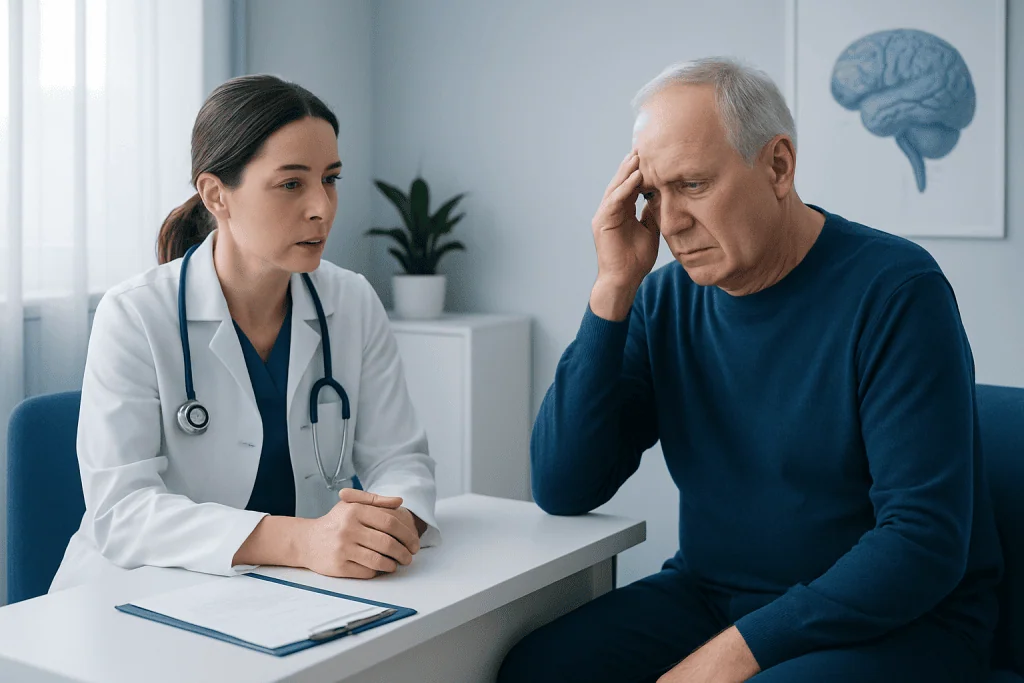
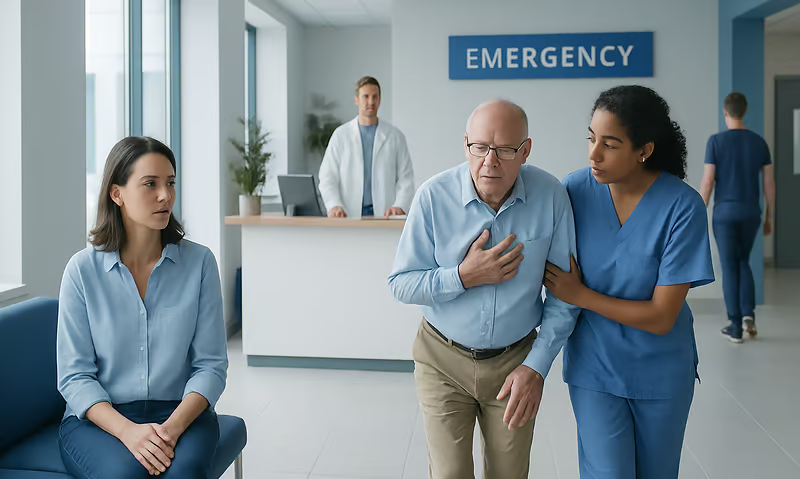
Stroke symptoms usually begin suddenly. A practical way to remember common warning signs is to think of sudden changes in the face, arm, and speech. One side of the face may droop, one arm may become weak or numb, or speech may sound slurred or difficult to understand. If these signs are present, emergency help should be sought immediately.
Other symptoms can also occur, depending on the area of the brain involved. These may include sudden vision loss or double vision, dizziness, trouble walking, loss of coordination, confusion, difficulty understanding words, or severe numbness on one side of the body.
A sudden severe headache can be especially important when it is unusual for the person, reaches maximum intensity quickly, or is accompanied by vomiting, neck stiffness, fainting, or neurological symptoms. This pattern may suggest bleeding in or around the brain and needs immediate evaluation. In some cases, strokes can be mistaken for conditions such as brain tumors, seizures, migraine, or low blood sugar, which is why rapid medical assessment is essential.
- Face drooping or uneven smile
- Arm or leg weakness, especially on one side
- Slurred speech or trouble speaking
- Sudden vision problems
- Severe dizziness or loss of balance
- Sudden, severe headache
Causes and risk factors
Ischemic strokes are most often caused by a blood clot blocking an artery in the brain or traveling to the brain from elsewhere in the body. A clot may form in a narrowed artery because of atherosclerosis, or it may come from the heart in conditions such as atrial fibrillation. Hemorrhagic strokes are often linked to long-standing high blood pressure, weakened blood vessels, or abnormalities in the blood vessels.
Some risk factors cannot be changed, such as older age, family history, prior stroke, prior TIA, and certain inherited conditions. Many important risk factors can be managed. These include high blood pressure, diabetes, high cholesterol, smoking, obesity, lack of physical activity, unhealthy diet, sleep apnea, heavy alcohol use, and certain heart diseases.
Blood pressure is one of the most significant stroke risk factors because it increases the chance of both vessel blockage and bleeding. Heart and blood vessel disorders also matter. People with carotid artery disease, irregular heartbeat, or established aneurysm may need close follow-up. In some situations, treatment of the underlying cause can help reduce future stroke risk, including vascular or heart-based interventions such as angiography when doctors need detailed blood vessel imaging.
How strokes are diagnosed
Doctors diagnose strokes by combining the person’s story, physical findings, and urgent imaging tests. The first priorities are to identify when symptoms started, assess breathing and circulation, and perform a neurological examination. The time symptoms began or the last time the person was known to be well can affect treatment choices.
Brain imaging is essential because treatment depends on whether the stroke is ischemic or hemorrhagic. A non-contrast CT scan is often used first to quickly look for bleeding. MRI may provide more detailed information in selected cases. Imaging of the blood vessels in the neck and brain may also be needed to locate a blockage or another vascular problem.
Additional tests may include blood work, heart monitoring, an electrocardiogram, and ultrasound or echocardiography to look for a clot source. In some patients, doctors may recommend advanced evaluation by specialists in interventional neuroradiology or neurology to guide urgent care and long-term prevention planning.
Treatment options and recovery
Treatment depends on the type of stroke, the time from symptom onset, the person’s overall health, and the location of the problem. In ischemic stroke, the goal is to restore blood flow to the brain as quickly and safely as possible. In selected patients, clot-dissolving medicine may be used if they arrive within an appropriate time window and meet safety criteria. Some people may benefit from a catheter-based procedure to remove the clot from a large brain artery.
In hemorrhagic stroke, treatment focuses on controlling bleeding, lowering pressure on the brain, managing blood pressure carefully, and addressing the cause of the bleed when possible. This may involve close monitoring in a stroke unit or intensive care setting and, in some cases, neurosurgical or endovascular procedures. Rehabilitation often begins early and may include physical therapy, occupational therapy, speech therapy, and swallowing support.
Recovery after strokes varies widely. Some people improve quickly, while others need longer rehabilitation. Progress depends on the size and location of the stroke, how quickly treatment was given, and the person’s general health. Follow-up care often includes medicine to reduce future risk, treatment of conditions such as high blood pressure or atrial fibrillation, and support for emotional changes, fatigue, and return to daily activities.
Prevention, self-care, and when to seek medical care
Many strokes can be prevented by managing vascular risk factors over time. This usually means checking blood pressure regularly, taking prescribed medicines consistently, controlling diabetes and cholesterol, stopping smoking, being physically active, maintaining a healthy weight, and following a balanced eating pattern. Limiting alcohol and treating sleep apnea when present can also help reduce risk.
People who have already had a stroke or TIA need ongoing follow-up because prevention is tailored to the cause. This may involve blood-thinning medicine for some patients, antiplatelet therapy for others, or treatment of narrowed arteries and heart rhythm problems. Attending rehabilitation, staying engaged with exercises, and asking for help with mood or memory changes are also important parts of self-care after a stroke.
Emergency medical care should be sought immediately for any sudden facial drooping, one-sided weakness or numbness, speech difficulty, sudden loss of vision, severe dizziness, or a sudden severe headache unlike usual headaches. It is safer to call emergency services than to wait and see if symptoms pass. Near the end of recovery planning, some patients may also seek coordinated specialist care; Acibadem International’s multidisciplinary teams in JCI-accredited hospitals diagnose and treat strokes for international patients when advanced evaluation or rehabilitation is needed.
Frequently asked questions
What is the difference between an ischemic stroke and a hemorrhagic stroke?
An ischemic stroke happens when a blood vessel supplying the brain is blocked, usually by a clot. A hemorrhagic stroke happens when a blood vessel in or around the brain ruptures and causes bleeding. The treatments are different, which is why urgent brain imaging is so important.
Can stroke symptoms go away on their own?
Sometimes symptoms improve or disappear quickly, especially in a transient ischemic attack. Even if that happens, urgent medical care is still needed because the event may be a warning sign of a future stroke. Early evaluation can help identify the cause and reduce the chance of another event.
What should someone do if they think a stroke is happening?
They should seek emergency medical help immediately. It is important to note the time symptoms started or the last time the person was known to be well, because timing can affect treatment options. The person should not drive themselves if emergency transport is available.
Are strokes preventable?
Many strokes can be prevented by controlling blood pressure, diabetes, and cholesterol, avoiding smoking, staying physically active, and treating heart rhythm problems such as atrial fibrillation. Prevention also depends on regular medical follow-up and taking prescribed medicine as directed. For some people, treatment after a TIA or prior stroke significantly lowers future risk.
How long does recovery from a stroke take?
Recovery is different for every person. Some people regain function over days to weeks, while others need months of rehabilitation and support. Early treatment, the stroke’s location and size, and the person’s overall health all influence recovery.
Can younger adults have strokes?
Yes, strokes can occur at any age, although they are more common in older adults. In younger people, causes may include heart conditions, blood vessel abnormalities, clotting disorders, or lifestyle-related risk factors. Any sudden neurological symptom still needs urgent evaluation, regardless of age.
This article is for general information only and is not a substitute for professional medical advice. Please consult a qualified doctor about your individual situation.
Explore treatments in Turkey — costs, top hospitals & a free quote
JCI-accredited · board-certified surgeons · reply within 24h
Add us as a Preferred Source to see more of our trusted health content across Google Search, AI Overviews and Discover.
Check your numbers in seconds
BMI, calories, due date, blood pressure and 30+ more clinical calculators — free, instant, doctor-reviewed ranges.

More from the Health Library
Right Ear Ringing: What Patients Need to Know

Potassium Phosphate: A Complete Medical Overview

Gut Drops: What Patients Need to Know

Prevnar Vaccine: A Complete Medical Overview

Boil Under Armpit — Explained by Medical Evidence, Not Myths