Humerus Bone: What Patients Need to Know
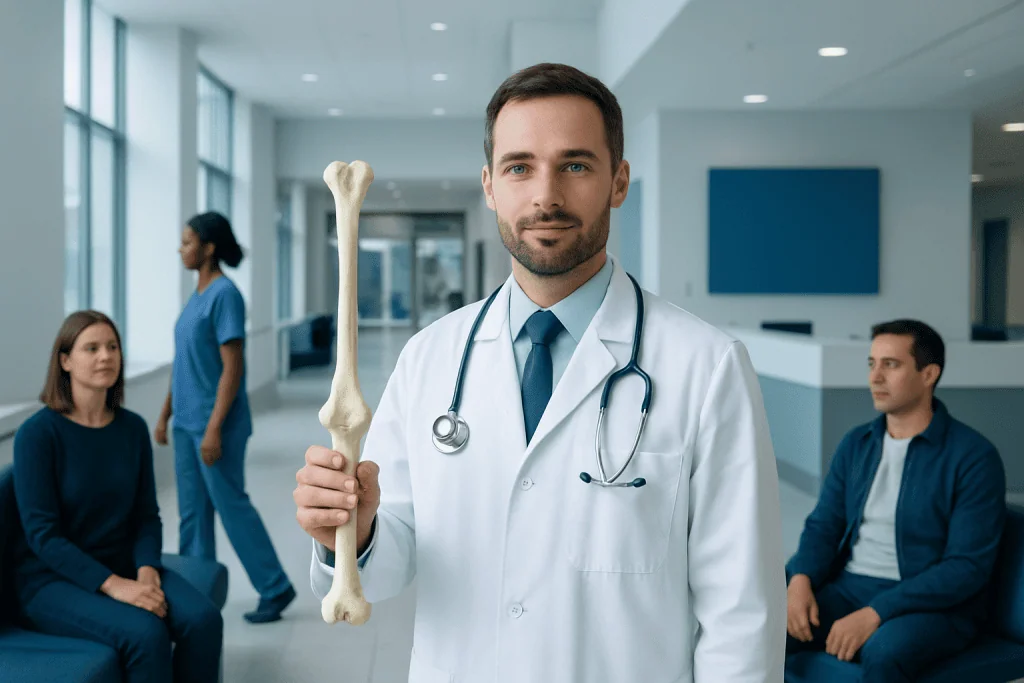
The humerus bone runs from the shoulder to the elbow and is essential for arm movement. Common problems include fractures, dislocation-related injuries, nerve irritation, and overuse pain.
Key Takeaways
- The humerus bone runs from the shoulder to the elbow and is essential for arm movement.
- Common problems include fractures, dislocation-related injuries, nerve irritation, and overuse pain.
- Symptoms such as pain, swelling, bruising, deformity, or trouble moving the arm need medical assessment.
- Many humerus injuries heal with immobilization and rehabilitation, while some require surgery.
- Early diagnosis helps protect nearby nerves, blood vessels, and joint function.
- Recovery depends on the location of the injury, age, bone health, and following the treatment plan.
The humerus bone is the long bone of the upper arm that connects the shoulder to the elbow and helps the arm lift, rotate, and bear load. Patients most often need to understand its anatomy, common injuries, symptoms of a fracture, and how diagnosis and treatment support safe healing.
Overview of the Humerus Bone
The humerus bone is the single long bone in the upper arm. It extends from the shoulder to the elbow, forming part of both joints and serving as an anchor for many muscles that move the arm, forearm, and shoulder blade. In simple terms, it is the main structural support of the upper arm and an important part of everyday actions such as reaching, lifting, pushing, and throwing.
Patients usually hear about the humerus bone after an injury, such as a fall, sports accident, or direct blow. However, the humerus can also be affected by overuse, age-related bone loss, arthritis around nearby joints, and less commonly by infection or tumors. Understanding where the bone sits and how it works can make medical advice easier to follow and recovery less confusing.
The humerus has three main regions: the upper part near the shoulder, the shaft in the middle, and the lower part near the elbow. Different injuries affect these regions in different ways. A fracture near the shoulder may limit lifting the arm, while a shaft fracture may cause instability and bruising, and an injury near the elbow can interfere with bending or straightening the arm.
Anatomy and Why This Bone Matters
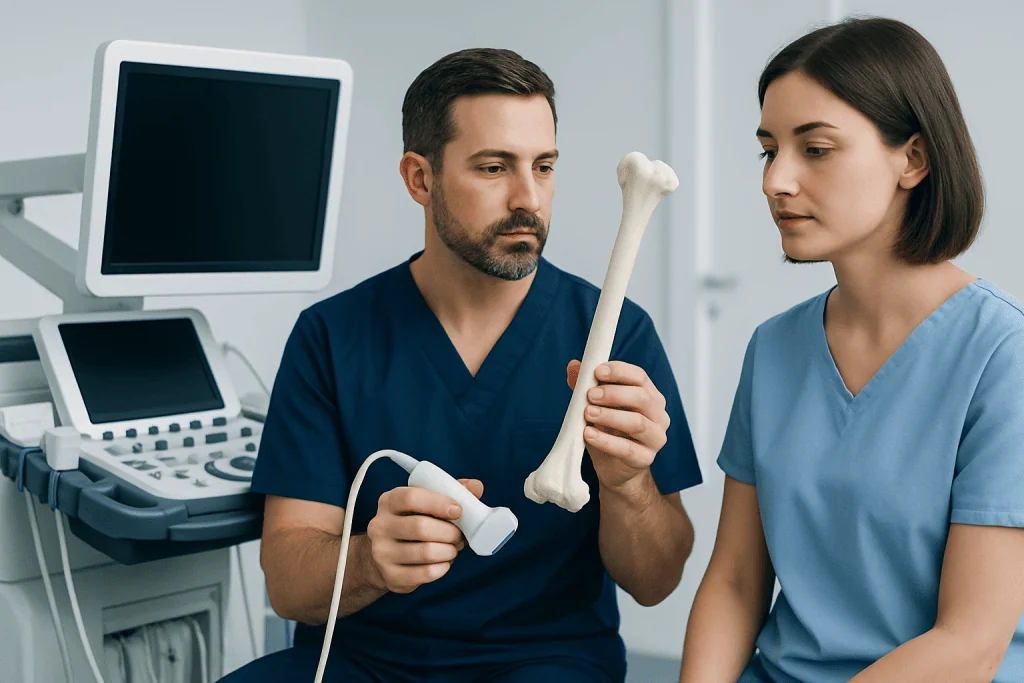
The top of the humerus forms a rounded head that fits into the shoulder socket. This area works with the rotator cuff and surrounding ligaments to allow a wide range of motion. Just below it are bony landmarks where muscles attach, helping the shoulder rotate and stabilize. Because the shoulder is very mobile, injuries in this upper section can affect both strength and range of motion.
The middle portion, called the shaft, is the long cylindrical part of the bone. Important nerves and blood vessels pass close to it, especially the radial nerve, which helps control wrist and finger extension and provides sensation to part of the hand. This is one reason a humerus shaft injury needs careful examination, even when the fracture itself appears straightforward.
The lower end of the humerus meets the bones of the forearm to form the elbow joint. This region supports bending and straightening and helps guide forearm rotation. Injuries here may be more complex because they can involve the joint surface, making precise diagnosis and treatment especially important for preserving motion.
- Supports the shoulder and elbow joints
- Provides attachment points for major arm and shoulder muscles
- Protects nearby nerves and blood vessels
- Helps the arm perform lifting, reaching, and rotational movements
Common Humerus Bone Problems and Symptoms
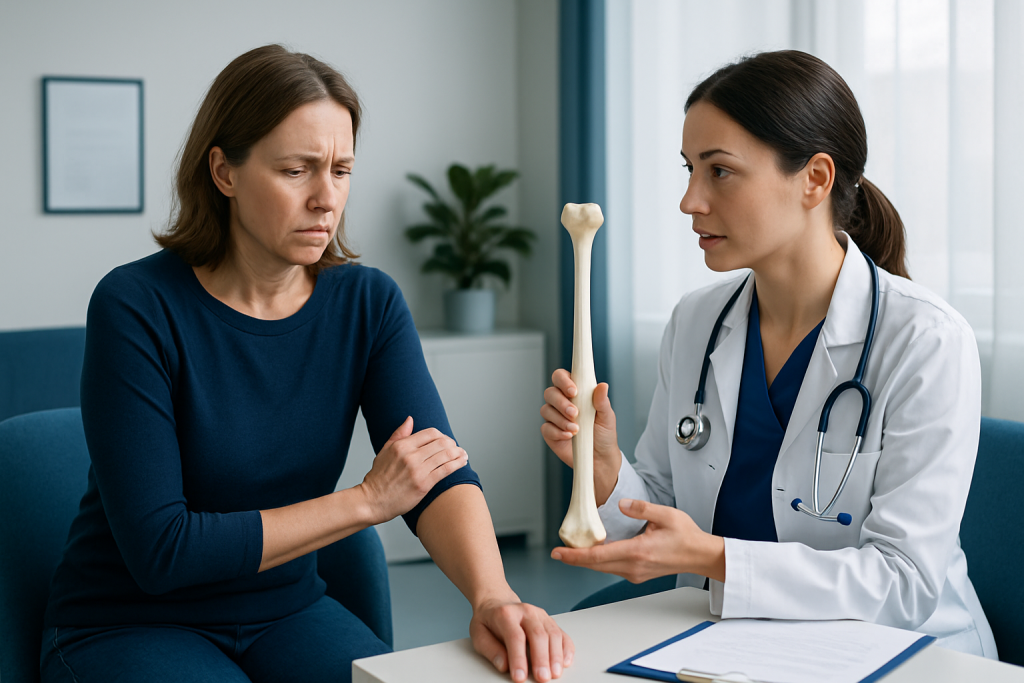
The most common humerus bone problem is a fracture. Fractures may happen in the proximal humerus near the shoulder, in the shaft, or near the elbow. Symptoms often include sudden pain, swelling, bruising, reduced movement, and tenderness. In some cases, the arm may look deformed or feel unstable. A person may also avoid using the arm because movement becomes too painful.
Not all humerus problems are complete breaks. Some patients develop stress injuries, bone bruises, or pain related to nearby joints and soft tissues. Shoulder dislocations may also involve the upper humerus, while elbow trauma can affect the lower end of the bone. Pain may sometimes come from surrounding structures rather than the bone itself, which is why proper assessment matters.
Warning signs of possible nerve or blood vessel involvement include numbness, tingling, weakness in the hand or wrist, unusual paleness, coolness of the limb, or a weak pulse. These symptoms need prompt medical attention. In some patients, a humerus injury may occur together with shoulder pain or problems around the elbow, making the diagnosis more complex.
Children and older adults can present differently. In children, growth plates may be involved, while in older adults even a relatively low-energy fall may cause a fracture because bones are more fragile. Symptoms should not be dismissed simply because the injury seemed minor at the time.
Causes and Risk Factors
Falls are one of the leading causes of humerus bone injuries, especially in older adults. A person may fall onto an outstretched hand, directly onto the shoulder, or against the side of the arm. Sports injuries, road traffic accidents, and workplace trauma are also important causes. In younger adults, high-energy injuries are more common, while in older adults, balance problems and reduced bone density often contribute.
Osteoporosis is a major risk factor for fractures of the humerus, particularly near the shoulder. Weakened bone breaks more easily, sometimes after an apparently simple fall. Other risk factors include certain medications that affect bone strength, poor nutrition, smoking, limited physical activity, and medical conditions that interfere with bone metabolism.
Less commonly, the humerus may fracture because the bone has been weakened by another condition, known as a pathologic fracture. Infection, benign bone cysts, or cancer affecting the bone can increase fracture risk. In this setting, a doctor may investigate not only the break itself but also the health of the bone tissue. Related concerns can overlap with osteoporosis or other underlying bone disorders.
How Doctors Diagnose a Humerus Injury
Diagnosis begins with a medical history and physical examination. The doctor asks how the injury happened, where the pain is located, whether there was a snapping sensation, and whether the patient has numbness or weakness. The arm is checked for swelling, bruising, deformity, tenderness, and range of motion. Just as importantly, the doctor examines circulation and nerve function below the injury.
X-rays are usually the first imaging test. They help confirm whether the humerus bone is broken, show where the fracture is located, and indicate whether the bone pieces have shifted. If the fracture extends into a joint or appears more complex, a CT scan may provide more detail. MRI is sometimes used when soft tissues, hidden fractures, or associated shoulder injuries are suspected.
Diagnosis is not only about finding a break. Doctors also assess whether the shoulder or elbow joint is involved, whether there is a dislocation, and whether nearby tendons have been damaged. In selected cases, patients may need advanced imaging or specialist evaluation in orthopedics and imaging services such as MRI scanning or CT imaging.
If the injury pattern suggests weak bone, additional tests may be recommended to evaluate bone health. This is especially relevant after low-impact fractures in midlife or later life, when preventing future fractures becomes part of the overall care plan.
Treatment Options and Recovery
Treatment depends on the location of the injury, whether the fracture is stable, whether the joint surface is involved, and the patient’s overall health and activity needs. Many humerus bone fractures can be treated without surgery using a sling, brace, or splint to support healing while pain gradually improves. Follow-up imaging may be used to make sure the bone remains in a good position as it heals.
Pain management, rest, and carefully timed movement are all part of treatment. Prolonged immobilization can lead to stiffness, particularly around the shoulder and elbow, so doctors often recommend early guided exercises when it is safe to begin. Physical therapy can help restore motion, strength, and confidence in using the arm again. In some cases, care includes physical therapy and rehabilitation to support recovery.
Surgery may be recommended if the fracture is significantly displaced, unstable, open, associated with nerve or vessel injury, or involves the joint in a way that could affect long-term function. Surgical treatment may use plates, screws, rods, or joint-focused procedures, depending on the fracture pattern. Patients with severe shoulder-end injuries may also be assessed in relation to shoulder surgery options when non-surgical care is unlikely to provide the best result.
Healing time varies. Age, bone quality, smoking status, diabetes, nutrition, and adherence to the treatment plan all influence recovery. Most patients improve steadily, but it can take time to regain full strength and flexibility. Attending follow-up visits is important so that delayed healing, stiffness, or nerve symptoms can be recognized early.
Prevention, Bone Health, and Self-care
Not every humerus injury can be prevented, but several practical steps lower risk. Fall prevention is especially important for older adults. Good lighting, secure rugs, handrails, well-fitting shoes, and regular vision checks can reduce the chance of injury at home. Exercise programs that improve strength and balance can also help protect against falls.
Bone health matters at every age. Adequate calcium and vitamin D intake, weight-bearing exercise, avoiding smoking, and limiting excessive alcohol use support stronger bones. Patients who have had a low-impact fracture may benefit from evaluation for bone loss and long-term prevention planning.
During recovery, self-care should follow medical guidance. This usually includes protecting the arm from re-injury, using the sling or brace as instructed, managing swelling, and performing only the recommended exercises. Patients should avoid returning to sports, driving, or heavy lifting too early, because these can delay healing or shift the fracture.
For international patients, coordinated orthopedic, imaging, and rehabilitation services can simplify care. Near the end of the treatment journey, some patients seek specialist follow-up through Acibadem International, where multidisciplinary teams in JCI-accredited hospitals diagnose and treat humerus bone injuries and related shoulder or elbow conditions.
When to Seek Medical Care
Medical care is recommended after any significant upper arm injury that causes persistent pain, swelling, bruising, or difficulty moving the shoulder or elbow. Even if the arm can still move, a fracture or joint injury may still be present. Prompt evaluation helps reduce the risk of poor healing, stiffness, or missed nerve damage.
Urgent care is especially important if there is visible deformity, severe pain, an open wound, numbness, tingling, weakness in the hand or wrist, or changes in skin color or temperature below the injury. These signs may indicate a more serious fracture or circulation problem that needs immediate attention.
Patients should also seek review if pain continues to worsen over days, if they cannot perform normal daily activities, or if recovery is slower than expected. New symptoms after treatment, such as increasing swelling, fever, or sudden loss of movement, also warrant medical advice. A qualified doctor can confirm the diagnosis and recommend the safest next steps.
Frequently asked questions
What is the humerus bone?
The humerus bone is the long bone of the upper arm. It connects the shoulder to the elbow and helps the arm move in many directions.
How do I know if my humerus bone may be broken?
Common signs include pain, swelling, bruising, tenderness, and difficulty moving the arm. A visible change in shape or a feeling of instability makes a fracture more likely, but an X-ray is usually needed to confirm it.
Can a humerus fracture heal without surgery?
Yes, many humerus fractures heal well without surgery, especially if the bone remains in a good position. Treatment may involve a sling or brace, close follow-up, and rehabilitation exercises.
How long does a humerus bone take to heal?
Healing time varies depending on the location and severity of the injury, age, and general bone health. Pain often improves earlier, but full recovery of strength and motion may take longer than bone healing alone.
Why do doctors check nerves after a humerus injury?
Important nerves run close to the humerus, especially along the shaft of the bone. An injury can sometimes affect sensation or muscle control in the forearm, wrist, or hand, so checking nerve function is an essential part of assessment.
Does a fall from standing height always mean a minor injury?
No, especially in older adults, a simple fall can still cause a significant fracture. Weaker bones due to osteoporosis or other conditions can make low-impact injuries more serious than they first appear.
References
- American Academy of Orthopaedic Surgeons
- National Institute of Arthritis and Musculoskeletal and Skin Diseases
- MedlinePlus
- Mayo Clinic
- National Health Service
This article is for general information only and is not a substitute for professional medical advice. Please consult a qualified doctor about your individual situation.
Joint and spine care in Turkey — expert assessment & treatment
JCI-accredited · board-certified surgeons · reply within 24h
Add us as a Preferred Source to see more of our trusted health content across Google Search, AI Overviews and Discover.