Seizure: An Evidence-Based Guide for Patients

A seizure can affect awareness, movement, behavior, sensation, or emotions in different ways. Not every seizure means a person has epilepsy; some happen in response to a temporary medical problem.
Key Takeaways
- A seizure can affect awareness, movement, behavior, sensation, or emotions in different ways.
- Not every seizure means a person has epilepsy; some happen in response to a temporary medical problem.
- Diagnosis often includes a medical history, neurological exam, blood tests, brain imaging, and an EEG.
- Treatment depends on the cause and may include medicines, trigger management, or specialist care.
- Emergency care is important if a seizure lasts longer than 5 minutes, repeats without recovery, or happens with injury, pregnancy, or breathing trouble.
A seizure is a sudden change in brain activity that may cause shaking, staring, confusion, unusual sensations, or loss of awareness. Some seizures are linked to epilepsy, but a single seizure can also happen because of fever, injury, low blood sugar, infection, or other temporary triggers.
What a seizure is and what it can look like
A seizure is a sudden burst of abnormal electrical activity in the brain. It can briefly change how a person moves, feels, behaves, speaks, or experiences awareness. Some seizures involve visible shaking, while others may look like staring, confusion, repeated lip-smacking, sudden falls, or a short period of unresponsiveness.
Seizures are a symptom, not a diagnosis by themselves. A person may have a seizure because of a high fever, head injury, alcohol withdrawal, low blood sugar, infection, stroke, medication effects, or another medical condition. Epilepsy is a separate diagnosis used when there is an ongoing tendency to have unprovoked seizures.
Many people think every seizure causes full-body convulsions, but that is not always true. Seizures can start in one area of the brain or affect both sides from the beginning. The symptoms depend on where the abnormal activity begins and how far it spreads.
Although seizures can be frightening to witness, many are brief and stop on their own. A careful medical evaluation helps identify the likely cause and guides the safest next steps.
Common seizure symptoms
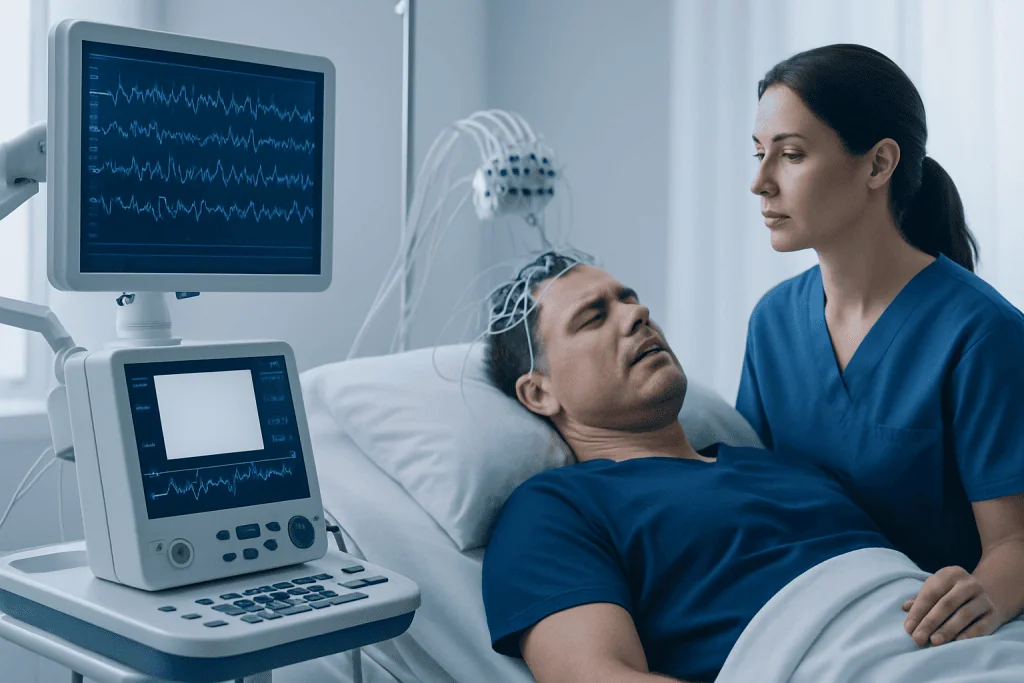
Seizure symptoms vary widely from person to person. Some people remain awake and aware, while others become confused or lose consciousness. There may be unusual sensations before the event, such as a rising feeling in the stomach, a sudden sense of fear, a strange smell or taste, tingling, or visual changes.
During a seizure, a person may have stiffening, jerking, twitching of one arm or one side of the face, blank staring, repeated swallowing, chewing motions, sudden pauses in activity, or loss of muscle tone with collapse. Afterward, there may be sleepiness, headache, confusion, sore muscles, or trouble speaking for a short time.
- Sudden staring or unresponsiveness
- Rhythmic jerking or body stiffening
- Confusion, disorientation, or memory gaps
- Temporary loss of awareness
- Unusual sensations, smells, tastes, or emotions
- Sudden falls or loss of muscle tone
Because symptoms can be subtle, it is not always obvious that an episode was a seizure. A witness description or phone video can be very helpful for the doctor, especially when the person does not remember the event.
Why seizures happen: causes and risk factors

Seizures happen when brain cells send abnormal signals in a way that temporarily disrupts normal function. The reason can be structural, metabolic, infectious, genetic, immune-related, or sometimes unclear even after testing. In some people, one isolated trigger is found; in others, repeated unprovoked seizures suggest epilepsy.
Common causes and triggers include fever in young children, head trauma, stroke, brain tumors, low blood sugar, low sodium, sleep deprivation, alcohol or drug use, alcohol withdrawal, central nervous system infections, and certain medicines. Seizures can also occur around the time of severe illness or after reduced oxygen to the brain.
Risk factors vary by age. In infants and children, fever, developmental conditions, and birth-related brain injury may play a role. In adults, head injury, vascular disease, infections, and substance-related causes are more common. In older adults, strokes and neurodegenerative conditions become more important causes.
Sometimes events that look like seizures are caused by other conditions, such as fainting, migraine, sleep disorders, movement disorders, panic attacks, or psychogenic nonepileptic events. This is one reason a structured medical evaluation is important rather than assuming the cause from appearance alone.
How doctors diagnose a seizure
Diagnosis begins with a careful description of what happened before, during, and after the event. The doctor will ask about recent illness, fever, head injury, medication changes, substance use, sleep loss, family history, and whether there were previous episodes. A neurological examination helps check brain and nerve function.
Tests may include blood work to look for metabolic causes such as low glucose, electrolyte imbalances, infection, or organ problems. Brain imaging may be needed to look for bleeding, injury, stroke, tumor, or other structural changes. In urgent settings, a CT scan may be done quickly; later, MRI often provides more detailed information.
An electroencephalogram, or EEG, records the brain’s electrical activity and can show patterns that support a seizure diagnosis. However, a normal EEG does not completely rule out seizures, so doctors interpret it together with the history and examination.
In some cases, the care team may suggest longer-term monitoring, sleep-deprived EEG testing, or referral to neurology. If another condition is suspected, additional testing may help distinguish seizures from fainting, sleep events, or other neurological symptoms.
Treatment options and longer-term management
Treatment depends on the cause, the type of seizure, and whether the event is likely to happen again. If a reversible trigger is found, such as low blood sugar, infection, or a medicine-related problem, treatment focuses on correcting that cause. Not every person who has one seizure will need long-term anti-seizure medicine.
When seizures are recurrent or the risk of recurrence is high, doctors may prescribe anti-seizure medications. The choice of medicine depends on seizure type, age, other health conditions, potential side effects, and pregnancy considerations. Regular follow-up is important to monitor seizure control and medication tolerance.
Some people need additional evaluation if seizures continue despite medicine. Depending on the underlying condition, specialists may consider advanced approaches such as epilepsy surgery or device-based treatments in carefully selected patients. If a structural brain problem is present, treatment may also involve neurosurgery or other targeted care.
Supportive management matters too. Good sleep, avoiding alcohol excess, taking medicines exactly as prescribed, and identifying personal triggers can reduce risk. People who have recurrent seizures may also need guidance about driving, swimming, heights, and workplace safety based on local regulations and their doctor’s advice.
What to do during a seizure and self-care afterward
If someone is having a seizure, the immediate goal is safety. Nearby objects should be moved away, tight clothing around the neck loosened, and the person gently turned onto one side if possible once the jerking allows. The time should be noted, because the duration can guide emergency decisions.
It is important not to hold the person down and not to put anything in the mouth. Contrary to common myths, a person cannot swallow the tongue. After the seizure, staying with the person, speaking calmly, and allowing rest can help during the recovery period.
After a seizure, the person may feel tired, embarrassed, confused, or have a headache or sore muscles. They should avoid driving, swimming alone, bathing unsupervised, climbing ladders, or operating machinery until they have spoken with a qualified doctor and understand the safety recommendations that apply to them.
Keeping a seizure diary can be useful. Recording the date, time, possible triggers, symptoms, duration, recovery time, and any medication changes may help doctors identify patterns and choose the most appropriate treatment plan.
When to seek medical care
Medical evaluation is important after a first seizure, even if the person seems fully recovered. Prompt assessment helps identify treatable causes and reduce the risk of future events. This is especially important if the seizure happened during pregnancy, after a head injury, during an infection, or in someone with diabetes, cancer, or known neurological disease.
Emergency care is needed if a seizure lasts more than 5 minutes, another seizure starts before full recovery, breathing is difficult, serious injury occurs, or the person does not wake up as expected afterward. Emergency help is also needed if the seizure happens in water or if it is the person’s first known seizure.
People with repeated seizures, changing symptoms, worsening recovery, or concerns about medicines should arrange follow-up with a doctor, often a neurologist. In complex cases, multidisciplinary assessment can help clarify the diagnosis and treatment plan. Acibadem International’s multidisciplinary specialists and JCI-accredited hospitals diagnose and treat seizure disorders for international patients when specialist evaluation is needed.
When seizures are related to an underlying neurological condition, doctors may also investigate problems such as brain tumor or other structural causes. Early evaluation can support safer, more personalized care and help patients understand what to expect next.
Frequently asked questions
Is a seizure the same as epilepsy?
No. A seizure is an event caused by abnormal brain activity, while epilepsy is a condition marked by a tendency to have recurrent unprovoked seizures. A person can have one seizure without having epilepsy.
Can a person have a seizure without shaking?
Yes. Some seizures cause staring, confusion, unusual sensations, speech arrest, or repetitive movements rather than full-body convulsions. This is why seizures are sometimes missed or mistaken for another problem.
What should someone do if they witness a seizure?
They should help protect the person from injury, move dangerous objects away, and time the seizure. They should not put anything in the person's mouth or try to restrain them, and they should call emergency services if the seizure lasts more than 5 minutes or repeats without recovery.
What can trigger a seizure?
Possible triggers include sleep deprivation, alcohol withdrawal, low blood sugar, fever, infection, certain medicines, and head injury. In some people, no clear immediate trigger is found, which is why medical assessment is important.
Does one seizure always require medication?
Not always. Treatment depends on the cause of the seizure and the estimated risk that another seizure will occur. Some people need only treatment of the underlying cause, while others benefit from anti-seizure medicines.
How is a seizure diagnosed?
Doctors usually combine the medical history, witness reports, and a neurological exam with tests such as blood work, brain imaging, and an EEG. Sometimes longer monitoring or specialist review is needed to confirm the diagnosis.
References
- World Health Organization
- National Institute of Neurological Disorders and Stroke
- International League Against Epilepsy
- Centers for Disease Control and Prevention
- American Academy of Neurology
This article is for general information only and is not a substitute for professional medical advice. Please consult a qualified doctor about your individual situation.
Explore treatments in Turkey — costs, top hospitals & a free quote
JCI-accredited · board-certified surgeons · reply within 24h
Add us as a Preferred Source to see more of our trusted health content across Google Search, AI Overviews and Discover.