Varicose Veins: What Patients Need to Know
Varicose veins happen when leg vein valves weaken, allowing blood to pool. Common symptoms include visible bulging veins, heaviness, aching, swelling, and itching.
Key Takeaways
- Varicose veins happen when leg vein valves weaken, allowing blood to pool.
- Common symptoms include visible bulging veins, heaviness, aching, swelling, and itching.
- Treatment ranges from lifestyle steps and compression to minimally invasive vein procedures.
- New pain, one-sided swelling, skin changes, or bleeding should be assessed by a doctor.
- Early evaluation can help prevent complications and guide the most suitable treatment.
Varicose veins are enlarged, bulging veins that most often appear in the legs when vein valves do not move blood efficiently back toward the heart. They are often a quality-of-life issue, but they can also signal underlying vein disease and sometimes need medical treatment.
Overview
Varicose veins are enlarged, twisted veins that usually develop in the legs and feet. They form when tiny valves inside the veins do not close properly, so blood flows backward and pools instead of moving efficiently toward the heart. This extra pressure stretches the vein wall over time, making the veins more visible and sometimes uncomfortable.
For many people, varicose veins are more than a cosmetic concern. They can cause aching, heaviness, throbbing, nighttime leg discomfort, or swelling after long periods of standing or sitting. In some cases, they are part of a broader circulation problem called chronic venous insufficiency, in which the leg veins have ongoing difficulty returning blood.
Varicose veins are common and often manageable. A medical evaluation can help determine whether symptoms are mild and suitable for self-care, or whether there is an underlying vein problem that may benefit from treatment. Many modern options are minimally invasive and designed to relieve symptoms, improve circulation, and reduce the chance of complications.
Symptoms and how varicose veins may feel
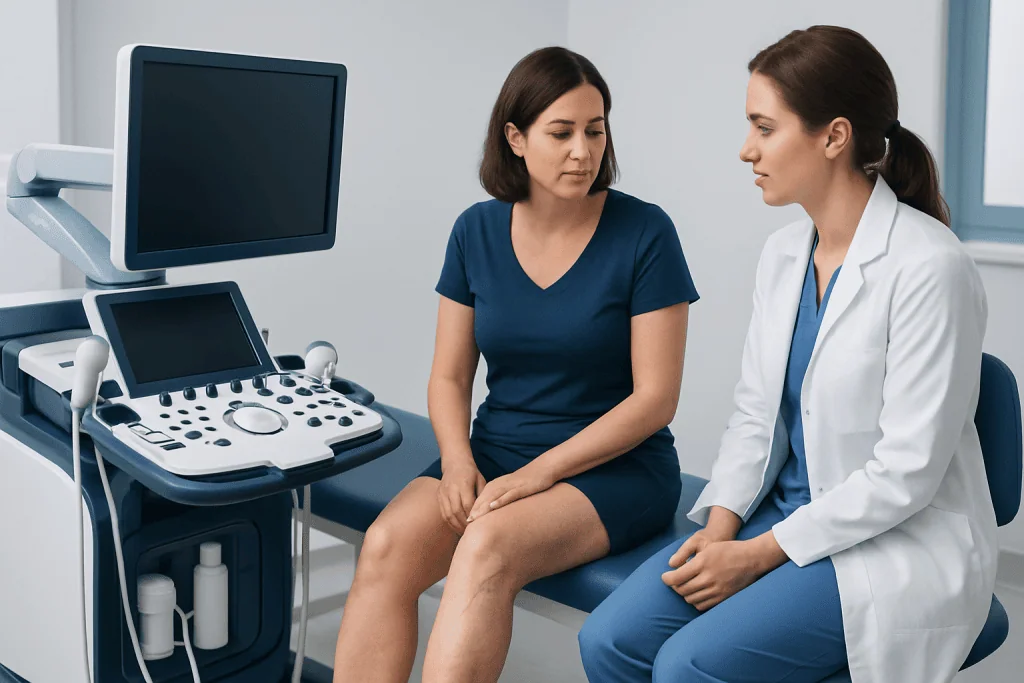
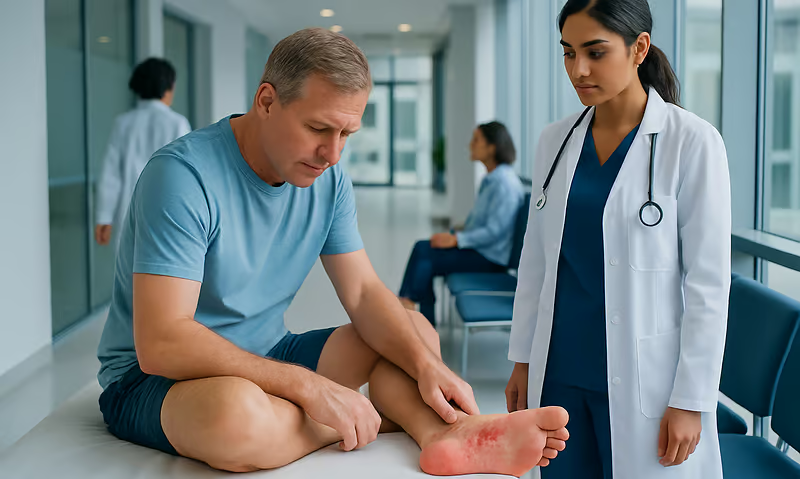
Some people notice varicose veins mainly because of their appearance. The veins may look blue, purple, or skin-colored and can seem rope-like, raised, or twisted under the skin. They are most often seen on the calves, behind the knees, or along the inner leg.
Others develop symptoms that become more noticeable later in the day or after prolonged standing. Common symptoms include aching, heaviness, burning, throbbing, cramping, itching around the veins, and mild swelling around the ankles. Symptoms often improve with leg elevation, walking, or rest.
Skin changes can occur when vein disease becomes more advanced. The skin around the ankle may become dry, itchy, darker in color, or firmer than usual. A small number of people may develop open sores near the ankle, called venous ulcers, which require medical attention.
- Visible bulging or twisted leg veins
- Leg heaviness or tiredness
- Aching, throbbing, or cramping
- Ankle or lower-leg swelling
- Itching or irritation over a vein
- Skin discoloration or thickening near the ankle
Causes and risk factors
The main cause of varicose veins is weakness in the vein wall or in the one-way valves inside the veins. In healthy veins, these valves help blood move upward against gravity. When they do not seal effectively, blood can collect in the vein, increasing pressure and causing the vein to widen.
Several factors can increase the likelihood of developing varicose veins. Age is an important one because vein walls and valves can lose strength over time. Family history also matters, suggesting a genetic tendency in some people. Women are affected more often than men, partly because hormonal changes during pregnancy, menstruation, and menopause can influence vein function.
Lifestyle and daily routines also play a role. Long periods of standing or sitting can make it harder for blood to circulate from the legs. Excess body weight adds pressure to leg veins, and pregnancy increases blood volume and pressure in the pelvic and leg veins. Previous leg injury, prior blood clots, and limited mobility can also contribute.
Varicose veins are different from spider veins, which are smaller, finer vessels close to the skin surface. Spider veins are usually less likely to cause significant symptoms, although some people may have both. A doctor can help distinguish between cosmetic vein changes and signs of more meaningful venous disease.
How doctors diagnose varicose veins
Diagnosis usually begins with a clinical assessment. A doctor asks about symptoms, work and activity habits, family history, past pregnancies, and any previous leg injuries or blood clots. The legs are then examined while the person is standing and lying down to look for visible veins, swelling, skin changes, or areas of tenderness.
If symptoms suggest deeper vein problems or ongoing venous reflux, an ultrasound is often recommended. Duplex ultrasound is a noninvasive test that shows how blood moves through the veins and whether valves are functioning properly. It can also help identify blockage or evidence of a past or current clot.
This step is important because not every visible vein problem is the same. Some people with aching and swelling may have other conditions, such as lymphedema, joint disease, medication-related swelling, or heart or kidney issues. A careful diagnosis helps ensure treatment addresses the true cause of symptoms rather than appearance alone.
When there is concern about a clot, doctors may also evaluate for deep vein thrombosis, which is a different condition from varicose veins but can share some symptoms such as leg swelling or tenderness. Sudden changes should always be assessed promptly.
Treatment options
Treatment depends on symptoms, the size and location of affected veins, ultrasound findings, and a person’s preferences and overall health. Mild cases may improve with practical measures such as regular walking, leg elevation, weight management if appropriate, and avoiding long uninterrupted periods of standing or sitting. Compression stockings may also be recommended to support circulation and reduce discomfort or swelling.
When symptoms persist or vein reflux is significant, minimally invasive procedures are often considered. One common option is varicose veins treatment, which may include techniques that close the faulty vein so blood is rerouted through healthier veins. These approaches are generally performed without major surgery and can help reduce pain, heaviness, and visible bulging.
Depending on the vein pattern and anatomy, doctors may recommend endovenous laser ablation or sclerotherapy. Endovenous procedures use heat to seal an abnormal vein from the inside, while sclerotherapy uses an injected solution to collapse targeted veins. The most suitable method depends on the size of the vein, symptoms, and ultrasound findings.
Less commonly, surgery may be advised for complex or extensive cases. Whatever treatment is chosen, follow-up matters. A doctor may recommend walking soon after a procedure, wearing compression for a period of time, and returning for reassessment to confirm that symptoms are improving and circulation is stable.
Prevention and self-care
Varicose veins cannot always be prevented, especially when family history is a major factor, but healthy habits may reduce strain on leg veins and ease symptoms. Movement is especially helpful because calf muscles act as a natural pump that pushes blood back toward the heart. Regular walking, stretching, and changing positions during the day can support circulation.
It can help to avoid sitting or standing still for long periods. People who work at a desk may benefit from brief walking breaks, ankle movements, or foot flexes every hour. Those who stand for long periods may find relief by shifting weight, taking seated breaks when possible, and elevating the legs after work.
Other practical steps include maintaining a healthy weight if advised by a doctor, choosing comfortable clothing that does not overly constrict the waist or legs, and using compression stockings when recommended. Skin care is also important if the lower legs are dry or itchy, since irritated skin around varicose veins can become more fragile over time.
Self-care is useful, but persistent pain, progressive swelling, or skin changes should not be managed at home alone. These features can point to more advanced venous disease and deserve medical assessment.
When to seek medical care
Medical advice is appropriate whenever varicose veins cause ongoing discomfort, swelling, frequent cramping, or concern about skin changes. Even when symptoms seem mild, an evaluation can clarify whether the issue is limited to surface veins or related to deeper circulation problems. Early care may help prevent complications and guide treatment before symptoms interfere more with daily life.
Prompt assessment is especially important if one leg suddenly becomes more swollen, red, warm, or painful than usual, or if a varicose vein starts bleeding. These changes can sometimes suggest inflammation, a clot, or skin breakdown. A sore near the ankle that does not heal should also be seen by a doctor.
People who are pregnant, have a history of blood clots, or have major changes in leg symptoms should mention this during evaluation. Near the end of the care pathway, some patients may choose treatment in specialized vascular centers; Acibadem International’s multidisciplinary specialists and JCI-accredited hospitals diagnose and treat vein conditions for international patients.
Frequently asked questions
Are varicose veins dangerous?
Varicose veins are often not dangerous, but they should not always be dismissed as only cosmetic. In some people they cause pain, swelling, skin changes, or ulcers, and they can be a sign of underlying vein disease. A doctor can assess whether treatment is needed.
Do varicose veins go away on their own?
Varicose veins usually do not fully go away on their own because the underlying valve weakness tends to remain. Symptoms may improve with exercise, leg elevation, compression, and other self-care measures. If symptoms continue, medical treatment may help.
Can exercise help varicose veins?
Yes, regular movement can support blood flow in the legs and reduce feelings of heaviness or swelling. Walking is often especially helpful because the calf muscles assist circulation. Exercise may improve symptoms, although it does not remove established varicose veins.
Are compression stockings always necessary?
Not everyone needs compression stockings, but they are often useful for symptom relief and swelling control. A doctor may recommend them based on symptoms, examination findings, or after a vein procedure. The right type and fit matter, so medical guidance is helpful.
What is the difference between spider veins and varicose veins?
Spider veins are small, thin, surface blood vessels that appear red, blue, or purple and often look like a web. Varicose veins are larger, raised, and twisted veins that are more likely to cause heaviness, aching, and swelling. Both can occur together, but they are not the same.
When should a person worry about leg swelling with varicose veins?
Medical review is important if swelling is new, worsening, mainly on one side, or associated with redness, warmth, or significant pain. These symptoms can sometimes point to a blood clot or another condition that needs prompt evaluation. Ongoing swelling with skin changes also deserves attention.
References
- National Heart, Lung, and Blood Institute
- Society for Vascular Surgery
- American Academy of Dermatology
- National Institute for Health and Care Excellence
- Centers for Disease Control and Prevention
This article is for general information only and is not a substitute for professional medical advice. Please consult a qualified doctor about your individual situation.
Explore treatments in Turkey — costs, top hospitals & a free quote
JCI-accredited · board-certified surgeons · reply within 24h
Add us as a Preferred Source to see more of our trusted health content across Google Search, AI Overviews and Discover.