Ischemia: Diagnosis, Outlook, and Modern Treatment Approaches

Ischemia is not a single disease but a problem of reduced blood flow that can affect the heart, brain, intestines, kidneys, or limbs. Symptoms depend on the area involved and may include chest pain, sudden weakness, leg pain with walking, severe abdominal pain, or cold, pale limbs.
Key Takeaways
- Ischemia is not a single disease but a problem of reduced blood flow that can affect the heart, brain, intestines, kidneys, or limbs.
- Symptoms depend on the area involved and may include chest pain, sudden weakness, leg pain with walking, severe abdominal pain, or cold, pale limbs.
- Doctors diagnose ischemia with a combination of medical history, examination, blood tests, heart testing, ultrasound, CT, MRI, or angiography.
- Treatment may involve urgent care, medicines, lifestyle changes, and procedures to reopen or bypass blocked blood vessels.
- Outlook is often better when ischemia is recognized early and underlying risk factors such as smoking, diabetes, high blood pressure, and high cholesterol are treated.
Ischemia means reduced blood flow to part of the body, which limits oxygen delivery and can injure tissue if not treated promptly. Diagnosis focuses on finding where blood flow is reduced and why, while treatment aims to restore circulation, relieve symptoms, and lower the risk of lasting damage.
Overview: what ischemia means
Ischemia is reduced blood flow to a tissue or organ. Because blood carries oxygen and nutrients, too little blood flow can quickly affect how that part of the body works. If the reduction is brief, symptoms may improve once circulation returns. If it lasts longer, tissue can become permanently damaged.
People often hear the term in relation to the heart or brain, but ischemia can happen almost anywhere. It may affect the heart muscle, the brain, the legs, the intestines, the kidneys, or other organs. The effects depend on which tissue is involved and how suddenly the blood supply falls.
In many cases, ischemia happens because arteries become narrowed or blocked by atherosclerosis, a buildup of fatty deposits in blood vessel walls. It can also occur from a blood clot, a sudden vessel spasm, very low blood pressure, or pressure on a blood vessel. Understanding the cause is an important part of treatment.
Although the word can sound alarming, not every case has the same urgency. Some forms are a medical emergency, while others develop gradually and can be managed over time. Early assessment helps doctors decide how quickly circulation needs to be restored and how best to prevent recurrence.
Symptoms of ischemia by body area
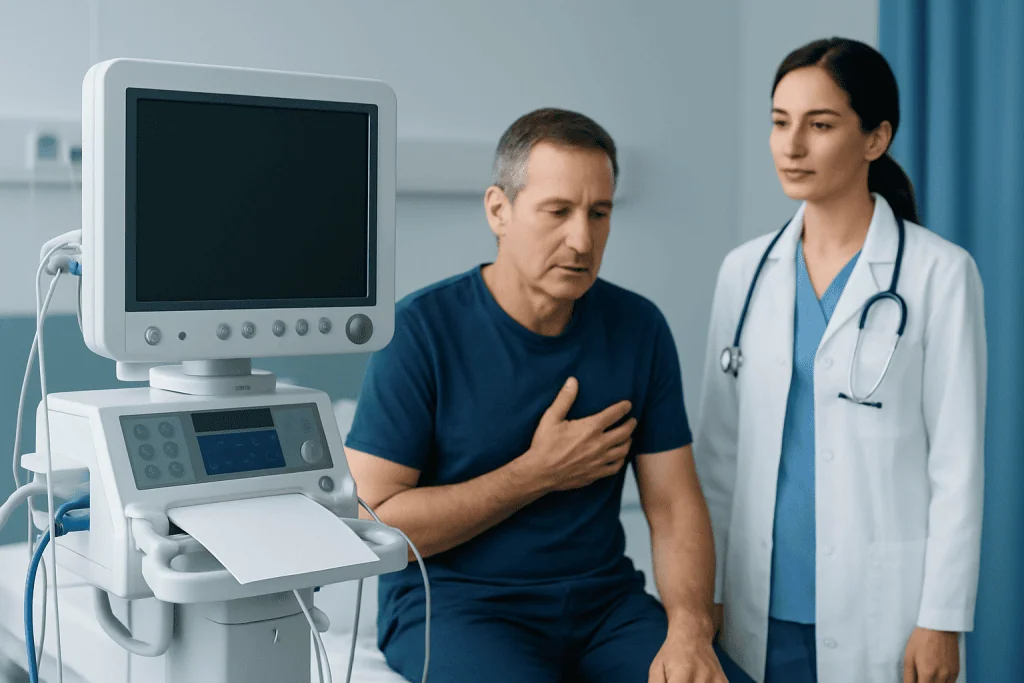
Symptoms vary widely depending on the location. Heart ischemia may cause chest pressure, tightness, shortness of breath, fatigue with activity, or pain that spreads to the arm, jaw, back, or upper abdomen. In some people, especially older adults and people with diabetes, symptoms may be mild or less typical.
Brain ischemia can cause sudden weakness or numbness on one side, difficulty speaking, facial drooping, loss of vision, dizziness, or trouble walking. These symptoms may be brief, as in a transient ischemic attack, or longer lasting, as in a stroke. Sudden neurological symptoms should always be treated as urgent.
Reduced blood flow to the limbs often causes pain, cramping, or heaviness in the legs during walking that improves with rest. More severe limb ischemia may lead to pain at rest, coldness, color change, numbness, slow-healing wounds, or ulcers. Intestinal ischemia may cause severe abdominal pain, especially after eating, bloating, nausea, vomiting, or bloody stool.
Common warning signs can include:
- Chest discomfort or unexplained shortness of breath
- Sudden weakness, confusion, or speech difficulty
- Leg pain with walking or a suddenly cold, pale limb
- Severe abdominal pain out of proportion to the examination
- New sores on the feet or toes that do not heal
Causes and risk factors
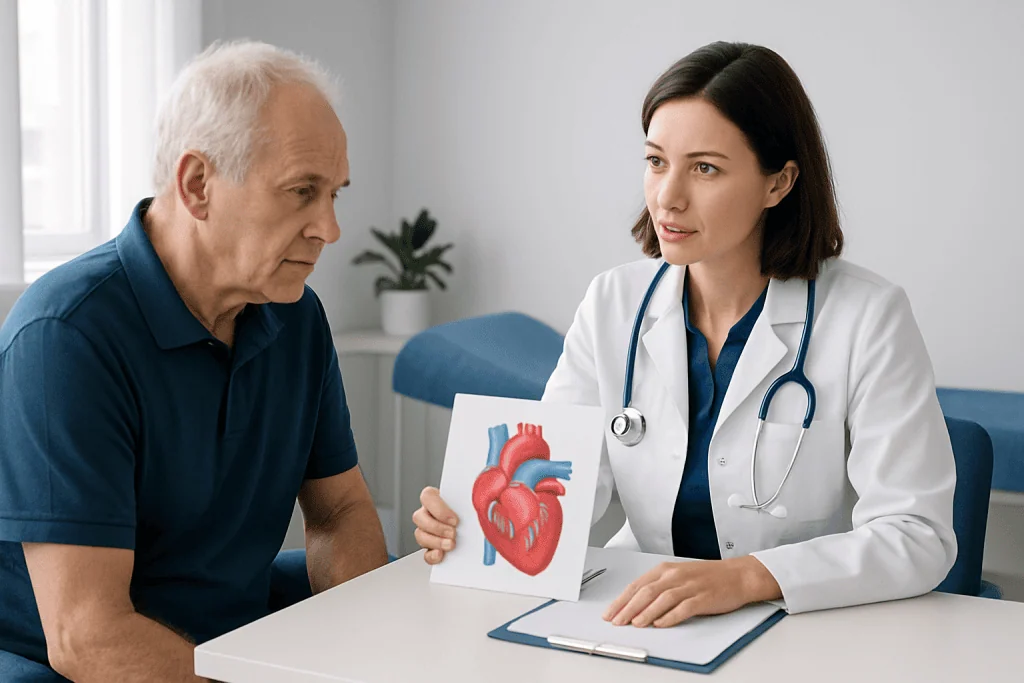
The most common cause of ischemia is atherosclerosis. Over time, cholesterol-rich plaque can narrow arteries and reduce blood flow, especially when the body needs more oxygen during exercise or stress. A plaque can also rupture and trigger a clot that suddenly blocks the vessel.
Other causes include blood clots that travel from elsewhere in the body, blood vessel spasm, injury, inflammation of blood vessels, or external compression on an artery. In some settings, very low blood pressure or severe dehydration can reduce blood flow enough to cause ischemia, particularly in people who already have narrowed arteries.
Several health factors raise the risk. These include smoking, diabetes, high blood pressure, high cholesterol, obesity, chronic kidney disease, sleep apnea, and a family history of vascular disease. Increasing age and a sedentary lifestyle also contribute. Certain irregular heart rhythms, especially atrial fibrillation, can increase the chance of clot-related ischemia in the brain or other organs.
Doctors often look beyond the immediate event to identify the broader vascular pattern. For example, someone with leg ischemia may also have coronary artery disease or carotid artery narrowing. Related vascular conditions may overlap with peripheral artery disease or carotid artery disease, which is why a full cardiovascular evaluation is often helpful.
How ischemia is diagnosed
Diagnosis starts with the story the symptoms tell: when they began, what triggers them, how long they last, and whether they are getting worse. A clinician will examine pulses, blood pressure, heart and lung sounds, skin color and temperature, and any neurological changes. This first step helps identify whether immediate treatment is needed.
Tests depend on the suspected location. For heart ischemia, doctors may use an electrocardiogram, blood tests for heart injury, echocardiography, stress testing, or coronary imaging. For possible brain ischemia, urgent CT or MRI scans are central. For limb ischemia, ankle-brachial index testing, Doppler ultrasound, CT angiography, MR angiography, or catheter angiography may be used.
Blood tests can support the evaluation by checking for anemia, kidney function, clotting problems, cholesterol, diabetes, inflammation, or organ injury. In intestinal or kidney ischemia, imaging and laboratory findings are interpreted together because symptoms can overlap with many other conditions.
The goal is not only to confirm reduced blood flow, but also to define severity, location, and cause. Some people need rapid imaging and intervention, while others benefit from planned outpatient testing. In selected situations, advanced imaging or minimally invasive vessel studies help guide angiography and other circulation-restoring procedures.
Modern treatment approaches
Treatment depends on which organ is affected, how severe the blood flow reduction is, and whether tissue is in immediate danger. In urgent ischemia, the priority is restoring circulation quickly to reduce permanent damage. In more chronic cases, treatment aims to improve symptoms, protect the affected tissue, and lower the risk of future events.
Medical treatment may include antiplatelet medicines, cholesterol-lowering therapy, blood pressure control, diabetes management, and in some cases anticoagulants to reduce clot formation. Pain control, fluids, oxygen support, and careful monitoring may also be needed. Doctors choose treatments individually based on the cause, overall health, and bleeding risk.
When a narrowed or blocked artery needs to be opened, minimally invasive options may be considered. These can include angioplasty and stent placement to widen a vessel and improve blood flow. In some people, surgery is more appropriate, such as coronary artery bypass grafting for severe coronary disease or carotid endarterectomy for selected carotid narrowing.
Treatment plans often involve more than one specialty, especially when ischemia affects complex vascular territories or more than one organ system. Near the end of the care pathway, rehabilitation, medication review, and risk-factor control become just as important as the initial procedure because they help prevent repeat ischemic events.
Outlook and recovery
The outlook for ischemia varies with timing, location, and the person’s general health. Short episodes that are diagnosed early may resolve with little or no lasting harm. By contrast, prolonged or severe ischemia can lead to tissue death, loss of function, or long-term complications if blood flow is not restored in time.
Recovery often depends on both the immediate event and the underlying vascular disease. A person may feel much better after treatment but still need ongoing care for atherosclerosis, diabetes, blood pressure, or cholesterol. Follow-up visits are important because they help monitor healing, adjust medications, and assess whether symptoms are returning.
Many people can improve their outlook with sustained risk reduction. Stopping smoking, staying physically active within medical advice, eating a heart-healthy diet, taking prescribed medicines regularly, and keeping diabetes or blood pressure under control all help protect blood vessels. Rehabilitation or supervised exercise programs can be useful for selected patients, especially after cardiac or limb ischemia.
For international patients who need coordinated evaluation, Acibadem International’s multidisciplinary specialists and JCI-accredited hospitals diagnose and treat ischemia using modern imaging, medical therapy, and interventional or surgical care when needed.
Prevention and self-care
Preventing ischemia usually means protecting blood vessels over time. Not every cause can be prevented, but many major risk factors can be reduced. The most effective long-term steps are avoiding tobacco, managing blood pressure, keeping cholesterol in a healthy range, controlling diabetes, and maintaining a weight that supports cardiovascular health.
Regular activity helps circulation and overall vascular health, though exercise plans should be tailored if symptoms already occur with exertion. A balanced eating pattern rich in vegetables, fruits, whole grains, legumes, and healthy fats can support heart and artery health. Good sleep, stress management, and limiting excess alcohol may also help.
Self-care also includes knowing one’s medicines and taking them exactly as prescribed. People with known vascular disease should understand what symptoms need urgent attention, especially chest pain, stroke-like signs, or sudden limb changes. Keeping routine checkups and lab testing up to date can help catch problems before they become more serious.
People who already have vascular disease may need structured follow-up with cardiology, neurology, vascular surgery, or primary care. Because ischemia can affect more than one body system, continuity of care matters as much as the initial diagnosis.
When to seek medical care
Immediate medical care is important if symptoms suggest sudden loss of blood flow. Emergency evaluation is needed for chest pain or pressure, sudden shortness of breath, new weakness on one side of the body, trouble speaking, sudden vision loss, severe unexplained abdominal pain, or a limb that becomes suddenly cold, pale, painful, or numb.
Prompt but non-emergency medical review is also appropriate for symptoms that come and go, such as leg pain while walking, chest discomfort with exertion, or repeated episodes of dizziness or temporary weakness. These symptoms can be early warning signs of reduced circulation and should not be ignored.
During the visit, the doctor may ask about smoking, family history, heart rhythm problems, medication use, and prior vascular disease. Bringing a list of symptoms, when they started, and any home blood pressure or glucose readings can help make the assessment more efficient and accurate.
If symptoms are new, worsening, or difficult to explain, it is safest to consult a qualified doctor rather than self-diagnose. Early evaluation can make treatment simpler and improve the chance of protecting the affected tissue.
Frequently asked questions
Is ischemia the same as a heart attack or stroke?
No. Ischemia means reduced blood flow, while a heart attack or ischemic stroke is a specific event caused by blood flow loss that injures tissue. Ischemia can be temporary or chronic, but if it becomes severe or prolonged, it can lead to these emergencies.
Can ischemia go away on its own?
Sometimes symptoms improve if blood flow returns, but the underlying cause still needs medical attention. Recurrent or untreated ischemia can lead to more serious damage over time. It is best to have symptoms assessed rather than waiting to see if they pass.
What is the difference between acute and chronic ischemia?
Acute ischemia begins suddenly and may threaten tissue quickly, so it often requires urgent treatment. Chronic ischemia develops gradually, usually because arteries slowly narrow over time. Chronic symptoms may be less dramatic, but they still need evaluation and treatment to prevent progression.
Which tests are most commonly used for ischemia?
The test depends on the affected body area. Common studies include ECG, blood tests, ultrasound, CT, MRI, stress testing, and angiography. Doctors choose the least invasive and most informative test based on symptoms and urgency.
Can young adults develop ischemia?
Yes, although it becomes more common with age. Smoking, diabetes, inherited lipid disorders, blood clotting problems, inflammatory vessel disease, or certain heart rhythm disorders can increase risk in younger people. Evaluation is especially important when symptoms are unexplained or recurrent.
Is lifestyle change enough to treat ischemia?
Lifestyle measures are a core part of treatment, especially for long-term prevention, but they may not be enough on their own. Some people also need medicines or procedures to restore blood flow or prevent clots. The right approach depends on the cause, severity, and organ involved.
References
- World Health Organization
- American Heart Association
- National Heart, Lung, and Blood Institute
- National Institute of Neurological Disorders and Stroke
- Society for Vascular Surgery
This article is for general information only and is not a substitute for professional medical advice. Please consult a qualified doctor about your individual situation.
Explore treatments in Turkey — costs, top hospitals & a free quote
JCI-accredited · board-certified surgeons · reply within 24h
Add us as a Preferred Source to see more of our trusted health content across Google Search, AI Overviews and Discover.
Check your numbers in seconds
BMI, calories, due date, blood pressure and 30+ more clinical calculators — free, instant, doctor-reviewed ranges.