Pancreatic Cancer: Symptoms, Causes, and Treatment Options

Pancreatic cancer may not cause clear symptoms in its early stages. Common warning signs include jaundice, abdominal or back pain, weight loss, and loss of appetite.
Key Takeaways
- Pancreatic cancer may not cause clear symptoms in its early stages.
- Common warning signs include jaundice, abdominal or back pain, weight loss, and loss of appetite.
- Diagnosis usually involves imaging tests, blood tests, and often a biopsy.
- Treatment depends on the stage and may include surgery, chemotherapy, radiation therapy, or supportive care.
- People should seek medical advice for persistent digestive symptoms, unexplained weight loss, or yellowing of the skin or eyes.
Pancreatic cancer is a cancer that begins in the tissues of the pancreas, an organ involved in digestion and blood sugar control. It can be difficult to notice early because symptoms are often mild or nonspecific at first, but prompt medical evaluation can help clarify the cause and guide treatment.
Overview
Pancreatic cancer is a serious disease in which abnormal cells grow uncontrollably in the pancreas. The pancreas sits deep in the upper abdomen behind the stomach and has two main jobs: helping digest food and producing hormones such as insulin to regulate blood sugar. Because of its location and the subtle nature of early symptoms, pancreatic cancer is often diagnosed only after it has started to grow or spread.
Most pancreatic cancers start in the ducts that carry digestive enzymes, a type called pancreatic ductal adenocarcinoma. Less commonly, tumors arise from hormone-producing cells and are known as neuroendocrine tumors. These tumor types can behave differently, so accurate diagnosis is important before treatment planning begins.
A diagnosis of pancreatic cancer can feel overwhelming, but care is individualized. Doctors consider the tumor type, its size and location, whether it can be removed surgically, and the person’s general health. Modern treatment often involves a coordinated plan from specialists in surgery, medical oncology, radiation oncology, gastroenterology, pathology, and nutrition.
How pancreatic cancer may appear
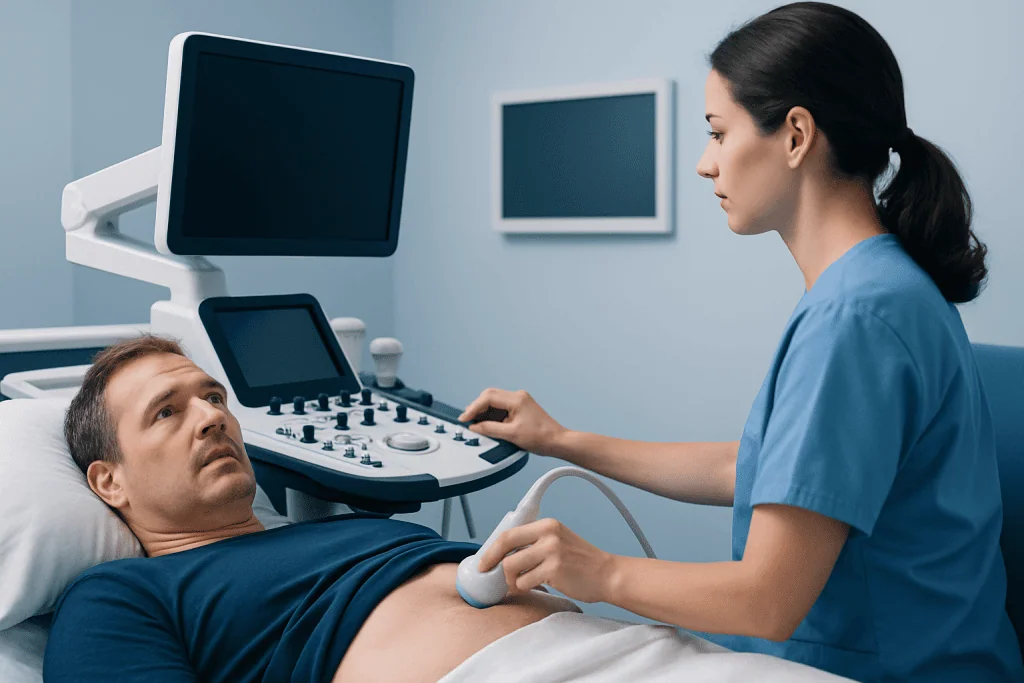
One reason pancreatic cancer is challenging is that it may not cause symptoms early on. When symptoms do develop, they can look like many other digestive problems. Some people notice a gradual change in appetite or energy, while others develop more obvious signs such as jaundice.
Symptoms can vary depending on where the tumor is in the pancreas. Tumors in the head of the pancreas are more likely to block the bile duct and cause yellowing of the skin and eyes. Tumors in the body or tail may grow silently for longer and are sometimes first noticed because of pain or unexpected weight loss.
- Yellowing of the skin or eyes (jaundice)
- Dark urine or pale stools
- Pain in the upper abdomen or middle back
- Unexplained weight loss
- Loss of appetite
- Nausea, bloating, or indigestion
- New-onset diabetes or harder-to-control blood sugar
- Fatigue or weakness
These symptoms do not always mean cancer. Conditions such as gallstones, pancreatitis, liver disease, and stomach disorders can cause similar problems. Still, persistent or unexplained symptoms deserve medical attention so the cause can be found as early as possible.
Causes and risk factors
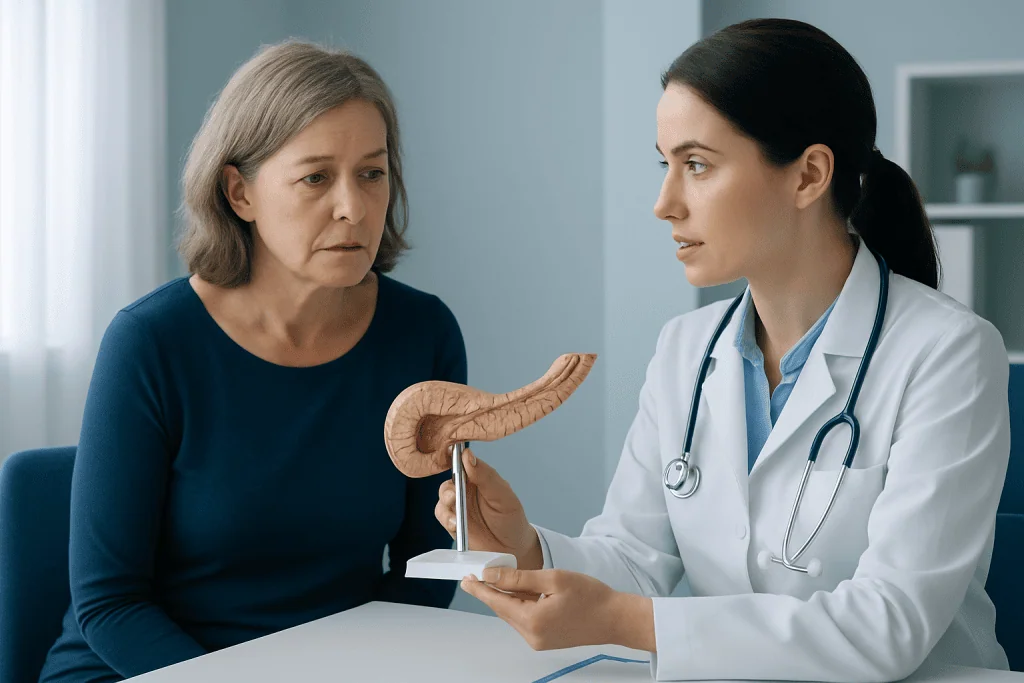
Pancreatic cancer develops when genetic changes build up in pancreatic cells and cause them to grow abnormally. In most people, there is no single identifiable cause. Instead, the disease is thought to arise from a combination of age, environment, lifestyle, and inherited factors.
Several risk factors are known to increase the chance of developing pancreatic cancer. Having one or more risk factors does not mean a person will definitely develop it, and some people diagnosed with pancreatic cancer have no obvious risk factors at all. Still, understanding risk can help guide screening discussions in selected people and support healthier choices.
- Older age
- Smoking or tobacco exposure
- Obesity
- Long-standing diabetes
- Chronic pancreatitis
- Family history of pancreatic cancer
- Certain inherited syndromes or gene changes
- Heavy alcohol use, especially when linked with chronic pancreatitis
People with a strong family history or inherited cancer syndrome may benefit from specialist assessment. In some cases, doctors may recommend genetic counseling and surveillance. Pancreatic cancer can also be associated with related pancreatic conditions such as pancreatitis, which may require separate evaluation and management.
How doctors diagnose pancreatic cancer
Diagnosis usually begins with a detailed medical history, physical examination, and blood tests. If pancreatic cancer is suspected, imaging is a key next step. A doctor may request ultrasound, contrast-enhanced CT, MRI, or endoscopic ultrasound to look at the pancreas and nearby blood vessels, bile ducts, and lymph nodes.
If imaging suggests a tumor, a biopsy is often needed to confirm the diagnosis and identify the tumor type. This is commonly done with endoscopic ultrasound-guided needle sampling. Tissue analysis helps distinguish pancreatic adenocarcinoma from other tumors and can guide decisions about chemotherapy, targeted therapy, or other treatment options.
Doctors also assess the stage of the cancer, meaning how far it has spread. Staging looks at whether the tumor is limited to the pancreas, involves nearby blood vessels, has spread to lymph nodes, or has metastasized to organs such as the liver or lungs. This information helps determine whether surgery is possible and what treatment sequence is likely to be most helpful.
Some patients may also have additional testing for biomarkers or inherited mutations, especially if there is a family history or if targeted treatment could be relevant. This does not replace standard diagnostic steps, but it can add useful information for a personalized care plan.
Treatment options and care planning
Treatment for pancreatic cancer depends on the stage, tumor location, overall health, and personal goals of care. The main options include surgery, chemotherapy, radiation therapy, and supportive treatment to manage symptoms. In many cases, more than one treatment is used as part of a planned sequence.
Surgery offers the best chance of long-term disease control when the cancer is confined to the pancreas or nearby structures and can be safely removed. Depending on the tumor location, an operation may involve removing part of the pancreas, nearby lymph nodes, and sometimes parts of the bile duct, intestine, or spleen. Surgical planning is highly specialized, and some people may be evaluated for pancreatic cancer surgery after detailed imaging review.
Chemotherapy may be given before surgery to shrink a tumor, after surgery to reduce the chance of recurrence, or as the main treatment when the cancer cannot be removed. Radiation therapy is sometimes added, especially for local disease control. Some people may also be candidates for chemotherapy or radiation therapy as part of a multidisciplinary plan.
Supportive care is important at every stage. This can include pain management, nutritional support, enzyme replacement for digestion, treatment of jaundice with a bile duct stent, and help managing diabetes or fatigue. If swallowing, eating, or digestion become difficult, gastroenterology and nutrition specialists can play a central role in maintaining comfort and strength. For selected patients with advanced disease, palliative care works alongside cancer treatment to improve quality of life.
Living with pancreatic cancer: nutrition, recovery, and self-care
Pancreatic cancer and its treatments can affect appetite, digestion, weight, and energy. Many people feel better with small, frequent meals rather than large meals. Foods that are easy to digest, adequate hydration, and regular follow-up with a dietitian can help support strength during treatment and recovery.
Some people do not make enough pancreatic enzymes after surgery or because of the tumor itself. This can lead to bloating, diarrhea, greasy stools, and weight loss. Doctors may prescribe pancreatic enzyme replacement and monitor for vitamin deficiencies or blood sugar changes if needed.
Daily routines also matter. Gentle physical activity, if approved by the care team, may help maintain mobility and reduce fatigue. Emotional support is equally important, whether through family, counseling, patient support groups, or spiritual care. Learning about the condition in manageable steps can help people feel more prepared for treatment decisions.
When care is coordinated across specialties, many practical issues can be addressed early, from symptom control to rehabilitation and follow-up imaging. Near the end of the care pathway, some international patients may choose centers such as Acibadem International, where multidisciplinary specialists in JCI-accredited hospitals diagnose and treat pancreatic cancer with coordinated support.
When to seek medical care
Medical care should be sought promptly if a person develops jaundice, unexplained weight loss, persistent upper abdominal or back pain, or ongoing nausea and loss of appetite. These symptoms can have many causes, but they should not be ignored, especially if they last more than a few weeks or are getting worse.
People should also speak with a doctor if they develop new diabetes without a clear explanation, especially later in adulthood, or if existing blood sugar suddenly becomes much harder to control. In some cases, this can be related to pancreatic disease and deserves further evaluation.
Urgent medical assessment is important if severe vomiting, dehydration, fever, confusion, or intense pain develops. A clinician may recommend imaging or referral to specialists to clarify whether symptoms are due to pancreatic cancer or another condition. Early assessment does not always mean cancer is present, but it can help identify treatable problems without delay.
Frequently asked questions
What is usually the first sign of pancreatic cancer?
There is not one single first sign for everyone. Early pancreatic cancer may cause no symptoms, but common early clues can include vague upper abdominal discomfort, reduced appetite, unexplained weight loss, or jaundice if the bile duct becomes blocked.
Can pancreatic cancer be cured?
Some people can be treated with curative intent, especially when the cancer is found early and can be removed surgically. However, many cases are diagnosed at a later stage, so treatment may focus on controlling the disease, relieving symptoms, and improving quality of life.
Is back pain a symptom of pancreatic cancer?
Yes, it can be. Pancreatic cancer may cause pain in the upper abdomen that radiates to the back, although back pain is common and often has non-cancer causes such as muscle strain or spine problems.
Who is at higher risk for pancreatic cancer?
Risk tends to be higher in older adults, smokers, people with obesity, chronic pancreatitis, long-standing diabetes, or a strong family history of pancreatic cancer. Certain inherited gene changes can also increase risk and may justify genetic counseling.
How is pancreatic cancer confirmed?
Doctors usually use imaging tests such as CT, MRI, or endoscopic ultrasound to look for a tumor. A biopsy is often needed to confirm the diagnosis and determine the exact tumor type before treatment begins.
What treatments are available for pancreatic cancer?
Treatment may include surgery, chemotherapy, radiation therapy, or a combination of these approaches. Supportive care, including pain relief, nutritional support, and management of jaundice or digestive problems, is also an important part of treatment.
References
- National Cancer Institute
- American Cancer Society
- National Comprehensive Cancer Network
- World Health Organization
- American Society of Clinical Oncology
This article is for general information only and is not a substitute for professional medical advice. Please consult a qualified doctor about your individual situation.
Pancreatic Cancer in Turkey — costs, top hospitals & a free quote
JCI-accredited · board-certified surgeons · reply within 24h
Add us as a Preferred Source to see more of our trusted health content across Google Search, AI Overviews and Discover.

More from the Health Library



Related Specialists

Dr. Chasan Ismail Basa
Emergency Service
Prof. Dr. Müfit Kalelioğlu
Neurosurgery
Dr. Seyhan Özleme
Gynecology & Obstetrics
Assoc. Prof. Dr. Ata Can
Orthopedic Surgery & Traumatology