Occupational Therapy: Symptoms, Causes, and Treatment Options

Occupational therapy supports daily function, independence, and participation at home, school, work, and in the community. It may help children, adults, and older adults with physical, neurological, developmental, or cognitive challenges.
Key Takeaways
- Occupational therapy supports daily function, independence, and participation at home, school, work, and in the community.
- It may help children, adults, and older adults with physical, neurological, developmental, or cognitive challenges.
- Treatment plans are individualized and can include skill practice, strengthening, splints, assistive devices, and home or workplace modifications.
- Occupational therapy is often part of a broader rehabilitation plan alongside medical care, physiotherapy, and speech therapy when needed.
- A medical review is important if new difficulties with self-care, hand use, mobility, memory, or daily tasks appear suddenly or worsen.
Occupational therapy helps people perform everyday activities more safely, comfortably, and independently after illness, injury, developmental differences, or disability. It focuses on practical goals such as dressing, writing, cooking, working, learning, and self-care, using exercises, adaptive strategies, and environmental changes tailored to the person’s needs.
Overview: What occupational therapy is
Occupational therapy is a rehabilitation service that helps people carry out everyday activities, often called “occupations,” that are important for independent living and quality of life. These activities include basic self-care such as dressing and bathing, as well as school tasks, work duties, household routines, hobbies, and social participation. The goal is not simply to treat a diagnosis, but to improve how a person functions in real life.
An occupational therapist assesses what is limiting daily performance and builds a plan around meaningful goals. For one person, the priority may be buttoning a shirt after hand surgery; for another, it may be returning to office work after a stroke, improving attention after a brain injury, or helping a child participate in classroom activities. Therapy can focus on the person’s skills, the environment, or both.
Occupational therapy is used across many age groups and health conditions. It may support recovery after orthopedic injury, neurological illness, chronic pain, developmental delay, or age-related decline. It is also commonly included in broader rehabilitation programs when daily function has been affected by disease or injury.
Who may benefit from occupational therapy
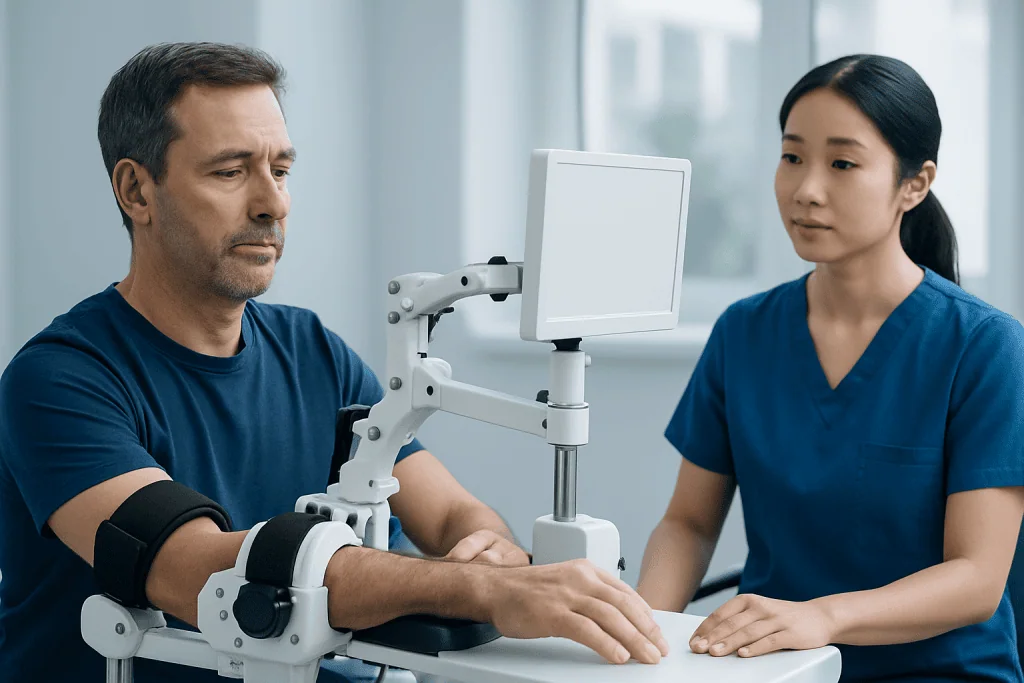
Occupational therapy can be helpful for children, adults, and older adults. Children may benefit when developmental, sensory, motor, or learning-related differences affect play, feeding, handwriting, dressing, or school participation. Adults may need support after injury, surgery, or illness that limits hand function, mobility, concentration, or self-care. Older adults often use occupational therapy to stay safe and independent at home.
Many medical conditions can lead to referral. These include arthritis, fractures, tendon injuries, chronic pain, spinal problems, burns, and recovery after major surgery. Neurological conditions are also common reasons for treatment, such as stroke, Parkinson’s disease, multiple sclerosis, peripheral nerve injuries, and traumatic brain injury.
Occupational therapy is also used when a person’s environment creates barriers. For example, someone may physically be able to walk but still struggle to bathe safely, reach kitchen items, or manage fatigue at work. In these cases, therapy may involve teaching energy-saving methods, recommending adaptive equipment, or changing the layout of the home or workspace to reduce risk and strain.
Symptoms and everyday difficulties that may lead to referral

People are often referred for occupational therapy because of practical difficulties rather than a single symptom. Common concerns include trouble dressing, eating, grooming, bathing, handwriting, using tools, preparing meals, driving, or returning to work. Others may notice hand weakness, poor coordination, joint stiffness, fatigue, tremor, sensory sensitivity, memory problems, or reduced attention that interferes with routine tasks.
In children, signs may include difficulty using scissors, holding a pencil, managing buttons or zippers, tolerating textures, following classroom routines, or keeping up with age-appropriate play and self-care. In adults, warning signs can include dropping objects, struggling with fine motor tasks, taking much longer to complete daily activities, or feeling unsafe at home after illness or surgery.
Some difficulties appear gradually, while others begin suddenly after an injury or medical event. Occupational therapists look closely at how symptoms affect function. Two people with the same diagnosis may need very different strategies depending on their goals, home setup, job demands, and the specific activities they want to resume.
- Reduced grip strength or hand pain
- Problems with balance during self-care
- Fatigue that limits household or work tasks
- Difficulty with concentration, planning, or memory
- Sensory issues affecting comfort or participation
- Loss of confidence in daily routines
Causes and risk factors behind occupational therapy needs
Occupational therapy does not treat one single disease; instead, it addresses the effects that many health conditions have on daily life. These effects may arise from musculoskeletal problems such as fractures, arthritis, repetitive strain injuries, tendon disorders, or recovery after hand and upper limb procedures. They may also follow neurological conditions that affect movement, sensation, thinking, or coordination.
Developmental and cognitive conditions can also create a need for occupational therapy. In children, this may include autism spectrum disorder, developmental coordination difficulties, cerebral palsy, or sensory processing challenges. In adults and older adults, reduced function may be linked to dementia, deconditioning after hospitalization, vision changes, or chronic illnesses that lower endurance.
Risk factors vary according to the underlying cause. Advanced age, falls, stroke risk factors, repetitive work demands, diabetes-related nerve damage, and prolonged immobility can all increase the chance of needing help with daily activities. Environmental risks matter as well, such as cluttered living spaces, poor lighting, inaccessible bathrooms, or workstations that place strain on the hands, neck, or back.
How occupational therapy assessment and diagnosis work
Occupational therapists do not usually diagnose the underlying medical disease, but they do assess how a condition affects day-to-day functioning. The first visit often includes a conversation about symptoms, health history, routines, and personal goals. The therapist may ask what activities are most difficult, when symptoms are worse, and what level of support is available at home, school, or work.
The assessment may include tests of strength, range of motion, sensation, balance, hand function, coordination, thinking skills, visual-perceptual skills, and endurance. Standardized questionnaires or task-based observations can help measure how safely and efficiently a person performs activities such as transferring, dressing, writing, cooking, or using a computer. For children, play-based assessment and parent or teacher input are often important.
Occupational therapy commonly works alongside medical evaluation, imaging, and specialist care. For example, a person recovering from a hand injury may need orthopedic assessment and physical therapy and rehabilitation together with occupational therapy. When the cause is neurological, the therapist may be part of a larger team helping the person recover from conditions such as multiple sclerosis or other disorders affecting movement and cognition.
Treatment options and what therapy may include
Occupational therapy treatment is individualized and goal-based. Sessions may focus on restoring skills, adapting tasks, or both. If recovery is expected, treatment may include exercises for strength, flexibility, coordination, and fine motor control. If a long-term condition is present, the focus may shift toward safer, easier ways to carry out daily routines while conserving energy and reducing discomfort.
Common interventions include hand therapy, splinting, joint protection education, sensory strategies, cognitive rehabilitation techniques, and training in self-care or home tasks. Therapists may recommend adaptive equipment such as built-up utensils, grab bars, shower chairs, dressing aids, supportive seating, or modified keyboards. They can also suggest practical changes to the environment, including safer bathroom layouts, better lighting, or ergonomic adjustments at work.
For some patients, occupational therapy is part of care after neurological or orthopedic treatment. A person recovering from nerve compression may benefit from carpal tunnel surgery followed by guided hand rehabilitation, while another recovering from neurological injury may need a coordinated plan with physicians, therapists, and family support. Progress is reviewed regularly, and the treatment plan is adjusted as goals are met or needs change.
- Skill retraining for dressing, bathing, feeding, and transfers
- Fine motor and hand function exercises
- Splints or supports when appropriate
- Cognitive strategies for memory, attention, and planning
- Home, school, or workplace adaptation advice
- Education for family members and caregivers
Prevention, self-care, and long-term support
Not every problem can be prevented, but many daily function issues can be reduced with early attention and healthy habits. Good posture, regular movement, safe lifting, stretching, joint protection, and ergonomic workstations may lower strain-related problems. For older adults, fall prevention steps such as removing loose rugs, improving lighting, and installing support rails can make a major difference.
Self-care strategies depend on the condition. People with fatigue may benefit from pacing, task planning, and scheduled rest breaks. Those with joint pain may be taught how to protect smaller joints, use larger muscle groups, and modify repetitive tasks. Hand exercises, home programs, and consistent use of recommended devices can help support therapy gains between visits.
Long-term support may involve periodic reassessment, especially if symptoms change or a progressive condition is present. Occupational therapy can also help during life transitions, such as returning to work after illness, preparing a child for school demands, or helping an older adult remain independent at home for longer. Near the end of care, the therapist often provides a practical maintenance plan tailored to everyday routines.
When to seek medical care
A doctor should assess new or worsening difficulties with everyday activities, especially if they appear suddenly. Urgent medical attention is important if problems are accompanied by signs such as facial drooping, sudden weakness, severe confusion, chest pain, major injury, or sudden loss of balance, as these may point to conditions that need immediate treatment.
Non-urgent medical review is also worthwhile when pain, stiffness, hand weakness, sensory changes, poor coordination, memory difficulties, or fatigue begin to interfere with self-care, work, school, or sleep. Early referral to rehabilitation services may improve recovery and help prevent complications such as falls, joint strain, or loss of confidence in daily tasks.
Occupational therapy is usually most effective when it is matched to a clear medical evaluation and a person’s own priorities. At Acibadem International, multidisciplinary specialists in JCI-accredited hospitals assess the underlying cause of functional difficulties and provide rehabilitation plans for international patients when occupational therapy is indicated.
Frequently asked questions
What is occupational therapy used for?
Occupational therapy is used to help people do everyday activities more independently and safely. It may support recovery after injury, surgery, stroke, neurological illness, developmental differences, chronic pain, or age-related changes.
Is occupational therapy the same as physical therapy?
No, although the two often work together. Physical therapy usually focuses more on movement, strength, balance, and mobility, while occupational therapy emphasizes daily tasks such as dressing, cooking, handwriting, work activities, and home safety.
Who needs occupational therapy?
Children, adults, and older adults may all benefit if a health condition affects daily function. A referral may be useful when someone struggles with self-care, hand use, attention, school tasks, returning to work, or living safely at home.
What happens during an occupational therapy session?
A session usually includes practice of meaningful tasks, exercises or strategies tailored to specific goals, and education about safer or easier ways to perform activities. Some sessions also involve splints, adaptive equipment, or advice on changing the home, school, or work environment.
How long does occupational therapy take?
The length of therapy depends on the underlying condition, the severity of functional problems, and the person’s goals. Some people need only a short course after a minor injury, while others benefit from longer-term support for chronic or progressive conditions.
Can occupational therapy help after a stroke or hand surgery?
Yes. After a stroke, occupational therapy can help with self-care, arm and hand use, thinking skills, and adapting the home environment. After hand surgery or injury, it may support movement, strength, splinting, scar care, and return to everyday tasks.
References
- World Health Organization
- American Occupational Therapy Association
- National Institute of Neurological Disorders and Stroke
- Centers for Disease Control and Prevention
- National Institute on Aging
This article is for general information only and is not a substitute for professional medical advice. Please consult a qualified doctor about your individual situation.
Explore treatments in Turkey — costs, top hospitals & a free quote
JCI-accredited · board-certified surgeons · reply within 24h
Add us as a Preferred Source to see more of our trusted health content across Google Search, AI Overviews and Discover.