Circulatory System: What Patients Need to Know

The circulatory system includes the heart, blood vessels, and blood. Its main job is to deliver oxygen and nutrients and remove waste from tissues.
Key Takeaways
- The circulatory system includes the heart, blood vessels, and blood.
- Its main job is to deliver oxygen and nutrients and remove waste from tissues.
- Common circulatory problems can affect the heart, arteries, veins, or blood flow.
- Warning signs may include chest pain, shortness of breath, leg swelling, dizziness, or changes in skin color.
- Healthy habits such as regular activity, not smoking, and managing blood pressure support circulatory health.
- A doctor should assess persistent symptoms or sudden warning signs promptly.
The circulatory system is the body’s transport network. It moves oxygen, nutrients, hormones, and immune cells to tissues while carrying carbon dioxide and other waste products away so organs can work properly.
Overview: what the circulatory system does
The circulatory system is the body’s internal delivery and collection network. It continuously carries oxygen, nutrients, hormones, and immune cells to organs and tissues, then transports carbon dioxide and waste products away so they can be removed. In simple terms, it helps every part of the body stay supplied, balanced, and alive.
This system is made up of three main parts: the heart, the blood vessels, and the blood itself. The heart acts as a pump, blood vessels serve as the pathways, and blood carries vital substances through those pathways. Together, they help maintain energy, temperature control, healing, and normal organ function.
Although many people think of the circulatory system only in relation to the heart, it also includes arteries, veins, and tiny capillaries that reach almost every tissue. Problems in any one part of the system can reduce blood flow or strain the heart, which is why circulatory health is closely linked to overall well-being.
How the circulatory system works
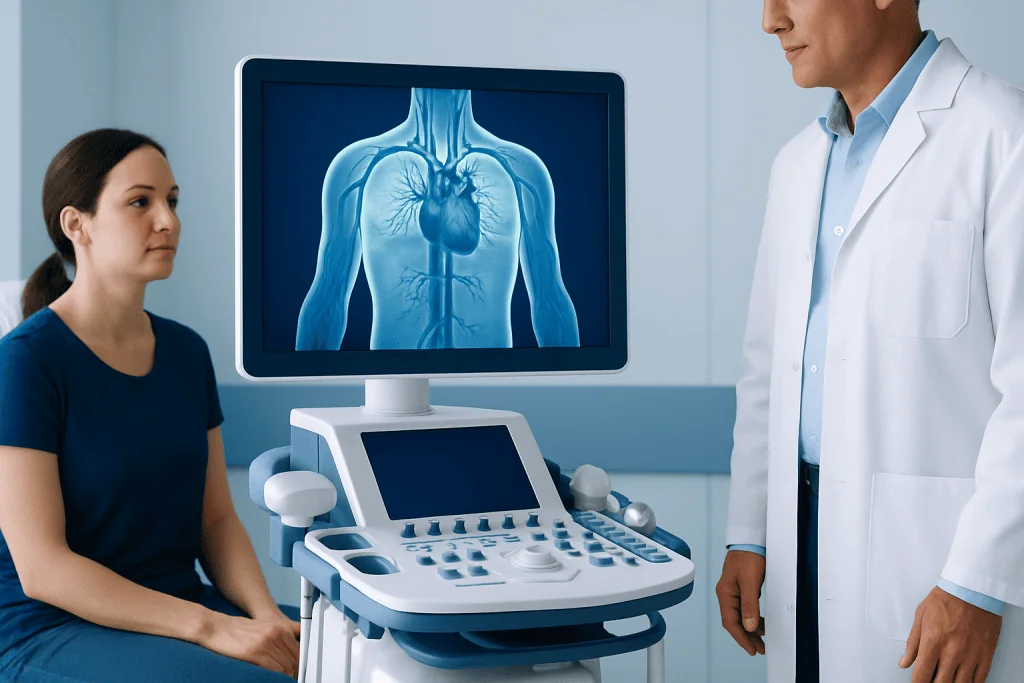
With each heartbeat, blood moves through two connected loops. One loop sends blood to the lungs, where it picks up oxygen and releases carbon dioxide. The other sends oxygen-rich blood from the heart to the rest of the body, where cells use that oxygen to make energy.
Arteries carry blood away from the heart under relatively high pressure. Veins return blood back to the heart, often with the help of valves that prevent backward flow. Capillaries are the smallest blood vessels, and they are the sites where oxygen, nutrients, and waste products are exchanged between blood and tissues.
Blood itself has several important components. Red blood cells carry oxygen, white blood cells support the immune system, platelets help with clotting, and plasma transports nutrients, proteins, and hormones. Because this system works constantly, even small changes in blood flow, blood pressure, or vessel health can affect how a person feels.
The circulatory system also works closely with other body systems. For example, the lungs oxygenate the blood, the kidneys help regulate fluid and pressure, and the nervous and endocrine systems help control heart rate and vessel tone. This explains why circulatory problems may cause wide-ranging symptoms rather than one single complaint.
Common circulatory system problems and possible symptoms

Circulatory system disorders can involve the heart, the arteries, the veins, or the blood supply to specific organs. Common examples include high blood pressure, coronary artery disease, irregular heart rhythms, varicose veins, peripheral artery disease, blood clots, and heart failure. Some conditions develop gradually, while others appear suddenly and require urgent care.
Symptoms vary depending on which part of the system is affected. A problem with blood flow to the heart may cause chest pressure, shortness of breath, fatigue, sweating, or pain that spreads to the arm, jaw, or back. Reduced circulation to the legs may lead to cramping with walking, cold feet, numbness, slow-healing wounds, or color changes in the skin.
Venous problems can cause leg swelling, heaviness, visible enlarged veins, or discomfort after standing for long periods. Circulatory changes elsewhere in the body may show up as dizziness, fainting, unusual paleness, headaches, bluish lips or fingers, or reduced exercise tolerance. Some people have no symptoms at first, which is why routine health checks can be valuable.
When symptoms suggest an underlying condition, doctors may evaluate for issues such as coronary artery disease or varicose veins, depending on the person’s history and examination findings. Early assessment can help clarify whether symptoms are related to circulation or to another health problem.
What affects circulatory health
Many factors influence how well the circulatory system works. Some cannot be changed, such as age, family history, and certain inherited conditions. Others are closely linked to daily life and can often be improved with medical support and healthy habits.
Major risk factors include smoking, high blood pressure, high cholesterol, diabetes, excess weight, physical inactivity, chronic stress, poor sleep, and an eating pattern high in salt or highly processed foods. Over time, these factors can damage blood vessels, increase inflammation, raise blood pressure, and make the heart work harder.
Long periods of sitting, pregnancy, recent surgery, and some medications can also affect circulation or increase the risk of blood clots in certain people. Dehydration may temporarily contribute to lightheadedness or poorer circulation, although it is usually not the main cause of a persistent circulatory disorder.
Because several risks often occur together, circulatory health is best viewed as part of whole-body health. Managing blood pressure, blood sugar, cholesterol, and weight together usually has a stronger benefit than focusing on only one issue in isolation.
How doctors evaluate the circulatory system
Assessment usually begins with a medical history and physical examination. A doctor asks about symptoms, exercise tolerance, smoking history, family history, medications, and conditions such as diabetes or high blood pressure. Blood pressure, heart rate, oxygen level, pulses, leg swelling, skin temperature, and heart and lung sounds can all provide useful clues.
Tests are chosen based on the symptoms and the suspected cause. Blood tests may check cholesterol, blood sugar, kidney function, anemia, or markers of heart strain. An electrocardiogram records the heart’s electrical activity, while echocardiography uses ultrasound to assess heart structure and pumping function.
Imaging or circulation-specific tests may also be needed. These can include Doppler ultrasound for blood flow in the arteries or veins, exercise stress testing, CT or MR angiography, or more specialized evaluation of the coronary arteries. In some cases, doctors may consider procedures such as coronary angiography to look closely at blood supply to the heart.
The main goal of diagnosis is to identify whether symptoms come from a serious circulation problem, a manageable chronic condition, or another medical issue with similar signs. A clear diagnosis helps guide treatment and reduces unnecessary worry.
Treatment options and long-term management
Treatment depends on the cause, severity, and the person’s overall health. Many circulatory problems are managed with a combination of lifestyle changes and medication. Medicines may be used to lower blood pressure, reduce cholesterol, control blood sugar, improve heart function, prevent clotting, or relieve symptoms such as fluid retention.
When narrowed or blocked arteries are affecting blood flow, a doctor may recommend procedural treatment. Depending on the condition, options can include angioplasty and stent treatment or, in selected cases, coronary artery bypass surgery. Vein-related conditions may be treated with compression therapy, activity changes, or targeted vascular procedures.
Rehabilitation and follow-up are often important parts of care. Regular monitoring helps ensure that blood pressure, cholesterol, symptoms, and medication side effects are managed safely. For chronic conditions, treatment usually aims not only to relieve symptoms but also to prevent complications such as heart attack, stroke, poor wound healing, or progressive loss of function.
Near the end of the care pathway, some patients may benefit from evaluation in centers with coordinated expertise across cardiology, vascular medicine, imaging, and rehabilitation. Acibadem International’s multidisciplinary specialists and JCI-accredited hospitals diagnose and treat circulatory conditions for international patients when this level of assessment is needed.
Prevention and everyday self-care
Daily choices can make a meaningful difference to circulatory health. Not smoking is one of the most important steps because tobacco damages blood vessels and increases the risk of heart disease, stroke, and poor circulation. Regular physical activity supports heart strength, blood pressure control, and healthy blood flow in the legs.
A balanced eating pattern that emphasizes vegetables, fruits, whole grains, legumes, lean proteins, and healthy fats may help support blood vessels and cholesterol levels. Limiting excess salt, sugary drinks, and highly processed foods can also be beneficial. If a doctor has advised restrictions for blood pressure, kidney disease, or heart failure, those should be followed carefully.
Other helpful habits include staying at a healthy weight, managing diabetes, getting enough sleep, reducing long periods of sitting, and keeping up with routine medical checks. People who spend many hours seated may benefit from standing, stretching, and walking at intervals, especially during long travel.
Self-care does not replace medical evaluation when symptoms are persistent or worsening. However, healthy routines often improve energy, exercise tolerance, and long-term circulation while supporting treatment prescribed by a clinician.
When to seek medical care
Medical advice is important if a person has ongoing chest discomfort, shortness of breath, palpitations, repeated dizziness, leg pain while walking, swelling in one or both legs, or slow-healing sores on the feet or legs. These symptoms do not always mean a serious circulatory disorder, but they should not be ignored, especially if they are new or becoming more frequent.
Urgent care is needed for severe chest pain, sudden trouble breathing, fainting, sudden weakness on one side, difficulty speaking, or signs of a possible blood clot such as sudden leg swelling with pain and warmth. Rapid assessment can be important because some circulatory emergencies need prompt treatment to protect the heart, brain, lungs, or limbs.
People with known heart or vascular disease should also seek review if their usual symptoms change. For example, reduced exercise tolerance, increasing ankle swelling, or more frequent episodes of chest pressure may mean the condition needs reassessment. A qualified doctor can decide which tests or treatments are appropriate.
Frequently asked questions
What organs are part of the circulatory system?
The circulatory system mainly includes the heart, blood vessels, and blood. Blood vessels include arteries, veins, and capillaries, which work together to move blood throughout the body.
What is the main function of the circulatory system?
Its main function is to transport oxygen, nutrients, hormones, and immune cells to tissues. It also carries carbon dioxide and waste products away so the body can remove them.
Can poor circulation cause tiredness?
Yes, in some cases reduced circulation can contribute to fatigue because tissues may not receive oxygen as efficiently as they should. Tiredness has many possible causes, though, so persistent fatigue should be discussed with a doctor.
How can a person improve circulatory system health?
Helpful steps include not smoking, staying physically active, eating a balanced diet, and managing blood pressure, cholesterol, and diabetes. Regular checkups are also important, especially for people with risk factors or a family history of heart disease.
Are cold hands and feet always a circulation problem?
Not always. Cold hands and feet can happen because of temperature, stress, or conditions affecting nerves or blood vessels, so they are not a definite sign of circulatory disease on their own.
When should circulatory symptoms be treated as an emergency?
Emergency care is needed for severe chest pain, sudden shortness of breath, fainting, stroke-like symptoms, or sudden painful leg swelling. These symptoms can be linked to serious circulatory events and should be assessed promptly.
This article is for general information only and is not a substitute for professional medical advice. Please consult a qualified doctor about your individual situation.
Explore treatments in Turkey — costs, top hospitals & a free quote
JCI-accredited · board-certified surgeons · reply within 24h
Add us as a Preferred Source to see more of our trusted health content across Google Search, AI Overviews and Discover.
Check your numbers in seconds
BMI, calories, due date, blood pressure and 30+ more clinical calculators — free, instant, doctor-reviewed ranges.

More from the Health Library

High Oleic Sunflower Oil — Explained by Medical Evidence, Not Myths

Unstable Angina — Explained by Medical Evidence, Not Myths

Shoulder Press — Explained by Medical Evidence, Not Myths

Idc: A Complete Medical Overview

Medial Malleolus Fracture — Explained by Medical Evidence, Not Myths