Heart Health: A Complete Medical Overview

Heart health depends on both lifestyle habits and management of medical risk factors such as high blood pressure, diabetes, and high cholesterol. Many heart conditions develop gradually and may not cause noticeable symptoms at first.
Key Takeaways
- Heart health depends on both lifestyle habits and management of medical risk factors such as high blood pressure, diabetes, and high cholesterol.
- Many heart conditions develop gradually and may not cause noticeable symptoms at first.
- Regular exercise, a balanced eating pattern, not smoking, and good sleep support long-term cardiovascular health.
- Screening tests such as blood pressure checks, cholesterol testing, and blood sugar evaluation help identify risk early.
- Chest pain, shortness of breath, fainting, or sudden severe symptoms need prompt medical attention.
Heart health refers to how well the heart and blood vessels function to deliver oxygen and nutrients throughout the body. Protecting heart health involves a combination of healthy daily habits, early recognition of risk factors, and appropriate medical care when symptoms or concerns arise.
Overview: what heart health means
Heart health means the heart and blood vessels are able to pump blood efficiently and support the body’s needs during rest and activity. Good heart health is not only about avoiding a heart attack. It also includes healthy blood pressure, healthy cholesterol levels, normal blood sugar, good circulation, and a lifestyle that reduces strain on the cardiovascular system.
A person can feel well and still have early cardiovascular risk factors. High blood pressure, high cholesterol, and early artery disease often develop silently over many years. For this reason, heart health is best understood as a long-term pattern of prevention, screening, and treatment rather than a single test result.
Heart health also affects the brain, kidneys, and overall energy level. When the cardiovascular system is not functioning well, other organs may receive less oxygen and fewer nutrients. This is why clinicians often approach heart health as part of whole-body health rather than an isolated issue.
How the heart and blood vessels work together
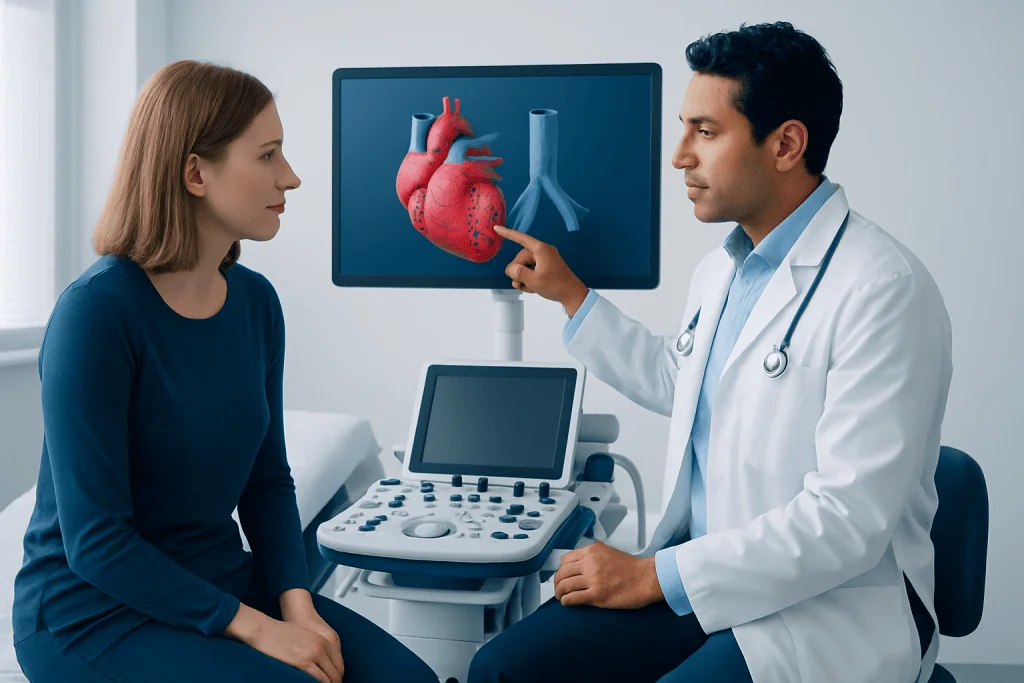
The heart is a muscular pump with four chambers that moves blood through the lungs and the rest of the body. Arteries carry oxygen-rich blood away from the heart, and veins return blood back to it. This circulation system supports every organ, which is why even mild cardiovascular problems can have wide effects over time.
Heart health depends on several related factors: the strength of the heart muscle, the function of the heart valves, the rhythm of the heartbeat, and the condition of the blood vessels. Problems may involve narrowing of the arteries, weakening of the heart muscle, abnormal rhythms, or changes in blood pressure control. Different conditions can affect these areas in different ways, such as coronary artery disease or heart failure.
Blood vessels also play a central role. Healthy arteries are flexible and open enough to allow blood to flow smoothly. Over time, smoking, diabetes, high cholesterol, and high blood pressure can damage the vessel lining and increase the risk of plaque buildup, clots, and reduced blood flow.
Signs that may suggest a heart problem

Not every heart condition causes clear symptoms, especially in its early stages. However, some symptoms may suggest that the heart or blood vessels need medical evaluation. These can range from mild exercise intolerance to more urgent warning signs.
Possible symptoms include chest discomfort, pressure, or tightness; shortness of breath; palpitations; dizziness; fainting; unusual fatigue; or swelling in the legs, ankles, or feet. Some people notice reduced stamina during routine activity. Others may describe discomfort in the jaw, back, shoulder, or arm rather than classic chest pain.
Symptoms do not always look the same in every person. Older adults, people with diabetes, and women may have less typical symptoms, including fatigue, nausea, or breathlessness without severe chest pain. Because symptoms can overlap with lung, digestive, and anxiety-related conditions, evaluation by a qualified doctor is often needed to identify the cause.
- Chest pain or pressure with activity can suggest reduced blood flow to the heart.
- Sudden shortness of breath may signal a heart or lung problem.
- Fast, irregular, or pounding heartbeats can reflect rhythm disturbances such as arrhythmia.
- Leg swelling may occur when fluid balance or heart pumping function is affected.
Main risk factors that affect heart health
Heart health is shaped by a combination of factors that cannot be changed and others that can be improved. Nonmodifiable factors include age, family history, and certain inherited conditions. These do not guarantee heart disease, but they can increase susceptibility and make regular screening more important.
Modifiable risk factors are central to prevention. High blood pressure, high LDL cholesterol, diabetes, tobacco use, excess body weight, physical inactivity, unhealthy diet, and poor sleep all place extra stress on the cardiovascular system. Long-term stress and heavy alcohol use may also contribute indirectly by affecting blood pressure, eating patterns, sleep, and metabolic health.
Heart health should also be considered in the context of related medical conditions. Kidney disease, chronic inflammatory disorders, sleep apnea, and metabolic syndrome can increase cardiovascular risk. In many cases, improving heart health involves coordinated care across more than one specialty.
- High blood pressure can damage arteries and overwork the heart.
- High cholesterol can contribute to plaque buildup in blood vessels.
- Diabetes can harm blood vessels and nerves over time.
- Smoking raises the risk of artery disease, stroke, and clotting.
- Physical inactivity can weaken cardiovascular fitness and worsen other risks.
How heart health is assessed
Assessment usually begins with a medical history, symptom review, family history, and physical examination. A doctor may ask about exercise tolerance, smoking history, blood pressure, sleep, diet, stress, and any previous diagnoses such as diabetes or high cholesterol. This overall picture often guides which tests are most useful.
Common screening and diagnostic tools include blood pressure measurement, cholesterol testing, blood glucose or HbA1c testing, and an electrocardiogram when indicated. Depending on symptoms and risk level, further evaluation may include an echocardiogram, exercise stress test, ambulatory rhythm monitoring, or imaging to examine blood flow and heart structure. In some cases, advanced assessment may involve cardiac check-up services or coronary angiography to look more closely at the coronary arteries.
Assessment is not one-size-fits-all. A younger adult with a strong family history may need a different approach than an older adult with diabetes and hypertension. The goal is to identify current disease, estimate future risk, and create a practical plan for monitoring and prevention.
Treatment and ways to improve heart health
Improving heart health often starts with lifestyle measures, but some people also need medical treatment. The right plan depends on a person’s risk profile, symptoms, and any diagnosed condition. Treatment may aim to lower blood pressure, improve cholesterol, control blood sugar, reduce fluid buildup, restore a normal rhythm, or improve blood flow to the heart.
Medications can be very effective when prescribed appropriately. They may include drugs for blood pressure, cholesterol, diabetes, clot prevention, or rhythm control. When artery narrowing is significant, doctors may recommend procedures to improve circulation, such as coronary angioplasty and stent placement. In more complex cases, surgery such as coronary artery bypass surgery may be considered.
Lifestyle treatment remains important even when medication or procedures are needed. Stopping smoking, following a heart-conscious eating pattern, moving regularly, and maintaining follow-up care can lower future risk and support recovery. For international patients who need evaluation or treatment, Acibadem International’s multidisciplinary specialists and JCI-accredited hospitals provide diagnosis and care across a range of cardiovascular conditions.
Everyday prevention and self-care for a healthier heart
Protecting heart health is usually more effective when small daily habits are maintained consistently over time. A heart-supportive eating pattern emphasizes vegetables, fruits, whole grains, legumes, nuts, and healthier sources of protein while limiting highly processed foods, excess salt, and trans fats. Portion awareness and balanced meals can also support blood pressure, cholesterol, and weight goals.
Regular physical activity helps the heart become more efficient and supports circulation, mood, sleep, and metabolic health. Many adults benefit from a mix of aerobic movement and strength-based activity, adjusted for age, fitness level, and medical conditions. Anyone with symptoms, known heart disease, or a long period of inactivity should ask a doctor what level of exercise is safe before starting a new routine.
Self-care also includes not smoking, limiting alcohol when appropriate, managing stress, getting enough sleep, and taking prescribed medicines as directed. Home monitoring of blood pressure can be helpful for some people. Regular medical follow-up is important because risk factors often improve most when they are tracked over time rather than checked once.
When to seek medical care
A routine appointment is appropriate for concerns such as family history of early heart disease, repeated elevated blood pressure readings, high cholesterol, diabetes, reduced exercise tolerance, or questions about prevention. Medical review is also important for persistent palpitations, breathlessness, ankle swelling, or fatigue that is new or worsening.
Urgent medical care is needed for chest pain or pressure, sudden shortness of breath, fainting, severe palpitations with weakness, or symptoms that suggest a heart attack or stroke. Warning signs should never be ignored, especially if they begin suddenly or occur during exertion. Early evaluation can make a major difference in diagnosis and treatment.
People who already have a cardiovascular diagnosis should seek advice if symptoms change, medicines cause side effects, or home blood pressure or heart rate readings become consistently abnormal. A clinician can determine whether symptoms are related to the heart or another condition and recommend the safest next step.
Frequently asked questions
What is meant by heart health?
Heart health refers to how well the heart and blood vessels work to circulate blood throughout the body. It includes healthy blood pressure, cholesterol, blood sugar, circulation, heart rhythm, and overall cardiovascular fitness.
Can someone have poor heart health without symptoms?
Yes. Conditions such as high blood pressure, high cholesterol, and early artery disease may not cause symptoms for years. This is why regular screening is important, even in people who feel well.
What are the most important habits for improving heart health?
The most helpful habits usually include not smoking, being physically active, eating a balanced diet, sleeping well, and keeping blood pressure, cholesterol, and blood sugar under control. Taking prescribed medicines regularly and attending follow-up appointments also matter.
How often should heart health be checked?
The right schedule depends on age, family history, symptoms, and existing medical conditions. In general, adults should have routine blood pressure checks and periodic assessment of cholesterol and blood sugar based on their doctor’s advice.
Does exercise always help heart health?
Regular exercise is beneficial for most people and supports blood pressure, circulation, weight management, and stress reduction. However, people with chest pain, fainting, severe breathlessness, or known heart disease should ask a doctor what type and level of exercise is safe.
When is chest discomfort an emergency?
Chest discomfort is an emergency if it is severe, sudden, associated with shortness of breath, sweating, fainting, nausea, or pain spreading to the arm, jaw, or back. Immediate medical evaluation is especially important if symptoms occur during activity or do not improve quickly.
References
- American Heart Association
- Centers for Disease Control and Prevention
- National Heart, Lung, and Blood Institute
- World Health Organization
- European Society of Cardiology
This article is for general information only and is not a substitute for professional medical advice. Please consult a qualified doctor about your individual situation.
Heart care in Turkey — expert evaluation and treatment
JCI-accredited · board-certified surgeons · reply within 24h
Add us as a Preferred Source to see more of our trusted health content across Google Search, AI Overviews and Discover.
Check your numbers in seconds
BMI, calories, due date, blood pressure and 30+ more clinical calculators — free, instant, doctor-reviewed ranges.