Menorrhagia: An Evidence-Based Guide for Patients

Menorrhagia is heavy or prolonged menstrual bleeding that can affect health, energy, and quality of life. Common causes include hormone imbalance, fibroids, adenomyosis, bleeding disorders, medications, and pregnancy-related problems.
Key Takeaways
- Menorrhagia is heavy or prolonged menstrual bleeding that can affect health, energy, and quality of life.
- Common causes include hormone imbalance, fibroids, adenomyosis, bleeding disorders, medications, and pregnancy-related problems.
- Doctors diagnose menorrhagia using medical history, pelvic examination, blood tests, and sometimes imaging or tissue sampling.
- Treatment depends on the cause and may include iron support, medicines, hormone-based therapies, or procedures.
- Urgent medical care is needed for very heavy bleeding, dizziness, fainting, severe pain, or possible pregnancy-related bleeding.
Menorrhagia means menstrual bleeding that is unusually heavy, lasts too long, or interferes with daily life. While many causes are treatable, medical evaluation is important to find the reason, prevent complications such as anemia, and choose the most suitable care.
Overview
Menorrhagia is the medical term for menstrual bleeding that is heavier than expected, lasts longer than usual, or disrupts everyday activities. In practice, it often means soaking through pads or tampons quickly, needing to change protection during the night, passing large blood clots, or having bleeding that continues for more than about a week. Some people also describe it as periods that make it difficult to work, attend school, exercise, travel, or sleep normally.
Heavy menstrual bleeding is common, but it should not be dismissed as something a person simply has to live with. Menorrhagia can lead to fatigue, iron deficiency, and anemia, and it may also signal an underlying gynecologic or hormonal condition. The important point is that heavy periods are a symptom, not a diagnosis by themselves, so the best approach is to identify the cause and treat it appropriately.
Not every heavy period is an emergency, and some cycle-to-cycle variation is normal. However, when bleeding is consistently excessive, suddenly becomes much heavier, or happens with severe pain, dizziness, or bleeding between periods, medical assessment is recommended. A structured evaluation can usually clarify whether the problem is related to hormones, the uterus, blood clotting, medications, pregnancy, or another health issue.
Signs and symptoms of menorrhagia
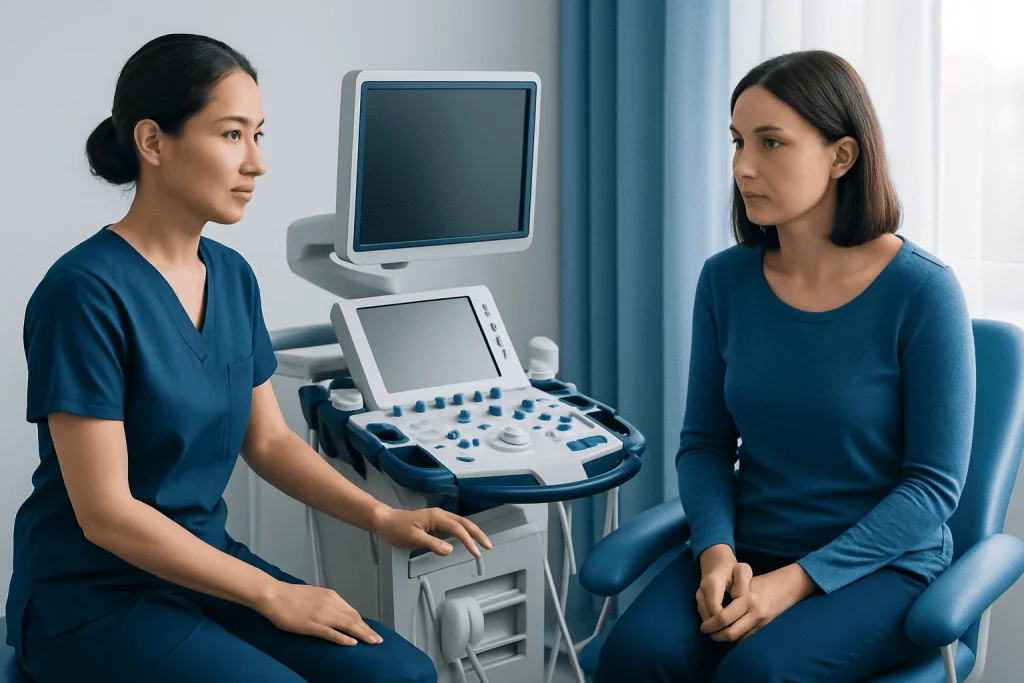
The symptoms of menorrhagia can vary from person to person. Some notice the amount of blood loss most clearly, while others are affected more by tiredness, cramps, or the inconvenience of needing frequent protection changes. A healthcare professional will usually ask both about the pattern of bleeding and how much it affects daily life.
Symptoms and clues that may suggest menorrhagia include:
- Bleeding that soaks through one or more pads or tampons every hour for several hours in a row
- Needing to use double protection or waking at night to change pads or tampons
- Periods lasting longer than seven days
- Passing large blood clots
- Bleeding that limits work, school, exercise, social activities, or sleep
- Tiredness, weakness, shortness of breath, headaches, or dizziness that may point to iron deficiency or anemia
- Bleeding between periods, after sex, or after menopause, which should always be assessed
It can be helpful to track the menstrual cycle for a few months. Recording the number of bleeding days, how often pads or tampons are changed, whether clots are present, and any associated symptoms such as pain or lightheadedness can make a medical consultation more informative. Period-tracking apps, a simple calendar, or notes on a phone can all be useful.
Causes and risk factors
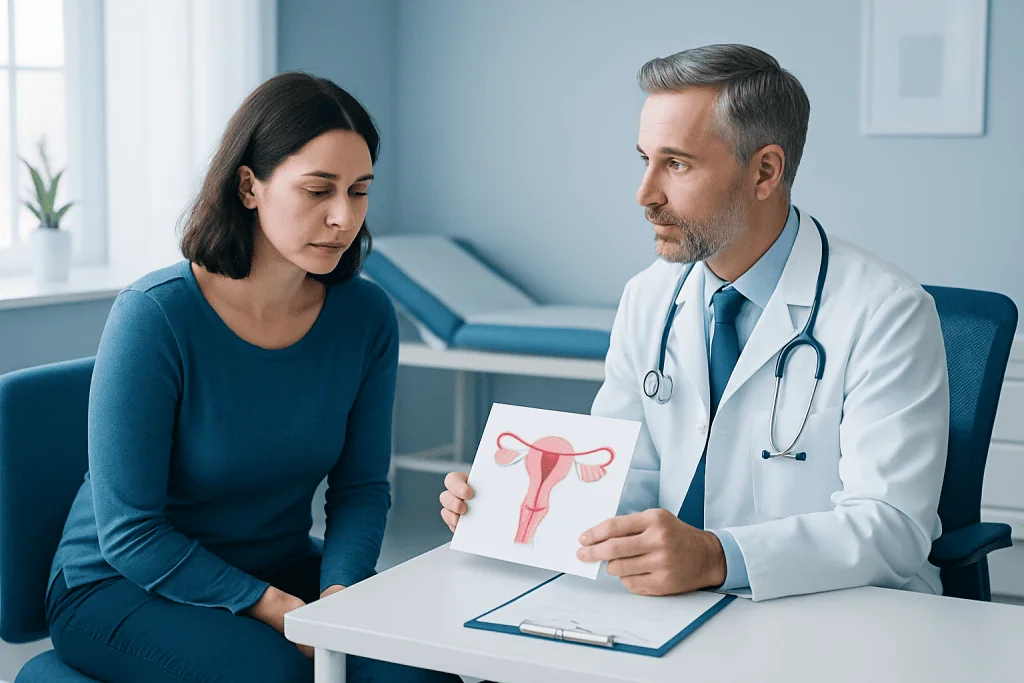
Menorrhagia has many possible causes. In some people, the main issue is a hormonal imbalance that affects ovulation and the normal growth and shedding of the uterine lining. In others, the cause is structural, such as benign growths in the uterus. Common uterine causes include uterine fibroids, endometrial polyps, and adenomyosis, in which tissue similar to the uterine lining grows into the muscle of the uterus.
Heavy menstrual bleeding may also be linked to blood clotting disorders, thyroid disease, liver or kidney disease, obesity, or the use of certain medications such as anticoagulants. Pregnancy-related problems, including miscarriage or ectopic pregnancy, can also cause heavy bleeding and require prompt evaluation. In adolescents, heavy periods can sometimes be the first sign of an inherited bleeding disorder. In the years approaching menopause, changing hormone patterns can make cycles unpredictable and heavier.
Age, family history, irregular ovulation, and prior uterine surgery can influence risk, but menorrhagia can occur at any reproductive stage. In some cases, no single clear cause is found, and the condition is classified under the broader term abnormal uterine bleeding. Even when the cause is not immediately obvious, symptoms can still be managed safely while the evaluation continues.
How doctors diagnose heavy menstrual bleeding
Diagnosis begins with a careful medical history. A doctor will usually ask about the timing and duration of bleeding, whether cycles are regular, pain levels, current medicines, pregnancy possibility, previous pregnancies, and any family history of bleeding disorders. Questions about fatigue, breathlessness, and diet can help identify iron deficiency or anemia.
A physical and often a pelvic examination may follow, depending on age, symptoms, and whether the person is sexually active. Blood tests commonly include a complete blood count to look for anemia and, when appropriate, iron studies, thyroid tests, pregnancy testing, or clotting assessments. These tests help determine not only whether bleeding is heavy, but also whether it is affecting overall health.
If a structural cause is suspected, imaging may be recommended. This often includes pelvic ultrasound, which can identify fibroids, polyps, ovarian cysts, or changes suggestive of adenomyosis. In selected cases, the uterine lining may need closer evaluation with hysteroscopy or an endometrial biopsy, especially if there is bleeding between periods, risk factors for endometrial disease, or new heavy bleeding later in reproductive life. When imaging is needed, doctors may use MRI scans or other tests selectively to clarify complex findings.
Treatment options
Treatment for menorrhagia depends on the cause, the person’s age, whether anemia is present, how severe the bleeding is, and whether pregnancy is desired in the future. Mild cases may be managed with observation and symptom tracking, while more disruptive bleeding often benefits from medication or a procedure. Iron supplementation may be advised when blood loss has caused iron deficiency, but it is important that this is guided by a clinician.
Medical treatments can include non-hormonal medicines that reduce menstrual blood loss or pain, as well as hormonal approaches that help regulate the cycle and stabilize the uterine lining. Depending on individual circumstances, options may include combined hormonal contraception, progestin-based treatments, or a hormone-releasing intrauterine device. If a specific underlying condition is found, treating that condition is a key part of care. For example, fibroid-related bleeding may improve with targeted management.
When medication is not effective or appropriate, procedures may be considered. These can include removal of polyps, fibroid treatment, endometrial ablation in carefully selected patients, or surgery. If fibroids are a major contributor, some patients may be evaluated for uterine fibroid embolization or other gynecologic procedures. In more complex situations, further assessment of the uterus may involve hysteroscopy to inspect the uterine cavity directly and sometimes treat the cause at the same time.
The best treatment plan is individualized. A person who wishes to become pregnant may choose different options from someone who has completed childbearing. Shared decision-making is important, because the most suitable treatment balances symptom control, fertility goals, side effects, and the likely cause of the bleeding.
Self-care, monitoring, and prevention
Menorrhagia is not always preventable, because many causes are not related to lifestyle. Still, practical self-care can make symptoms easier to manage and can support recovery during treatment. Tracking menstrual patterns, staying hydrated during heavy days, and noticing signs of anemia such as unusual fatigue or breathlessness can help a person know when to seek review.
Eating iron-rich foods may be helpful if blood loss has been substantial. Foods such as lean meats, beans, lentils, eggs, leafy greens, and iron-fortified cereals can support iron intake, although diet alone may not correct established anemia. It is sensible to discuss supplements with a doctor rather than starting them without guidance, because the right approach depends on blood test results and the underlying cause.
People who are already under care for heavy periods should follow the agreed treatment plan and attend follow-up appointments, especially if symptoms change. Sudden worsening, new bleeding between periods, postmenopausal bleeding, or persistent pelvic pain should not be ignored. Near the end of the care pathway, some international patients choose centers such as Acibadem International, where multidisciplinary specialists in JCI-accredited hospitals diagnose and treat gynecologic causes of heavy menstrual bleeding.
When to seek medical care
Medical care is recommended if heavy periods are ongoing, interfere with normal activities, or are accompanied by symptoms of anemia such as fatigue, dizziness, paleness, or shortness of breath. It is also important to seek evaluation if periods suddenly become much heavier than usual, if there is bleeding between periods, or if menstrual bleeding continues for longer than expected on a regular basis.
Urgent assessment is needed when bleeding is severe enough to soak through protection rapidly for several hours, or when it causes fainting, marked weakness, chest discomfort, or trouble breathing. Bleeding during pregnancy or with a possible pregnancy should always be checked promptly. Severe pelvic pain, fever, or a bad-smelling discharge also needs timely medical attention because these symptoms can point to a condition that requires immediate treatment.
Many causes of menorrhagia are treatable, and seeking help early can prevent complications. A qualified gynecologist or primary care doctor can help clarify what is normal for the individual cycle, investigate the cause, and discuss treatment options in a calm and structured way.
Frequently asked questions
What is the difference between a heavy period and menorrhagia?
A heavy period can sometimes be a one-time variation in the menstrual cycle. Menorrhagia usually refers to bleeding that is consistently heavy, lasts too long, or interferes with daily life. The distinction matters because persistent heavy bleeding may need medical evaluation.
Can menorrhagia cause anemia?
Yes. Repeated heavy menstrual bleeding can lower the body's iron stores and lead to iron deficiency anemia. This may cause fatigue, weakness, headaches, dizziness, or shortness of breath, so blood tests are often part of the evaluation.
Is menorrhagia always caused by fibroids?
No. Fibroids are one possible cause, but menorrhagia can also result from hormone imbalance, adenomyosis, polyps, bleeding disorders, thyroid disease, medications, or pregnancy-related problems. Because there are many causes, proper diagnosis is important before treatment begins.
Can teenagers have menorrhagia?
Yes. Heavy menstrual bleeding can occur in teenagers, especially in the first years after periods begin when ovulation may be irregular. In some adolescents, it can also be a sign of a bleeding disorder, so a medical review is worthwhile if bleeding is very heavy.
Will menorrhagia affect fertility?
Menorrhagia itself does not always reduce fertility, but the underlying cause sometimes can. Conditions such as fibroids, polyps, or ovulation problems may affect both bleeding and the ability to become pregnant. A gynecologist can explain whether the cause of heavy bleeding has implications for fertility.
When should someone go to the emergency department for heavy menstrual bleeding?
Emergency care is appropriate if bleeding is extremely heavy, causes fainting or near-fainting, or comes with severe weakness, chest symptoms, or difficulty breathing. Urgent evaluation is also needed for heavy bleeding during pregnancy or when severe pelvic pain is present.
References
- American College of Obstetricians and Gynecologists
- National Institute for Health and Care Excellence
- Centers for Disease Control and Prevention
- World Health Organization
- Mayo Clinic
This article is for general information only and is not a substitute for professional medical advice. Please consult a qualified doctor about your individual situation.
Explore treatments in Turkey — costs, top hospitals & a free quote
JCI-accredited · board-certified surgeons · reply within 24h
Add us as a Preferred Source to see more of our trusted health content across Google Search, AI Overviews and Discover.
Check your numbers in seconds
BMI, calories, due date, blood pressure and 30+ more clinical calculators — free, instant, doctor-reviewed ranges.

More from the Health Library



Related Specialists

Dr. Tamer Turan
Cardiovascular Surgery
Assoc. Prof. Dr. Sena Sert Şekerci
Cardiology
Assoc. Prof. Dr. Mustafa Kaplangöray
Cardiology
Dr. Mehmed Fatih Yumrutaş
Inpatient Clinic Physicians Clinical Service