Esophagus: An Evidence-Based Guide for Patients

The esophagus moves swallowed food to the stomach through coordinated muscle contractions. Common warning signs of esophagus problems include heartburn, chest discomfort, difficulty swallowing, and food getting stuck.
Key Takeaways
- The esophagus moves swallowed food to the stomach through coordinated muscle contractions.
- Common warning signs of esophagus problems include heartburn, chest discomfort, difficulty swallowing, and food getting stuck.
- Esophagus symptoms can result from reflux, inflammation, motility disorders, narrowing, or more serious disease.
- Diagnosis often involves a medical history, endoscopy, imaging, and sometimes pressure or acid testing.
- Treatment depends on the cause and may include lifestyle changes, medicines, endoscopic care, or surgery.
- Persistent or worsening swallowing problems should always be evaluated by a qualified doctor.
The esophagus is the muscular tube that carries food and liquids from the throat to the stomach. Understanding how the esophagus works, what symptoms can signal a problem, and when to seek medical care can help patients get timely, appropriate treatment.
Overview: what the esophagus does
The esophagus is a hollow, muscular tube that connects the throat to the stomach. Its main job is to move food, liquids, and saliva downward after swallowing. This process usually happens automatically and smoothly, without pain or awareness.
The lining and muscles of the esophagus work together to protect the body and direct food in the right direction. Coordinated waves of muscle movement, called peristalsis, push what has been swallowed toward the stomach, while a ring-like valve at the lower end helps prevent stomach contents from flowing backward.
When the esophagus is not working normally, symptoms may include heartburn, regurgitation, pain with swallowing, or the feeling that food is sticking. Some problems are temporary and mild, while others need closer evaluation. Because several different conditions can affect the esophagus, symptoms should be interpreted in context by a healthcare professional.
How the esophagus works in everyday swallowing
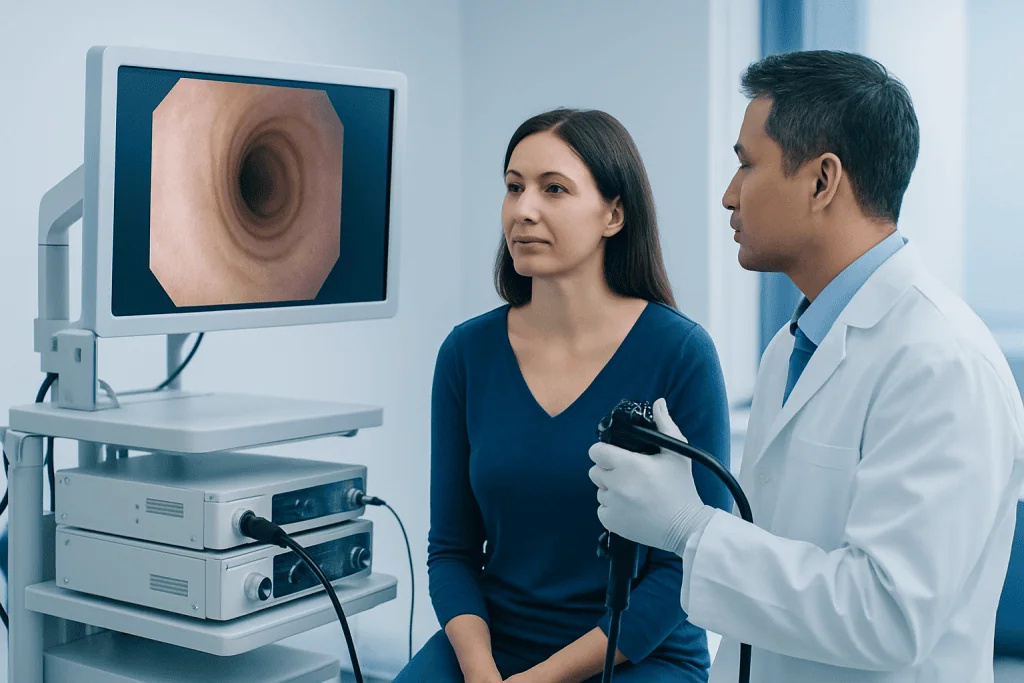
Swallowing begins in the mouth and throat, but the esophagus completes the journey to the stomach. After a person swallows, the upper esophageal sphincter opens briefly, allowing food to enter the tube. The muscles then contract in sequence to move the food downward.
At the lower end, the lower esophageal sphincter relaxes so food can enter the stomach. It then closes again to reduce backflow of acidic stomach contents. If this valve becomes weak or relaxes at the wrong time, reflux can occur and irritate the esophagus over time.
The esophagus has no major role in digestion itself, but it plays an essential transport and protective role. Because swallowing involves the mouth, throat, nerves, and stomach as well, symptoms that seem to come from the esophagus can sometimes overlap with conditions elsewhere in the digestive tract.
Symptoms that may signal an esophagus problem

Symptoms related to the esophagus can vary widely. Some people notice burning behind the breastbone after meals, while others mainly experience trouble swallowing or repeated regurgitation of food or sour liquid. Symptoms may be occasional or persistent.
Common symptoms include:
- Heartburn or a burning feeling in the chest
- Difficulty swallowing, also called dysphagia
- Pain with swallowing
- The sensation that food is sticking in the chest or throat
- Chest discomfort not clearly related to the heart
- Regurgitation of food or stomach acid
- Chronic cough, hoarseness, or throat clearing linked to reflux
Symptoms should not be ignored if they are frequent, progressive, or associated with weight loss, vomiting, or bleeding. Although many esophagus complaints are caused by common conditions such as reflux disease, similar symptoms can also occur with narrowing, inflammation, motility disorders, or cancer.
Common conditions affecting the esophagus
Several different disorders can affect the esophagus. Gastroesophageal reflux disease is one of the most common. In this condition, stomach acid repeatedly flows back into the esophagus, causing irritation and symptoms such as heartburn or sour regurgitation. Over time, chronic acid exposure may inflame the lining.
Inflammation can also happen for other reasons, including infections, certain medicines, radiation treatment, or allergic conditions such as eosinophilic esophagitis. Some people develop strictures, which are narrow areas that make swallowing difficult. Motility disorders, such as achalasia, affect how the muscles and sphincters of the esophagus move food toward the stomach.
Less commonly, the esophagus can develop ulcers, tears, or tumors. Long-standing reflux may contribute to changes in the lining known as Barrett esophagus, which is a condition doctors monitor because it can increase the risk of esophageal cancer in some patients. The presence of symptoms does not automatically mean cancer, but it does mean proper evaluation matters.
Doctors may also consider whether symptoms are being caused by nearby organs or referred pain. For example, some chest symptoms may come from the heart, lungs, or gallbladder rather than the esophagus, which is one reason self-diagnosis is not always reliable.
Causes and risk factors
Esophagus problems may develop because of mechanical, inflammatory, muscular, or lifestyle-related factors. Repeated acid exposure, certain foods that trigger reflux, obesity, smoking, alcohol use, and lying down soon after meals can all contribute to symptoms in some people. Pregnancy and hiatal hernia may also increase reflux.
Some medications can irritate the esophagus if they do not pass quickly into the stomach, especially when taken with too little water or just before lying down. Allergic or immune-related conditions can inflame the esophageal lining. Age-related changes, prior surgery, radiation, or scarring from chronic inflammation may also lead to narrowing.
Motility disorders often arise from problems in the nerves or muscles that control swallowing. In other cases, no single clear cause is identified at first. Risk factors that may make doctors more concerned include older age, longstanding reflux symptoms, progressive difficulty swallowing, smoking, heavy alcohol use, unexplained weight loss, or a family or personal history of upper digestive tract disease.
How doctors diagnose esophagus disorders
Diagnosis usually starts with a detailed medical history. A doctor will ask what the symptoms feel like, how often they occur, whether they are linked to meals, and whether swallowing solids, liquids, or both is difficult. Associated symptoms such as anemia, vomiting, chronic cough, or weight loss can help guide the next steps.
One of the most useful tests is upper endoscopy, in which a thin flexible camera is used to examine the esophagus, stomach, and first part of the small intestine. This test can identify inflammation, ulcers, narrowing, Barrett changes, and tumors, and it allows tissue samples to be taken if needed. Patients who need direct examination and treatment planning may be evaluated with endoscopy.
Other tests may include a barium swallow, which shows the shape and passage of food through the esophagus on imaging, or esophageal manometry, which measures muscle contractions and sphincter function. In patients with suspected reflux, pH monitoring can help determine how often acid reaches the esophagus. Depending on the situation, doctors may also recommend specialist gastroenterology evaluation for a more complete assessment.
The choice of tests depends on the patient’s age, symptoms, medical history, and exam findings. Not every symptom requires every test. The goal is to find the underlying cause accurately so treatment can be matched to the problem rather than just the symptom.
Treatment options and long-term care
Treatment for esophagus disorders depends on the diagnosis. Mild reflux symptoms may improve with changes in meal timing, weight management when appropriate, avoiding individual trigger foods, limiting alcohol, and not lying down soon after eating. Doctors may also recommend medicines that reduce or neutralize stomach acid.
If there is inflammation from reflux or other causes, treatment may focus on healing the lining and preventing further irritation. Narrowed areas of the esophagus can sometimes be widened with endoscopic procedures. Allergic inflammation may require dietary management and specialist-directed medications. Motility disorders may need targeted therapies to improve swallowing or reduce pressure at the lower esophageal sphincter.
Some patients need surgery or advanced procedures when symptoms are severe, complications develop, or medicines are not enough. For selected structural or reflux-related conditions, reflux surgery may be considered after careful evaluation. If cancer is diagnosed, management may include endoscopic therapy, surgery, chemotherapy, radiation, or combined care through a multidisciplinary team, sometimes involving esophageal cancer treatment.
Long-term care can include follow-up endoscopy, symptom monitoring, and adjustment of treatment plans over time. Near the end of the care pathway, some international patients may choose centers such as Acibadem International, where multidisciplinary specialists in JCI-accredited hospitals diagnose and treat esophagus conditions according to individual clinical needs.
Prevention, self-care, and when to seek medical care
Not all esophagus disorders can be prevented, but some everyday steps may reduce irritation and improve comfort. Eating more slowly, chewing food thoroughly, drinking enough water with pills, maintaining a healthy body weight, and avoiding late heavy meals can be helpful. People with reflux symptoms may also benefit from identifying personal triggers rather than assuming the same triggers affect everyone.
It is sensible to seek medical care if symptoms are frequent, do not improve, or return repeatedly. Prompt assessment is especially important for difficulty swallowing, food getting stuck, painful swallowing, black stools, vomiting blood, ongoing vomiting, chest pain, or unexplained weight loss. These symptoms do not always indicate a serious condition, but they should be evaluated without delay.
Emergency care is important for sudden inability to swallow, severe chest pain, or a suspected food blockage that does not pass. Because chest pain can sometimes be caused by the heart rather than the esophagus, it should never be dismissed. A doctor can help determine the cause safely and recommend the most appropriate next step.
Frequently asked questions
What is the esophagus?
The esophagus is the muscular tube that carries food and liquids from the throat to the stomach. It does not digest food, but it is essential for safe, coordinated swallowing.
What are the most common symptoms of an esophagus problem?
Common symptoms include heartburn, regurgitation, difficulty swallowing, chest discomfort, and the feeling that food is stuck. Some people also develop chronic cough, hoarseness, or throat irritation when reflux affects the upper airway.
Is heartburn always a sign of an esophagus disease?
Not always. Occasional heartburn can happen after certain meals, but frequent or persistent heartburn may suggest reflux disease or irritation of the esophagus. Repeated symptoms should be discussed with a doctor, especially if they interfere with daily life.
Why does food feel like it gets stuck when swallowing?
This sensation can happen when the esophagus is narrowed, inflamed, or not moving food normally. It may be caused by reflux-related scarring, allergic inflammation, or a motility disorder. Because swallowing difficulty can worsen over time, medical assessment is important.
How do doctors check the esophagus?
Doctors often begin with a symptom review and physical examination, then choose tests based on the suspected cause. Common tests include upper endoscopy, barium swallow imaging, manometry to assess muscle function, and pH testing for reflux.
Can esophagus problems be treated successfully?
Many esophagus conditions can be managed effectively once the cause is identified. Treatment may involve lifestyle changes, medications, endoscopic procedures, or surgery, depending on the diagnosis and severity.
References
- National Institute of Diabetes and Digestive and Kidney Diseases
- American College of Gastroenterology
- National Cancer Institute
- Mayo Clinic
- World Health Organization
This article is for general information only and is not a substitute for professional medical advice. Please consult a qualified doctor about your individual situation.
Persistent digestive symptoms? Get evaluated in Turkey
JCI-accredited · board-certified surgeons · reply within 24h
Add us as a Preferred Source to see more of our trusted health content across Google Search, AI Overviews and Discover.

More from the Health Library



Related Specialists

Dyt. Büşra Nur Enez Baş
Nutrition & Diet
Dr. Cem Tangay
Orthopedic Surgery & Traumatology
Prof. Dr. Javad Parvızı
Orthopedic Surgery & Traumatology
Prof. Dr. Deniz Tuna Edizer
Otorhinolaryngology