Scrotum: A Complete Medical Overview
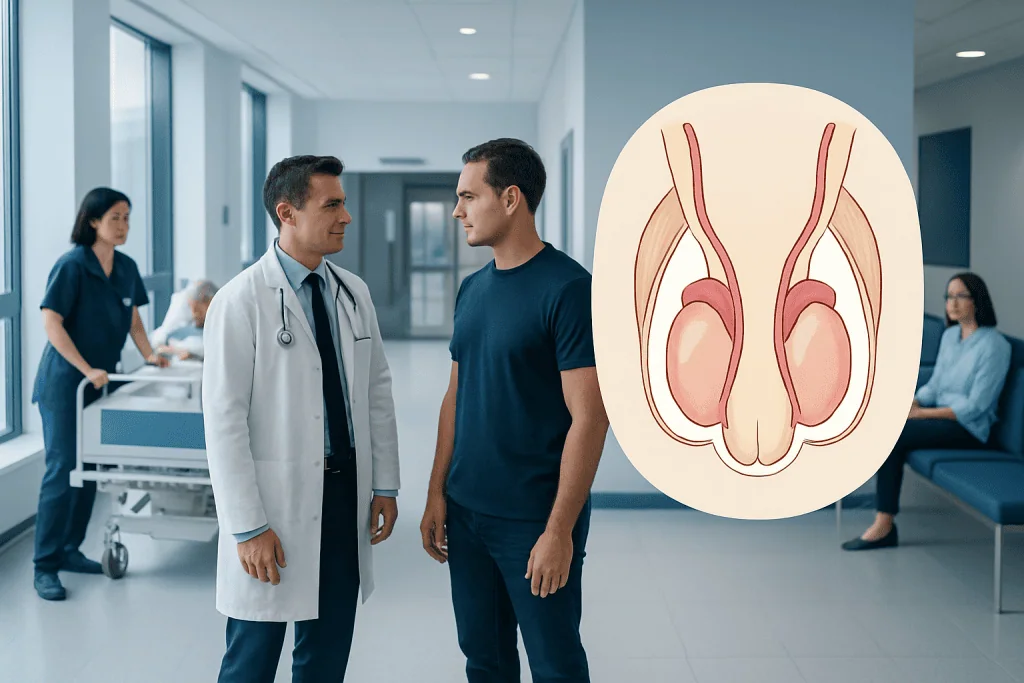
The scrotum protects the testicles and helps regulate their temperature. Pain, swelling, redness, lumps, or sudden changes in the scrotum should not be ignored.
Key Takeaways
- The scrotum protects the testicles and helps regulate their temperature.
- Pain, swelling, redness, lumps, or sudden changes in the scrotum should not be ignored.
- Some scrotal problems are minor, but sudden severe pain can be a medical emergency.
- Doctors diagnose scrotal symptoms with a physical exam, ultrasound, and other tests when needed.
- Good hygiene, self-awareness, and prompt medical review of new symptoms support scrotal health.
The scrotum is the skin-covered sac below the penis that holds the testicles and helps keep them at the right temperature for healthy sperm production. Understanding normal scrotum anatomy, common symptoms, and when changes need medical evaluation can help people seek timely care without unnecessary worry.
Overview: what the scrotum is and what it does
The scrotum is the pouch of skin and supporting tissue located below the penis. It contains the testicles, along with important structures such as the epididymis and part of the spermatic cord. Although it may seem simple from the outside, the scrotum plays an essential role in male reproductive and hormonal health.
Its main job is protection and temperature control. The testicles need to stay slightly cooler than core body temperature for normal sperm production. The scrotum helps achieve this by moving the testicles closer to the body in cold conditions and farther away when it is warm. Small muscles in the scrotal wall help with this natural adjustment.
The scrotum also contains nerves and blood vessels, which is why it can be sensitive to pressure, injury, and inflammation. Mild changes in appearance can be normal from day to day, especially with temperature or physical activity. However, new pain, swelling, a lump, or a feeling of heaviness should be assessed if it persists or appears suddenly.
Normal anatomy and common variations
The scrotum is divided into two sides by a thin internal partition called the septum. Each side usually contains one testicle. It is common for one testicle, often the left, to hang slightly lower than the other. This is usually a normal anatomical variation rather than a sign of disease.
The skin of the scrotum is different from skin elsewhere on the body. It is thinner, more flexible, and may appear darker in color. Small bumps related to hair follicles or sebaceous glands can also be normal. In some people, visible veins are more noticeable, especially after standing for long periods or in warm conditions.
What matters most is knowing what is typical for that individual. A normal scrotum should not have persistent pain, rapidly increasing size, marked redness, or a hard new lump. Changes can arise from the skin itself or from structures inside the scrotum, so a medical exam may be needed to tell the difference.
- Normal variations include slight asymmetry, temporary tightening in cold weather, and mild skin wrinkling.
- Not all scrotal lumps come from the testicle itself.
- A new, firm, or growing lump should be checked by a doctor.
Symptoms that may affect the scrotum

Scrotal symptoms can range from mild discomfort to sudden severe pain. People may notice aching, swelling, a dragging sensation, redness, warmth, itching, skin irritation, or a lump. Some symptoms involve the skin, while others come from deeper structures such as the testicle, epididymis, or blood vessels.
Pain is one of the most important symptoms because its timing and intensity can offer clues. Sudden, severe pain may occur with testicular torsion, an emergency in which the blood supply to the testicle is reduced or blocked. More gradual pain may be caused by infection, inflammation, injury, or strain. Swelling may result from fluid buildup, infection, hernia, enlarged veins, or trauma.
Other warning signs include fever, nausea, pain with urination, discharge from the penis, a scrotum that becomes very tender to touch, or a testicle that seems to sit higher than usual. A painless lump can also be important, because some testicular conditions cause little discomfort at first. Related conditions may include testicular cancer or inguinal hernia, so persistent changes should be evaluated rather than assumed to be harmless.
Causes and risk factors for scrotal problems
Scrotal problems have many possible causes. Infections can affect the skin, epididymis, or testicle. Inflammation may occur after infection, injury, or less commonly because of autoimmune processes. Fluid can collect around a testicle, causing a hydrocele, while enlarged veins can lead to a varicocele. A cyst in the epididymis may also create a noticeable lump.
Trauma is another common cause. Sports injuries, accidental impact, or friction can lead to bruising, swelling, or pain. Less urgent causes include rashes, fungal infections, ingrown hairs, and irritation from sweat or tight clothing. In children and young adults, torsion is especially important to rule out when severe pain starts suddenly.
Some risk factors depend on the condition. Sexually transmitted infections can increase the risk of epididymitis. Heavy lifting and weakness in the abdominal wall can contribute to a hernia. A history of undescended testicle raises the risk for certain testicular disorders later in life. In other cases, no clear trigger is found, which is why proper evaluation matters when symptoms do not quickly improve.
- Possible causes include infection, inflammation, trauma, hernia, fluid collections, enlarged veins, and skin conditions.
- Sudden pain is more concerning than mild, stable discomfort.
- Age, sexual health history, prior surgery, and previous testicular conditions may affect risk.
How doctors diagnose scrotum symptoms
Diagnosis starts with a careful history and physical examination. A doctor will usually ask when the symptoms started, whether the pain was sudden or gradual, whether there has been fever or urinary symptoms, and whether there was any injury. They may examine the scrotum while the patient is standing and lying down to look for swelling, tenderness, skin changes, or a mass.
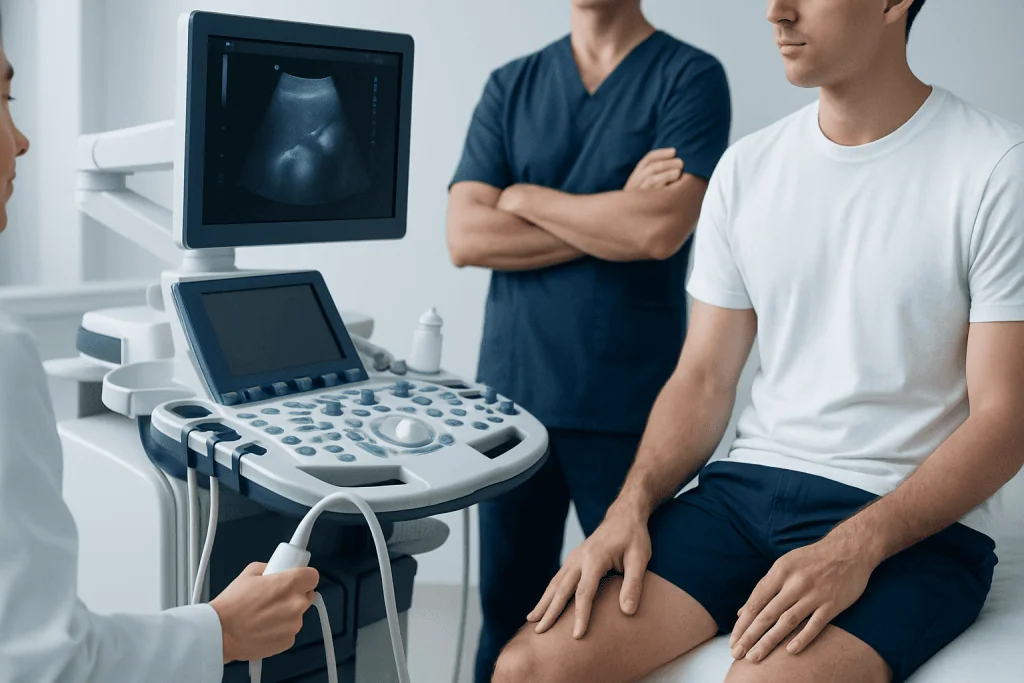
Scrotal ultrasound is one of the most useful tests because it can show the testicles, surrounding tissues, blood flow, fluid collections, and suspicious masses. Doppler ultrasound is especially important when torsion is a concern, as it helps assess blood supply. Urine tests and tests for infection may be recommended when urinary symptoms or inflammation are present.
Additional evaluation depends on the suspected cause. Some people may need blood tests, imaging of the groin, or referral to a urologist. If there is concern about a tumor, doctors may order further imaging and lab tests, and treatment planning may involve urology care or oncology evaluation when appropriate. Early diagnosis helps guide the right treatment and may prevent complications.
Treatment options and what recovery may involve
Treatment depends entirely on the cause. Minor skin irritation may improve with hygiene measures, breathable clothing, and avoidance of friction or harsh products. Infections may require antibiotics or other medications, while inflammation may be managed with rest, scrotal support, and pain relief recommended by a doctor. Not every episode of discomfort needs a procedure, but symptoms should be assessed if they are significant or persistent.
Certain conditions need prompt intervention. Testicular torsion usually requires urgent surgery to restore blood flow and protect the testicle. A large or symptomatic hernia may need surgical treatment. Some fluid collections, cysts, or varicoceles only need monitoring, but others may be treated if they cause pain, fertility concerns, or discomfort.
Recovery varies by diagnosis. Many mild conditions settle with conservative care in days to weeks. Surgical recovery can take longer and may involve temporary activity limits, scrotal support, and follow-up visits. In complex or unclear cases, a multidisciplinary team may be useful; Acibadem International’s multidisciplinary specialists in JCI-accredited hospitals diagnose and treat scrotal and related urologic conditions for international patients.
Prevention, self-care, and scrotal awareness
Not all scrotal conditions can be prevented, but a few practical steps can support scrotal health. Good hygiene helps reduce skin irritation and infection. Breathable underwear, prompt changing after exercise, and keeping the area dry can also be useful, especially in hot weather or after heavy sweating.
Protective equipment matters during contact sports or activities with a risk of groin injury. It is also sensible to avoid ignoring repeated discomfort after exercise, heavy lifting, or trauma. People who are sexually active can reduce the risk of some infections by practicing safer sex and seeking testing when symptoms suggest a sexually transmitted infection.
Regular self-awareness is more useful than frequent anxious checking. The goal is simply to notice what is normal and recognize a new lump, new swelling, persistent heaviness, or a clear change in size or shape. If a person is unsure whether a finding is normal, a doctor can help clarify it. This is particularly important if there is a family history of testicular disease or a personal history of undescended testicle.
When to seek medical care
Medical care should be sought urgently for sudden severe scrotal pain, pain with nausea or vomiting, rapid swelling, major injury, a testicle that appears higher than usual, or a scrotum that becomes red and very tender. These features can be seen in conditions that need rapid treatment, including torsion or significant infection.
Routine medical review is also important for a new lump, ongoing ache, scrotal heaviness, swelling that does not settle, skin changes that persist, or symptoms linked with urination or fever. Even when the cause is not serious, an accurate diagnosis can bring reassurance and help prevent complications.
Parents should seek prompt advice for children or teenagers with scrotal pain because younger patients may not describe symptoms clearly, and urgent problems can progress quickly. Anyone with symptoms after surgery, cancer treatment, or known hernia should also contact a qualified doctor for guidance. If there is any doubt, timely assessment is the safest approach.
Frequently asked questions
What is the scrotum and why is it outside the body?
The scrotum is the sac of skin that contains the testicles and related structures. It sits outside the body because the testicles need a slightly cooler temperature than core body temperature for normal sperm production and function.
Is it normal for one side of the scrotum to hang lower?
Yes. In many people, one side of the scrotum hangs lower than the other, and this is usually a normal variation. What matters more is whether there has been a sudden change, pain, swelling, or a new lump.
When is scrotal pain an emergency?
Scrotal pain is an emergency when it starts suddenly, becomes severe, or is associated with nausea, vomiting, rapid swelling, or a testicle that seems out of position. These symptoms can occur with testicular torsion, which needs urgent medical treatment.
Can a scrotal lump be harmless?
Yes, some scrotal lumps are caused by harmless conditions such as cysts, fluid collections, or enlarged veins. However, any new lump should be examined by a doctor, because some important conditions are painless at first.
How do doctors check scrotum problems?
Doctors usually begin with questions about symptoms and a physical examination. Many patients also have a scrotal ultrasound, which helps show blood flow, fluid, inflammation, or masses inside the scrotum.
Can scrotal problems affect fertility?
Some can. Conditions involving the testicles, blood supply, infection, or enlarged veins may affect sperm production or sperm transport in certain cases. The effect depends on the cause, severity, and how quickly treatment is started.
Should a person examine the scrotum regularly?
Simple self-awareness is helpful, especially to notice new lumps, swelling, or changes in size or shape. It does not need to be done obsessively, but becoming familiar with what is normal can make it easier to recognize changes that deserve medical review.
References
- American Urological Association
- National Institute of Diabetes and Digestive and Kidney Diseases
- Urology Care Foundation
- Mayo Clinic
- Merck Manual Consumer Version
This article is for general information only and is not a substitute for professional medical advice. Please consult a qualified doctor about your individual situation.
Explore treatments in Turkey — costs, top hospitals & a free quote
JCI-accredited · board-certified surgeons · reply within 24h
Add us as a Preferred Source to see more of our trusted health content across Google Search, AI Overviews and Discover.