Pulmonary Hypertension: What Patients Need to Know

Pulmonary hypertension means raised pressure in the blood vessels of the lungs, not the usual blood pressure measured in the arm. Common symptoms include shortness of breath, tiredness, chest discomfort, dizziness, and leg swelling.
Key Takeaways
- Pulmonary hypertension means raised pressure in the blood vessels of the lungs, not the usual blood pressure measured in the arm.
- Common symptoms include shortness of breath, tiredness, chest discomfort, dizziness, and leg swelling.
- It can develop for several different reasons, including heart disease, lung disease, blood clots, autoimmune disease, or changes in the lung arteries themselves.
- Diagnosis often requires several tests, and right heart catheterization is used to confirm the condition.
- Treatment depends on the cause and may include medicines, oxygen, lifestyle changes, and procedures in selected cases.
- Early medical attention is important if symptoms are new, worsening, or associated with fainting or chest pain.
<a href="https://acibademinternational.com/diseases/pulmonary-hypertension/”>Pulmonary hypertension is high blood pressure in the arteries that carry blood from the heart to the lungs. It is a serious but treatable condition, and prompt evaluation can help identify the cause, reduce symptoms, and protect heart and lung function.
Overview
Pulmonary hypertension is a condition in which pressure becomes abnormally high inside the arteries of the lungs. This makes it harder for the right side of the heart to pump blood forward. Over time, that extra strain can affect both exercise capacity and overall heart function.
Many people first notice pulmonary hypertension as unexplained breathlessness or fatigue during everyday activities. Because these symptoms can resemble asthma, deconditioning, anemia, or common heart and lung problems, the condition is sometimes recognized later than patients expect. A careful medical assessment is important, especially when symptoms persist or gradually worsen.
Pulmonary hypertension is not a single disease with one cause. It is a broad term that includes several different forms. In some people, the problem begins mainly in the lung arteries themselves, often called pulmonary arterial hypertension. In others, it develops because of left-sided heart disease, chronic lung disease, sleep-related breathing disorders, or old blood clots in the lungs.
The good news is that treatment has improved considerably. Even when pulmonary hypertension cannot be fully cured, identifying the type and underlying cause can help doctors choose therapies that ease symptoms, improve activity tolerance, and reduce stress on the heart.
Symptoms and how it can affect daily life
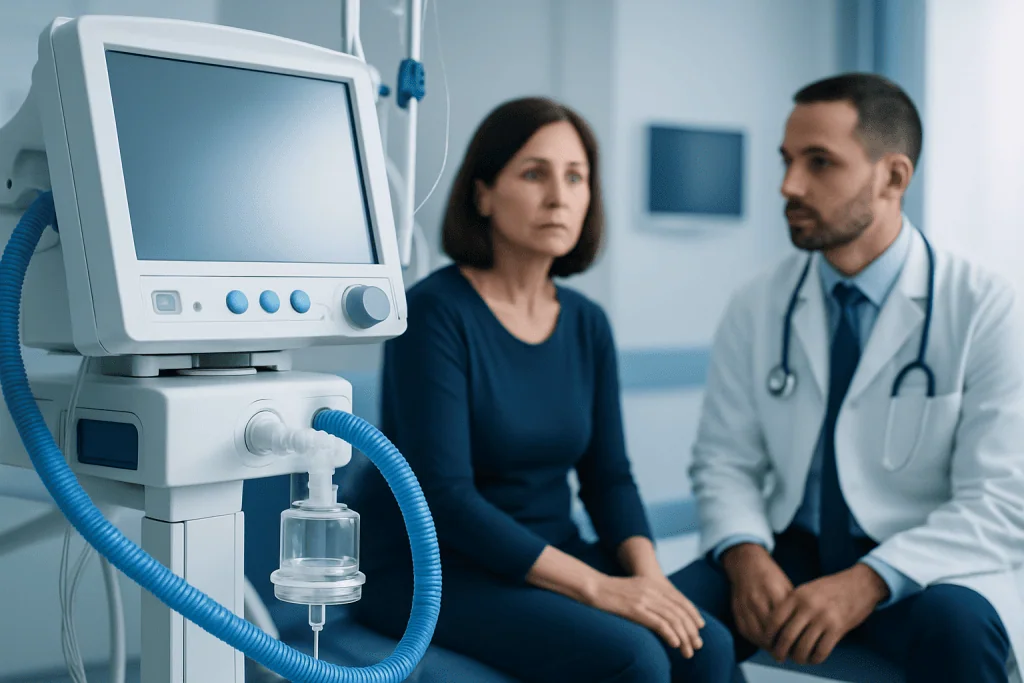
Symptoms often start gradually. The most common early complaint is shortness of breath during physical activity, such as walking uphill, climbing stairs, or carrying groceries. As the condition progresses, some people become breathless even with light activity or at rest.
Other symptoms can include unusual tiredness, weakness, chest pressure, a racing heartbeat, dizziness, and fainting. Swelling in the ankles, legs, or abdomen may develop when the right side of the heart is under more strain. Some people also notice a dry cough or reduced ability to exercise compared with their usual level.
These symptoms can affect work, travel, sleep, and emotional well-being. Everyday tasks may begin to feel more demanding, and people may limit activity without realizing how much their routine has changed. Because symptoms are not always specific, it helps to track when they occur, what triggers them, and whether they are getting worse.
- Shortness of breath, especially with exertion
- Fatigue or low energy
- Chest discomfort or pressure
- Dizziness or fainting
- Palpitations
- Swelling of the legs or abdomen
Causes and risk factors

Doctors classify pulmonary hypertension into groups because the cause strongly influences treatment. One major group is caused by disease affecting the lung arteries directly, known as pulmonary arterial hypertension. Another common group happens when left-sided heart conditions raise pressure backward into the lungs. This may occur with heart valve disease or heart failure, including heart failure.
Lung conditions are another important cause. Chronic obstructive pulmonary disease, interstitial lung disease, and low oxygen levels during sleep can all contribute. In some people, repeated or unresolved blood clots in the lungs lead to a form called chronic thromboembolic pulmonary hypertension. Less commonly, liver disease, congenital heart disease, connective tissue diseases such as scleroderma, HIV infection, or certain medicines and toxins may play a role.
Risk factors depend on the underlying type. Family history may matter in inherited forms. Smoking, obesity, long-standing sleep apnea, chronic lung disease, autoimmune conditions, and a history of pulmonary embolism can all increase risk. Older age can also raise the likelihood of forms related to heart or lung disease.
Not everyone with risk factors will develop pulmonary hypertension. Still, unexplained breathlessness in a person with heart disease, chronic lung disease, or prior blood clots deserves attention rather than being dismissed as normal aging or poor fitness.
How pulmonary hypertension is diagnosed
Diagnosis usually begins with a detailed medical history and physical examination. A doctor will ask about breathlessness, fainting, chest symptoms, leg swelling, sleep quality, past lung or heart problems, family history, and any previous blood clots. Listening to the heart and lungs, checking oxygen levels, and looking for signs of fluid retention can provide important clues.
Several tests help assess the possibility of pulmonary hypertension and search for its cause. These may include blood tests, an electrocardiogram, chest X-ray, lung function testing, walking tests, and imaging of the lungs or heart. Echocardiography is often a key first test because it can estimate pressure in the right side of the heart and show how well the heart chambers are working. In some cases, doctors also evaluate for lung embolism or chronic clot-related disease.
The diagnosis is confirmed with right heart catheterization. This procedure measures pressures directly inside the heart and lung arteries and helps determine the type and severity of the condition. It may sound intimidating, but it is a standard and very important step when pulmonary hypertension is strongly suspected or when targeted treatment is being considered.
Because this condition can have many causes, diagnosis is often best managed by a team that includes cardiology, pulmonary, imaging, and sometimes rheumatology or hematology specialists. Accurate classification is essential, since treatments that help one form may not be appropriate for another.
Treatment options
Treatment for pulmonary hypertension depends on the cause, the severity of symptoms, and how the heart and lungs are functioning. The first goal is to treat any underlying condition, such as left-sided heart disease, chronic lung disease, sleep apnea, or chronic blood clots. Supportive care may include oxygen therapy when oxygen levels are low, diuretics to reduce fluid build-up, and supervised activity plans to maintain conditioning without overexertion.
When pulmonary arterial hypertension is confirmed, doctors may recommend specialized medicines that relax or widen the lung arteries and improve blood flow. These treatments are chosen carefully based on test results and may be given alone or in combination. Some patients also need anticoagulation, depending on the cause and their overall risk profile, while others may benefit from cardiac rehabilitation or structured exercise support under medical guidance.
Selected patients with chronic clot-related pulmonary hypertension may be evaluated for procedures or surgery to remove obstructing material from the lung arteries. In advanced cases, doctors may consider interventional options, intensive medical therapy, or lung transplantation evaluation. If treatment of associated heart disease is central, a broader cardiology evaluation and treatment plan may be part of care.
Follow-up is an ongoing part of treatment. Doctors monitor symptoms, exercise capacity, oxygen levels, heart function, and side effects to adjust therapy over time. Near the end of the care pathway, some international patients may choose assessment at centers such as Acibadem International, where multidisciplinary specialists in JCI-accredited hospitals diagnose and treat pulmonary hypertension and related heart-lung conditions.
Living with pulmonary hypertension: self-care and prevention
Self-care cannot replace medical treatment, but it can make day-to-day life safer and more manageable. Patients are usually advised to pace activities, allow time for rest, and avoid pushing through severe breathlessness or dizziness. Keeping all follow-up appointments and taking medicines exactly as prescribed are especially important because symptoms do not always reflect what is happening inside the heart and lungs.
Healthy habits support overall heart and lung function. Avoiding smoking and secondhand smoke is essential. Vaccination against influenza and pneumococcal disease may be recommended, since respiratory infections can worsen symptoms. A balanced diet, salt awareness if fluid retention is an issue, and attention to body weight can also help reduce strain on the body.
People with pulmonary hypertension should discuss travel, altitude, pregnancy, and exercise with their doctor because these issues may require individualized advice. Long flights or high elevations can be challenging for some patients, especially if oxygen levels run low. A clinician can help decide whether oxygen, medication review, or extra planning is needed.
Prevention mainly focuses on reducing risks that can lead to pulmonary hypertension: managing heart and lung disease well, treating sleep apnea, preventing blood clots when risk is high, and seeking early evaluation for ongoing unexplained breathlessness. Where lung disease is part of the picture, specialists may also advise broader pulmonary rehabilitation measures to support breathing and endurance.
When to seek medical care
Medical care is important when shortness of breath is new, unexplained, or gradually worsening over weeks or months. A patient should also arrange an evaluation if they are getting tired much more easily than usual, cannot keep up with normal activity, or notice swelling in the ankles or abdomen.
Urgent care is needed for chest pain, fainting, severe breathlessness at rest, blue lips, confusion, or sudden worsening of symptoms. These signs can reflect significant strain on the heart or lungs and should not be ignored. People already diagnosed with pulmonary hypertension should seek prompt advice if symptoms increase despite treatment or if they develop signs of infection, fluid retention, or medication side effects.
It is reasonable to ask for specialist assessment when pulmonary hypertension is suspected, because the diagnosis and treatment plan can be complex. Early evaluation helps clarify whether symptoms are related to the lungs, the heart, blood clots, sleep problems, or another medical condition.
Frequently asked questions
Is pulmonary hypertension the same as regular high blood pressure?
No. Pulmonary hypertension refers to high pressure in the blood vessels of the lungs, while regular high blood pressure usually means elevated pressure in the body's main arteries. A person may have one condition, the other, or both.
Can pulmonary hypertension be cured?
That depends on the cause. Some cases improve when the underlying problem is treated, while other forms are long-term conditions that require ongoing management. Even when it is not curable, treatment can often reduce symptoms and slow progression.
What is the first sign of pulmonary hypertension?
The earliest sign is often shortness of breath during activity that used to feel easy. Some people also notice unusual fatigue or reduced stamina before other symptoms appear. Because these changes can be subtle, they are sometimes mistaken for stress, aging, or poor fitness.
How serious is pulmonary hypertension?
Pulmonary hypertension is a serious medical condition because it can place increasing strain on the right side of the heart. However, seriousness varies widely from person to person depending on the cause, severity, and response to treatment. Early diagnosis and expert follow-up can make an important difference.
What tests are used to confirm pulmonary hypertension?
Doctors often start with an echocardiogram and other heart and lung tests to estimate pressure and look for possible causes. The diagnosis is confirmed with right heart catheterization, which directly measures pressures in the heart and lung arteries. Additional imaging and blood tests help classify the type.
Can exercise help if someone has pulmonary hypertension?
Gentle, supervised physical activity can be helpful for many patients, but exercise plans should be individualized. Overexertion can worsen symptoms in some cases, especially if the condition is advanced or unstable. It is safest to follow a doctor's advice or a structured rehabilitation program.
References
- World Health Organization
- American Heart Association
- European Society of Cardiology
- National Heart, Lung, and Blood Institute
- American Thoracic Society
This article is for general information only and is not a substitute for professional medical advice. Please consult a qualified doctor about your individual situation.
Pulmonary Hypertension in Turkey — costs, top hospitals & a free quote
JCI-accredited · board-certified surgeons · reply within 24h
Add us as a Preferred Source to see more of our trusted health content across Google Search, AI Overviews and Discover.
Check your numbers in seconds
BMI, calories, due date, blood pressure and 30+ more clinical calculators — free, instant, doctor-reviewed ranges.