Constipation Relief: What Works, What Does Not, and Safety Notes

Most constipation relief plans begin with lifestyle measures, but not every home remedy has strong evidence. Fiber helps many people, especially with low-fiber diets, but it should be increased gradually and paired with adequate fluids.
Key Takeaways
- Most constipation relief plans begin with lifestyle measures, but not every home remedy has strong evidence.
- Fiber helps many people, especially with low-fiber diets, but it should be increased gradually and paired with adequate fluids.
- Osmotic laxatives and some stimulant laxatives are commonly used options; choice should fit symptoms and medical history.
- Red-flag symptoms such as blood in stool, severe pain, vomiting, fever, or unexplained weight loss need prompt medical assessment.
- Persistent or recurrent constipation can be linked to medications, pelvic floor problems, thyroid disease, or bowel disorders.
Constipation relief is often possible with a few evidence-based steps: more fluids if intake is low, gradual fiber, regular movement, and short-term use of the right laxative when needed. The safest approach depends on the cause, how long symptoms have lasted, and whether warning signs are present.
Constipation relief: what usually works first
Constipation relief usually works best when it starts with practical, evidence-based steps rather than a long list of unproven remedies. For many adults, the most reliable first measures are increasing fluid intake if it has been low, adding fiber gradually, staying physically active, and using a proven over-the-counter laxative when lifestyle steps are not enough. The right choice depends on the person’s usual bowel pattern, diet, medications, and whether constipation is new or long-standing.
Constipation itself is not only about how often bowel movements happen. It can also mean hard or dry stools, straining, a sense of incomplete emptying, or needing manual help to pass stool. Some people have occasional constipation related to travel, diet changes, or dehydration, while others have chronic symptoms that may reflect a digestive condition, medication side effect, or pelvic floor problem.
Not every remedy promoted online has equal support. Warm drinks, prunes, kiwi, and toilet posture changes may help some people and are generally reasonable to try, but they are not substitutes for proper evaluation when symptoms persist. By contrast, gradual fiber intake, appropriate laxatives, and assessment of underlying causes are better supported by clinical practice guidance.
What counts as constipation and why it happens
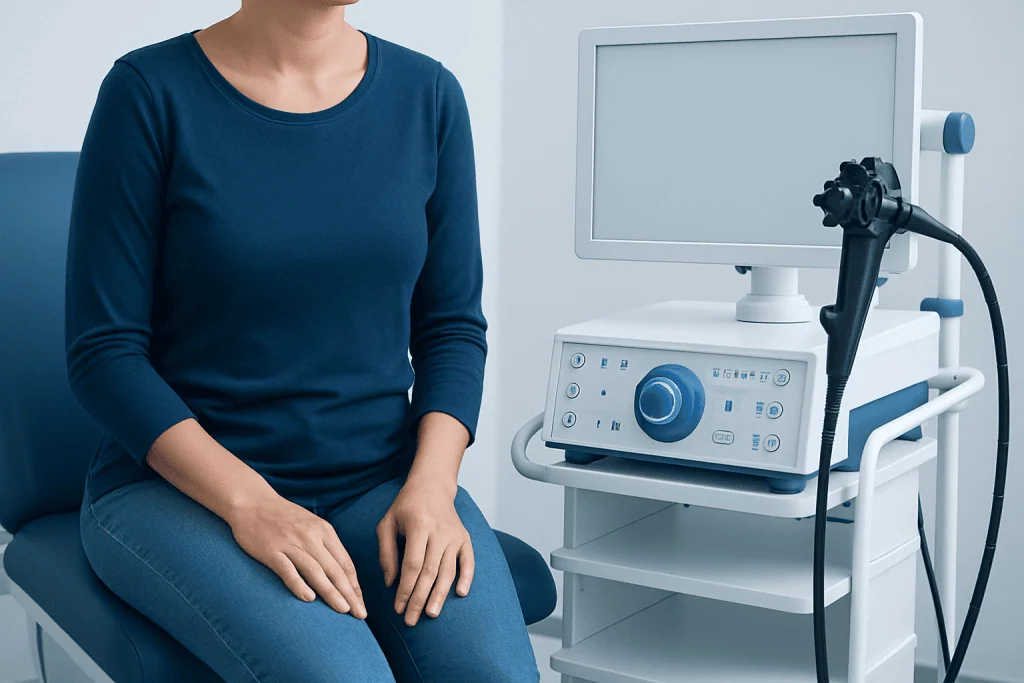
Constipation has several possible causes, and understanding them helps guide treatment. A common reason is slow movement of stool through the colon, which can happen with low fiber intake, low fluid intake, inactivity, or changes in routine. Another important cause is difficulty coordinating the muscles used for bowel movements, sometimes called a defecation disorder or pelvic floor dysfunction.
Medications are a frequent trigger. Opioid pain medicines, some antidepressants, iron supplements, calcium-containing products, and certain blood pressure medicines can all contribute. Medical conditions such as hypothyroidism, diabetes, neurological disorders, and pregnancy can also slow bowel function. In some cases, constipation overlaps with irritable bowel syndrome, especially when abdominal discomfort and bloating are prominent.
Age matters too. Older adults may be more affected because of reduced mobility, multiple medications, or changes in appetite and hydration. Children can develop constipation from stool withholding after a painful bowel movement, while adults may develop a cycle of fear, straining, and incomplete emptying. When constipation is persistent, it is important to look beyond symptom relief and consider the underlying reason.
Evidence-backed options for constipation relief

Fiber is one of the most established constipation relief tools, especially when symptoms are linked to a low-fiber diet. Soluble and insoluble fibers can both help add bulk and improve stool consistency, but they should be increased slowly to reduce gas and bloating. Fiber tends to work best when paired with adequate hydration. Food sources include vegetables, fruit, legumes, and whole grains, while supplements such as psyllium are also commonly used.
Fluids help most when a person is not drinking enough to begin with. Simply forcing large amounts of water does not reliably solve constipation in everyone, but correcting low fluid intake is sensible and safe for most people. Physical activity may also support regular bowel movements, particularly in people whose symptoms worsen with inactivity or sedentary habits.
When lifestyle measures are not enough, over-the-counter laxatives can be effective. Osmotic laxatives draw water into the bowel and are often used for short-term relief or chronic constipation under medical guidance. Stimulant laxatives can also be helpful, especially for rescue treatment when stools have not passed for several days, but they should be used thoughtfully. Stool softeners may help in selected cases, such as after surgery or when straining should be minimized, but they are generally less effective than some other options.
Some people with ongoing symptoms may need specialist evaluation and tailored treatment through gastroenterology care. If constipation is related to structural problems, severe motility issues, or another digestive disease, treatment should focus on the cause rather than repeated self-treatment alone.
Options with mixed or limited evidence
Many home remedies are popular, but not all are supported equally. Prunes have reasonable evidence and may help because they provide fiber and natural sugar alcohols that can draw water into the bowel. Kiwi fruit has also shown promise in some studies. These food-based approaches are generally safe for many people, although they may cause bloating in those with sensitive digestion.
Warm water, coffee, abdominal massage, probiotics, and herbal teas are more variable. Some individuals find them helpful, but clinical evidence is inconsistent, and they do not work for everyone. Coffee can stimulate bowel activity in some people, yet it may worsen symptoms in others, especially if it contributes to dehydration or digestive sensitivity.
Supplements and herbal products deserve extra caution. “Detox” teas and harsh stimulant herbs may cause cramping, diarrhea, electrolyte imbalance, or interactions with medications. Mineral oil is sometimes used but may not be suitable for everyone because of aspiration risk and interference with absorption of some vitamins. If a remedy seems to cause pain, dizziness, or repeated urgent diarrhea, it is best to stop it and seek medical advice.
- More evidence-backed: gradual fiber, correcting low fluid intake, appropriate laxatives, regular toilet habits
- Possibly helpful for some: prunes, kiwi, physical activity, toilet footstool
- Use caution: herbal cleanses, frequent enemas, long-term self-treatment without evaluation
Safety notes: choosing the right laxative and using it wisely
Laxatives are not all the same, and safety depends on the person using them. Osmotic laxatives are often chosen when stools are hard and infrequent, while stimulant laxatives may be useful for short-term rescue. Suppositories or enemas can sometimes help when stool is stuck in the rectum, but they should not be used repeatedly without guidance. People with kidney disease, heart disease, swallowing problems, or complex medication regimens should be especially careful with self-treatment.
Long-term constipation does not always mean that a stronger laxative is needed. Some people actually need evaluation for pelvic floor dysfunction, medication-related constipation, or conditions such as colon cancer when alarm symptoms are present. Repeatedly increasing laxatives without a diagnosis can delay more appropriate care.
If constipation becomes severe or complicated, a doctor may recommend further testing or supervised treatment. Depending on the cause, care may involve colonoscopy to investigate symptoms, medication review, or specialized management for bowel function. In selected patients, imaging or motility testing may also be useful.
Pregnant people, older adults, and children should use extra caution. In these groups, the safest product and approach can differ, and symptoms may be due to factors that need direct medical review. Anyone unsure which option is appropriate should ask a qualified clinician or pharmacist before starting treatment.
Daily habits that support more regular bowel movements
For many people, bowel regularity improves when daily habits are consistent. A simple routine can help train the body to respond to natural signals. It is often useful to allow unhurried toilet time after breakfast or another meal, when the colon is naturally more active. Ignoring the urge to have a bowel movement can contribute to harder stools and more difficult passage later.
Diet quality matters more than quick fixes. Regular meals that include fruit, vegetables, legumes, and whole grains provide a steadier source of fiber than occasional supplements alone. Increasing fiber too quickly, however, may worsen bloating, so gradual change is usually easier to tolerate. If a person follows a restricted diet, a dietitian or doctor can help find a suitable plan.
Posture can also help. Some people find that placing the feet on a small stool to bring the knees higher than the hips makes bowel movements easier by improving the anorectal angle. Gentle walking and regular physical activity may also support bowel function. These strategies are low risk, but they work best as part of a broader plan rather than as a stand-alone cure.
When to seek medical care
Red-flag symptoms should lead this decision. Medical care is needed promptly if constipation comes with blood in the stool, black stools, severe or worsening abdominal pain, persistent vomiting, fever, a swollen abdomen, fainting, or inability to pass gas. Unexplained weight loss, new constipation after age 50, or anemia are also reasons to seek timely evaluation because they can point to a more serious underlying cause.
It is also sensible to speak with a doctor if constipation lasts more than a few weeks, keeps returning, or does not improve with sensible home care. Ongoing straining, a feeling of blockage, or the need to use fingers to help stools pass can suggest a pelvic floor problem or another condition that needs targeted treatment. People with a strong family history of bowel disease or colorectal cancer should mention this as well.
Assessment may include a review of diet, medications, bowel habits, and associated symptoms. Some patients benefit from blood tests, imaging, or endoscopic evaluation, and others may be referred for specialized general surgery evaluation if a structural issue is suspected. Near the end of the care pathway, multidisciplinary specialists at Acibadem International and its JCI-accredited hospitals also evaluate and treat digestive conditions for international patients when broader assessment is needed.
Frequently asked questions
What is the fastest way to get constipation relief?
The quickest option depends on the cause and severity of symptoms. For many people, an evidence-based over-the-counter laxative works faster than diet changes alone, while hard stool in the rectum may respond to a suppository or enema under appropriate guidance. Severe pain, vomiting, or inability to pass gas should not be treated at home without medical advice.
Does drinking more water always fix constipation?
Not always. Drinking more water is most helpful when a person is dehydrated or not taking in enough fluids, but constipation can also be caused by low fiber intake, medications, slow bowel movement, or pelvic floor dysfunction. Water is usually part of the solution, but it is often not the only one.
Is fiber the best treatment for everyone?
Fiber helps many people, especially when constipation is related to diet, but it is not ideal for every situation. Some people with marked bloating, slow-transit constipation, or pelvic floor problems may not improve much with fiber alone and may feel worse if it is added too quickly. A clinician can help decide whether dietary change, laxatives, or further testing is more appropriate.
Are stimulant laxatives dangerous?
When used appropriately, stimulant laxatives can be effective and are commonly used for short-term relief. Problems are more likely when people use them frequently without understanding the cause of their constipation or when they ignore warning signs. Ongoing need for any laxative should prompt a conversation with a doctor.
When should constipation be evaluated by a doctor?
A doctor should assess constipation that is new, persistent, recurrent, or associated with red-flag symptoms such as blood in stool, weight loss, vomiting, fever, or severe pain. Evaluation is also important if symptoms begin after starting a new medication or if home care has not helped after a reasonable trial. Medical review can identify treatable causes and prevent delays in diagnosis.
Can constipation be a sign of something serious?
Sometimes, yes. Although constipation is often related to diet, dehydration, medications, or routine changes, it can occasionally be linked to bowel obstruction, thyroid disease, neurological conditions, or colorectal disease. That is why new symptoms, alarm features, or lasting constipation deserve proper assessment.
References
- National Institute of Diabetes and Digestive and Kidney Diseases
- American College of Gastroenterology
- National Institute for Health and Care Excellence
- World Gastroenterology Organisation
- Mayo Clinic
This article is for general information only and is not a substitute for professional medical advice. Please consult a qualified doctor about your individual situation.
Persistent digestive symptoms? Get evaluated in Turkey
JCI-accredited · board-certified surgeons · reply within 24h
Add us as a Preferred Source to see more of our trusted health content across Google Search, AI Overviews and Discover.
Check your numbers in seconds
BMI, calories, due date, blood pressure and 30+ more clinical calculators — free, instant, doctor-reviewed ranges.