Egd Procedure — Explained by Medical Evidence, Not Myths
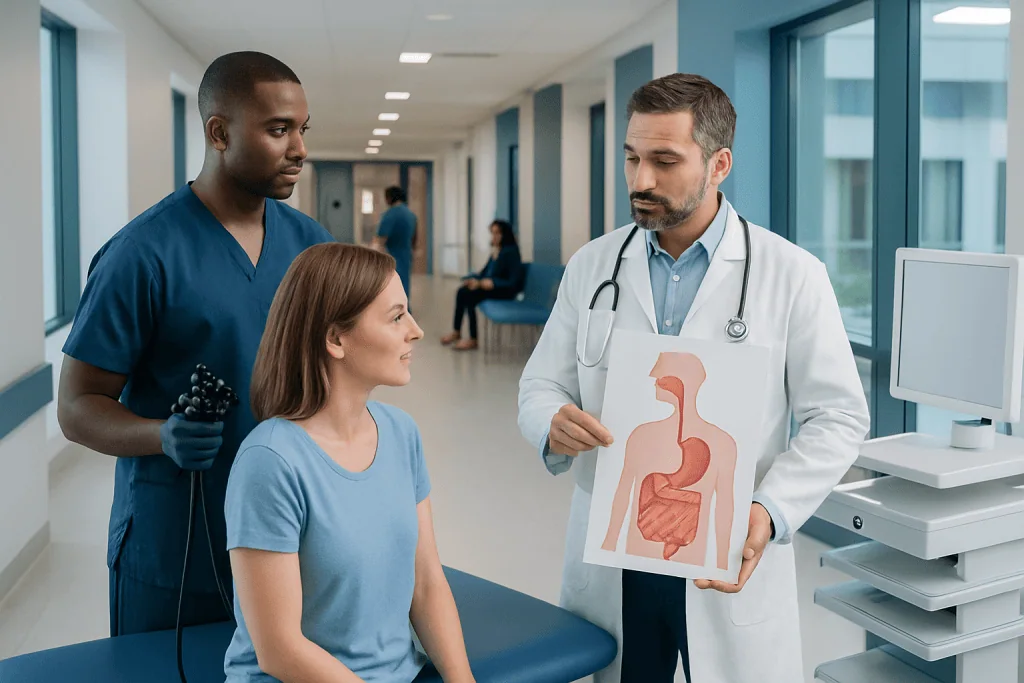
An EGD procedure examines the esophagus, stomach, and duodenum using a thin flexible camera. It is used to investigate symptoms, confirm diagnoses, collect tissue samples, and sometimes treat problems immediately.
Key Takeaways
- An EGD procedure examines the esophagus, stomach, and duodenum using a thin flexible camera.
- It is used to investigate symptoms, confirm diagnoses, collect tissue samples, and sometimes treat problems immediately.
- Most people receive sedation, and the test is usually brief with recovery the same day.
- Preparation usually includes fasting and reviewing medicines, especially blood thinners and diabetes medicines.
- Serious complications are uncommon, but urgent symptoms after the test should be assessed promptly.
An EGD procedure is a common upper endoscopy that lets a doctor look directly at the esophagus, stomach, and first part of the small intestine. It helps diagnose symptoms such as trouble swallowing, persistent upper abdominal pain, reflux, nausea, bleeding, or anemia, and it can also be used to take biopsies or perform certain treatments during the same exam.
Overview: what an EGD procedure actually does
An EGD procedure, also called esophagogastroduodenoscopy or upper endoscopy, is a test that allows a gastroenterologist to examine the lining of the upper digestive tract. The name describes the three areas viewed: the esophagus, the stomach, and the duodenum, which is the first part of the small intestine. A thin, flexible tube with a light and camera is passed through the mouth to create a detailed real-time view.
This procedure is often discussed in simple terms, but it is more than just “a camera test.” It can help explain symptoms, confirm a suspected digestive condition, and guide treatment decisions based on what is actually seen rather than on symptoms alone. During the same exam, the doctor may also take small tissue samples called biopsies, which are important because some digestive problems can only be confirmed under the microscope.
An EGD procedure can also be therapeutic, not only diagnostic. In selected situations, it may help stop bleeding, remove certain swallowed objects, stretch a narrowed area, or treat some abnormal tissue. This is one reason it remains a key part of digestive care even when blood tests or imaging have already been done.
Why a doctor may recommend an EGD procedure
A doctor may recommend an EGD procedure when symptoms suggest a problem in the upper digestive tract. Common reasons include ongoing heartburn, difficulty swallowing, pain when swallowing, upper abdominal pain, unexplained nausea or vomiting, loss of appetite, early fullness, black stools, vomiting blood, or unexplained iron-deficiency anemia. It may also be used to investigate weight loss when digestive symptoms are present.
Sometimes the aim is to confirm or rule out a known condition. Examples include stomach ulcers, inflammation of the esophagus, gastritis, celiac disease, upper gastrointestinal bleeding, and changes related to chronic acid reflux. In some cases, the procedure helps evaluate possible stomach cancer or other important abnormalities when symptoms, lab results, or imaging raise concern.
Doctors also use upper endoscopy to monitor healing or reassess a previously identified problem. A person with long-standing reflux may need further evaluation for complications, while someone with swallowing difficulty may need the test to look for narrowing, inflammation, or structural problems. If needed, treatment may be performed during the same session, such as endoscopic treatment of bleeding or biopsy of suspicious tissue.
How to prepare before the test

Preparation for an EGD procedure is usually straightforward, but it matters because a clear and empty upper digestive tract helps the doctor see accurately and perform the exam safely. Most people are asked not to eat or drink for several hours before the procedure. The exact fasting time depends on the center’s instructions, the planned sedation, and a person’s medical history.
Medicine review is an important part of preparation. The care team should know about blood thinners, aspirin, anti-inflammatory drugs, diabetes medicines, acid-suppressing medicines, supplements, and any allergies. Some medicines may need to be adjusted or temporarily paused, but this should only be done with direct medical advice. People with heart, lung, kidney, or bleeding problems should mention these conditions in advance.
Because sedation is commonly used, most patients need someone to accompany them home afterward. Dentures, glasses, and removable oral devices are usually taken out just before the procedure. Patients should also inform the team if they are pregnant, have sleep apnea, or have had a reaction to sedation in the past. Clear instructions from the endoscopy unit should always be followed closely.
What happens during an EGD procedure
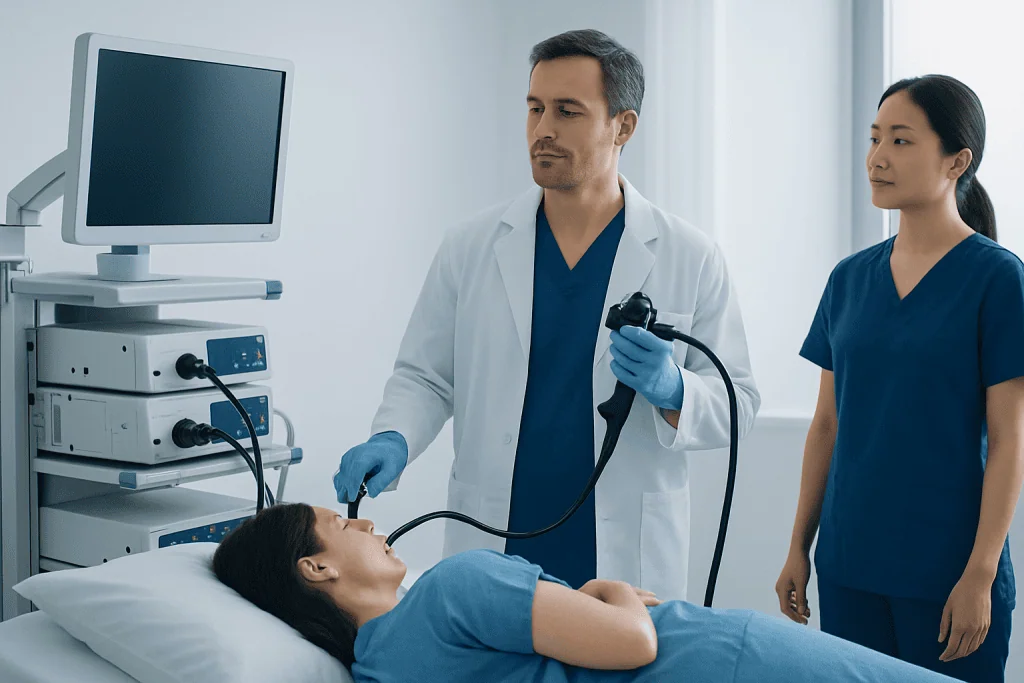
Before the test begins, a nurse usually checks vital signs and places an intravenous line if sedation is planned. A local anesthetic spray may be used to numb the throat, and a mouth guard is placed to protect the teeth and the scope. Most patients are then positioned on their side, and the endoscope is gently passed through the mouth into the upper digestive tract.
The test itself is usually brief. Air or carbon dioxide may be introduced to open the digestive tract slightly so the doctor can see the lining clearly. The camera allows detailed inspection for inflammation, ulcers, bleeding, narrowing, polyps, or other changes. If needed, the doctor can take biopsies painlessly through the scope. Taking a biopsy does not usually mean cancer is suspected; it is often done to look for infection, inflammation, celiac disease, or microscopic changes.
In some situations, the EGD procedure includes treatment as well as inspection. The doctor may stop active bleeding, remove a lodged object, widen a narrowed area with gastroenterology-based therapeutic techniques, or evaluate tissue more closely if there is concern about changes linked to reflux disease. These decisions depend on the findings and the reason the procedure was ordered.
Results, recovery, and possible side effects
Initial findings are often discussed soon after the procedure, especially if visible inflammation, ulcers, narrowing, or bleeding are present. However, biopsy results usually take longer because tissue must be examined in a laboratory. This means final answers may come after the day of the test, and the next steps depend on both the visual findings and any pathology results.
Recovery from sedation is generally quick, but patients may feel sleepy for the rest of the day. A mild sore throat, bloating, or temporary gas can happen after the test and often settles within a short time. Eating and drinking usually resume according to the doctor’s instructions, often once swallowing feels normal again.
Most people return home the same day. Because judgment and coordination may be affected after sedation, driving, alcohol, signing important documents, or returning to demanding work right away is usually not advised. The care team may recommend medicines, diet changes, follow-up testing, or further treatment depending on what was found. If a more complex digestive condition is identified, additional assessment such as gastroenterology and hepatology care may be suggested.
Benefits, limits, and possible risks
The main benefit of an EGD procedure is that it gives direct visual information about the upper digestive tract. This can be more precise than symptom-based treatment alone and may identify causes of pain, bleeding, swallowing difficulty, or anemia that other tests do not fully explain. It also allows biopsy and treatment during the same visit, which can reduce delays in diagnosis and care.
At the same time, no test answers every question. An EGD procedure examines the upper digestive tract only, so symptoms caused by the lower intestines, gallbladder, pancreas, or non-digestive conditions may require other investigations. A normal result can still be valuable because it helps narrow the possibilities and guide the next step in evaluation.
Serious complications are uncommon, but they can occur. These include bleeding, infection, reactions to sedation, aspiration, and perforation, which means a tear in the digestive tract wall. Risk may be slightly higher when therapeutic procedures are performed rather than simple inspection alone. Patients should ask their doctor how the benefits and risks apply to their individual situation, especially if they have significant medical conditions.
Aftercare, self-care, and when to seek medical care
After an EGD procedure, it helps to rest, drink fluids as advised, and ease back into normal meals according to the care team’s instructions. If the throat feels mildly irritated, soft foods and warm or cool drinks may be more comfortable. Any medicine changes, especially restarting blood thinners or diabetes medicines, should follow the exact plan given by the doctor.
Longer-term self-care depends on the reason for the test. A person with acid reflux may be advised to adjust meal timing, body weight, or trigger foods. Someone with an ulcer may need medicine review and follow-up testing. If biopsies were taken, follow-up is important so results are not missed and the meaning of those results is clearly explained.
Medical care should be sought promptly after the procedure if there is chest pain, severe or worsening abdominal pain, trouble breathing, repeated vomiting, difficulty swallowing that is getting worse, fever, black stools, or vomiting blood. Mild throat discomfort and temporary bloating can be normal, but symptoms that feel severe, progressive, or unusual deserve medical attention. At Acibadem International, multidisciplinary specialists in JCI-accredited hospitals diagnose and treat digestive conditions for international patients when endoscopic assessment or follow-up care is needed.
Frequently asked questions
Is an EGD procedure painful?
Most people do not feel pain during an EGD procedure because sedation is commonly used and the throat may be numbed. Some people notice pressure, mild gagging, or temporary throat soreness afterward, but this is usually short-lived.
How long does an EGD procedure take?
The examination itself is often relatively short, commonly around 15 to 30 minutes, though total visit time is longer because of preparation and recovery. If biopsies or treatment are needed, the procedure may take more time.
Why are biopsies taken during an EGD procedure?
Biopsies help detect conditions that may not be clear from visual inspection alone, such as microscopic inflammation, infection, celiac disease, or tissue changes linked to reflux. A biopsy is routine in many cases and does not automatically mean cancer is suspected.
Can an EGD procedure treat a problem at the same time?
Yes. In some situations, the doctor can use the endoscope to stop bleeding, widen a narrowed area, remove a foreign body, or take targeted tissue samples. Whether treatment is possible depends on what is found and the reason for the procedure.
What should a person avoid after sedation?
After sedation, it is generally best to avoid driving, drinking alcohol, operating machinery, or making important decisions for the rest of the day. The exact guidance can vary, so the discharge instructions from the medical team should be followed carefully.
What is the difference between an EGD procedure and a colonoscopy?
An EGD procedure examines the upper digestive tract: the esophagus, stomach, and duodenum. A colonoscopy examines the large intestine and rectum, so the two tests look at different parts of the digestive system.
References
- American Society for Gastrointestinal Endoscopy
- National Institute of Diabetes and Digestive and Kidney Diseases
- National Health Service
- Mayo Clinic
- Merck Manual
This article is for general information only and is not a substitute for professional medical advice. Please consult a qualified doctor about your individual situation.
Persistent digestive symptoms? Get evaluated in Turkey
JCI-accredited · board-certified surgeons · reply within 24h
Add us as a Preferred Source to see more of our trusted health content across Google Search, AI Overviews and Discover.