Night Sweats: An Evidence-Based Guide for Patients

Night sweats mean repeated, drenching sweating during sleep rather than simply feeling warm at night. Common triggers include a hot sleeping environment, menopause, infections, medicines, anxiety, and hormone-related conditions.
Key Takeaways
- Night sweats mean repeated, drenching sweating during sleep rather than simply feeling warm at night.
- Common triggers include a hot sleeping environment, menopause, infections, medicines, anxiety, and hormone-related conditions.
- Doctors diagnose the cause by reviewing symptoms, medications, sleep habits, and, when needed, blood tests or imaging.
- Treatment focuses on the underlying cause and may also include practical steps to improve sleep comfort.
- Medical review is important if night sweats are persistent or occur with weight loss, fever, pain, or swollen lymph nodes.
Night sweats are episodes of excessive sweating during sleep that soak sleepwear or bedding, even when the room is not especially hot. They are common and often linked to manageable causes, but persistent or severe night sweats can sometimes point to an underlying medical condition that deserves evaluation.
What night sweats are and what they may mean
Night sweats are repeated episodes of heavy sweating during sleep that may leave clothes or bed sheets damp or soaked. This is different from occasionally feeling warm under a thick blanket or in a hot room. In many people, night sweats have a straightforward explanation, such as menopause, a warm sleep environment, stress, or a medication side effect.
At the same time, night sweats are a symptom rather than a diagnosis. They can also happen with infections, hormone changes, sleep disorders, and less commonly with more serious illnesses. Because the causes vary widely, the most helpful approach is to look at the full pattern: how often they happen, what other symptoms are present, and whether there have been recent changes in health, medicines, or sleep habits.
For many patients, the question is not only “Why am I sweating at night?” but also “Should I be worried?” Most cases are not emergencies. However, ongoing night sweats that are new, bothersome, or accompanied by other warning signs should be discussed with a doctor so the underlying cause can be identified and treated appropriately.
How night sweats can feel
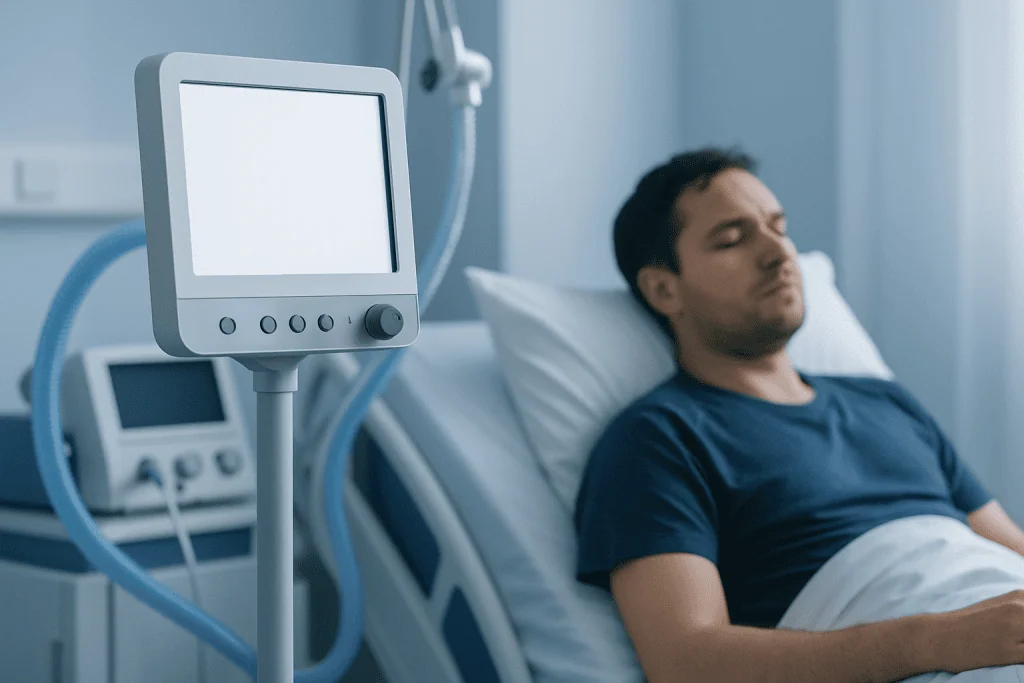
People describe night sweats in different ways. Some wake up feeling suddenly hot and drenched, while others notice only that their pajamas or sheets are wet by morning. Episodes may happen every night or only from time to time. They may affect the whole body or be most noticeable around the chest, neck, or head.
Night sweats can also disturb sleep quality. A person may wake repeatedly, need to change clothes or bedding, and then struggle to fall asleep again. Over time, this can lead to daytime tiredness, reduced concentration, irritability, and lower overall well-being.
Symptoms that sometimes occur alongside night sweats include:
- Feeling flushed or hot before sweating begins
- Chills after waking
- Palpitations or a racing heartbeat
- Fatigue during the day
- Fever, cough, pain, or unexplained weight loss in some underlying conditions
Keeping a short symptom diary can be useful. Noting the timing of episodes, room temperature, menstrual status, alcohol use, new medicines, or associated symptoms may help a doctor narrow down likely causes.
Common causes and risk factors

Night sweats can happen for simple environmental reasons. A warm bedroom, heavy bedding, memory-foam mattresses that retain heat, exercise close to bedtime, alcohol, and spicy foods can all contribute. These causes are especially likely when sweating improves after adjusting the sleeping environment.
Hormonal changes are another major reason. Menopause and perimenopause are well-known causes because changing estrogen levels can affect the body’s temperature regulation. Night sweats may also occur with thyroid overactivity, low blood sugar, or other hormone-related conditions. In some people, poor sleep itself can trigger sweating, including episodes related to sleep apnea, where breathing repeatedly pauses during sleep.
Infections can also lead to night sweats, especially when they are accompanied by fever or feeling unwell. Viral illnesses, bacterial infections, tuberculosis, and some chronic infections may be responsible. Medicines are another frequent cause. Antidepressants, fever-reducing drugs, hormone treatments, and some diabetes medications can increase sweating. Anxiety and panic symptoms may do the same, particularly if episodes occur with a sense of sudden heat or a racing heart.
Less commonly, night sweats may be linked to inflammatory disorders, reflux, neurologic conditions, or certain cancers. This does not mean cancer is a likely explanation in most people, but it is one reason persistent symptoms should not be ignored, especially if they occur with swollen lymph nodes, ongoing fevers, or unexplained weight loss.
How doctors find the cause
Diagnosis begins with a careful medical history. A doctor will usually ask when the night sweats started, how severe they are, whether they soak bedding, and what other symptoms are present. They may ask about menopause, infection exposure, travel, alcohol intake, sleep quality, snoring, stress, and all prescription or over-the-counter medicines.
A physical examination can provide important clues. The doctor may check temperature, weight changes, blood pressure, lymph nodes, the thyroid gland, lungs, heart, and skin. Depending on the person’s symptoms and risk factors, basic tests may be recommended. These often include blood tests to look for infection, inflammation, thyroid problems, or blood sugar issues.
Further testing is guided by the likely cause rather than done routinely for everyone. For example, if a sleep disorder is suspected, assessment for sleep apnea may be appropriate. If a chest infection or another internal problem is possible, the doctor may request MRI or other imaging when clinically indicated. In selected situations, a specialist evaluation in endocrinology, infectious diseases, sleep medicine, or oncology may be helpful.
The goal is not simply to confirm that sweating is happening, but to understand why. A structured evaluation often reassures patients when the cause is benign and helps ensure that more important conditions are not missed.
Treatment options and practical relief
There is no single treatment for night sweats because treatment depends on the cause. If medication is responsible, a doctor may consider adjusting the dose or changing to an alternative when appropriate. If menopause is the main trigger, management may include lifestyle measures, non-hormonal options, or hormone-based treatment after an individual discussion of benefits and risks. If the cause is infection, treatment is directed at the infection itself.
When thyroid disease, blood sugar problems, reflux, anxiety, or a sleep disorder is involved, treating that condition often reduces the sweating. For example, people whose symptoms relate to poor breathing at night may benefit from evaluation and treatment of sleep apnea. In some cases, additional investigations such as a comprehensive medical check-up help identify multiple contributing factors.
Simple comfort strategies can also make a meaningful difference:
- Keep the bedroom cool and well ventilated
- Choose lightweight, breathable sleepwear and bedding
- Avoid alcohol, spicy meals, and intense exercise close to bedtime if they trigger symptoms
- Maintain a regular sleep schedule
- Manage stress with relaxation techniques, gentle stretching, or breathing exercises
If the cause is uncertain, self-treating without medical advice is not the best approach. Persistent sweating deserves evaluation so that symptom relief is paired with an accurate diagnosis.
Prevention and self-care at home
Not all night sweats can be prevented, but some episodes can be reduced by changing sleep habits and noticing personal triggers. A cooler bedroom, moisture-wicking fabrics, and layered bedding that can be adjusted during the night may help. Some people find it useful to avoid late evening alcohol or very spicy food, especially if symptoms are mild and intermittent.
General health habits also support better temperature regulation and sleep quality. Staying physically active during the day, keeping a healthy body weight, and practicing stress management may lower the frequency of episodes in some individuals. Good hydration matters as well, particularly if heavy sweating has led to sleep disruption or morning thirst.
A symptom log can support self-care and medical visits. Recording timing, severity, menstrual changes, fever, cough, new medicines, and any daytime symptoms may reveal patterns. If episodes continue despite practical steps, or if the person feels unwell in other ways, it is sensible to seek professional advice rather than assuming the cause is harmless.
When to seek medical care
Many people can mention night sweats at a routine appointment, especially if symptoms are mild and there is an obvious trigger such as a hot room or menopause. However, prompt medical assessment is advisable if night sweats are frequent, severe, or new without a clear explanation.
It is particularly important to seek care if night sweats happen together with warning signs such as unexplained weight loss, ongoing fever, a persistent cough, chest pain, swollen lymph nodes, severe fatigue, or pain that does not improve. People with weakened immune systems, chronic medical conditions, or recent travel-related illness should also contact a healthcare professional sooner.
Emergency care is not usually needed for night sweats alone, but urgent help is appropriate if symptoms occur with trouble breathing, confusion, severe chest pain, or signs of a serious infection. If evaluation is needed, multidisciplinary specialists may coordinate care across sleep medicine, endocrinology, internal medicine, infectious diseases, and oncology. Acibadem International’s multidisciplinary specialists in JCI-accredited hospitals diagnose and treat patients with night sweats, including cases related to sleep and hormone disorders, and may use services such as sleep study evaluation or PET-CT when clinically appropriate.
Frequently asked questions
Are night sweats always a sign of a serious illness?
No. Night sweats are often related to common causes such as a warm bedroom, menopause, stress, or medication side effects. They should be evaluated if they are persistent, severe, or happen with symptoms like fever, weight loss, or swollen lymph nodes.
What is the difference between night sweats and simply feeling hot at night?
Night sweats usually mean repeated, excessive sweating that can soak sleepwear or bedding even when the room is not especially hot. Feeling warm at night is often milder and may improve easily by lowering the room temperature or removing blankets.
Can anxiety cause night sweats?
Yes. Anxiety and panic symptoms can affect the body's stress response and temperature regulation, which may lead to sweating during sleep. Even so, anxiety should not be assumed to be the only cause until other common medical explanations have been considered.
Do medications cause night sweats?
They can. Some antidepressants, hormone treatments, fever-reducing medicines, and other drugs may increase sweating. A person should not stop a prescribed medicine without medical advice, but a doctor can review whether a medication change is appropriate.
Can menopause cause night sweats every night?
Yes, menopause and perimenopause can cause frequent or even nightly episodes in some women. The pattern varies widely, and a doctor can discuss lifestyle measures and treatment options if symptoms are affecting sleep or quality of life.
How are night sweats diagnosed?
Doctors diagnose the cause by combining the medical history, a physical exam, and targeted tests when needed. These may include blood tests, infection assessment, hormone evaluation, or sleep-related testing depending on the associated symptoms.
References
- National Health Service
- Mayo Clinic
- Merck Manual Consumer Version
- American Academy of Sleep Medicine
- National Institute on Aging
This article is for general information only and is not a substitute for professional medical advice. Please consult a qualified doctor about your individual situation.
Explore treatments in Turkey — costs, top hospitals & a free quote
JCI-accredited · board-certified surgeons · reply within 24h
Add us as a Preferred Source to see more of our trusted health content across Google Search, AI Overviews and Discover.
Check your numbers in seconds
BMI, calories, due date, blood pressure and 30+ more clinical calculators — free, instant, doctor-reviewed ranges.