Rarest Eye Color: A Complete Medical Overview

Green is widely regarded as the rarest naturally occurring common eye color worldwide. Eye color is determined by genetics, melanin in the iris, and the way light scatters in the eye.
Key Takeaways
- Green is widely regarded as the rarest naturally occurring common eye color worldwide.
- Eye color is determined by genetics, melanin in the iris, and the way light scatters in the eye.
- Unusual eye color changes can sometimes signal an eye condition and should not always be assumed to be harmless.
- Heterochromia and color changes may be present from birth or develop later in life.
- A sudden change in one or both eyes should be assessed by an eye specialist.
The rarest eye color is generally considered to be green in the global population. Very unusual shades such as violet-like eyes are exceptionally uncommon and are usually related to lighting effects, low pigment, or specific eye conditions rather than a separate natural eye-color category.
Overview: What Is the Rarest Eye Color?
The rarest eye color is generally considered to be green. Although exact rates vary by population and ancestry, green eyes are far less common worldwide than brown, hazel, or blue eyes. This makes green the most widely accepted answer to the question, “What is the rarest eye color?”
Some people also ask about violet, red, or gray eyes. These shades can appear very unusual, but they are not usually counted as standard natural eye-color categories in the same way as brown, blue, hazel, or green. In many cases, the appearance of violet or red tones is linked to lighting, very low iris pigment, or certain medical or genetic conditions.
Eye color is not simply a matter of one pigment being “on” or “off.” It depends on the amount and distribution of melanin in the iris, the structure of the iris tissue, and how light is scattered and reflected. For that reason, the same eyes may look slightly different in daylight, indoor lighting, or photographs.
Most unusual eye colors are normal variations and do not cause health problems. However, an eye that changes color over time, develops a new dark spot, or looks different because of pain, redness, or visual symptoms should be examined by an ophthalmologist.
How Eye Color Develops
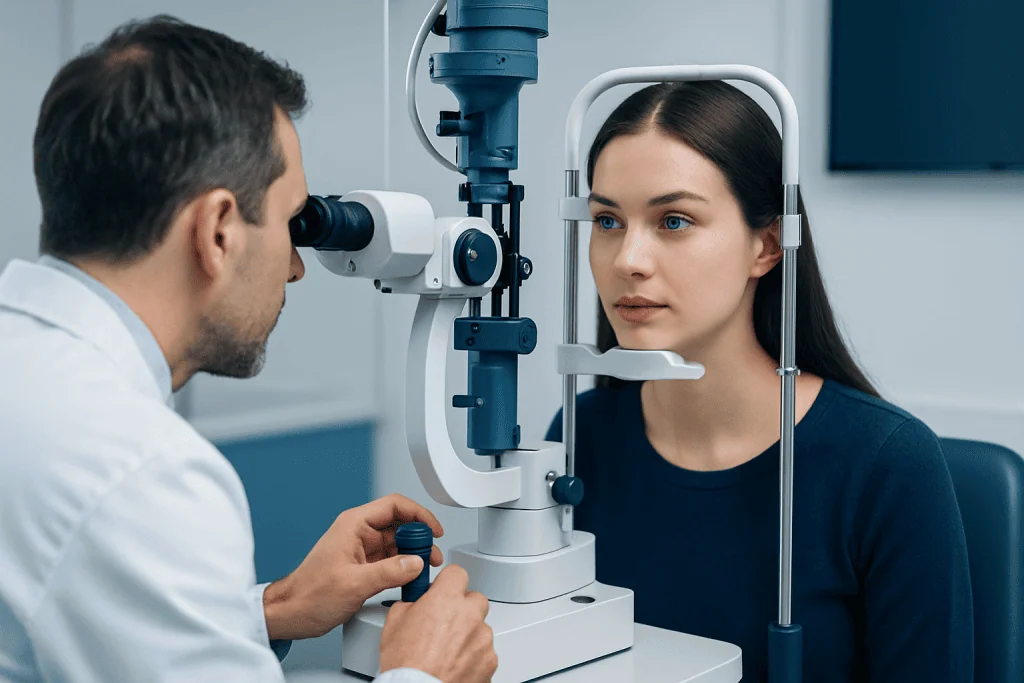
Eye color is mainly determined by genetics. Multiple genes help control how much melanin is produced in the iris and how that pigment is distributed. Brown eyes usually have more melanin, while blue eyes have less. Green eyes have low to moderate melanin combined with light scattering that creates a green appearance.
Babies are not always born with their final eye color. In some infants, especially those with lighter eyes, the iris color may continue to change during the first months or years of life as pigment develops. This is a normal process and does not usually indicate disease.
The color seen in the iris is also affected by optical effects. Blue and green eyes do not contain blue or green pigment in the same way skin or fabric might. Instead, their appearance is partly created by the way light interacts with the iris tissue. That is why eyes may appear brighter or darker depending on surroundings and lighting.
Because eye color is shaped by inherited traits across many genes, it does not follow a simple rule. Two parents with lighter or darker eyes can still have a child with a different eye color than expected. This complexity explains why unusual shades, including green, can appear in some families and populations more than others.
Rare and Unusual Eye Colors Explained

Green eyes are the rarest naturally occurring common eye color. Gray eyes are also uncommon and may sometimes be difficult to distinguish from blue. Hazel eyes are more common than green but can vary widely, often showing a mix of brown, gold, and green tones.
People sometimes describe eyes as violet. In reality, truly violet eyes are extraordinarily rare. A violet appearance is often the result of very light irises, certain lighting conditions, image effects, or a combination of low pigment and visible blood vessels. Similarly, red or pink-appearing eyes may be seen in some people with albinism because reduced pigment allows underlying blood vessels to influence the visible color.
Another uncommon finding is heterochromia, in which the eyes are different colors from each other, or one iris contains more than one color. Heterochromia may be present from birth and harmless, or it may appear later because of injury, inflammation, medication effects, or an underlying eye disorder.
Very unusual iris appearance can occasionally be related to an eye condition rather than a normal color variation. For example, disorders affecting the iris, pupil, or internal eye structures may alter how the eye looks. If an unusual color is new or comes with symptoms, doctors may evaluate for causes such as inflammation, trauma, or glaucoma.
Causes of Eye Color Changes and Related Risk Factors
Most eye color remains stable after early childhood. When color changes happen later in life, they can have several explanations. Some are harmless, such as changes in perceived color under different lighting. Others may involve medical conditions affecting the iris or deeper parts of the eye.
Possible causes include injury to the eye, inflammation inside the eye, certain medications, pigment dispersion, bleeding, tumors, or inherited conditions such as albinism. Inflammation may alter the iris color gradually, while trauma can cause more sudden changes. Rarely, a new dark patch on the iris may need prompt assessment.
Risk factors for abnormal color changes include a history of eye surgery, eye injury, chronic inflammatory eye disease, use of specific prescription eye drops, and certain genetic conditions. Some causes affect only one eye, making the difference more noticeable. Others may be associated with blurred vision, light sensitivity, or discomfort.
Color change should be taken more seriously if it is accompanied by symptoms such as reduced vision, pain, new floaters, flashes of light, or persistent redness. These features may point to a condition that needs medical evaluation, including inflammation, increased eye pressure, or retinal disease. Depending on symptoms, a doctor may recommend a full eye examination and tests such as a comprehensive eye examination.
How Doctors Evaluate Unusual Eye Color
Evaluation starts with a medical history and a close look at the eyes. The doctor will ask whether the eye color has always looked this way or has changed recently, whether one or both eyes are involved, and whether symptoms such as pain, blurry vision, or light sensitivity are present.
An eye specialist examines the iris, cornea, lens, and internal structures of the eye. This may include checking visual acuity, eye pressure, pupil responses, and the front and back of the eye. These steps help distinguish harmless variation from a disease affecting pigment, pressure, or inflammation.
If the doctor is concerned about the retina or optic nerve, further imaging may be helpful. Depending on the situation, testing can include photographs, ultrasound, or optical coherence tomography. In some cases, scans or blood tests are used if there is concern about an inflammatory or systemic condition.
The goal is not to classify an eye as simply “rare” or “normal,” but to make sure the appearance matches healthy anatomy. A stable eye color present since childhood is often benign. A new or progressive change deserves more careful investigation, especially if vision is also affected.
Treatment and Management
Natural eye color itself does not require treatment. Green, gray, blue, hazel, or mixed-colored eyes are all normal variants in many healthy people. Care becomes important only when a new eye-color change points to an underlying problem.
Treatment depends on the cause. If inflammation is present, the doctor may treat the eye to reduce swelling and protect vision. If pressure inside the eye is elevated, treatment may be needed to prevent optic nerve damage, sometimes as part of glaucoma treatment. If trauma, bleeding, or a growth is involved, management is tailored to the specific finding.
For some people, heterochromia present from birth requires no intervention at all after an initial evaluation. For others, follow-up visits may be advised to monitor stability. Cosmetic colored contact lenses can temporarily change appearance, but they should only be fitted and prescribed properly to reduce the risk of infection or corneal injury.
When expert assessment is needed, multidisciplinary specialists can be helpful, especially if eye findings are linked to a broader condition. Acibadem International’s ophthalmology teams in JCI-accredited hospitals diagnose and treat eye disorders for international patients, including cases that may require advanced imaging or retinal evaluation.
Prevention and Eye Self-Care
Natural eye color cannot be prevented or changed through lifestyle habits, but overall eye health can be protected. Regular eye checks are especially useful for children, older adults, contact lens wearers, and people with a family history of eye disease. Early assessment can identify issues before vision is affected.
Protective habits include wearing sunglasses that block ultraviolet light, using safety eyewear during sports or hazardous work, and following proper contact lens hygiene. Avoiding eye injury is one of the best ways to reduce the risk of later structural or pigment-related changes in the eye.
People should also watch for changes rather than relying only on appearance in photos. It can help to note whether one iris looks darker, lighter, or more uneven over time. A new spot, increasing asymmetry, or a noticeable change in pupil shape should be professionally assessed.
- Schedule routine eye examinations as recommended.
- Use prescribed eye drops only under medical guidance.
- Protect the eyes from trauma and UV exposure.
- Seek care promptly for redness, pain, or visual changes.
When to Seek Medical Care
A person should seek medical care if an eye changes color suddenly or progressively, especially if only one eye is involved. Medical attention is also important if there is pain, redness, blurred vision, flashes, floaters, sensitivity to light, or a visible new spot on the iris.
Urgent assessment is recommended after an eye injury or if color change occurs with severe headache, nausea, or rapid vision loss. These symptoms may suggest a more serious problem that should not be explained away as a harmless variation in eye color.
Even when symptoms are mild, a professional evaluation can provide reassurance and rule out hidden conditions. This is particularly true for people with a history of eye disease, recent surgery, or known pigment disorders. If there is concern, consulting an ophthalmologist is the safest next step.
Frequently asked questions
What is the rarest eye color in the world?
Green is generally considered the rarest eye color worldwide. Other very unusual appearances, such as violet-like or red-tinged eyes, are much less common but are often related to lighting effects, low pigment, or underlying medical conditions rather than a standard eye-color category.
Are violet eyes real?
Eyes can appear violet under certain conditions, but truly violet eyes are exceptionally uncommon. In most cases, the effect is caused by very light irises, light reflection, image settings, or reduced pigment rather than a separate natural eye-color type.
Can eye color change with age?
A mild change can occur during infancy and early childhood as iris pigment develops. In adults, eye color is usually stable, so a new change should be discussed with an eye doctor, especially if it affects one eye or occurs with other symptoms.
Is heterochromia dangerous?
Heterochromia is not always dangerous. When it has been present since birth and remains stable, it is often harmless, but if it develops later in life, a doctor should evaluate it to rule out injury, inflammation, or other eye conditions.
Do colored contact lenses safely change eye color?
Colored contact lenses can change eye appearance, but they should be obtained through proper professional fitting and prescription guidance. Poorly fitted or non-medical lenses can increase the risk of infection, corneal damage, and discomfort.
When should someone worry about a change in eye color?
A person should seek medical advice if eye color changes suddenly, if only one eye changes, or if the change comes with pain, redness, blurred vision, flashes, floaters, or a new dark spot. These features can signal an eye problem that needs evaluation.
References
- American Academy of Ophthalmology
- National Eye Institute
- MedlinePlus
- Mayo Clinic
- Cleveland Clinic
This article is for general information only and is not a substitute for professional medical advice. Please consult a qualified doctor about your individual situation.
Explore treatments in Turkey — costs, top hospitals & a free quote
JCI-accredited · board-certified surgeons · reply within 24h
Add us as a Preferred Source to see more of our trusted health content across Google Search, AI Overviews and Discover.