Adenocarcinoma: Symptoms, Causes, and Treatment Options

Adenocarcinoma starts in glandular cells and can develop in organs such as the lung, colon, pancreas, prostate, breast, and stomach. Symptoms are often related to the organ affected and may be subtle at first.
Key Takeaways
- Adenocarcinoma starts in glandular cells and can develop in organs such as the lung, colon, pancreas, prostate, breast, and stomach.
- Symptoms are often related to the organ affected and may be subtle at first.
- Diagnosis usually involves imaging, laboratory tests, and a biopsy to confirm the cancer type.
- Treatment may include surgery, chemotherapy, radiation therapy, targeted therapy, immunotherapy, or a combination of these.
- Risk factors can include smoking, age, family history, chronic inflammation, obesity, diet, and certain inherited conditions.
- Prompt medical assessment is important for persistent symptoms such as unexplained weight loss, bleeding, pain, or a lasting cough.
Adenocarcinoma is a type of cancer that begins in gland-forming cells, which line many organs and make substances such as mucus or digestive fluids. Its symptoms, outlook, and treatment options vary widely depending on the organ involved, but early evaluation can help guide effective care.
Overview
Adenocarcinoma is a cancer that begins in glandular epithelial cells. These cells are found in many parts of the body and normally produce fluids such as mucus, digestive juices, or other secretions. Because glandular cells are so widespread, adenocarcinoma can arise in several organs, including the lungs, colon, rectum, pancreas, stomach, prostate, breast, and esophagus.
This term describes the cell type rather than a single disease. In practice, that means adenocarcinoma of the lung is different from adenocarcinoma of the colon or pancreas, even though they share a similar origin in gland-forming tissue. Each subtype has its own pattern of symptoms, testing, treatment plan, and outlook.
Many people first encounter the word after a biopsy report. While the diagnosis can feel overwhelming, treatment has become more personalized. Doctors now use the cancer’s location, stage, microscopic features, and sometimes molecular markers to help choose the most suitable approach. Some adenocarcinomas are found through screening, while others are investigated because of symptoms.
How adenocarcinoma may affect the body
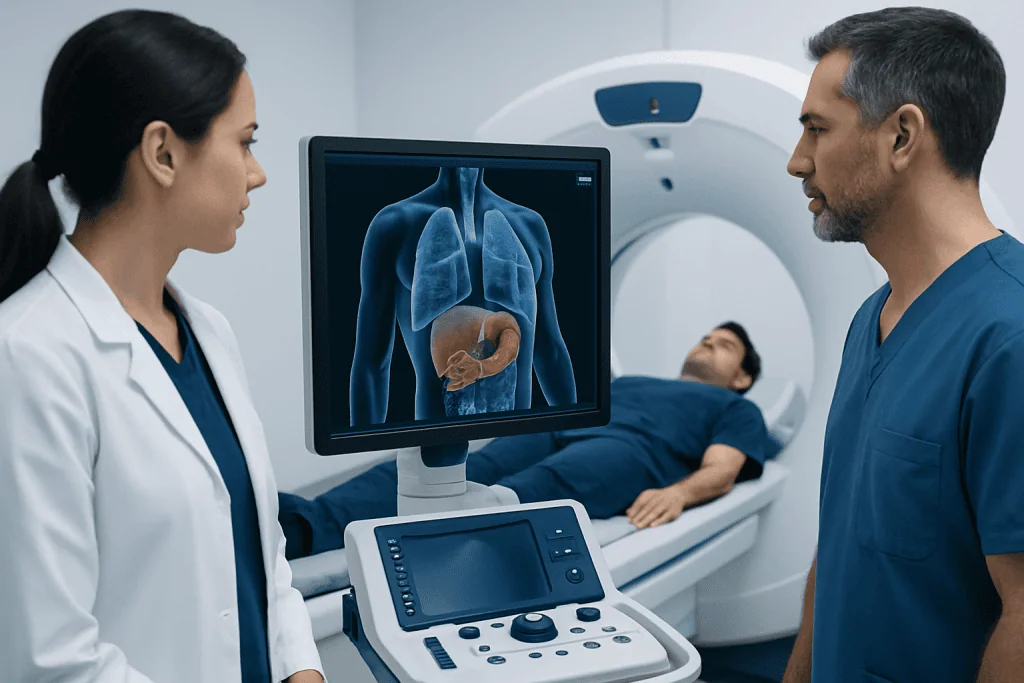
Adenocarcinoma develops when normal glandular cells grow in an uncontrolled way. Over time, these abnormal cells can form a mass, invade nearby tissue, and in some cases spread to lymph nodes or distant organs. The behavior of the cancer depends heavily on where it started and how advanced it is at diagnosis.
In the lung, adenocarcinoma may begin in the outer parts of the lung and can be associated with a lingering cough or shortness of breath. In the colon or rectum, it may lead to changes in bowel habits or bleeding. In the pancreas, it can affect digestion and sometimes cause jaundice. Related disease-specific information may also be helpful for patients with lung cancer or colon cancer.
Doctors often describe the cancer by stage. Staging explains how large the tumor is, whether lymph nodes are involved, and whether the cancer has spread. This is one of the most important steps in planning treatment and discussing prognosis.
Symptoms of adenocarcinoma

Adenocarcinoma symptoms are not the same for everyone. Early disease may cause few or no symptoms, especially when the tumor is small. When symptoms appear, they often reflect the organ involved rather than the word adenocarcinoma itself.
Possible symptoms can include unexplained weight loss, fatigue, pain, changes in appetite, or a general sense of being unwell. Depending on location, patients may notice a persistent cough, shortness of breath, chest discomfort, blood in the stool, constipation or diarrhea, abdominal pain, jaundice, reflux, difficulty swallowing, urinary symptoms, or a new lump.
Common symptom patterns include:
- Lung: ongoing cough, breathlessness, chest pain, coughing up blood
- Colon or rectum: rectal bleeding, altered bowel habits, abdominal cramping, iron-deficiency anemia
- Pancreas: upper abdominal or back pain, jaundice, digestive changes, weight loss
- Stomach or esophagus: indigestion, nausea, trouble swallowing, early fullness
- Prostate: urinary difficulty, weak stream, frequent urination
- Breast: breast lump, skin changes, nipple changes
These symptoms can also happen with non-cancerous conditions. Even so, persistent, worsening, or unexplained symptoms deserve medical attention so the cause can be identified.
Causes and risk factors
Adenocarcinoma happens because of genetic changes inside cells that allow them to keep growing when they should not. In most people, there is no single identifiable cause. Instead, cancer usually develops through a combination of age, environmental exposures, inflammation, lifestyle factors, and sometimes inherited risk.
Risk factors differ by organ but may include smoking, exposure to secondhand smoke, obesity, a diet low in fiber or high in processed meats, heavy alcohol use, chronic acid reflux, inflammatory bowel disease, chronic pancreatitis, certain infections, hormone-related influences, and long-term irritation or inflammation in tissues. Family history can also matter, especially when close relatives have had related cancers or known hereditary syndromes.
Some adenocarcinomas are more likely in older adults, although they can occur earlier. Not everyone with risk factors develops cancer, and some people diagnosed with adenocarcinoma have no clear risk factors at all. For that reason, routine screening and timely evaluation of symptoms remain important.
Prevention cannot eliminate all risk, but it can lower it. Avoiding tobacco, maintaining a healthy weight, staying physically active, eating a balanced diet, limiting alcohol, and following recommended screening tests can all support cancer prevention.
How adenocarcinoma is diagnosed
Diagnosis usually begins with a medical history and physical examination. The doctor asks about symptoms, how long they have been present, personal and family history, and possible risk factors. Initial tests depend on the suspected organ and may include blood tests, stool tests, endoscopy, mammography, ultrasound, CT, MRI, or PET imaging.
A biopsy is generally needed to confirm adenocarcinoma. During a biopsy, a small tissue sample is removed and examined under a microscope by a pathologist. The pathology report helps identify the exact cancer type, how abnormal the cells look, and whether there are features that may influence treatment decisions.
Additional testing may include molecular or biomarker analysis. These tests look for specific gene changes or proteins that can help determine whether targeted therapy or immunotherapy may be useful. Once the diagnosis is confirmed, staging tests are used to see whether the cancer is localized or has spread.
In some situations, organ-specific procedures are part of the work-up. For example, a patient may need a colonoscopy, bronchoscopy, endoscopic ultrasound, or image-guided needle biopsy. Accurate diagnosis is essential because the best treatment plan depends on both the organ of origin and the biology of the tumor.
Treatment options
Treatment for adenocarcinoma is individualized. The main factors are where the cancer started, its stage, the patient’s overall health, and whether the tumor has certain molecular features. Many patients are treated by a multidisciplinary team that may include medical oncologists, surgeons, radiation oncologists, radiologists, pathologists, gastroenterologists, pulmonologists, and supportive care specialists.
When the cancer is found at an early stage, surgery may be the main treatment if the tumor can be removed safely. Depending on the organ involved, this might be combined with chemotherapy or radiation therapy before or after surgery to reduce the chance of recurrence. In some cases, doctors recommend cancer surgery as part of a broader treatment plan.
For more advanced disease, treatment often focuses on controlling the cancer, relieving symptoms, and maintaining quality of life. Options may include chemotherapy, radiation therapy, targeted therapy, hormone therapy for certain cancers, or immunotherapy when appropriate. Some patients receive a combination of these approaches, either at the same time or in sequence.
Supportive care is also an important part of treatment. This may include pain management, nutritional support, treatment for nausea or fatigue, emotional support, and rehabilitation. Near the end of the care pathway, patients seeking international care may wish to know that Acibadem International’s multidisciplinary specialists in JCI-accredited hospitals diagnose and treat adenocarcinoma with individualized treatment planning.
Prevention and self-care
There is no guaranteed way to prevent adenocarcinoma, but healthy habits can reduce risk and support overall well-being. Avoiding tobacco is one of the most important steps, especially for cancers of the lung and several other organs. A balanced diet rich in fruits, vegetables, whole grains, and fiber may also help, particularly in digestive tract health.
Regular physical activity, a healthy body weight, and limiting alcohol can lower the risk of some cancers. People with chronic reflux, inflammatory bowel disease, or a strong family history should discuss individualized screening and follow-up with a doctor. Vaccinations and infection-related prevention strategies may matter in some cancer settings as well.
For people already diagnosed with adenocarcinoma, self-care during treatment can include staying hydrated, eating small frequent meals if appetite is low, reporting side effects early, and accepting practical and emotional support from family, friends, or counseling services. It is also helpful to keep a list of medications, test results, and questions for clinic visits.
Recommended screening should not be overlooked. Screening programs for colorectal, breast, cervical, and some lung cancers can help detect disease earlier, when treatment may be more effective.
When to seek medical care
Medical care should be sought if symptoms are persistent, unexplained, or getting worse. Examples include bleeding from the rectum, blood in sputum, a lasting cough, trouble swallowing, ongoing abdominal pain, a breast lump, jaundice, unexplained weight loss, or a change in bowel habits that does not improve. These symptoms do not always mean cancer, but they should be evaluated.
Urgent medical attention is appropriate for severe shortness of breath, heavy bleeding, sudden chest pain, severe dehydration, or intense pain that is difficult to control. People with a previous cancer diagnosis should also contact their care team if they notice new or rapidly changing symptoms.
Early assessment can make a meaningful difference. A qualified doctor can arrange the right tests, explain the findings clearly, and discuss next steps based on the person’s symptoms, age, health history, and risk profile.
Frequently asked questions
What is adenocarcinoma?
Adenocarcinoma is a type of cancer that starts in gland-forming epithelial cells. These cells are present in many organs, so adenocarcinoma can occur in places such as the lung, colon, pancreas, stomach, prostate, or breast.
Is adenocarcinoma the same as cancer?
Adenocarcinoma is one category of cancer, not a separate condition outside cancer. The term describes the kind of cells the tumor comes from, while the organ of origin and the stage help determine treatment and outlook.
What are the first signs of adenocarcinoma?
The earliest signs depend on the affected organ and may be mild or absent at first. Common warning signs can include unexplained weight loss, fatigue, bleeding, a persistent cough, changes in bowel habits, trouble swallowing, or ongoing pain.
Can adenocarcinoma be cured?
Some adenocarcinomas can be cured, especially when found early and treated effectively. In other cases, treatment may focus on controlling the disease, shrinking tumors, reducing symptoms, and helping the person live as well as possible.
How is adenocarcinoma treated?
Treatment may include surgery, chemotherapy, radiation therapy, targeted therapy, immunotherapy, hormone therapy, or a combination of these. The right plan depends on the cancer's location, stage, molecular features, and the patient's overall health.
Does adenocarcinoma always spread?
No, adenocarcinoma does not always spread. Some tumors are detected while still localized, which is one reason screening and early evaluation of symptoms are so important.
What questions should patients ask after a diagnosis?
Helpful questions include where the cancer started, what stage it is, whether more tests are needed, what treatment options are recommended, and what side effects to expect. Patients may also want to ask whether biomarker testing, clinical trials, fertility planning, nutrition support, or a second opinion would be useful.
References
- National Cancer Institute
- American Cancer Society
- World Health Organization
- National Comprehensive Cancer Network
- Centers for Disease Control and Prevention
This article is for general information only and is not a substitute for professional medical advice. Please consult a qualified doctor about your individual situation.
Persistent digestive symptoms? Get evaluated in Turkey
JCI-accredited · board-certified surgeons · reply within 24h
Add us as a Preferred Source to see more of our trusted health content across Google Search, AI Overviews and Discover.

More from the Health Library



Related Specialists

Dilek Küçükvardar
Physical Medicine & Rehabilitation
Dr. Cevat Rifat Cündübey
Gynecology & Obstetrics
Assoc. Prof. Dr. Ufuk Gürkan
Cardiology
Dr. Tünkut Salim Doğanca
Urology