

HIV Symptoms Explained: Common Triggers and Red Flags

HIV symptoms may appear early, much later, or not at all. A short flu-like illness can happen during the first weeks after infection.
Key Takeaways
- HIV symptoms may appear early, much later, or not at all.
- A short flu-like illness can happen during the first weeks after infection.
- Ongoing weight loss, recurrent infections, mouth sores, or night sweats need medical evaluation.
- Symptoms alone cannot diagnose HIV; testing is the only way to know.
- Early diagnosis and treatment help protect the immune system and improve long-term health.
HIV symptoms vary widely. Some people notice a flu-like illness soon after infection, while others have no symptoms for years until the immune system becomes weaker. Understanding common patterns and red flags can help people know when testing and medical advice are needed.
Overview: What HIV Symptoms Usually Mean
HIV symptoms are not the same for everyone. Some people develop noticeable symptoms within a few weeks of exposure, while others feel completely well for a long time. This is why HIV can be present even when there are no obvious warning signs.
When symptoms do appear, they often reflect how HIV affects the immune system over time. Early symptoms may resemble a common viral illness. Later symptoms can develop if the virus is not diagnosed and treated, leading to more frequent infections, ongoing fatigue, weight loss, or other signs that the body’s defenses are under strain.
Because many HIV symptoms overlap with other conditions, symptoms alone cannot confirm the diagnosis. A person with possible exposure, persistent unexplained symptoms, or concern about HIV should speak with a qualified clinician and consider testing. Learning more about HIV and AIDS can also help put symptoms into context.
Early HIV Symptoms: The First Weeks After Infection
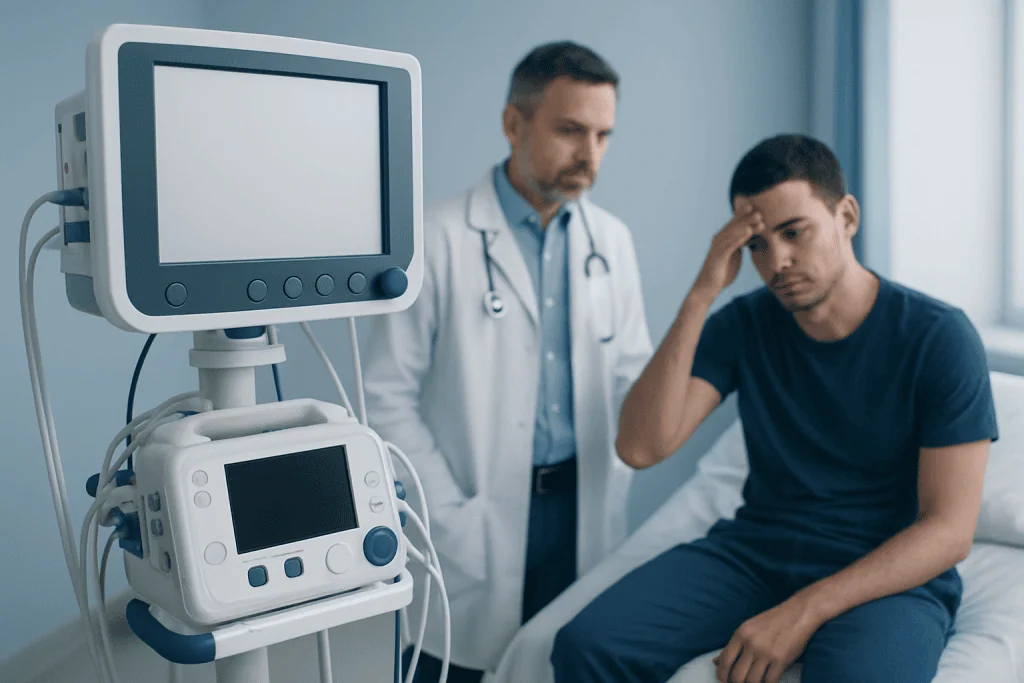
In the early stage, some people experience what is often called acute HIV infection. This can happen roughly two to four weeks after exposure, although timing varies. During this phase, the virus multiplies quickly, and the immune system responds strongly.
Early HIV symptoms are often similar to flu, COVID-19, mononucleosis, or other viral illnesses. Common features may include:
- Fever
- Sore throat
- Rash
- Swollen lymph nodes
- Headache
- Muscle aches or joint pain
- Fatigue
- Mouth ulcers
- Night sweats
These symptoms may be mild or more noticeable, and they usually do not point clearly to HIV on their own. Some people have only one or two symptoms, while others have several at the same time. Just as importantly, many people with newly acquired HIV have no symptoms at all.
If someone develops a flu-like illness after a possible exposure, testing should not be delayed simply because the symptoms seem mild. A clinician may recommend the right type and timing of HIV testing, as early tests can vary depending on how recently the exposure occurred.
Later Symptoms and Red Flags That Need Attention

After the early phase, HIV may enter a period with few or no symptoms. Without treatment, however, the virus can gradually weaken the immune system. Over time, symptoms may become more persistent, less specific, and more concerning.
Later HIV symptoms and red flags can include:
- Unexplained weight loss
- Long-lasting fatigue
- Persistent or recurrent fever
- Night sweats
- Chronic diarrhea
- Repeated infections
- Swollen lymph nodes that do not improve
- White patches or sores in the mouth
- Skin rashes or unusual skin lesions
- Shortness of breath or a lingering cough
These signs do not always mean HIV, but they do suggest that medical assessment is important. In some cases, later symptoms are linked to opportunistic infections, which happen more easily when the immune system is weakened. This is one reason why diagnosis and treatment should happen as early as possible.
People with advanced immune suppression may also develop neurological symptoms such as confusion, difficulty concentrating, weakness, or severe headaches. These symptoms require prompt medical attention, regardless of the cause.
Why HIV Symptoms Are Easy to Miss
One reason HIV symptoms are often overlooked is that they are common and nonspecific. Fever, sore throat, tiredness, rash, and swollen glands can happen with many everyday infections. Someone may recover from the early illness and assume the issue has passed, even though HIV remains in the body.
Another challenge is that HIV can stay quiet for years. During this period, a person may feel well and have no reason to suspect infection. This silent phase does not mean the virus is inactive; it means symptoms are not obvious while the immune system is still partly compensating.
Symptoms can also be affected by other health factors, including age, nutrition, stress, coexisting infections, and access to care. Because the pattern is so variable, HIV testing is based not only on symptoms but also on possible exposure and clinical judgment.
In practical terms, a person should not wait for “classic” symptoms before seeking advice. If there has been a potential exposure or unexplained illness, timely testing is more reliable than symptom-watching alone.
Common Triggers, Risk Factors, and Possible Exposure
HIV symptoms themselves are not triggered by everyday stress or seasonal changes. Rather, they may become noticeable after infection, or later as the immune system becomes weaker. The key issue is exposure to the virus, not a particular type of symptom trigger.
HIV can be transmitted through certain body fluids, most commonly through unprotected sexual contact, sharing needles or other injection equipment, or from mother to baby during pregnancy, birth, or breastfeeding if preventive care is not in place. Healthcare-related transmission is rare when proper safety standards are followed.
A person may have a higher likelihood of HIV if they have had a recent sexually transmitted infection, repeated unprotected sex, multiple sexual partners, or injection drug use involving shared equipment. However, HIV can affect people of any gender, orientation, background, or relationship status.
It is also important to remember that other infections can occur alongside HIV and may influence symptoms. For example, some people may need assessment for related infectious conditions such as hepatitis B or other sexually transmitted infections as part of a broader evaluation.
How Doctors Diagnose HIV and Evaluate Symptoms
Doctors do not diagnose HIV based on symptoms alone. The diagnosis is made with blood tests or other approved laboratory methods. The type of test used may depend on how recently a possible exposure happened, current symptoms, and local testing protocols.
When someone is evaluated for possible HIV, the clinician will usually ask about symptoms, timing, possible exposures, sexual health, travel, medications, and past medical history. A physical examination may include checking the mouth, skin, lymph nodes, lungs, and general signs of infection or weight loss.
If HIV is confirmed, further tests help assess the immune system and guide treatment decisions. These may include viral load testing, CD4 cell count, and screening for other infections. In people with persistent cough, chest symptoms, or recurrent illness, clinicians may also assess for complications such as tuberculosis or other opportunistic infections.
Anyone worried about symptoms should be reassured that modern testing is accurate and that earlier diagnosis leads to better care planning. For many people, testing brings clarity and allows treatment to begin before significant immune damage occurs.
Treatment, Ongoing Care, and Symptom Control
The main treatment for HIV is antiretroviral therapy, often called ART. This treatment lowers the amount of virus in the body, protects the immune system, and helps prevent progression to more advanced disease. Starting treatment early is now the standard approach for most people with HIV.
Once treatment begins, many HIV-related symptoms improve as the immune system recovers and viral levels decrease. Doctors also treat any associated infections, nutritional problems, mouth sores, skin conditions, or other complications that may be contributing to symptoms. In some cases, management may involve coordinated infectious diseases care and laboratory follow-up.
Ongoing care usually includes regular blood tests, monitoring for medication side effects, vaccination review, and advice on sexual health and prevention. If someone has symptoms affecting the lungs, digestive system, or nervous system, additional specialist assessment may be needed. Depending on the situation, doctors may use services such as comprehensive check-up evaluation or laboratory testing to investigate persistent symptoms more fully.
Near the end of the care pathway, what matters most is sustained follow-up. Acibadem International’s multidisciplinary specialists and JCI-accredited hospitals diagnose and treat HIV-related conditions for international patients, with care tailored to each person’s clinical needs.
When to Seek Medical Care
Medical advice should be sought if there has been a possible HIV exposure, especially if a person develops fever, rash, sore throat, swollen glands, or unexplained fatigue within the following weeks. Testing is also important for anyone with persistent weight loss, recurrent infections, chronic diarrhea, mouth sores, or long-lasting night sweats.
Urgent care is needed for severe shortness of breath, chest pain, confusion, severe dehydration, a high fever that does not settle, or signs of a serious infection. These symptoms may or may not be related to HIV, but they should not be ignored.
People should also speak with a doctor if they are pregnant, planning pregnancy, or have another condition that affects the immune system. Early medical guidance supports both treatment and prevention. Even when symptoms seem minor, professional advice is the safest way to decide whether HIV testing or further evaluation is appropriate.
Frequently asked questions
What are the first symptoms of HIV?
The first HIV symptoms may include fever, sore throat, rash, swollen lymph nodes, fatigue, and muscle aches. These often appear within a few weeks of infection, but many people have no early symptoms at all.
Can someone have HIV without symptoms?
Yes. A person can have HIV for years without noticing any symptoms. That is why testing is the only reliable way to know whether HIV is present.
How long after exposure do HIV symptoms appear?
If symptoms happen in the early stage, they often appear about two to four weeks after exposure, although the timing can vary. Some people never notice early symptoms, so a lack of symptoms does not rule out infection.
Are HIV symptoms the same as AIDS?
No. HIV is the virus, while AIDS is the most advanced stage of untreated HIV infection. Symptoms can occur early in HIV or much later, but AIDS refers to severe immune system damage and certain serious infections or conditions.
Can HIV symptoms come and go?
Yes. Early symptoms may last for a short time and then improve, even though the virus remains in the body. Later symptoms may also vary depending on immune function and whether another infection is present.
What symptoms are considered red flags?
Red flags include unexplained weight loss, repeated infections, long-lasting fever, chronic diarrhea, night sweats, mouth sores, and persistent swollen glands. Severe breathing problems, confusion, or signs of serious infection need urgent medical care.
If symptoms suggest HIV, what should someone do next?
They should arrange medical evaluation and HIV testing rather than relying on symptoms alone. A clinician can advise on the right test, the right timing, and whether other infections or conditions should also be checked.
References
- World Health Organization
- Centers for Disease Control and Prevention
- UNAIDS
- U.S. Department of Health and Human Services
- National Institutes of Health
This article is for general information only and is not a substitute for professional medical advice. Please consult a qualified doctor about your individual situation.
Explore treatments in Turkey — costs, top hospitals & a free quote
JCI-accredited · board-certified surgeons · reply within 24h
Add us as a Preferred Source to see more of our trusted health content across Google Search, AI Overviews and Discover.

More from the Health Library



Related Specialists

Dr. Zeki Yenidünya
Internal Medicine
Dr. Mustafa Kemal Gürsel
Otorhinolaryngology
Deniz Beyza Kılıç
Physical Medicine & Rehabilitation
Dt. Hatice Ağan
Oral & Dental Health