Anoxia: An Evidence-Based Guide for Patients

Anoxia means tissues receive no oxygen; the brain is especially vulnerable. It can happen during drowning, choking, cardiac arrest, severe asthma, poisoning, or other emergencies.
Key Takeaways
- Anoxia means tissues receive no oxygen; the brain is especially vulnerable.
- It can happen during drowning, choking, cardiac arrest, severe asthma, poisoning, or other emergencies.
- Symptoms may include confusion, loss of consciousness, seizures, and breathing problems.
- Diagnosis focuses on the cause, oxygen levels, and whether the brain or other organs were injured.
- Treatment aims to restore oxygen quickly, stabilize the person, and support recovery and rehabilitation.
Anoxia is a complete absence of oxygen reaching the body’s tissues, most importantly the brain, and it is a medical emergency. Fast treatment can improve the chance of recovery, while the effects depend on how long oxygen was absent and what caused it.
What anoxia means
Anoxia is the complete absence of oxygen supply to the body’s tissues. In everyday medical use, it often refers to oxygen deprivation affecting the brain, because brain cells are highly sensitive to even short periods without oxygen. This is why anoxia is treated as an emergency rather than a minor breathing problem.
People sometimes confuse anoxia with hypoxia. Hypoxia means oxygen levels are too low, while anoxia means there is effectively no oxygen reaching tissue. Both can be dangerous, but anoxia is the more severe state. If the brain is affected, doctors may use the term anoxic brain injury.
The outcome depends on the cause, how quickly oxygen is restored, and the person’s overall health. Some people recover well after prompt treatment, while others may have lasting problems with memory, movement, speech, or daily functioning. Early emergency care offers the best chance of limiting damage.
How anoxia affects the body and brain
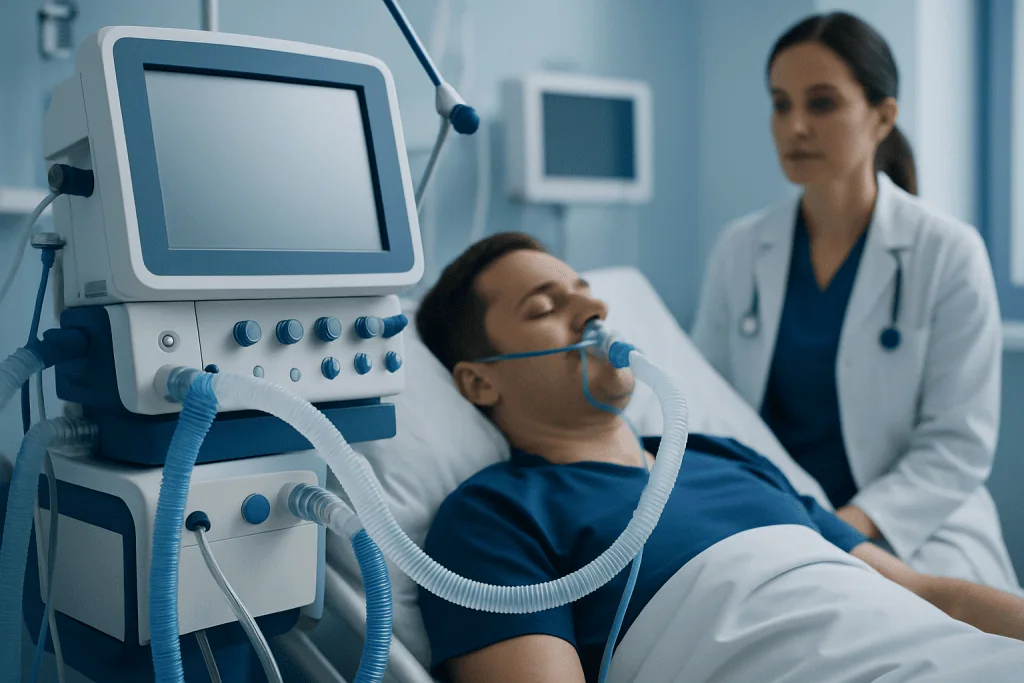
Every organ needs oxygen to produce energy. When oxygen stops reaching tissues, cells can no longer function normally. The brain is usually affected first, because it has high energy needs and stores very little backup fuel. Within minutes, brain cells can begin to suffer injury.
Short-term effects may include dizziness, confusion, poor coordination, fainting, or sudden collapse. If oxygen loss continues, the person may stop responding, have seizures, or stop breathing effectively. The heart, kidneys, and other organs may also be injured if the episode is prolonged.
Doctors also consider what interrupted oxygen delivery. Sometimes the lungs cannot move enough oxygen into the blood, as in severe airway blockage or respiratory failure. In other cases, the blood cannot carry or circulate oxygen properly, such as after cardiac arrest, severe blood loss, or certain poisonings. Understanding the mechanism helps guide treatment and recovery planning.
Symptoms and warning signs

Anoxia may appear suddenly or develop over a short period, depending on the cause. Early signs can include shortness of breath, rapid breathing, anxiety, bluish lips or fingertips, headache, confusion, trouble speaking, or unusual behavior. These symptoms should never be ignored if they are severe or worsening.
More serious signs include loss of consciousness, collapse, seizures, inability to wake up, chest pain, or absent or irregular breathing. In infants and children, warning signs may include limpness, poor responsiveness, weak cry, or blue skin color. Anyone with these symptoms needs urgent medical attention.
After the emergency has passed, some people notice delayed problems such as poor concentration, memory gaps, mood changes, slowed thinking, weakness, or difficulty with balance. These symptoms may reflect anoxic injury to the brain and should be assessed by a doctor, often with input from neurology and rehabilitation specialists.
- Confusion or agitation
- Breathing difficulty or choking
- Blue or gray skin color
- Fainting or unresponsiveness
- Seizures
- New weakness, memory loss, or speech changes after recovery
Causes and risk factors
Anoxia is not a disease by itself but a result of another serious event. Common causes include drowning, choking, strangulation, smoke inhalation, severe asthma, opioid overdose, carbon monoxide exposure, severe pneumonia, and cardiac arrest. It can also occur during major trauma, near-hanging, or situations where breathing is interrupted.
Some causes reduce oxygen in the blood, while others prevent the blood from delivering oxygen to tissues. For example, cardiac arrest stops circulation, and severe blood loss reduces oxygen transport. Carbon monoxide poisoning is especially dangerous because it blocks the blood’s ability to carry oxygen even if a person is still breathing.
Risk factors depend on the underlying emergency. They may include heart disease, lung disease, epilepsy, substance misuse, unsafe water exposure, poor supervision of young children around water, or work in areas with smoke or toxic gases. People with known respiratory or cardiac conditions should keep treatment plans up to date and seek help quickly if symptoms worsen. If a stroke is suspected as part of the emergency assessment, doctors may also evaluate for related conditions such as stroke.
How doctors diagnose anoxia
Diagnosis begins with emergency assessment. The first priorities are checking the airway, breathing, circulation, and level of consciousness. Doctors ask what happened, how long the person may have been without oxygen, and whether there were triggers such as choking, submersion, overdose, seizure, or cardiac arrest.
Tests depend on the situation but often include pulse oximetry, blood gas testing, blood tests, electrocardiogram, and chest imaging. Brain imaging such as CT or MRI may be used if there is concern about brain injury, seizure, or another neurological cause. In some patients, an EEG is used to assess brain activity, especially if seizures are suspected or consciousness does not return as expected.
Because anoxia can affect many organs, the healthcare team may monitor heart rhythm, blood pressure, kidney function, and signs of infection or aspiration. Diagnosis is not only about confirming oxygen deprivation; it is also about identifying the exact cause and the extent of injury so treatment can be tailored safely and effectively.
Treatment and recovery
Treatment for anoxia starts with restoring oxygen as quickly as possible and supporting vital functions. This may include opening the airway, giving oxygen, assisting breathing with a mask or ventilator, treating the underlying cause, and supporting blood circulation. If the person has no pulse, immediate CPR and advanced cardiac life support are essential.
Further treatment depends on the cause. A blocked airway may need urgent removal of the obstruction. Severe respiratory failure may require mechanical ventilation. Some patients need treatment in an intensive care unit, management of seizures, treatment of infection, or therapies directed at poisoning or overdose. If cardiac arrest led to oxygen loss, doctors may also investigate whether coronary angiography is needed to assess the heart’s blood supply.
Recovery can continue long after the initial emergency. Some people need physical, occupational, speech, or cognitive rehabilitation to regain skills and independence. Follow-up may involve neurology, pulmonology, cardiology, rehabilitation medicine, and mental health support. In selected cases, additional tests such as MRI help evaluate the degree of brain injury and guide rehabilitation planning.
Near the end of acute care and into recovery, a multidisciplinary approach is often most helpful. Acibadem International’s specialists and JCI-accredited hospitals diagnose and treat complex oxygen-deprivation emergencies for international patients, with care plans that may include emergency treatment, intensive care, and rehabilitation.
Prevention and self-care after an episode
Preventing anoxia means reducing the risk of situations that cut off oxygen. Water safety, safe sleep practices for infants, careful supervision of children, and prompt treatment of severe breathing problems are important steps. People should also avoid smoking exposure, follow workplace safety rules around smoke and chemicals, and use carbon monoxide detectors at home.
For those with asthma, heart disease, seizure disorders, or sleep-related breathing problems, regular medical follow-up can lower the chance of emergencies. Taking prescribed medicines correctly, carrying rescue medication when advised, and knowing when to call emergency services are practical preventive measures. Substance misuse treatment and overdose prevention can also reduce risk in vulnerable individuals.
After an episode of anoxia, self-care focuses on recovery and safety. Adequate rest, follow-up appointments, rehabilitation exercises, and support from family or caregivers can make a meaningful difference. If there are ongoing memory, mood, balance, or concentration problems, patients should mention them clearly to their doctor rather than assuming they will fade on their own.
When to seek medical care
Anoxia itself is an emergency. Immediate emergency help is needed for anyone who has stopped breathing, is choking severely, has turned blue, has collapsed, is having a seizure, or is unresponsive. Emergency services should also be called after near-drowning, suspected carbon monoxide exposure, overdose, or any event in which oxygen may have been cut off.
Medical review is also important after the immediate crisis, even if the person seems better. Delayed symptoms such as memory trouble, confusion, headache, unusual sleepiness, weakness, or personality changes can suggest ongoing effects on the brain or other organs. Follow-up helps doctors check for complications and arrange rehabilitation if needed.
People with repeated fainting, worsening shortness of breath, chest pain, or new neurological symptoms should not try to manage these problems alone. Prompt assessment can identify treatable causes and reduce the risk of another oxygen-deprivation episode.
Frequently asked questions
Is anoxia the same as hypoxia?
No. Hypoxia means tissues are getting too little oxygen, while anoxia means there is no effective oxygen supply to the tissues. Both are serious, but anoxia is generally considered more severe and urgent.
Can someone recover fully from anoxia?
Some people do recover well, especially if oxygen is restored quickly and the cause is treated right away. Recovery depends on how long the oxygen interruption lasted, which organs were affected, and the person’s overall health. Others may need rehabilitation for lingering brain or physical symptoms.
What are the first signs of anoxia?
Early signs can include shortness of breath, confusion, bluish lips or fingertips, agitation, headache, and trouble speaking or staying alert. In more severe cases, the person may faint, have a seizure, or become unresponsive. Any sudden breathing or consciousness change needs urgent medical care.
How quickly can the brain be harmed by anoxia?
The brain is very sensitive to oxygen loss, so injury can begin within minutes. The exact timing varies between individuals and situations, but this is why rapid emergency response is so important. Immediate CPR and restoration of breathing and circulation can improve the chance of a better outcome.
What tests are used after suspected anoxia?
Doctors may use oxygen monitoring, blood tests, blood gas analysis, ECG, chest imaging, and brain imaging such as CT or MRI. If seizures or ongoing decreased consciousness are concerns, an EEG may also be used. The goal is to confirm the cause, assess organ injury, and guide treatment.
Can anoxia cause long-term memory or thinking problems?
Yes. If the brain was deprived of oxygen, some people may develop problems with memory, concentration, planning, speech, mood, or movement. These symptoms can improve over time, especially with rehabilitation, but they should always be discussed with a healthcare professional.
References
- World Health Organization
- American Heart Association
- National Institute of Neurological Disorders and Stroke
- Mayo Clinic
- Merck Manual Consumer Version
This article is for general information only and is not a substitute for professional medical advice. Please consult a qualified doctor about your individual situation.
Explore treatments in Turkey — costs, top hospitals & a free quote
JCI-accredited · board-certified surgeons · reply within 24h
Add us as a Preferred Source to see more of our trusted health content across Google Search, AI Overviews and Discover.

More from the Health Library



Related Specialists

Dr. Hacer Yüksel
Physical Medicine & Rehabilitation
Dr. Erkan Adnan Kelebek
Coronary Intensive Care Unit
Assoc. Prof. Dr. Cevat Rıfat Cündübey
Gynecology & Obstetrics
Dr. Umut Özbebit (m)
Aesthetic Plastic & Reconstructive Surgery