Hypothermia — Explained by Medical Evidence, Not Myths

Hypothermia means the body's core temperature has dropped below 95°F (35°C). Early symptoms can include shivering, confusion, slurred speech, and poor coordination.
Key Takeaways
- Hypothermia means the body's core temperature has dropped below 95°F (35°C).
- Early symptoms can include shivering, confusion, slurred speech, and poor coordination.
- Older adults, infants, people with certain illnesses, and anyone exposed to cold or wet conditions are at higher risk.
- Treatment focuses on gentle rewarming, removing wet clothing, and urgent medical care when symptoms are moderate or severe.
- Alcohol does not protect against hypothermia and may increase risk by impairing judgment and heat regulation.
Hypothermia is a medical emergency in which the body loses heat faster than it can produce it, causing the core temperature to fall too low. It most often follows cold exposure, but it can also happen indoors, during illness, or after immersion in cold water.
Overview: what hypothermia really means
Hypothermia is a dangerous drop in the body’s core temperature, usually defined as below 95°F (35°C). It happens when heat loss exceeds heat production for long enough that normal body functions begin to slow down. This is not simply “feeling very cold.” Hypothermia affects the brain, heart, lungs, and circulation, and it can become life-threatening without prompt care.
Many people associate hypothermia only with snow, mountains, or dramatic outdoor accidents. In reality, it can also develop in cool indoor environments, after getting wet in mild weather, during prolonged immobility, or in people whose health conditions make it harder to stay warm. Infants and older adults are especially vulnerable because their bodies may not regulate temperature as effectively.
Medical evidence shows that hypothermia exists on a spectrum. Mild hypothermia may start with shivering and poor concentration, while more severe stages can lead to confusion, slowed breathing, irregular heartbeat, loss of consciousness, and even cardiac arrest. Recognizing the early warning signs matters because severe hypothermia may develop gradually and the affected person may not realize how unwell they are.
Symptoms and warning signs
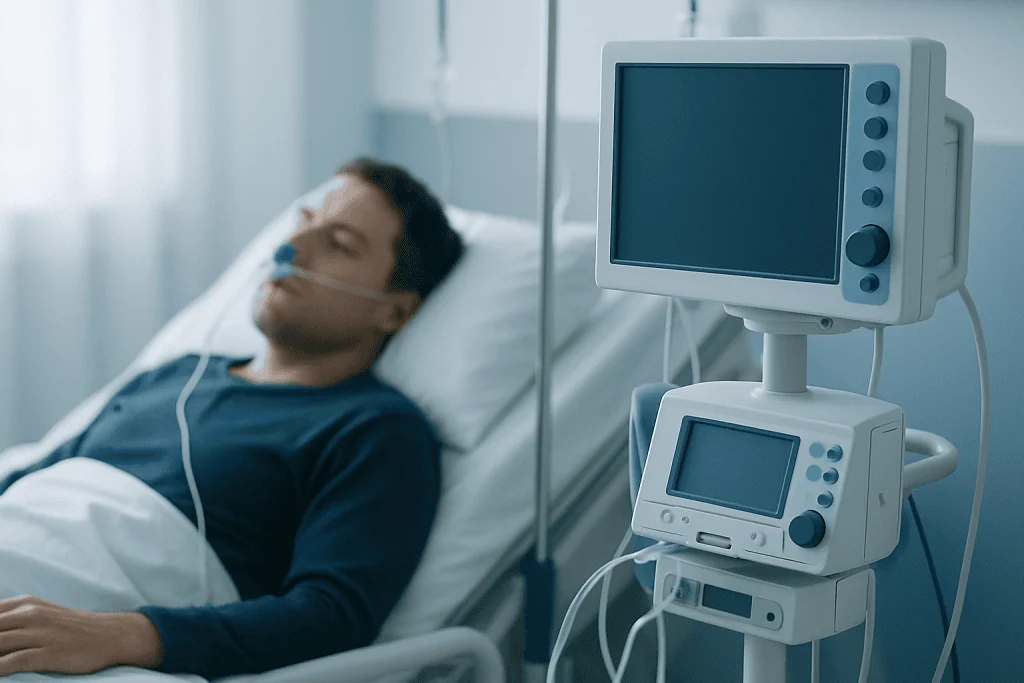
Symptoms of hypothermia depend on how low the body temperature has fallen and how quickly the cooling happened. Early signs may be subtle. A person may shiver intensely, feel very cold, appear tired, or have trouble using their hands. Speech may become slow or slurred, and thinking may be less clear than usual.
As hypothermia worsens, the nervous system and circulation become more affected. Confusion can become obvious, movements may be clumsy, and judgment may be impaired. Some people seem unusually apathetic or drowsy. In severe cases, shivering may stop, which is not a sign of improvement. Instead, it can mean the body is running out of energy to keep itself warm.
Common symptoms and signs include:
- Shivering
- Cold, pale skin
- Slurred speech
- Confusion or unusual behavior
- Clumsiness or poor coordination
- Slow, shallow breathing
- Weak pulse
- Drowsiness or loss of consciousness
Symptoms can look different in certain age groups. Babies may have cool skin, poor feeding, low energy, or weak crying rather than obvious shivering. In older adults, hypothermia can resemble delirium, infection, or a stroke because speech, movement, and alertness may change quickly. Any sudden confusion in a cold setting should be taken seriously.
Causes and who is at risk

The most common cause of hypothermia is environmental exposure. This includes staying outdoors in cold weather, falling into cold water, getting caught in wind or rain, or wearing wet clothing for too long. Water removes body heat much faster than air, so immersion can trigger hypothermia even when the outside temperature does not seem extreme.
However, cold weather is not the only explanation. Hypothermia can also happen indoors if heating is inadequate, especially in older adults living alone. Certain illnesses, injuries, medications, and substances make it harder for the body to regulate temperature. Alcohol is a well-known risk factor because it can widen blood vessels, increase heat loss, and reduce awareness of danger.
People at higher risk include:
- Older adults
- Infants and very young children
- People experiencing homelessness or poor heating at home
- People with thyroid disease, diabetes, malnutrition, or infection
- Individuals with dementia, psychiatric illness, or substance use
- Anyone immobilized after a fall, trauma, or illness
- Boaters, swimmers, hikers, and winter sports participants
Some conditions can increase risk by affecting circulation, hormone balance, or awareness. For example, severe diabetes may contribute through nerve damage, low blood sugar, or poor circulation. Head injury, sedative medications, and alcohol or drug intoxication may also prevent a person from noticing cold stress or seeking shelter in time.
How hypothermia is diagnosed
Doctors diagnose hypothermia by combining symptoms, physical examination, and an accurate body temperature measurement. Standard thermometers may not always detect very low temperatures, so medical teams may use low-reading thermometers designed for emergencies. Temperature helps guide treatment, but the person’s mental state, breathing, pulse, and blood pressure are just as important.
In the hospital, evaluation goes beyond confirming low temperature. Clinicians also look for the reason it happened and for complications that may need urgent care. Blood tests may check glucose, electrolytes, infection, thyroid function, or kidney function. Heart monitoring is often used because hypothermia can affect heart rhythm, especially when it becomes moderate or severe.
Diagnosis can be more complex when hypothermia occurs along with another illness. Symptoms may overlap with sepsis, head injury, intoxication, low blood sugar, or neurological disorders. Imaging or specialty testing may be needed if doctors suspect associated problems. In some cases, a person may need rapid assessment in an emergency setting with a comprehensive medical check-up to identify the underlying cause and complications.
Treatment options and safe first aid
Treatment depends on severity. Mild hypothermia may improve with shelter, dry clothing, warm blankets, and warm drinks if the person is awake and able to swallow safely. Wet clothing should be removed gently and replaced with dry layers. Heat should be applied gradually, with focus on the chest, neck, and groin rather than intense direct heat to the hands or feet.
If symptoms are moderate or severe, emergency medical care is needed. A person who is confused, very drowsy, not shivering, breathing slowly, or unconscious should be treated as a medical emergency. Rough handling should be avoided because severe hypothermia can make the heart more sensitive to rhythm problems. It is best to call emergency services and begin gentle warming while waiting for help.
Hospital treatment may include warmed intravenous fluids, warmed oxygen, careful heart monitoring, and active external or internal rewarming methods. If hypothermia is linked to another condition, that problem must also be treated. For example, doctors may address infection, low blood sugar, trauma, or circulation problems. Some patients need care from emergency medicine, intensive care, cardiology, or cardiology specialists if the heart rhythm is affected.
Important first-aid points include:
- Move the person to a warm, dry place
- Remove wet clothing and add dry layers
- Use blankets and warm compresses on the trunk
- Offer warm, non-alcoholic drinks only if fully alert
- Avoid alcohol, direct high heat, and vigorous rubbing
- Call emergency services if symptoms are more than mild
Prevention and self-care
Preventing hypothermia starts with planning for weather, water exposure, and personal health needs. Wearing layers helps trap warm air, and outer clothing should block wind and moisture. Hats, gloves, socks, and waterproof shoes are especially important because heat loss increases when skin is exposed or clothing gets wet.
People spending time outdoors should check the forecast, limit exposure during strong wind or rain, and keep extra dry clothing available. Even on cool days, swimming, boating, and paddling carry risk because cold water removes heat rapidly. Life jackets help keep the airway protected and may buy time for rescue, but they do not prevent heat loss by themselves.
At home, prevention may involve maintaining adequate heating, eating regularly, staying hydrated, and monitoring vulnerable family members. Older adults may not feel cold as strongly and may need reminders to dress warmly indoors. For people with chronic disease, regular medical follow-up can reduce risk by improving overall health and detecting contributing problems such as hormonal disorders or nerve damage. If an endocrine cause is suspected, a doctor may recommend further evaluation such as endocrinology and metabolic disease assessment.
When to seek medical care
Medical care should be sought immediately if a person with suspected hypothermia is confused, very sleepy, breathing slowly, has a weak pulse, collapses, or loses consciousness. Severe shivering that progresses to little or no shivering is also concerning. Emergency assessment is particularly important after cold-water immersion, significant trauma, or prolonged exposure outdoors.
Even if symptoms seem mild, a doctor should evaluate anyone at higher risk, including infants, older adults, and people with diabetes, thyroid disease, or serious infection. Professional assessment is also wise if the person does not warm up promptly after getting indoors and changing into dry clothing. Persistent confusion, chest discomfort, or shortness of breath should never be ignored.
For international patients who need evaluation and ongoing care, Acibadem International’s multidisciplinary specialists in JCI-accredited hospitals diagnose and treat conditions related to hypothermia and its causes. The goal is not only to raise body temperature safely, but also to identify and manage any underlying illness that contributed to the event.
Frequently asked questions
Is hypothermia always caused by freezing weather?
No. Hypothermia can happen in cool, wet, or windy conditions even when temperatures are above freezing. It can also develop indoors in vulnerable people, especially older adults, infants, or people with certain medical conditions.
Can someone have hypothermia and still be awake?
Yes. Early or mild hypothermia often begins while a person is still awake and able to talk. Shivering, confusion, poor coordination, and slurred speech may appear before severe symptoms develop.
Should a person with hypothermia be rubbed to warm them up?
No. Vigorous rubbing is not recommended, especially in moderate or severe hypothermia. Gentle handling and gradual warming are safer because severe hypothermia can make the heart more unstable.
Does alcohol help keep the body warm?
No. Alcohol may create a brief feeling of warmth, but it actually increases heat loss and impairs judgment. This can make hypothermia more likely and delay recognition of danger.
What is the difference between frostbite and hypothermia?
Hypothermia affects the whole body by lowering core temperature. Frostbite is a freezing injury to specific body parts, most often fingers, toes, ears, or the nose. A person can have one or both at the same time.
Can hypothermia happen in children and babies?
Yes. Babies and young children can lose heat quickly and may not show the same warning signs as adults. Poor feeding, cool skin, lethargy, or unusual sleepiness should prompt urgent medical attention.
References
- World Health Organization
- Centers for Disease Control and Prevention
- National Institute on Aging
- MedlinePlus
- American College of Emergency Physicians
This article is for general information only and is not a substitute for professional medical advice. Please consult a qualified doctor about your individual situation.
Explore treatments in Turkey — costs, top hospitals & a free quote
JCI-accredited · board-certified surgeons · reply within 24h
Add us as a Preferred Source to see more of our trusted health content across Google Search, AI Overviews and Discover.
Check your numbers in seconds
BMI, calories, due date, blood pressure and 30+ more clinical calculators — free, instant, doctor-reviewed ranges.