Paralyzed: A Complete Medical Overview
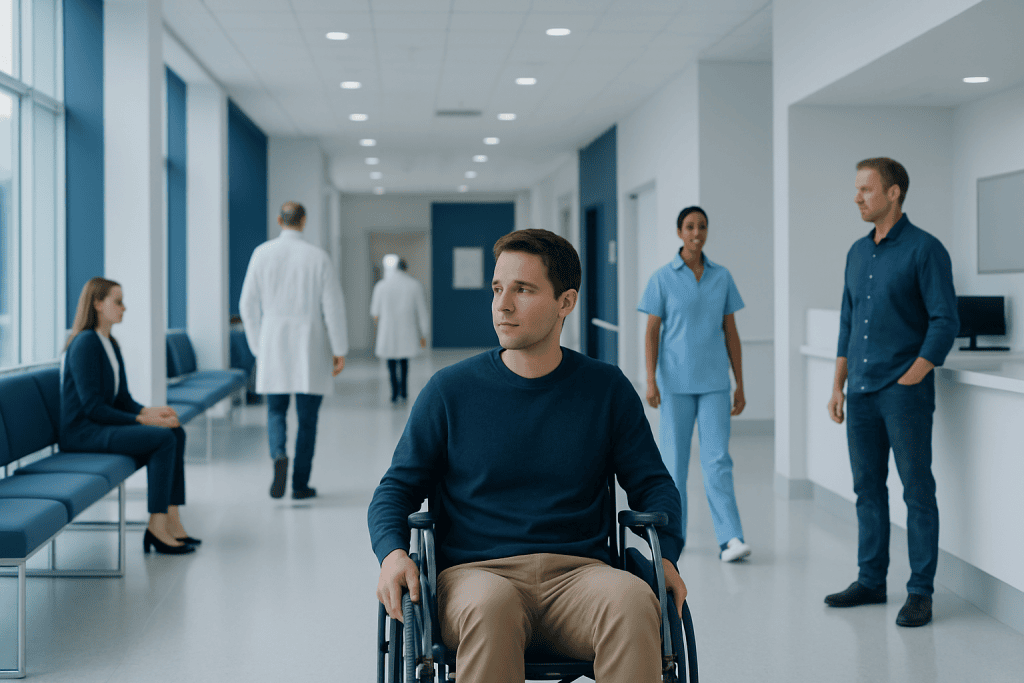
Paralyzed describes partial or complete loss of voluntary muscle movement in part of the body. Paralysis may result from stroke, spinal cord injury, nerve disorders, infections, tumors, or other neurological conditions.
Key Takeaways
- Paralyzed describes partial or complete loss of voluntary muscle movement in part of the body.
- Paralysis may result from stroke, spinal cord injury, nerve disorders, infections, tumors, or other neurological conditions.
- Sudden paralysis is a medical emergency, especially if it affects one side of the body, breathing, or swallowing.
- Diagnosis often includes a neurological exam, blood tests, and imaging such as MRI or CT scans.
- Treatment may include emergency care, medicines, surgery, rehabilitation, and long-term supportive therapies.
- Early evaluation and structured rehabilitation can help improve function, safety, and quality of life.
Being paralyzed means losing the ability to move one or more parts of the body because signals between the brain, spinal cord, nerves, and muscles are disrupted. Paralysis can happen suddenly or gradually, and its treatment depends on the underlying cause, severity, and how quickly medical care begins.
Overview: What It Means to Be Paralyzed
Paralyzed means a person has lost the ability to move a muscle or group of muscles voluntarily. The problem may affect a small area, such as one side of the face, or a much larger part of the body, such as both legs or all four limbs. Some people also lose normal sensation, while others keep feeling but cannot move well.
Paralysis is not a disease by itself. It is a sign that something has interrupted the pathway that carries movement signals from the brain to the spinal cord, nerves, and muscles. This interruption can happen after trauma, reduced blood flow, inflammation, infection, compression, or damage to nerves or the nervous system.
Paralysis can be temporary or permanent, partial or complete, and sudden or slowly progressive. Because the causes vary widely, the most important step is identifying why a person is paralyzed and whether urgent treatment is needed. Fast medical evaluation is especially important when symptoms begin suddenly.
Types and Symptoms of Paralysis
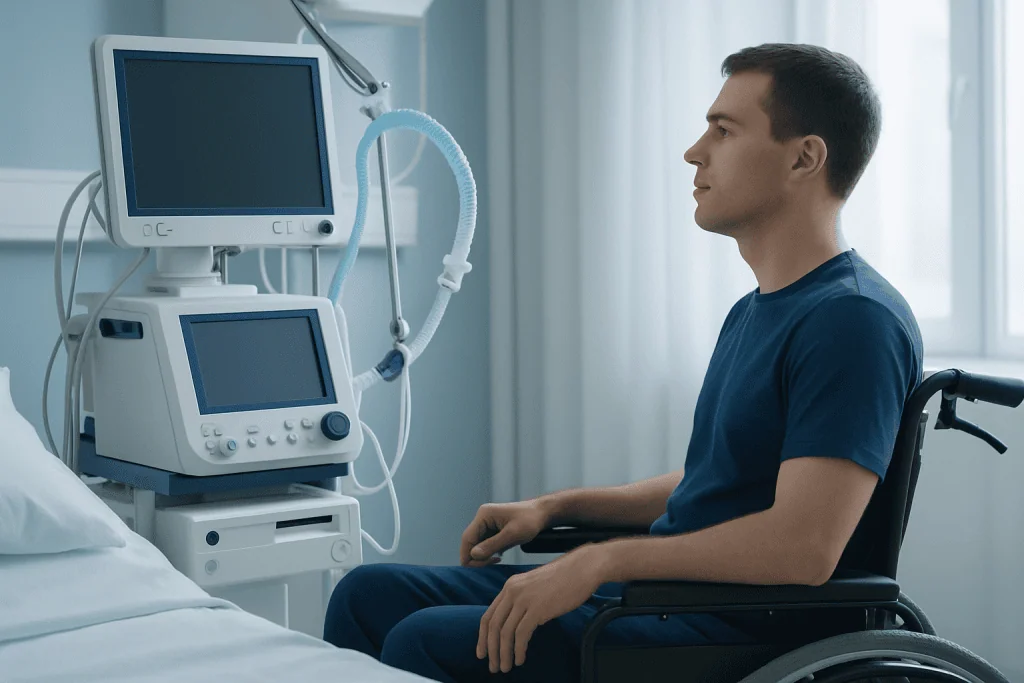
Paralysis is often described by how much of the body it affects. Monoplegia affects one limb, hemiplegia affects one side of the body, paraplegia affects both legs, and quadriplegia or tetraplegia affects all four limbs. Some people have weakness rather than complete paralysis, and symptoms may worsen over hours, days, or longer.
Symptoms can include inability to move part of the body, marked weakness, muscle stiffness or limpness, muscle wasting over time, cramps, or involuntary movements. Depending on the cause, there may also be numbness, tingling, pain, changes in reflexes, or loss of coordination.
Other symptoms may point to the location of the problem. Facial drooping, speech difficulty, or confusion may suggest a brain-related cause such as stroke. Back pain, numbness below a certain level, or loss of bladder control may suggest spinal cord involvement. Trouble swallowing or breathing can happen in severe neurological illness and requires urgent care.
- Sudden one-sided weakness or facial droop
- Loss of movement after an injury
- Numbness, tingling, or severe back or neck pain
- Difficulty speaking, swallowing, or breathing
- Changes in bladder or bowel control
Causes and Risk Factors

Paralysis develops when the nervous system cannot send or receive movement signals properly. Common causes include stroke, traumatic injury to the brain or spinal cord, herniated discs causing severe nerve compression, tumors, infections affecting the brain or nerves, and inflammatory or autoimmune diseases such as multiple sclerosis or Guillain-Barre syndrome. Some muscle and nerve disorders can also lead to progressive weakness that may look like paralysis.
Damage can occur at different levels. The brain may be affected by bleeding, blocked blood flow, infection, or a tumor. The spinal cord may be compressed or injured. Peripheral nerves can be damaged by trauma, diabetes, toxins, infections, or entrapment. In some cases, paralysis is linked to temporary conditions such as Bell’s palsy, while in others the damage is longer lasting.
Risk factors depend on the cause. For stroke, important risks include high blood pressure, diabetes, smoking, high cholesterol, and heart rhythm problems. For spinal injury, falls, sports injuries, traffic accidents, and workplace trauma are key concerns. Cancer, infections, immune disorders, and some inherited neurological conditions may also increase the risk of becoming paralyzed.
Because paralysis has many possible explanations, it should not be self-diagnosed. Even when symptoms seem mild at first, a serious neurological or spinal problem may be present and needs professional assessment.
How Doctors Diagnose Paralysis
Diagnosis begins with a careful history and neurological examination. Doctors ask when symptoms started, whether they appeared suddenly or gradually, what body parts are affected, and whether there are related symptoms such as pain, numbness, fever, headache, or changes in bladder function. The examination checks strength, sensation, reflexes, coordination, speech, and cranial nerve function.
Imaging is often essential. A CT scan may be used urgently to look for bleeding or major brain injury, while MRI is often more detailed for the brain, spinal cord, and soft tissues. If spinal cord compression is suspected, rapid imaging helps guide treatment decisions. In some cases, ultrasound, vascular studies, or nerve testing may also be used.
Blood tests can help identify infection, inflammation, metabolic problems, or autoimmune disease. Nerve conduction studies and electromyography may be used when peripheral nerve or muscle disease is suspected. If doctors need more information, they may recommend a lumbar puncture or other specialized neurological tests.
The goal of diagnosis is not only to confirm paralysis, but also to find the exact location and cause of the problem. This allows treatment to begin quickly and helps the care team estimate recovery potential and rehabilitation needs.
Treatment Options and Rehabilitation
Treatment depends entirely on the cause. Sudden paralysis from stroke may require time-sensitive emergency treatment, while paralysis caused by pressure on the spinal cord may need urgent surgery. Infections may be treated with antimicrobial medicines, and autoimmune causes may respond to corticosteroids, plasma exchange, or other immune therapies. Some cases require close monitoring in hospital, especially when breathing or swallowing is affected.
If a structural problem is compressing nerves or the spinal cord, surgery may be recommended. This can include neurosurgery for brain or spinal conditions or other procedures to remove tumors, relieve pressure, or stabilize the spine. The best approach depends on the location of the damage and the person’s general health.
Rehabilitation is a central part of care for many patients, whether paralysis is temporary or long term. Physical therapy and rehabilitation can help maintain joint movement, improve strength where possible, reduce stiffness, and support safe transfers and mobility. Occupational therapy, speech therapy, assistive devices, and home adaptations may also play a major role in daily function and independence.
Long-term care may address complications such as skin breakdown, muscle contractures, pain, blood clots, urinary problems, and emotional stress. In selected cases, doctors may also evaluate advanced options such as spinal cord stimulation for certain pain or nerve-related conditions, although it is not appropriate for every cause of paralysis.
Prevention and Self-Care
Not all causes of paralysis can be prevented, but some risk factors can be reduced. Steps such as managing blood pressure, cholesterol, and diabetes; avoiding smoking; staying physically active; and following treatment for heart disease can lower the risk of stroke and vascular problems. Seat belts, helmets, fall prevention, and workplace safety measures can reduce traumatic injuries.
People with back pain, cancer, infections, or known neurological disease should pay attention to new weakness, numbness, or changes in bladder and bowel function. Early reporting of these symptoms may help doctors identify spinal cord compression or other urgent complications before more severe disability develops.
For someone already living with paralysis, self-care focuses on preserving health and function. This may include regular repositioning, skin checks, stretching, nutrition, hydration, bowel and bladder routines, and using mobility aids correctly. Support from rehabilitation specialists can help patients and families learn safe techniques and realistic goals.
Emotional well-being matters as much as physical recovery. Anxiety, frustration, grief, and depression can affect people adjusting to sudden weakness or long-term disability. Counseling, peer support, and coordinated follow-up can make coping easier and improve quality of life.
When to Seek Medical Care
Sudden paralysis is always a reason to seek urgent medical attention. Emergency care is especially important if a person suddenly cannot move an arm or leg, has facial drooping, trouble speaking, severe headache, confusion, loss of balance, or collapse. These can be warning signs of a stroke or another serious neurological emergency.
Immediate evaluation is also needed after a fall, traffic accident, sports injury, or any trauma followed by weakness, numbness, neck pain, or back pain. Trouble breathing, choking, inability to swallow, or rapidly spreading weakness are also emergency symptoms and should not be observed at home.
Even gradual or mild paralysis should be assessed by a doctor promptly. New weakness, repeated falls, persistent numbness, bowel or bladder changes, or unexplained loss of function can point to nerve compression, tumor, inflammatory disease, or other conditions that benefit from early treatment.
Near the end of the diagnostic and recovery journey, some people may need coordinated specialty care. Acibadem International’s multidisciplinary specialists and JCI-accredited hospitals diagnose and treat patients with neurological and spinal conditions, including causes of paralysis, with individualized planning for international patients.
Frequently asked questions
What does paralyzed mean medically?
Medically, paralyzed means a person has lost voluntary movement in part of the body. The loss may be partial or complete and can happen because of problems in the brain, spinal cord, nerves, or muscles.
Can paralysis be temporary?
Yes, some forms of paralysis are temporary, especially when the underlying cause can be treated quickly. Examples may include certain nerve injuries, inflammation, Bell's palsy, or weakness related to a reversible condition.
Is sudden paralysis an emergency?
Yes. Sudden paralysis can be caused by stroke, spinal cord compression, severe nerve injury, or other urgent conditions. Immediate medical evaluation is important because rapid treatment may reduce long-term damage.
Can someone recover after being paralyzed?
Recovery depends on the cause, how severe the damage is, and how fast treatment begins. Some people regain significant movement, while others may have lasting weakness and benefit from rehabilitation and supportive care.
How is paralysis diagnosed?
Doctors usually diagnose paralysis with a medical history, physical and neurological examination, and tests such as CT, MRI, blood work, or nerve studies. These tests help identify where the problem is located and what is causing it.
Does paralysis always mean loss of feeling too?
No. Some people lose movement but still feel touch, temperature, or pain, while others have both paralysis and sensory loss. The pattern depends on which part of the nervous system is affected.
References
- World Health Organization
- National Institute of Neurological Disorders and Stroke
- Centers for Disease Control and Prevention
- National Health Service
- American Academy of Neurology
This article is for general information only and is not a substitute for professional medical advice. Please consult a qualified doctor about your individual situation.
Joint and spine care in Turkey — expert assessment & treatment
JCI-accredited · board-certified surgeons · reply within 24h
Add us as a Preferred Source to see more of our trusted health content across Google Search, AI Overviews and Discover.
Check your numbers in seconds
BMI, calories, due date, blood pressure and 30+ more clinical calculators — free, instant, doctor-reviewed ranges.