Early Pregnancy Symptoms Explained: Common Triggers and Red Flags

Common early pregnancy symptoms are mainly linked to hormonal changes, especially rising hCG and progesterone. A missed period, nausea, fatigue, breast tenderness, and frequent urination are among the most typical early signs.
Key Takeaways
- Common early pregnancy symptoms are mainly linked to hormonal changes, especially rising hCG and progesterone.
- A missed period, nausea, fatigue, breast tenderness, and frequent urination are among the most typical early signs.
- Symptoms vary widely; some people notice many changes, while others have very few.
- Home pregnancy tests are helpful, but medical evaluation confirms pregnancy and checks for complications.
- Heavy bleeding, severe abdominal pain, fainting, or one-sided pelvic pain are red flags that need urgent care.
Early pregnancy symptoms often begin before a person is certain they are pregnant and may include a missed period, nausea, fatigue, breast tenderness, and changes in urination or mood. These signs are usually caused by normal hormonal shifts, but severe pain, heavy bleeding, fainting, or one-sided pelvic pain should be assessed promptly.
Overview: what early pregnancy symptoms usually mean
Early pregnancy symptoms are the body’s response to rapid hormonal and physical changes that begin soon after conception. For many people, the earliest clues are a missed period, tiredness, nausea, breast tenderness, or needing to urinate more often. These symptoms can start before a pregnancy is confirmed, but they are not specific enough on their own to prove pregnancy.
It is also important to know that early pregnancy symptoms vary from person to person and even from one pregnancy to the next. Some notice several symptoms within days of implantation, while others feel little or nothing for weeks. A symptom may be mild, intermittent, or absent and still be consistent with a healthy pregnancy.
At the same time, symptoms such as cramping, spotting, bloating, or mood changes can overlap with the menstrual cycle or other conditions. That is why a home pregnancy test and follow-up medical assessment are useful when pregnancy is possible. A clinician can confirm pregnancy, estimate gestational timing, and rule out causes of symptoms that may need care.
Common early pregnancy symptoms
The most familiar early pregnancy symptom is a missed period, especially in someone with regular cycles. However, people with irregular periods may not recognize this sign right away. Mild cramping or light spotting can also happen early, often around the time implantation occurs, and may be mistaken for the start of a period.
Nausea and vomiting are very common and may begin a few weeks after conception. Despite the term “morning sickness,” symptoms can happen at any time of day. Fatigue is another frequent early complaint because progesterone rises and the body begins supporting major changes in metabolism, circulation, and the developing pregnancy.
Breast changes are also common. Breasts may feel fuller, heavier, tender, or more sensitive, and the areolae may darken over time. Some people notice bloating, constipation, food aversions, heightened sense of smell, mood changes, headaches, or frequent urination.
- Missed period
- Nausea or vomiting
- Fatigue
- Breast tenderness or swelling
- Light spotting or mild cramping
- Frequent urination
- Bloating or constipation
- Mood swings or sensitivity to smells
Why these symptoms happen: common triggers
The main triggers of early pregnancy symptoms are hormonal. After implantation, the body starts producing human chorionic gonadotropin, or hCG, which is the hormone detected by pregnancy tests. Rising hCG is strongly linked with nausea and is one reason symptoms may become more noticeable as the pregnancy progresses in the first trimester.
Progesterone also increases early in pregnancy. This hormone helps support the uterine lining and maintain the pregnancy, but it can also slow digestion. As a result, bloating, constipation, and a feeling of fullness are common. Progesterone may also contribute to tiredness and lightheadedness in some people.
Other body systems change as well. Blood volume and circulation begin adapting early, the breasts prepare for future feeding, and the kidneys process more fluid, which can increase urination. Emotional shifts may happen too, partly because of hormonal changes and partly because early pregnancy can bring uncertainty, excitement, stress, or all three at once.
Because these changes are broad and affect many organs, early pregnancy symptoms can feel surprisingly diverse. Even so, symptom intensity does not reliably measure how healthy a pregnancy is. Mild symptoms do not necessarily mean something is wrong, and stronger symptoms do not always indicate a problem either.
Symptoms that can be confused with pregnancy
Many early pregnancy symptoms overlap with premenstrual symptoms. Breast tenderness, bloating, fatigue, cramping, and mood changes are common examples. This overlap explains why some people do not realize they are pregnant until after a missed period or a positive home test.
Other health conditions can also mimic early pregnancy. Gastrointestinal illness, stress, thyroid disorders, hormonal changes, urinary tract infection, and sleep deprivation can all contribute to nausea, fatigue, or frequent urination. Pelvic pain or abnormal bleeding may have causes unrelated to pregnancy and should not be assumed to be normal without assessment.
Because symptoms are not definitive, testing matters. A home urine pregnancy test is often accurate after a missed period, but timing affects the result. If a test is negative and pregnancy is still possible, repeating it after a few days or discussing blood testing with a clinician may be appropriate.
People who are trying to conceive, have had fertility treatment, or have a history of miscarriage or ectopic pregnancy may benefit from earlier medical review. In these situations, symptom interpretation can be more complicated, and prompt evaluation helps clarify what is happening.
How pregnancy is confirmed and checked
Pregnancy is usually first suspected based on symptoms and a missed period, then confirmed with testing. Home urine pregnancy tests detect hCG and are most reliable when used according to the instructions and after enough time has passed for hormone levels to rise. A blood test may be used when results are uncertain or when closer monitoring is needed.
After pregnancy is confirmed, a healthcare professional may review symptoms, menstrual timing, medications, prior pregnancies, and general health. This early assessment helps identify factors such as anemia, thyroid disease, diabetes, high blood pressure, or previous pregnancy complications that may influence care.
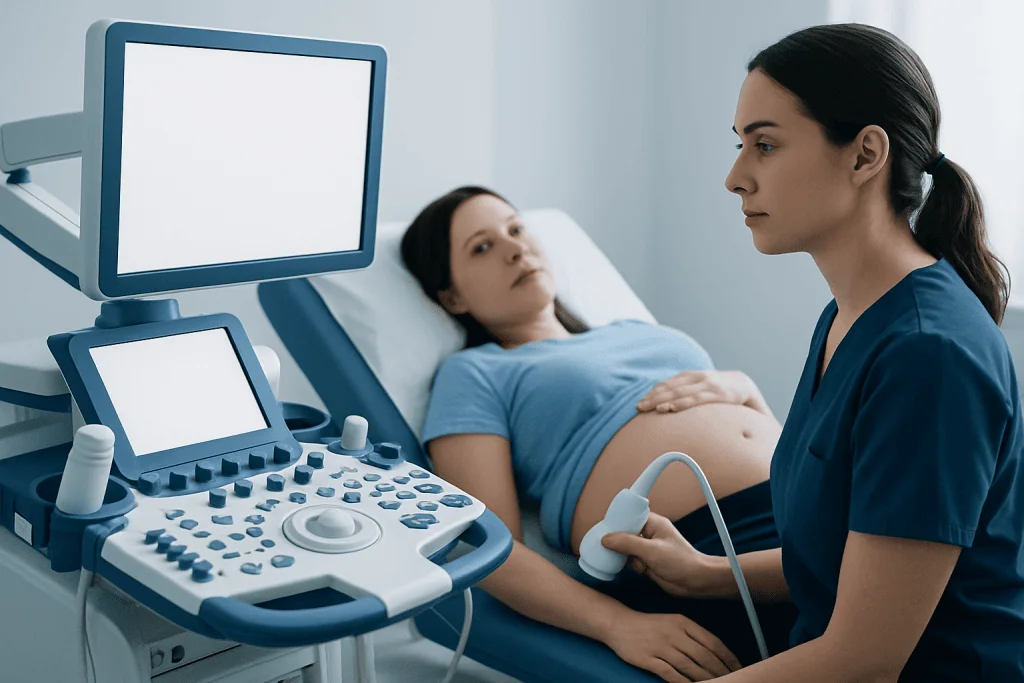
An ultrasound is not always needed immediately, but it can be important if there is pain, bleeding, uncertainty about dates, or concern about pregnancy location. Imaging helps confirm that the pregnancy is in the uterus and can evaluate symptoms that may suggest a complication. In some cases, doctors may recommend ultrasound evaluation as part of early assessment.
Routine prenatal follow-up allows symptoms to be monitored over time and supports healthy early pregnancy care. If help is needed with pregnancy planning, fertility concerns, or early assessment, some patients may also be referred for fertility and reproductive medicine care depending on their individual situation.
When symptoms may suggest a problem
Most early pregnancy symptoms are not dangerous, but a few deserve urgent attention. Heavy vaginal bleeding, severe abdominal or pelvic pain, pain focused on one side, fainting, shoulder pain, or marked dizziness can be warning signs. These symptoms may occur with miscarriage, internal bleeding, or an ectopic pregnancy and should not be ignored.
Very severe vomiting can also need medical care, especially if fluids cannot be kept down or there are signs of dehydration. Fever, painful urination, or foul-smelling discharge may point to an infection rather than a normal pregnancy symptom. Intense headaches, vision changes, chest pain, or shortness of breath also need prompt evaluation.
Not all bleeding means pregnancy loss, and not all cramping means a complication. Light spotting and mild cramping can occur in normal early pregnancy. The concern is greater when symptoms are strong, worsening, one-sided, or accompanied by weakness or collapse.
If there is concern about bleeding in early pregnancy, doctors may assess for causes such as miscarriage or check for pregnancy outside the uterus. In selected cases, specialists may use obstetric and gynecologic care to coordinate diagnosis, monitoring, and treatment.
Self-care during early pregnancy symptoms
Simple measures often help manage mild early pregnancy symptoms. Eating small, frequent meals may reduce nausea, and many people find bland foods easier to tolerate. Drinking fluids regularly, resting when possible, and avoiding strong smells or foods that worsen nausea can also help.
For fatigue, prioritizing sleep, gentle daily movement, and balanced meals may be useful. Breast tenderness can sometimes be eased with a supportive bra. Constipation and bloating may improve with hydration, gradual fiber intake, and routine physical activity, if approved by a doctor.
It is best to be cautious with medications, supplements, and herbal products during pregnancy unless they have been reviewed by a qualified clinician. Even over-the-counter medicines may not be suitable in every case. Starting prenatal care early can help ensure that symptom relief is safe and appropriate.
Emotional wellbeing matters too. Early pregnancy can bring mixed feelings, and support from a partner, family member, or healthcare professional can be helpful. If symptoms are interfering with nutrition, sleep, mental health, or daily life, a doctor can suggest safer strategies and decide whether more evaluation is needed.
When to seek medical care
A healthcare professional should be contacted if early pregnancy symptoms are confusing, persistent, or affecting daily life. Medical advice is especially useful after a positive pregnancy test, if periods are irregular, or if there is a history of ectopic pregnancy, miscarriage, fertility treatment, or chronic medical conditions.
Urgent medical care is needed for heavy bleeding, severe or one-sided pelvic pain, fainting, shoulder pain, high fever, or vomiting that prevents drinking fluids. Prompt evaluation can identify whether symptoms are part of a normal pregnancy or signs of a complication that needs treatment.
Near the start of care, clinicians may recommend examination, blood testing, and ultrasound to confirm pregnancy and assess wellbeing. Acibadem International’s multidisciplinary specialists in women’s health, in JCI-accredited hospitals, diagnose and treat early pregnancy concerns for international patients when evaluation or follow-up is needed.
Frequently asked questions
What are the earliest early pregnancy symptoms?
The earliest early pregnancy symptoms often include a missed period, mild cramping, light spotting, fatigue, breast tenderness, and nausea. Some people also notice bloating, mood changes, or frequent urination. Symptoms can begin before a positive test, but timing varies.
How soon can early pregnancy symptoms start?
Some symptoms may begin within one to two weeks after conception, although many people notice changes closer to the time of a missed period. Nausea often starts a little later than fatigue or breast tenderness. Not having symptoms right away does not necessarily mean anything is wrong.
Can early pregnancy symptoms feel like a period?
Yes. Early pregnancy symptoms can closely resemble premenstrual symptoms, especially bloating, breast tenderness, mood changes, and mild cramping. Light spotting can also happen and may be mistaken for a light period, which is why testing is often needed to tell the difference.
Is cramping normal in early pregnancy?
Mild cramping can be normal in early pregnancy and may happen as the uterus begins to change. However, severe pain, pain on one side, or cramping with heavy bleeding is not considered typical and needs prompt medical assessment.
When should someone take a pregnancy test?
A home pregnancy test is usually most reliable after a missed period. If the result is negative but pregnancy is still possible, repeating the test after a few days may help because hCG levels rise over time. A doctor may also order a blood test if confirmation is needed.
Which early pregnancy symptoms are red flags?
Red flags include heavy bleeding, severe abdominal or pelvic pain, one-sided pain, fainting, shoulder pain, fever, or vomiting that leads to dehydration. These symptoms can suggest a complication and should be evaluated urgently. It is safer to seek medical advice rather than wait if symptoms are intense or worsening.
References
- American College of Obstetricians and Gynecologists
- National Health Service
- Mayo Clinic
- Office on Women's Health
- World Health Organization
This article is for general information only and is not a substitute for professional medical advice. Please consult a qualified doctor about your individual situation.
Persistent digestive symptoms? Get evaluated in Turkey
JCI-accredited · board-certified surgeons · reply within 24h
Add us as a Preferred Source to see more of our trusted health content across Google Search, AI Overviews and Discover.