Backache Muscle Strain: A Complete Medical Overview

Backache muscle strain often causes localized pain, stiffness, and pain with movement after lifting, twisting, overuse, or an awkward posture. Most uncomplicated strains get better within days to weeks with relative rest, gentle movement, and symptom relief measures.
Key Takeaways
- Backache muscle strain often causes localized pain, stiffness, and pain with movement after lifting, twisting, overuse, or an awkward posture.
- Most uncomplicated strains get better within days to weeks with relative rest, gentle movement, and symptom relief measures.
- Warning signs such as leg weakness, numbness, fever, loss of bladder or bowel control, or pain after major trauma need prompt medical attention.
- Diagnosis is usually based on symptoms and a physical examination; imaging is not always needed unless red flags are present.
- Prevention focuses on safe lifting, gradual exercise progression, core and back conditioning, and avoiding long periods of poor posture.
Backache muscle strain is a common cause of sudden or gradual back pain that happens when muscles or tendons in the back are overstretched or torn. Most cases improve with time, activity modification, and supportive care, but some symptoms suggest a different or more serious problem that should be checked by a doctor.
What backache muscle strain means
Backache muscle strain is pain caused by stretching or small tears in the muscles or tendons that support the spine. It can affect the lower back most often, but it may also involve the upper or middle back. The discomfort may begin suddenly after lifting, twisting, or sports activity, or it may build gradually from repeated strain and poor body mechanics.
This type of pain is mechanical, meaning it is usually related to movement and posture. People often notice that it hurts more when bending, standing up, changing position, or using the affected muscles. Unlike some other spinal conditions, the pain from a simple strain is commonly felt in one area of the back rather than traveling far down the leg.
Although backache muscle strain can be very uncomfortable, it is usually not dangerous and often improves with conservative care. Still, back pain can have many causes, including a herniated disc or joint-related problems, so an accurate assessment matters when symptoms are severe, persistent, or unusual.
Common symptoms and how they feel
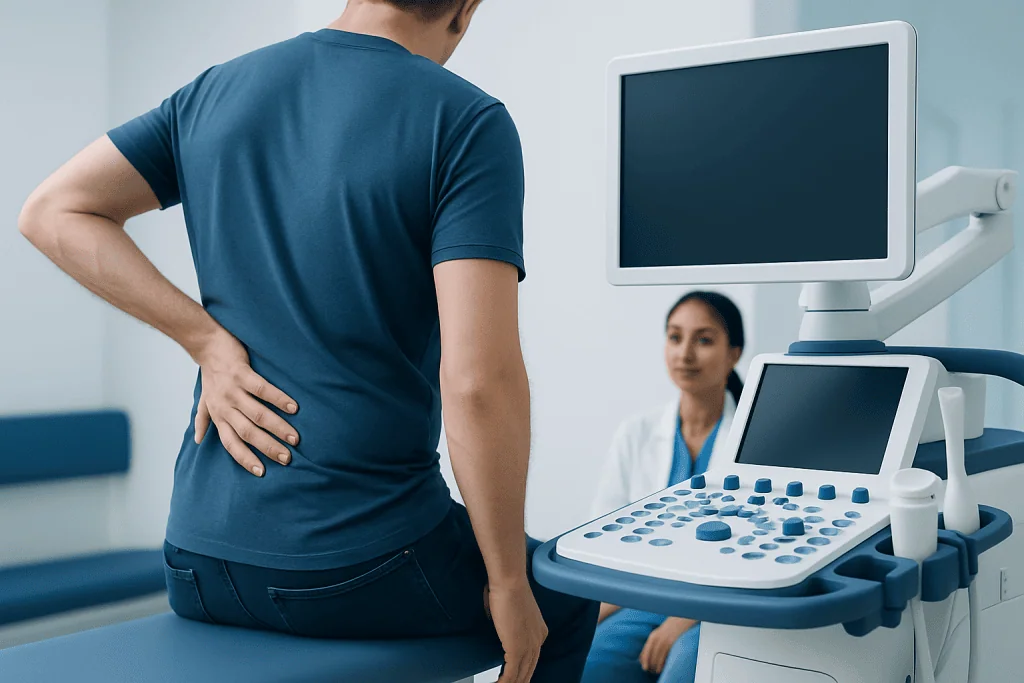
The main symptom is pain in the back that may feel aching, sore, tight, or sharp with certain movements. A person may wake up stiff, find it difficult to straighten fully, or notice pain when rolling in bed, getting out of a chair, or lifting even light objects. Some people also describe muscle tightness or a feeling of spasm.
Symptoms often stay near the injured area. In lower back strain, discomfort is usually centered in the lumbar region and may spread slightly into the buttocks, but it typically does not cause significant numbness or true weakness. Upper back strain may cause soreness between the shoulder blades or along the sides of the spine, especially after repetitive arm use, coughing, or long hours at a desk.
Muscle strain symptoms can vary in intensity. Mild strains may cause soreness only with activity, while moderate strains may interfere with walking, sleep, or daily tasks. If pain is accompanied by tingling, burning down a limb, fever, unexplained weight loss, or trouble controlling the bladder or bowels, the cause may not be a simple strain and should be evaluated promptly.
Why it happens: causes and risk factors

Backache muscle strain develops when the muscles or tendons are loaded beyond what they can comfortably tolerate. Common triggers include lifting something heavy, especially with twisting; sudden movements during exercise; falls or minor accidents; repetitive bending; and prolonged awkward postures. Even everyday activities, such as carrying children, gardening, or sitting for long periods, can contribute when the back is already fatigued.
Several factors can make strain more likely. These include weak core or back muscles, reduced flexibility, poor lifting technique, returning to activity too quickly after a previous injury, and doing a new sport or work task without proper conditioning. Stress and poor sleep may also increase muscle tension and pain sensitivity, making symptoms feel more intense.
Age-related changes can play a role as well. As tissues become less flexible over time, they may tolerate sudden overload less well. In some cases, what seems like a strain may overlap with another back condition, such as scoliosis or a disc problem, which is why symptoms that keep returning deserve medical review.
How doctors diagnose a back muscle strain
Diagnosis usually begins with a careful history and physical examination. The doctor asks when the pain started, what movements make it worse, whether there was an injury, and whether there are symptoms such as leg pain, numbness, fever, or weakness. During the examination, they may check posture, areas of tenderness, range of motion, muscle tightness, and nerve function.
In many cases, imaging tests are not needed right away. A straightforward back muscle strain often can be diagnosed clinically when symptoms fit a typical pattern and there are no warning signs. Avoiding unnecessary imaging may help prevent confusion, since scans can show age-related changes that are not actually causing the pain.
Tests may be considered if symptoms are severe, do not improve as expected, or suggest another condition. Depending on the situation, evaluation may include MRI or X-ray to look for fractures, disc problems, or other structural causes. Blood tests are sometimes used when infection or inflammatory disease is suspected.
Treatment options and expected recovery
Most people with backache muscle strain improve with conservative treatment. Early care usually includes a short period of relative rest, avoiding activities that sharply worsen pain while continuing gentle movement as tolerated. Staying completely in bed for long periods is generally not advised, because light activity often helps reduce stiffness and supports recovery.
Supportive treatments may include heat or ice, depending on comfort, and nonprescription pain relief when appropriate and recommended by a doctor or pharmacist. Gentle stretching, walking, and gradual return to normal activity can help the muscles recover. If pain is more limiting or lasts longer than expected, a doctor may suggest physical therapy and rehabilitation to improve flexibility, muscle balance, posture, and movement patterns.
Recovery time depends on the severity of the strain and the person’s overall health and activity level. Mild strains may improve within several days, while moderate strains can take a few weeks. Persistent pain does not always mean serious damage, but if symptoms continue, a reassessment is useful to rule out other causes and adjust the treatment plan.
Surgery is not a treatment for a simple back muscle strain. When doctors discuss procedures for back pain, it is usually because testing has found a different problem affecting the spine or nerves. That is why a clear diagnosis is important if pain is unusually intense, recurrent, or associated with neurological symptoms.
Self-care, prevention, and safe return to activity
Self-care should focus on comfort, gradual activity, and preventing the back from becoming more deconditioned. Short walks, gentle position changes, and avoiding heavy lifting for a limited time are often helpful. Many people benefit from using supportive seating, changing posture regularly, and paying attention to body mechanics during everyday tasks.
Prevention starts with strengthening the muscles that support the spine, abdomen, hips, and legs. Regular exercise, flexibility work, and a gradual progression in training or physical labor reduce the risk of overloading the back. Safe lifting habits are also important: keeping objects close to the body, bending at the hips and knees, and avoiding twisting while carrying weight.
Workstation setup and daily habits matter too. Long periods of sitting, slouching, or repetitive motion can increase strain on back muscles. Taking movement breaks, adjusting chair and screen height, and varying tasks can lower stress on the spine. For athletes and active adults, warming up before exercise and allowing time for recovery can help prevent repeat injury.
When to seek medical care
A doctor should be consulted if back pain is severe, keeps returning, or does not start improving after a reasonable period of self-care. Medical review is also important when pain follows a significant fall, sports collision, or other trauma, especially in older adults or people with osteoporosis risk. New back pain in someone with a history of cancer, infection risk, or immune suppression also deserves prompt attention.
Urgent evaluation is needed if back pain comes with leg weakness, numbness in the groin area, loss of bladder or bowel control, fever, or unexplained weight loss. These features may point to nerve compression, infection, or another condition that requires faster treatment. Pain that is constant at night or unrelated to movement should also be checked.
For international patients who need evaluation, Acibadem International’s multidisciplinary specialists in JCI-accredited hospitals diagnose and treat back pain conditions using coordinated assessment and rehabilitation-focused care. This may be helpful when symptoms suggest something more complex than a simple strain.
Frequently asked questions
How can someone tell if back pain is a muscle strain?
Backache muscle strain often causes localized pain, stiffness, and tenderness that get worse with movement and better with rest or position changes. It commonly starts after lifting, twisting, overuse, or an awkward posture. A doctor should assess symptoms if there is numbness, weakness, fever, or pain that does not improve.
How long does a back muscle strain usually last?
A mild back muscle strain may begin improving within a few days and often settles over one to two weeks. More significant strains can take several weeks to recover. Healing time varies depending on the severity of the injury, activity level, and whether the back is re-strained during recovery.
Is it better to rest or stay active with backache muscle strain?
Short-term relative rest can help during the most painful phase, but complete bed rest for long periods is usually not recommended. Gentle walking and light movement often reduce stiffness and support recovery. Activity should be increased gradually and stopped if it clearly worsens symptoms.
Can a back muscle strain cause leg pain?
A simple muscle strain may cause pain that spreads slightly into the buttock or nearby area, but it usually does not cause strong shooting leg pain, numbness, or weakness. Those symptoms can suggest nerve irritation or another spinal problem. Medical evaluation helps distinguish between these causes.
When is imaging needed for a strained back?
Imaging is not always needed for a typical back muscle strain, especially when symptoms are recent and there are no red flags. Doctors may order scans if pain follows major trauma, does not improve, or is accompanied by neurological symptoms or signs of another condition. The choice of test depends on the suspected cause.
What helps prevent backache muscle strain from coming back?
Regular strengthening and flexibility exercises, especially for the core and hips, can lower the chance of repeat strain. Good lifting technique, posture changes during prolonged sitting, and a gradual return to sports or physical work are also important. Recurrent pain should be reviewed to look for underlying problems or movement patterns that need correction.
References
- National Institute of Arthritis and Musculoskeletal and Skin Diseases
- American Academy of Orthopaedic Surgeons
- National Institute of Neurological Disorders and Stroke
- MedlinePlus
- World Health Organization
This article is for general information only and is not a substitute for professional medical advice. Please consult a qualified doctor about your individual situation.
Joint and spine care in Turkey — expert assessment & treatment
JCI-accredited · board-certified surgeons · reply within 24h
Add us as a Preferred Source to see more of our trusted health content across Google Search, AI Overviews and Discover.