Limbic System — Explained by Medical Evidence, Not Myths
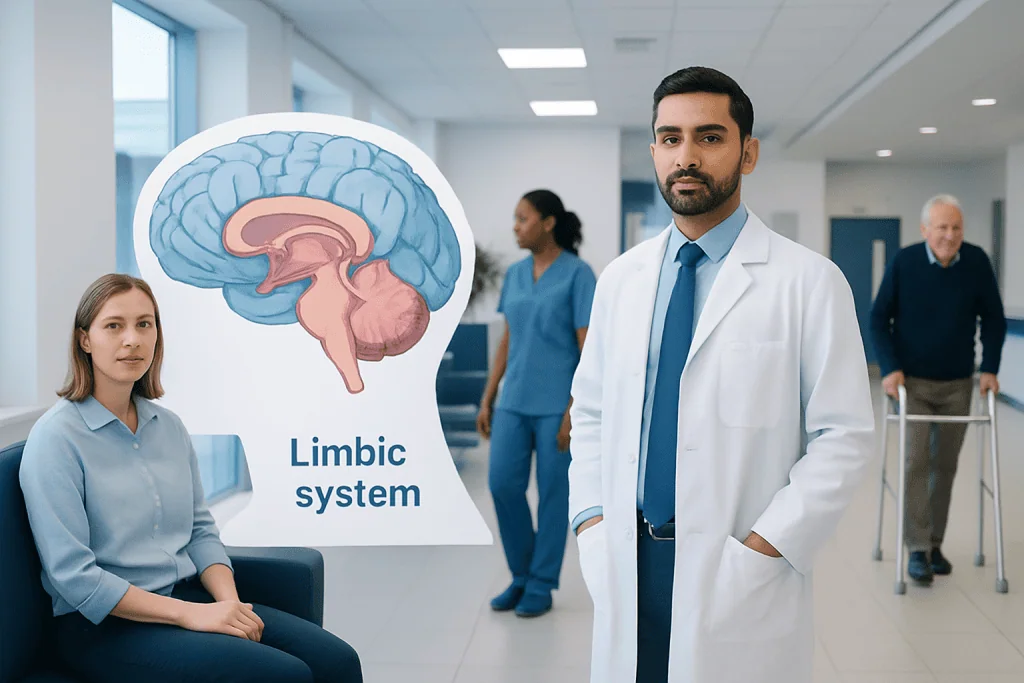
The limbic system supports emotion, memory formation, motivation, and stress regulation. It is a network of structures, including the hippocampus, amygdala, hypothalamus, and related pathways.
Key Takeaways
- The limbic system supports emotion, memory formation, motivation, and stress regulation.
- It is a network of structures, including the hippocampus, amygdala, hypothalamus, and related pathways.
- Problems affecting the limbic system can contribute to memory changes, mood symptoms, seizures, confusion, or behavior changes.
- Doctors diagnose limbic-related conditions with a clinical exam, brain imaging, lab tests, and sometimes EEG or lumbar puncture.
- Treatment depends on the cause and may include medication, psychotherapy, rehabilitation, or urgent care for inflammation, seizures, or stroke.
The limbic system is a network of brain structures that helps regulate emotion, memory, motivation, learning, and the body’s stress response. Rather than being a single organ or a “primitive brain,” it works closely with many other brain regions, and symptoms usually appear when disease or injury affects these connected circuits.
Overview: What the Limbic System Is
The limbic system is a group of interconnected brain structures involved in emotion, memory, motivation, learning, and certain automatic body responses such as stress and arousal. In everyday language, it is often described as the brain’s “emotional center,” but that description is incomplete. Medical evidence shows that the limbic system works as part of larger brain networks rather than acting alone.
Key structures commonly associated with the limbic system include the hippocampus, amygdala, hypothalamus, cingulate gyrus, and nearby parts of the temporal lobe and thalamus. These regions communicate constantly with the frontal lobes, sensory areas, and brainstem. Because of this broad connectivity, symptoms linked to the limbic system can affect both mental and physical health.
Understanding the limbic system is helpful because it explains why emotions can influence memory, why stress can affect sleep and appetite, and why some neurological conditions may cause both cognitive and behavioral symptoms. It also helps separate myth from evidence: the limbic system is not simply the “animal brain,” and it does not fully explain personality or decision-making on its own.
How the Limbic System Works
The limbic system helps the brain attach meaning to experiences. For example, the amygdala helps process emotional significance, especially fear, threat, and reward-related signals. The hippocampus is important for forming and organizing new memories, while the hypothalamus helps connect emotions to body responses such as heart rate, hormone release, hunger, thirst, and sleep-wake patterns.
These structures do not work in isolation. The prefrontal cortex helps regulate emotional reactions, weigh consequences, and support self-control. This is why healthy brain function depends on balance across networks: emotional responses from limbic areas are normally shaped by attention, reasoning, past experiences, and social context.
The limbic system also plays a role in motivation and reinforcement. It helps explain why certain experiences feel rewarding, why habits can become strongly ingrained, and why stress or trauma may leave lasting emotional and physical effects. In clinical care, these functions are relevant to conditions involving memory disorders, anxiety, depression, epilepsy, and brain inflammation.
Common Symptoms When Limbic Circuits Are Affected

Limbic system problems do not cause one single pattern of symptoms. Instead, symptoms depend on which parts of the network are involved, how suddenly the change happened, and whether the cause is neurological, psychiatric, inflammatory, vascular, metabolic, or traumatic. Some people notice subtle changes, while others develop urgent symptoms that require immediate medical attention.
Possible symptoms can include:
- Short-term memory problems or difficulty learning new information
- Mood changes, anxiety, irritability, or emotional instability
- Confusion, disorientation, or changes in awareness
- Behavioral changes, impulsivity, or reduced motivation
- Sleep disturbance or changes in appetite
- Seizures, especially temporal lobe seizures
- Hallucinations or unusual perceptions in some conditions
- Autonomic symptoms such as sweating, palpitations, or nausea during seizure episodes
Not all of these symptoms mean there is a primary limbic disorder. For example, stress, sleep deprivation, medication side effects, depression, infection, or hormonal disorders can also affect memory and mood. A medical assessment is important when symptoms are persistent, progressive, severe, or accompanied by neurological warning signs.
Causes and Conditions Linked to the Limbic System
Several different conditions can affect limbic structures. One important example is inflammation of the limbic system, often called limbic encephalitis. This condition may cause memory loss, confusion, seizures, or psychiatric symptoms and often needs urgent specialist assessment. Causes may include autoimmune disease, infection, or, in some cases, a paraneoplastic process related to an underlying cancer.
Temporal lobe epilepsy can also involve limbic circuits, particularly the hippocampus and nearby structures. People may experience brief episodes of altered awareness, unusual sensations, emotional surges, déjà vu, or repetitive movements. In some cases, assessment may lead to medical therapy or specialized procedures such as epilepsy surgery when seizures do not respond well to medication.
Other causes include stroke, head injury, brain tumors, neurodegenerative diseases, metabolic disturbances, and severe or prolonged stress. Some forms of memory loss may be related to damage within these circuits, while emotional symptoms can reflect changes in both limbic and frontal network function. Conditions such as epilepsy or stroke may affect these pathways directly or indirectly.
In mental health, the limbic system is often discussed in relation to anxiety, depression, trauma-related disorders, and addiction. However, these conditions are complex and cannot be explained by one brain region alone. Evidence-based care considers the interaction between brain biology, psychology, environment, sleep, physical health, and life experiences.
How Doctors Diagnose Limbic System Problems
Diagnosis starts with a careful medical history and neurological examination. Doctors ask about the timing of symptoms, memory changes, mood or behavior changes, seizures, recent infections, autoimmune disease, medication use, head trauma, cancer history, and family history. Input from family members can be especially valuable if the person has confusion or noticeable behavior changes.
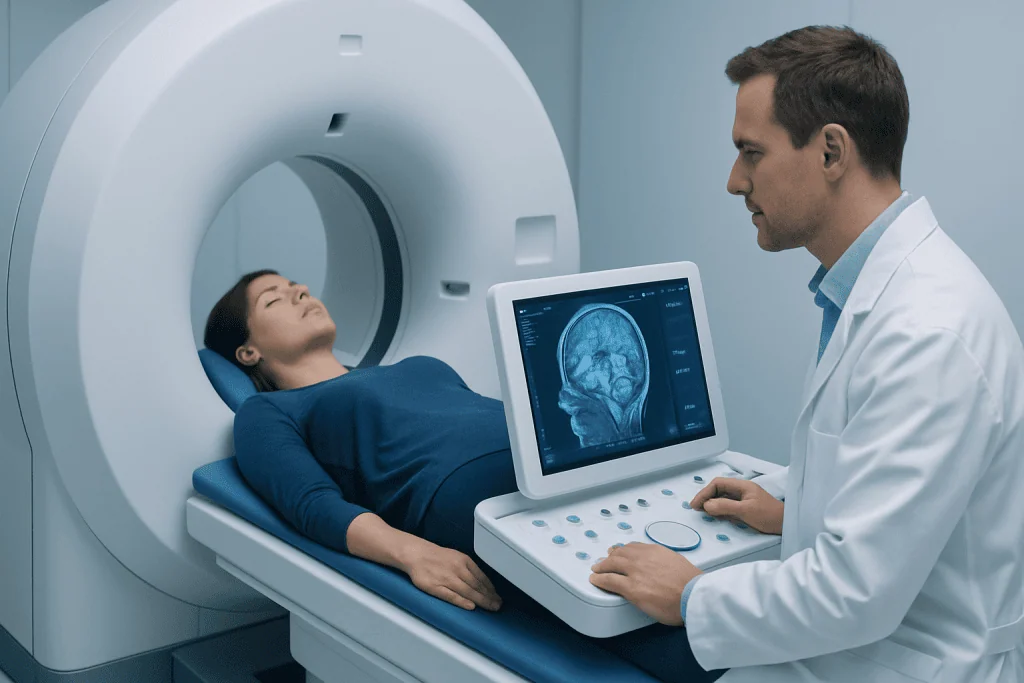
Tests depend on the suspected cause. Brain imaging, particularly MRI, can help show inflammation, scarring, stroke, tumors, or other structural changes in temporal and limbic regions. If seizures are suspected, an electroencephalogram may be used to look for abnormal electrical activity, and some patients may need advanced assessment such as EEG testing or prolonged monitoring.
Blood tests may check for infection, inflammation, metabolic problems, hormonal imbalance, vitamin deficiency, or autoimmune antibodies. In some situations, doctors recommend a lumbar puncture to analyze cerebrospinal fluid, especially when encephalitis or another inflammatory condition is a concern. Neuropsychological testing can also help measure memory, attention, language, and executive function in a structured way.
Because symptoms can overlap across neurological and psychiatric conditions, diagnosis is often multidisciplinary. Neurologists, psychiatrists, neuroradiologists, neuropsychologists, and rehabilitation teams may all contribute to a clearer picture and a more individualized treatment plan.
Treatment Options and Supportive Care
Treatment depends entirely on the underlying cause. If symptoms are due to seizures, treatment may include anti-seizure medication and regular follow-up. If imaging or clinical findings suggest a structural problem, management may involve targeted neurological or neurosurgical care, including procedures such as brain tumor surgery when appropriate. Autoimmune or inflammatory causes may require immunotherapy, while infections need prompt antimicrobial treatment.
For people with mood, trauma-related, or stress-linked symptoms, care may include psychotherapy, medication when indicated, sleep support, and treatment of contributing medical issues. Cognitive rehabilitation may help with memory, attention, and daily functioning after brain injury, encephalitis, stroke, or seizures. Occupational therapy and psychological support can be valuable for both patients and families.
Doctors also look for reversible contributors such as sleep apnea, medication effects, alcohol or substance use, thyroid disease, vitamin deficiency, or uncontrolled blood sugar. Addressing these issues can improve concentration, energy, and emotional regulation. Follow-up is important because symptoms may change over time, especially when the cause is inflammatory, degenerative, or seizure-related.
Near the end of a complex evaluation, some people benefit from coordinated care at a specialized center. Acibadem International’s multidisciplinary specialists and JCI-accredited hospitals diagnose and treat neurological conditions affecting memory, emotion, and seizure networks for international patients.
Prevention, Brain Health, and Self-Care
Not every limbic system problem can be prevented, but healthy daily habits support overall brain function and may reduce risk factors for some conditions. Regular sleep, balanced nutrition, physical activity, stress management, and avoiding tobacco and harmful substance use can all help protect brain health. Managing blood pressure, diabetes, and cholesterol is especially important for lowering stroke risk.
People with epilepsy, autoimmune disease, prior brain injury, or a history of stroke should attend regular follow-up visits and take medication exactly as prescribed. Good seizure control, fall prevention, and prompt treatment of infections or systemic illness can help reduce complications. It is also wise to review medications with a doctor if new confusion, memory problems, or drowsiness develops.
For emotional symptoms, self-care can complement medical treatment but should not replace it. Relaxation techniques, trauma-informed therapy, social support, and stable routines may help regulate stress responses. If memory or behavior changes affect work, school, or relationships, formal medical assessment is more useful than relying on popular myths about “left brain/right brain” or “reptilian brain” explanations.
When to Seek Medical Care
A person should seek medical care if they develop persistent memory loss, unexplained mood or behavior changes, repeated episodes of confusion, new seizures, or symptoms that interfere with daily life. Evaluation is also important when emotional symptoms are severe, worsening, or accompanied by sleep disturbance, poor concentration, or loss of function.
Urgent medical attention is needed for sudden confusion, first-time seizure, loss of consciousness, severe headache, new weakness, difficulty speaking, fever with altered mental status, or rapidly worsening behavior changes. These symptoms may point to emergencies such as stroke, encephalitis, severe metabolic imbalance, or another serious neurological condition.
It is often helpful for a family member or friend to attend the appointment, especially when the person may not recall all symptoms clearly. Bringing a timeline of events, medication list, and any video of concerning episodes can support a faster and more accurate diagnosis.
Frequently asked questions
What does the limbic system do?
The limbic system helps regulate emotion, memory, motivation, learning, and some automatic body responses such as stress and arousal. It works together with many other brain regions, especially the frontal lobes, rather than acting as a separate control center.
Is the limbic system a single part of the brain?
No. The limbic system is a network of related structures and pathways, not one single organ. Commonly discussed parts include the hippocampus, amygdala, hypothalamus, and nearby temporal lobe and cingulate regions.
Can limbic system problems cause anxiety or depression?
They can contribute, but anxiety and depression are complex conditions with many influences. Brain networks, life experiences, stress, sleep, hormones, and physical health all play roles, so these conditions should not be reduced to one brain region alone.
What are the warning signs of a limbic system disorder?
Possible warning signs include memory loss, confusion, major mood or behavior changes, unusual emotional reactions, and seizures. Sudden or severe symptoms, especially with fever, weakness, speech trouble, or loss of consciousness, need urgent medical care.
How is a limbic system condition tested?
Doctors usually combine a history and neurological examination with tests such as MRI, blood work, and sometimes EEG or lumbar puncture. The right tests depend on whether the concern is seizures, inflammation, infection, stroke, trauma, or another cause.
Can the limbic system heal?
Recovery depends on the cause, severity, and speed of treatment. Some problems improve significantly with medical treatment and rehabilitation, while others may require longer-term management and follow-up.
References
- National Institute of Neurological Disorders and Stroke
- National Institute of Mental Health
- Mayo Clinic
- Cleveland Clinic
- Merck Manual Professional Edition
This article is for general information only and is not a substitute for professional medical advice. Please consult a qualified doctor about your individual situation.
Explore treatments in Turkey — costs, top hospitals & a free quote
JCI-accredited · board-certified surgeons · reply within 24h
Add us as a Preferred Source to see more of our trusted health content across Google Search, AI Overviews and Discover.
Check your numbers in seconds
BMI, calories, due date, blood pressure and 30+ more clinical calculators — free, instant, doctor-reviewed ranges.

More from the Health Library



Related Specialists

Prof. Dr. Alpay Turan Sezgin
Cardiology
Asst. Prof. Dr. Özer Öztürk
Orthopedic Surgery & Traumatology
Prof. Dr. Bülent Değertekin
Internal Medicine
Dr. Ümit Ege Canyurt
Acibadem Life Clinical Service