Paracentesis: What Patients Need to Know

Paracentesis removes excess fluid from the abdomen or collects a sample for testing. It is commonly used for ascites related to liver disease, cancer, infection, heart failure, or other medical conditions.
Key Takeaways
- Paracentesis removes excess fluid from the abdomen or collects a sample for testing.
- It is commonly used for ascites related to liver disease, cancer, infection, heart failure, or other medical conditions.
- Most procedures are done with local anesthetic, often using ultrasound guidance, and do not require major surgery.
- Possible risks include bleeding, infection, low blood pressure, and injury to nearby structures, but serious complications are uncommon.
- Medical follow-up is important because paracentesis treats the fluid buildup itself, while the underlying cause also needs evaluation and care.
Paracentesis is a medical procedure used to remove fluid from the abdomen, most often when fluid buildup called ascites causes discomfort or when doctors need a sample for testing. For many patients, it is a straightforward, commonly performed procedure that can quickly relieve pressure and help guide treatment.
What paracentesis is and why it is done
Paracentesis is a procedure in which a doctor inserts a thin needle or small catheter into the abdomen to remove excess fluid. This fluid buildup is called ascites. The procedure may be done to help a person feel better when abdominal swelling causes pressure, pain, shortness of breath, poor appetite, or difficulty moving comfortably.
Paracentesis can also be diagnostic, meaning a small amount of fluid is taken for laboratory testing. Testing helps doctors understand why the fluid has collected and whether there are signs of infection, inflammation, bleeding, or cancer. In some cases, both diagnostic and therapeutic paracentesis are done during the same visit.
Although the idea of a needle in the abdomen can sound worrying, paracentesis is generally considered a routine medical procedure when performed by trained professionals. It is usually less invasive than surgery and may be done in a hospital, clinic, or emergency setting depending on the patient’s condition.
Why fluid builds up in the abdomen
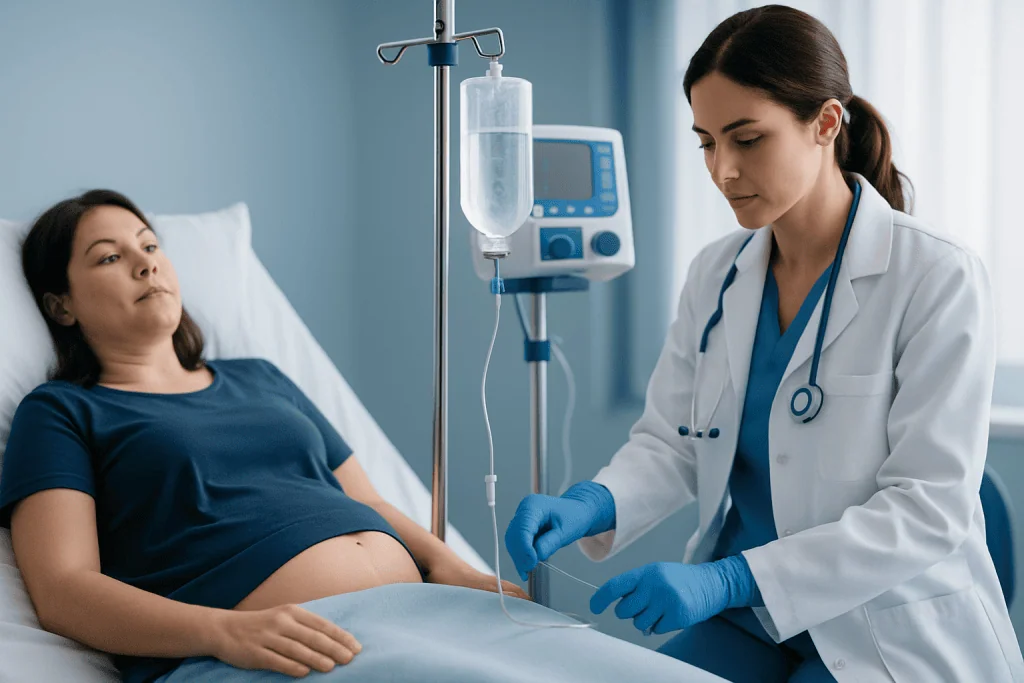
Ascites is not a disease by itself. It is a sign of another health problem that affects how fluid is regulated in the body. The most common cause is advanced liver disease, especially cirrhosis, which changes pressure in blood vessels and reduces the body’s ability to keep fluid in the bloodstream. Patients may also see this referred to in discussions of cirrhosis.
Other possible causes include cancers involving the abdomen, pancreas, ovaries, or liver; heart failure; kidney disease; inflammation of the pancreas; and infections such as spontaneous bacterial peritonitis or, in some regions, tuberculosis. Some people develop ascites because of more than one condition at the same time.
Doctors usually look beyond the fluid itself and focus on the reason it developed. Understanding the cause matters because removing the fluid may relieve symptoms, but long-term improvement often depends on treating the underlying condition and monitoring for recurrence.
Symptoms that may lead to paracentesis

Not everyone with ascites notices symptoms early on, especially if the fluid amount is small. As more fluid collects, the abdomen may become visibly swollen or feel tense. Clothing may fit more tightly, and weight may increase even without changes in eating habits.
Common symptoms include a sense of fullness, abdominal discomfort, bloating, reduced appetite, nausea, and trouble bending or walking comfortably. When the abdomen becomes very distended, it can push upward on the diaphragm and make breathing feel harder, especially when lying flat.
A doctor may recommend paracentesis when symptoms become bothersome or when there is concern about infection or another complication. If a person with ascites develops fever, new abdominal pain, confusion, worsening weakness, or sudden shortness of breath, urgent medical assessment is important because these symptoms may point to a serious underlying problem.
How doctors prepare for the procedure
Before paracentesis, the medical team reviews the patient’s symptoms, medical history, medicines, and recent test results. Blood thinners and other medications that affect bleeding may need special review. Doctors may also check blood tests such as clotting measures, kidney function, and blood counts, depending on the situation.
Physical examination and imaging can help confirm where the fluid is located and how much is present. Ultrasound is commonly used before or during the procedure because it helps identify a safer entry site and can lower the risk of accidental injury. Imaging is especially useful when fluid pockets are small or unevenly distributed.
Patients are usually asked to empty their bladder before the procedure. The doctor explains the reason for paracentesis, possible benefits, potential risks, and what to expect afterward. Asking questions ahead of time can help patients feel more prepared and less anxious.
What happens during paracentesis
Paracentesis is commonly performed with the patient lying slightly reclined or on their back. After cleaning the skin, the doctor numbs a small area with local anesthetic. Once the skin and deeper tissues are numb, a needle or catheter is carefully advanced into the fluid pocket, often with ultrasound guidance.
If the goal is diagnosis, only a small fluid sample may be collected. If the goal is symptom relief, a larger amount of fluid may be drained over a period of time. Some patients feel pressure during insertion or notice a pulling sensation as the fluid leaves, but severe pain is not expected and should be reported immediately.
When larger volumes are removed, the healthcare team may monitor blood pressure and overall comfort closely. In selected situations, doctors may give intravenous albumin after large-volume paracentesis to help support circulation and reduce the risk of fluid shifts. If the fluid buildup is related to a broader digestive or liver condition, treatment planning may involve services such as gastroenterology care or hepatology evaluation.
Benefits, results, and possible risks
The main benefit of paracentesis is that it can provide fairly prompt symptom relief. Patients often feel less abdominal pressure, are able to breathe more comfortably, and may find it easier to eat or move around. When the fluid is tested, the results can also give important clues that guide diagnosis and next steps.
Fluid analysis may include cell count, culture, protein, albumin, and sometimes cytology or other specialized tests. These results can help identify infection, estimate whether portal hypertension is involved, and detect signs that suggest cancer or inflammation. This information is often essential for deciding on the right treatment plan.
As with any medical procedure, paracentesis has risks. Possible complications include bleeding, infection at the skin site, leakage of fluid after the procedure, low blood pressure, kidney-related effects after large-volume drainage, and accidental injury to the bowel or blood vessels. Serious complications are uncommon, especially when the procedure is performed by an experienced team with imaging support and careful monitoring.
Recovery, aftercare, and preventing fluid from returning
After paracentesis, the puncture site is covered with a dressing and the patient is observed for a period of time based on how much fluid was removed and how stable they are. Mild soreness or a small amount of leakage from the site can occur. Many people are able to return to normal light activities soon afterward, but the doctor may give specific instructions depending on the individual case.
Because paracentesis does not by itself cure the cause of ascites, follow-up care is important. Management may include limiting dietary sodium, using diuretic medicines when appropriate, monitoring weight, and treating the disease that led to fluid buildup. Some patients with recurrent ascites need repeat procedures, while others may benefit from more advanced evaluation for liver, heart, kidney, or cancer-related care.
Patients should follow advice about fluid intake, medication use, and follow-up appointments. If there is concern about liver disease, specialists may also investigate related complications and discuss options such as liver transplant evaluation in selected advanced cases. Near the end of the care pathway, some international patients may choose centers such as Acibadem International, where multidisciplinary specialists in JCI-accredited hospitals diagnose and treat conditions associated with ascites and paracentesis.
When to seek medical care
Medical care should be sought promptly if abdominal swelling is new, increasing, or associated with pain, fever, vomiting, jaundice, fainting, confusion, or shortness of breath. These symptoms may signal infection, rapid fluid accumulation, worsening liver disease, or another urgent condition that should not be assessed at home.
After paracentesis, patients should contact a doctor without delay if they have heavy bleeding, persistent fluid leakage, severe abdominal pain, fever, redness around the puncture site, dizziness, worsening weakness, or trouble breathing. Even when symptoms seem mild, it is safer to ask for medical advice if something feels different than expected.
People with recurring ascites should also arrange regular follow-up rather than waiting for symptoms to become severe. Ongoing review can help adjust treatment, reduce complications, and address the underlying disease early.
Frequently asked questions
Is paracentesis painful?
Most patients feel a brief sting from the local anesthetic and then pressure rather than sharp pain during the procedure. Discomfort levels vary, but severe pain is not typical and should be reported right away so the team can reassess.
How long does a paracentesis take?
The timing depends on why it is being done and how much fluid needs to be removed. A small diagnostic tap may be relatively quick, while larger-volume drainage can take longer because the team removes fluid in a controlled way and monitors the patient.
Why might someone need repeated paracentesis?
Some people continue to produce abdominal fluid because the underlying condition is ongoing, such as advanced liver disease or cancer. In these cases, repeat paracentesis may help control symptoms while doctors continue medical treatment and monitor the cause.
Can paracentesis diagnose infection?
Yes. When fluid is tested in the laboratory, doctors can look for signs of infection by checking cell counts and sending samples for culture. This is one reason paracentesis is important when a person with ascites develops fever, abdominal pain, or unexplained worsening.
What should a patient do before paracentesis?
Patients should follow the instructions given by their healthcare team, including discussing all medications, especially blood thinners. They may be asked to empty their bladder before the procedure and to let the team know about allergies, recent bleeding, or any new symptoms.
Does paracentesis cure ascites?
No. Paracentesis removes fluid and can provide symptom relief, but it does not correct the underlying reason the fluid formed. Long-term care usually focuses on treating the cause, such as liver, heart, kidney, or cancer-related conditions.
References
- National Institute of Diabetes and Digestive and Kidney Diseases
- American Association for the Study of Liver Diseases
- Merck Manual Consumer Version
- National Health Service
- Mayo Clinic
This article is for general information only and is not a substitute for professional medical advice. Please consult a qualified doctor about your individual situation.
Explore treatments in Turkey — costs, top hospitals & a free quote
JCI-accredited · board-certified surgeons · reply within 24h
Add us as a Preferred Source to see more of our trusted health content across Google Search, AI Overviews and Discover.

More from the Health Library



Related Specialists

Prof. Dr. Alp Demireller
Otorhinolaryngology
Dr. Nevin Sarıgüzel
Infectious Diseases & Clinical Microbiology
Prof. Dr. Emine Handan Zeren
Pathology
Assoc. Prof. Dr. Mustafa Özbayrak
Radiology