

COVID Testiranje: What Patients Need to Know
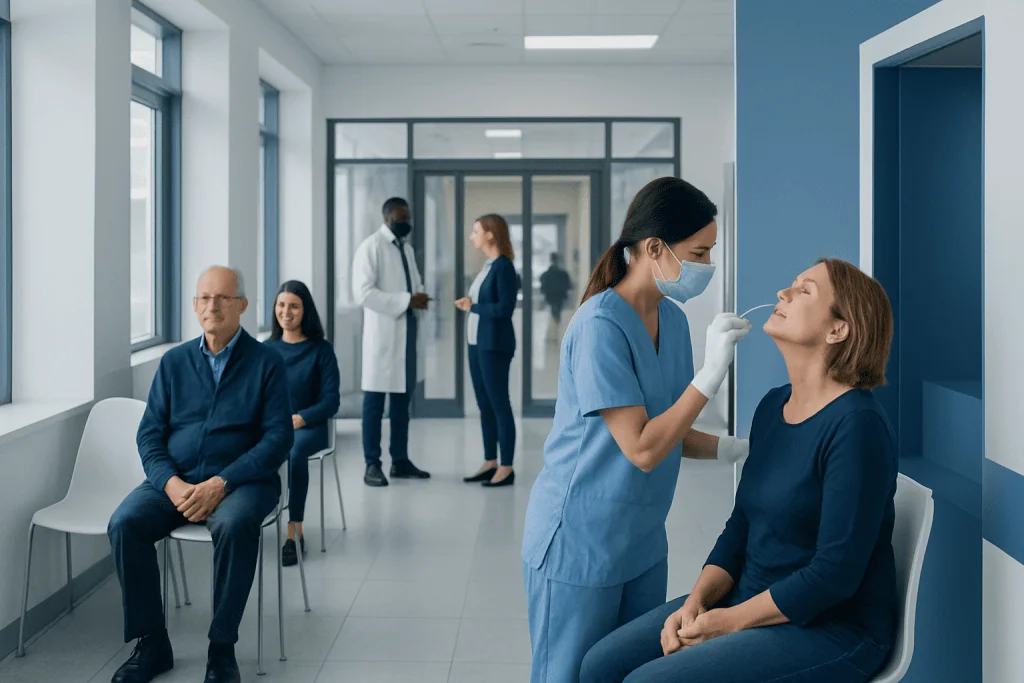
PCR tests are generally more sensitive than rapid antigen tests, especially early or late in infection. The best time for covid testiranje depends on symptoms, recent exposure, and whether the goal is diagnosis, screening, or confirmation.
Key Takeaways
- PCR tests are generally more sensitive than rapid antigen tests, especially early or late in infection.
- The best time for covid testiranje depends on symptoms, recent exposure, and whether the goal is diagnosis, screening, or confirmation.
- A negative result does not always rule out infection, particularly if testing is done too early or sampling is poor.
- People with severe symptoms, breathing difficulty, chest pain, or worsening illness should seek medical care promptly.
- Testing is one part of care; vaccination, ventilation, hand hygiene, and staying home when sick still help reduce spread.
covid testiranje means using approved tests to check for a current or past COVID-19 infection. For most patients, the most important questions are which test to choose, when to take it, and how to interpret the result safely.
Overview: what covid testiranje means
covid testiranje refers to testing for COVID-19, the illness caused by the SARS-CoV-2 virus. In practice, this usually means a test that looks for a current infection in the nose, throat, or saliva, or a blood test that looks for antibodies from a past infection or vaccination. For most patients, testing is used to explain symptoms, guide isolation decisions, reduce spread to others, and support timely medical care when needed.
There is no single “best” test for every situation. A molecular test such as PCR is usually the most sensitive choice for diagnosing an active infection. A rapid antigen test can be very useful when quick answers are needed, especially when symptoms are present, but it may miss some infections if the viral level is low.
Testing works best when it is matched to the reason for testing. Someone with fever, sore throat, and cough may need a different approach than someone who feels well but was recently exposed. Understanding timing, result limits, and next steps helps make covid testiranje more reliable and less confusing.
Types of COVID tests and how they differ
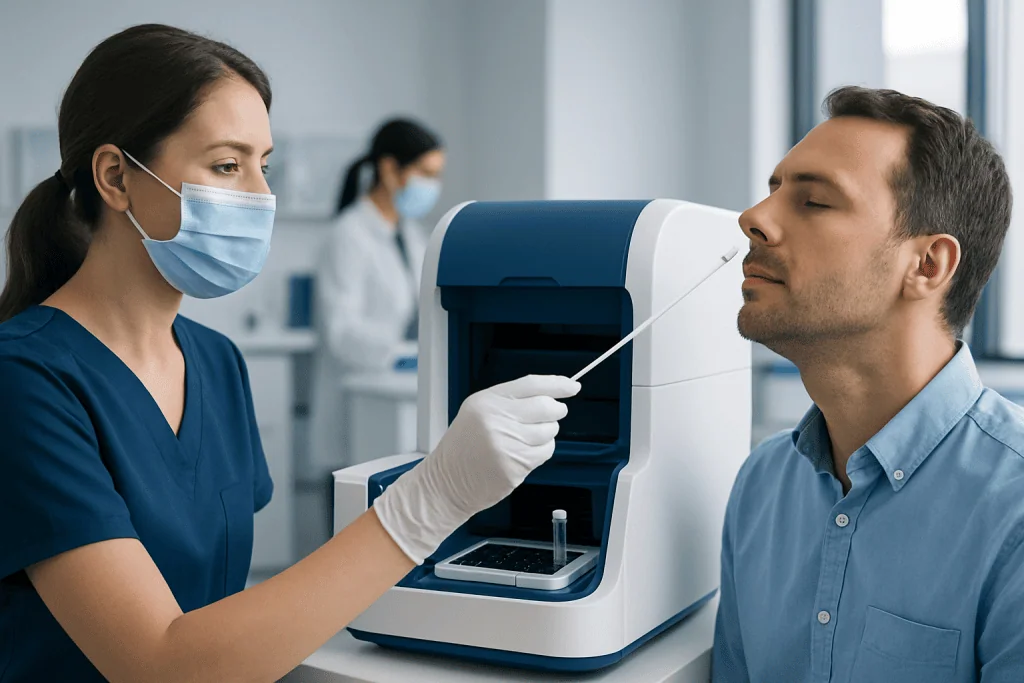
Tests for COVID-19 generally fall into two main groups: tests for current infection and tests for past immune response. Current-infection tests include molecular tests, such as PCR or other nucleic acid amplification tests, and rapid antigen tests. Antibody tests are different because they do not diagnose an active infection in the early stage of illness.
PCR and similar molecular tests look for genetic material from the virus. They are highly sensitive and can detect infection even when the amount of virus is relatively low. These tests may be processed in a laboratory or, in some settings, with rapid molecular platforms. Because of their sensitivity, they are often preferred when a person has symptoms but an antigen test is negative, or when an accurate diagnosis is especially important.
Rapid antigen tests look for proteins from the virus. They are quicker and often easier to use, including at home, but they are generally less sensitive than PCR. They tend to perform best when a person has symptoms and the viral level is higher. If a person has symptoms or a known exposure and a rapid test is negative, repeating the test after 24 to 48 hours may improve the chance of detection.
Antibody tests check whether the immune system has responded to the virus or vaccination in the past. They are not usually used to decide whether someone is currently contagious. In people with respiratory symptoms, doctors may also consider other causes such as influenza, RSV, or lung infections that can produce similar complaints.
When to take a COVID test for the most useful result
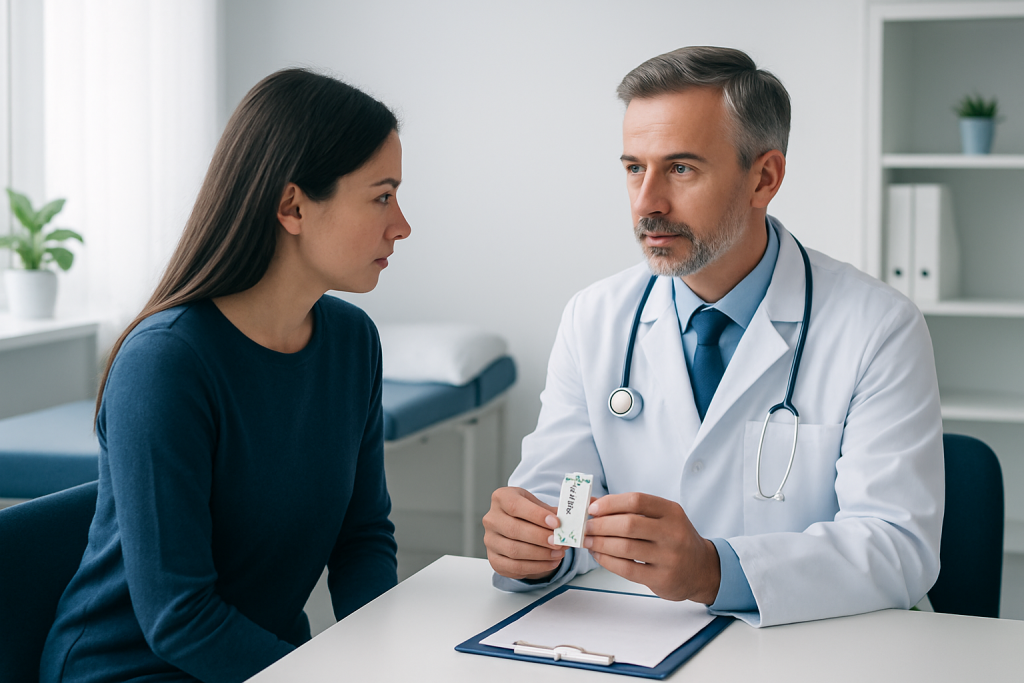
The timing of covid testiranje strongly affects how useful the result will be. Testing too soon after exposure can produce a false-negative result because the virus may not yet be detectable. In general, people who develop symptoms should test as soon as symptoms begin. If the first rapid antigen test is negative but symptoms continue, repeating it after 24 to 48 hours is often advised.
For people who were exposed but feel well, testing is usually more informative a few days after exposure rather than immediately. This is because the virus needs time to replicate to detectable levels. If a test is taken very early and is negative, it may need to be repeated, especially before visiting high-risk individuals or returning to shared environments.
Pre-travel, workplace, school, or pre-procedure testing may have different timing rules depending on the setting. In these situations, the test should be taken according to the instructions provided by the healthcare team or institution. If a person is immunocompromised, elderly, pregnant, or at increased risk of complications, earlier medical advice may be appropriate even if the first test is negative.
How samples are collected and what can affect accuracy
COVID tests may use a nasal swab, a deeper nasopharyngeal swab, a throat swab, or saliva, depending on the test type and manufacturer instructions. Proper sample collection matters. Even a high-quality test can give a misleading result if the sample is taken incorrectly, stored poorly, or performed outside the recommended time window.
Accuracy can be affected by several factors, including when the test is taken, how much virus is present, and whether symptoms have started. A very early test after exposure may be negative even in someone who later becomes positive. Sampling errors, expired test kits, and not following instructions exactly can also reduce reliability.
For home antigen tests, patients should read the instructions carefully and check the expiration date. It is important to use the swab and solution exactly as directed and to read the result within the stated time. If the result is unclear, invalid, or inconsistent with symptoms, repeat testing or confirmation with a medical check-up may be helpful.
- Positive results are usually reliable, especially when symptoms are present.
- Negative results are more likely to be misleading if testing is done too early.
- Repeated antigen testing can improve detection after exposure or early symptoms.
Understanding positive, negative, and unclear results
A positive result on a current-infection test usually means the virus was detected and the person may be contagious, especially if symptoms are present. The next steps often include staying home according to current public health guidance, reducing contact with others, monitoring symptoms, and contacting a doctor if the person is at higher risk of severe disease or feels worse.
A negative result means the test did not detect the virus at that time, but it does not always mean there is no infection. This is especially true with rapid antigen tests or when testing is done soon after exposure. If symptoms fit COVID-19, if there was close contact with an infected person, or if a clinician remains concerned, repeating the test or using a PCR may be the safer approach.
Invalid or inconclusive results can happen if the sample was not collected properly or if the test device did not work correctly. In that situation, the test usually needs to be repeated. If symptoms are severe, a patient should not delay seeking care just because the first test was unclear or negative. Doctors may combine test results with examination, oxygen levels, and, when needed, diagnostic imaging to assess complications.
What happens after diagnosis: treatment and recovery support
Most people with mild COVID-19 recover at home with rest, fluids, and symptom relief as advised by a healthcare professional. The main goals are to support recovery, watch for warning signs, and reduce spread to others. People who are older, pregnant, immunocompromised, or living with chronic conditions may need earlier review because they can be at higher risk for complications.
A confirmed test result can help doctors decide whether additional evaluation is needed. Some patients may need assessment for dehydration, low oxygen levels, worsening cough, or signs of pneumonia. In selected cases, treatment may include prescription antiviral therapy or other supportive care, depending on the person’s health status, symptom duration, and local clinical guidance.
If breathing symptoms become more prominent, clinicians may evaluate for complications affecting the lungs or other organs. This may include listening to the chest, blood tests, or imaging, and in some cases referral for chest disease evaluation. Near the end of the care pathway, some international patients may choose centers such as Acibadem International, where multidisciplinary specialists in JCI-accredited hospitals diagnose and treat COVID-related complications when appropriate.
Prevention, self-care, and reducing spread
Testing is helpful, but it is only one part of prevention. People who feel unwell should consider staying home, limiting close contact, improving ventilation, and wearing a well-fitting mask when respiratory symptoms are present or when around high-risk individuals. Hand hygiene and cough etiquette remain sensible steps, especially in households and crowded indoor settings.
Vaccination continues to play an important role in reducing the risk of severe illness, even though it does not prevent every infection. For patients with chronic illnesses, keeping regular medical conditions well managed may also support recovery if infection occurs. People living with vulnerable family members may want a lower threshold for testing after symptoms or exposure.
Self-care during recovery should focus on hydration, adequate rest, light nutrition, and monitoring. A person should be cautious about returning to work, school, exercise, or travel too quickly if fatigue, fever, or breathing symptoms are ongoing. If symptoms last longer than expected, medical review can help rule out complications or another diagnosis.
When to seek medical care
Medical care should be sought promptly if a person has trouble breathing, chest pain, confusion, bluish lips, severe dehydration, or symptoms that are clearly worsening. These warning signs need professional assessment whether the COVID test is positive, negative, or still pending. Anyone who feels seriously unwell should not rely only on repeat home testing.
Patients at higher risk of severe illness should contact a doctor early after a positive test or after symptoms begin. This includes older adults, pregnant people, people with weakened immune systems, and those with chronic heart, lung, kidney, or metabolic disease. Early clinical advice may help determine whether monitoring, antiviral treatment, or further testing is appropriate.
Persistent cough, shortness of breath, or prolonged fatigue after the acute illness may also deserve follow-up. A doctor may assess whether symptoms are related to recovery, another infection, or a condition such as COVID-19 itself or a post-viral complication. If symptoms are severe or sudden, urgent evaluation is the safer choice.
Frequently asked questions
What is the best test for covid testiranje?
The best test depends on the situation. PCR is generally the most sensitive for detecting a current infection, while rapid antigen tests are useful when quick results are needed. If symptoms are present and a rapid test is negative, repeating it or confirming with PCR may be helpful.
How soon after exposure should someone test for COVID-19?
Testing immediately after exposure may be too early to detect the virus. Many people get a more useful result a few days later, or as soon as symptoms begin. If the first test is negative, repeat testing may still be needed.
Can a negative COVID test still mean someone is infected?
Yes. A negative result can happen if the test is taken too early, if the viral level is still low, or if the sample was not collected properly. This is more common with rapid antigen tests than with PCR.
Are home rapid tests reliable?
Home rapid tests can be reliable when used correctly and at the right time. They are most useful when symptoms are present or when repeated after an exposure. Following the kit instructions carefully is important for the most accurate result.
Do antibody tests diagnose an active COVID-19 infection?
No. Antibody tests show whether the immune system has responded to the virus or vaccination in the past. They are not the usual test for finding out if someone is currently infected and contagious.
When should a person contact a doctor after a positive test?
A doctor should be contacted early if the person is at higher risk of severe illness, has significant symptoms, or is getting worse. Urgent medical care is needed for breathing difficulty, chest pain, confusion, or signs of low oxygen. Clinical advice is also sensible if symptoms last longer than expected.
This article is for general information only and is not a substitute for professional medical advice. Please consult a qualified doctor about your individual situation.
Explore treatments in Turkey — costs, top hospitals & a free quote
JCI-accredited · board-certified surgeons · reply within 24h
Add us as a Preferred Source to see more of our trusted health content across Google Search, AI Overviews and Discover.

More from the Health Library

Psychomotor Retardation: What Patients Need to Know

Black Fungus: An Evidence-Based Guide for Patients

Dobutamine: What Patients Need to Know

Glycolic Acid — Explained by Medical Evidence, Not Myths

Hard Lump on Wrist Feels Like Bone: An Evidence-Based Guide for Patients
Drugs Buspirone: A Complete Medical Overview
Infectious Diseases & Clinical Microbiology Specialists at Acibadem

Dr. Meltem Hüner
Infectious Diseases & Clinical Microbiology
Dr. Nevin Sarıgüzel
Infectious Diseases & Clinical Microbiology
Dr. Rehile Zengin
Infectious Diseases & Clinical Microbiology
Dr. Sedef Başgönül
Infectious Diseases & Clinical Microbiology