

Heart Bypass Surgery Recovery Milestones: Week by Week

Most people recover in stages, with early focus on pain control, breathing exercises, walking, and wound care. Fatigue, soreness, mood changes, and limited stamina are common during the first several weeks after bypass surgery.
Key Takeaways
- Most people recover in stages, with early focus on pain control, breathing exercises, walking, and wound care.
- Fatigue, soreness, mood changes, and limited stamina are common during the first several weeks after bypass surgery.
- Recovery speed varies by age, overall health, heart function, and whether there were any complications.
- Cardiac rehabilitation, prescribed medicines, and follow-up appointments are important parts of a safe recovery.
- Urgent medical review is needed for chest pain, shortness of breath, wound problems, fever, fainting, or signs of stroke.
Heart bypass surgery recovery is a gradual process that often begins in the hospital and continues at home for several weeks to months. Knowing the usual week-by-week milestones can help patients and families prepare, pace activity safely, and recognize when medical advice is needed.
Overview: What Recovery After Heart Bypass Surgery Usually Looks Like
Heart bypass surgery, also called coronary artery bypass grafting or CABG, is performed to improve blood flow to the heart when coronary arteries are significantly narrowed or blocked. Recovery does not happen all at once. It usually progresses in phases, starting with close monitoring in the hospital, followed by a period of healing at home, and then a gradual return to daily routines. Many patients notice improvement in stamina over time, but it is normal for energy levels to rise and fall during the first weeks.
The first recovery goals are often simple and important: controlling pain, protecting the breastbone as it heals, preventing lung complications, getting out of bed, and walking short distances. Over the next several weeks, the focus shifts toward increasing activity safely, improving sleep, regaining appetite, and returning to tasks such as bathing, climbing stairs, light household activity, and eventually work or driving when the care team says it is safe.
There is no single timeline that fits everyone. Recovery may be slower in older adults, in people with diabetes or lung disease, or after a more complex hospital course. Even so, a week-by-week guide can be helpful because it sets realistic expectations and reminds patients that gradual progress is often a sign of normal healing rather than a setback.
The First Days in Hospital: Early Milestones
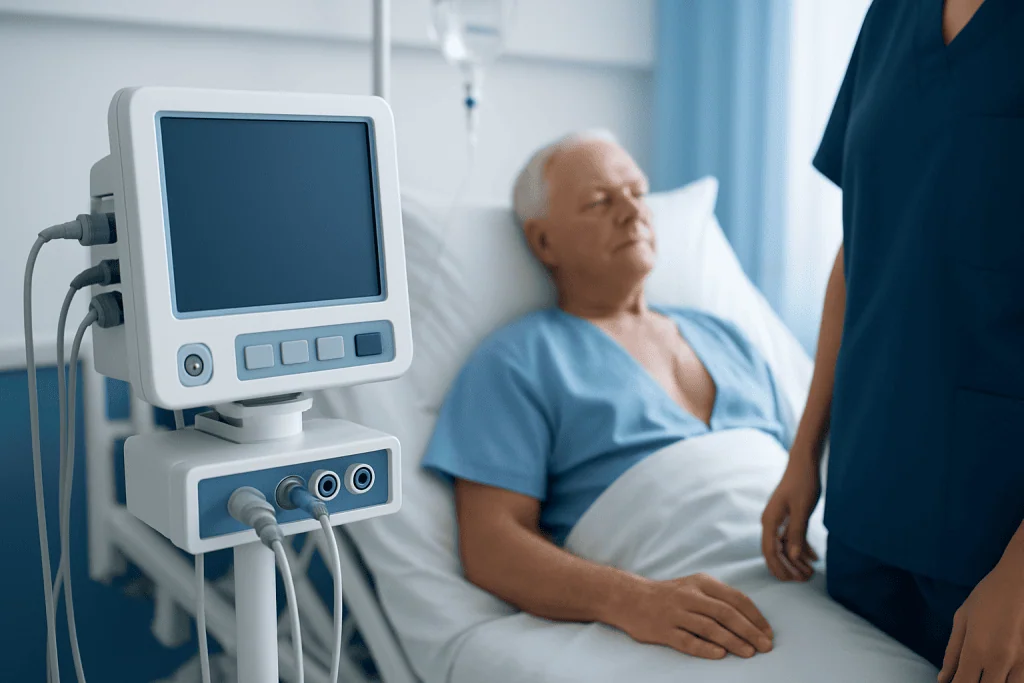
Immediately after surgery, patients usually spend time in an intensive care or high-dependency setting where heart rhythm, blood pressure, oxygen levels, and fluid balance can be watched closely. Tubes and monitors are common at this stage, including a breathing tube for a short period after surgery, chest drains, intravenous lines, and a urinary catheter. These are usually removed step by step as the patient stabilizes.
Within the first day or two, the healthcare team usually encourages deep breathing exercises, coughing with chest support, and sitting up in a chair. These actions help expand the lungs, lower the risk of pneumonia, and start rebuilding strength. A physiotherapist or nurse may also guide early walking, even if it is only a short distance at first.
Pain, chest soreness, tightness around the incision, and fatigue are expected. Good pain control matters because it makes breathing, sleeping, and moving easier. Before discharge, the team usually reviews medicines, wound care, activity limits, warning signs, and follow-up plans. Many patients going through coronary artery bypass surgery are also introduced to the importance of cardiac rehabilitation early in recovery.
Weeks 1-2 at Home: Rest, Walking, and Wound Healing

The first two weeks at home are often the most tiring. Many people feel weak, nap during the day, and need help with meals, dressing, or household tasks. Gentle walking is usually encouraged every day, often in several short sessions rather than one long walk. The aim is steady movement without overexertion. It is common to feel more tired on some days than others.
Incision care is a major focus during this stage. The chest wound and any leg or arm wound from graft harvesting should be kept clean and watched for redness, swelling, drainage, or increasing pain. Mild itching, bruising, and discomfort can be part of healing, but worsening symptoms should be reported. Showering may be allowed once the team says it is safe, while soaking in baths is usually delayed until wounds have healed more fully.
Breathing exercises, coughing, and posture also remain important. Some patients notice constipation, reduced appetite, poor sleep, or mood swings in the first weeks. These are common after major surgery. Helpful habits may include small balanced meals, regular hydration, a simple daily routine, and taking medicines exactly as prescribed. Patients with known coronary disease may already be familiar with coronary artery disease, but the recovery phase still requires close attention to symptoms and activity limits.
- Walk a little every day unless the doctor advises otherwise.
- Avoid lifting, pushing, or pulling heavy objects while the breastbone heals.
- Use a pillow or folded blanket to support the chest when coughing.
- Keep follow-up appointments even if recovery seems to be going well.
Weeks 3-6: Building Strength and Returning to Routine
By weeks three to six, many patients start noticing gradual improvement in endurance. Walking distances often become longer, climbing stairs may feel easier, and daily self-care usually requires less effort. However, it is still normal to tire easily, especially in the afternoon. Recovery at this stage is rarely linear. A good day may be followed by a day of feeling worn out.
The breastbone, if it was divided during surgery, continues to heal during this period. Because of that, the surgical team may place temporary restrictions on lifting, upper-body strain, or certain arm movements. Patients should follow their own discharge instructions rather than comparing themselves with others. If a minimally invasive technique was used, the activity plan may differ.
Cardiac rehabilitation often becomes especially valuable in this phase. This supervised program combines monitored exercise, education, and support for heart-healthy habits. It can help patients regain confidence while reducing fear of activity. Rehabilitation may be recommended after heart surgery in general, especially when long-term lifestyle changes are also needed. For many people, sleep, appetite, and concentration also improve gradually during these weeks, although emotional ups and downs can still occur.
Weeks 6-12 and Beyond: Recovery of Energy, Work, and Driving
After about six weeks, many patients begin resuming more of their usual routine, but only with medical guidance. Some are cleared to drive, return to office-based work, or increase physical activity, while others need more time. Return to work depends on the type of job, heart function, symptoms, and whether the work involves heavy physical effort. Full recovery can take several months, not just a few weeks.
At this stage, stamina often improves more noticeably. Walking may become brisker, light exercise may feel more comfortable, and chest discomfort usually lessens. Even so, some lingering symptoms are common, including numbness around the scar, leg swelling if a vein was taken from the leg, interrupted sleep, and reduced energy late in the day. These symptoms often improve gradually, but they should still be discussed at follow-up visits.
The longer-term goal is not only wound healing but also protection of future heart health. Bypass surgery improves blood flow, but it does not cure the underlying process that caused artery disease. Long-term recovery may therefore include medicines to control blood pressure, cholesterol, or blood sugar, smoking cessation, nutrition counseling, and ongoing exercise. Some people are also evaluated with tools such as cardiac check-up visits or imaging and stress testing when clinically appropriate.
Common Symptoms During Recovery and What Is Usually Normal
Many symptoms after bypass surgery are expected and improve over time. These can include soreness in the chest, shoulders, neck, or back; numbness or tingling near the incision; swelling in the legs or feet; fatigue; reduced appetite; sleep disturbance; and mild low mood or irritability. Temporary trouble concentrating is also reported by some patients after major surgery. These experiences can feel frustrating, but they do not always mean something is wrong.
Short periods of breathlessness with activity may occur early in recovery, especially when stamina is low. However, breathing should improve gradually, not worsen. Mild clicking or odd sensations in the chest should always be mentioned to the surgical team, especially if there is concern about breastbone healing. Weight changes can also happen because of fluid shifts, appetite changes, and lower activity during the early phase.
Patients and families should remember that recovery involves both the heart and the whole body. Sleep may be lighter, emotions may be more intense, and confidence may take time to return. Support from family, rehabilitation staff, and follow-up clinicians can make recovery feel more manageable. In selected patients, related heart rhythm issues such as atrial fibrillation may appear after surgery and need medical attention and follow-up.
Self-care Tips That Support Healing
Daily habits can make recovery smoother. Taking medicines as prescribed is essential, even when symptoms improve. Pain relief, blood thinners when indicated, heart medicines, and cholesterol-lowering treatment all play different roles in recovery and long-term protection. Patients should avoid starting non-prescribed supplements or over-the-counter medicines without checking first, because some can interact with prescribed treatment.
Nutrition also matters. A balanced eating pattern that emphasizes vegetables, fruit, whole grains, lean protein, and moderate salt intake may support healing and heart health. Good hydration can help with energy and bowel regularity, while limiting alcohol and avoiding tobacco are strongly advised. If appetite is low, smaller frequent meals may be easier than large ones.
Physical activity should increase gradually. Walking is often the foundation, with pace and distance rising over time according to medical advice. Rest is also part of healing, so overdoing activity can be counterproductive. If recommended, structured cardiac rehabilitation can provide a safe path back to exercise. Near the end of recovery planning, some patients choose centers such as Acibadem International, where multidisciplinary specialists in JCI-accredited hospitals care for international patients recovering from complex heart conditions and procedures.
When to See a Doctor Urgently
Although many symptoms are expected after surgery, some require prompt medical review. Patients should contact their healthcare team urgently or seek emergency care if they develop chest pain that is new, severe, or similar to angina; shortness of breath that is worsening; fainting; a very fast or irregular heartbeat; or signs of stroke such as facial drooping, arm weakness, or difficulty speaking.
Wound problems also need timely attention. Increasing redness, warmth, swelling, pus, a bad smell, opening of the incision, or fever may suggest infection. Rapid weight gain, marked leg swelling, or coughing up pink frothy sputum can point to fluid overload or heart-related complications. These symptoms should not be ignored, even if the patient is otherwise recovering well.
It is also sensible to ask for advice if fatigue is getting worse instead of better, appetite remains very poor, mood symptoms are severe, or walking becomes harder rather than easier. Follow-up care helps the team check healing, heart rhythm, medicines, and risk factors. Recovery is safest when concerns are raised early rather than waited out at home.
Frequently asked questions
How long does heart bypass surgery recovery usually take?
Recovery often begins with a hospital stay of several days and continues at home for weeks to months. Many people feel significantly better by 6 to 12 weeks, but full recovery can take longer depending on age, general health, and any complications.
Is it normal to feel very tired after bypass surgery?
Yes. Fatigue is one of the most common parts of recovery after major heart surgery. Energy usually improves gradually, but it is normal to need naps and to have good days and more tiring days during the first several weeks.
When can someone drive after heart bypass surgery?
Driving is usually delayed until the surgical team says it is safe, often after the early healing period. Timing varies because breastbone healing, pain control, reaction time, and overall strength all matter. Patients should follow their own doctor's advice and local regulations.
What activities should be avoided during early recovery?
Heavy lifting, pushing, pulling, and strenuous upper-body activity are often restricted while the chest heals. Patients are usually encouraged to walk and do light daily activity, but they should avoid overexertion. The exact limits depend on the type of surgery and the surgeon's instructions.
What are warning signs of a problem after bypass surgery?
Worsening shortness of breath, chest pain, fainting, fever, wound redness or drainage, a very fast or irregular heartbeat, and stroke symptoms should be assessed promptly. These symptoms may point to complications that need urgent medical care.
Does bypass surgery cure heart disease?
Bypass surgery improves blood flow around blocked arteries, but it does not remove the underlying tendency for coronary artery disease to progress. Long-term treatment still includes medicines, exercise, heart-healthy eating, and control of risk factors such as smoking, diabetes, high blood pressure, and high cholesterol.
References
- American Heart Association
- National Heart, Lung, and Blood Institute
- Society of Thoracic Surgeons
- Mayo Clinic
- NHS
This article is for general information only and is not a substitute for professional medical advice. Please consult a qualified doctor about your individual situation.
Heart Bypass Surgery in Turkey — costs, top hospitals & a free quote
JCI-accredited · board-certified surgeons · reply within 24h
Add us as a Preferred Source to see more of our trusted health content across Google Search, AI Overviews and Discover.
Check your numbers in seconds
BMI, calories, due date, blood pressure and 30+ more clinical calculators — free, instant, doctor-reviewed ranges.

More from the Health Library



Related Specialists
Prof. Dr. Hakan Ümit Ünal
Gastroenterology
Dr. Mesut Fatih
Orthopedic Surgery & Traumatology
Prof. Dr. Özge Gümüşay
Medical Oncology
Dr. Fahrî Güven
General Surgery