

Nicotine: A Complete Medical Overview

Nicotine rapidly reaches the brain and reinforces dependence by affecting reward pathways. It is the main addictive chemical in cigarettes, many vapes, smokeless tobacco, and some nicotine replacement products.
Key Takeaways
- Nicotine rapidly reaches the brain and reinforces dependence by affecting reward pathways.
- It is the main addictive chemical in cigarettes, many vapes, smokeless tobacco, and some nicotine replacement products.
- Nicotine can temporarily increase alertness, but it also stresses the cardiovascular system and can worsen dependence over time.
- Withdrawal symptoms such as cravings, irritability, and trouble concentrating are common but usually improve with treatment and support.
- Quitting nicotine often works best with a combination of counseling, behavior change, and medically guided treatment.
Nicotine is a stimulant and highly addictive substance found in tobacco products and most e-cigarettes. It changes brain signaling, can raise heart rate and blood pressure, and makes quitting difficult, but effective treatments and support are available.
Overview: What nicotine is and why it matters
Nicotine is a naturally occurring chemical found in the tobacco plant. It is the substance largely responsible for dependence on cigarettes, cigars, smokeless tobacco, heated tobacco products, and many e-cigarettes. Although people often associate nicotine mainly with smoking, it can be delivered in several forms and can affect the body even when tobacco is not burned.
After nicotine is inhaled, absorbed through the mouth, or taken in through the skin, it enters the bloodstream and reaches the brain quickly. There, it attaches to receptors involved in attention, mood, and reward. This fast brain effect helps explain why nicotine can feel reinforcing and why repeated use can lead to addiction.
Nicotine itself is not the only harmful substance in tobacco smoke, which also contains many toxic and cancer-causing chemicals. However, nicotine remains medically important because it drives continued use, makes quitting harder, and can affect the heart, blood vessels, and developing brain. For this reason, understanding nicotine helps people make informed decisions about smoking, vaping, and treatment for dependence.
How nicotine affects the brain and body
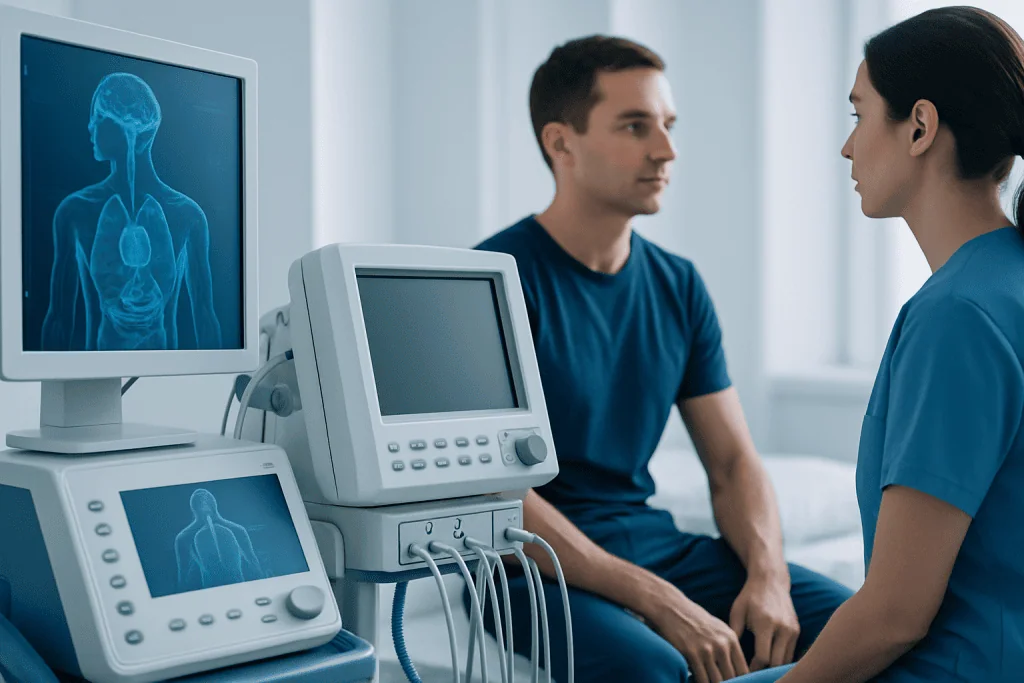
Nicotine stimulates the release of several brain chemicals, especially dopamine. Dopamine is linked to pleasure, motivation, and reinforcement. This process can create a cycle in which the brain begins to expect nicotine, leading to cravings and repeated use. Over time, the brain adapts, and the person may need more nicotine or more frequent use to feel the same effect.
In the short term, nicotine may increase alertness and reduce appetite in some people. It can also raise heart rate and blood pressure by activating the sympathetic nervous system, sometimes called the body’s “fight or flight” response. These effects may be more noticeable in people with heart disease, high blood pressure, or anxiety.
Nicotine also affects blood vessels and may contribute to narrowing of the arteries over time, especially when used in smoked or combusted products. In adolescents and young adults, whose brains are still developing, nicotine exposure may affect attention, learning, impulse control, and vulnerability to addiction. During pregnancy, nicotine can also pose risks to fetal development, so medical guidance is especially important.
It is also important to separate nicotine from the many toxic byproducts of smoking. Cigarette smoke causes severe health damage through combustion-related chemicals, including diseases such as lung cancer and chronic respiratory illness. Even so, nicotine remains a significant health concern because it sustains dependence and can have direct physiological effects of its own.
Common sources of nicotine and patterns of use

Nicotine is found in a wide range of products. Traditional cigarettes remain a common source, but nicotine is also present in cigars, pipes, hookah tobacco, chewing tobacco, snuff, nicotine pouches, heated tobacco products, and most e-cigarettes or vaping liquids. The amount delivered can vary widely by product type, brand, device settings, and user behavior.
Vaping products are sometimes seen as simpler or cleaner than cigarettes, but many still contain nicotine at levels high enough to maintain or create dependence. Some users may not realize how much nicotine they are taking in, especially with flavored or high-concentration products. Frequent puffing throughout the day can lead to continuous exposure.
Nicotine replacement products such as patches, gum, lozenges, inhalers, or nasal sprays also contain nicotine, but they are used differently. These products are designed to help people stop smoking by delivering controlled doses without the harmful chemicals produced by burning tobacco. Used correctly and with medical guidance, they can be part of a safer, structured quitting plan rather than a source of ongoing uncontrolled exposure.
Nicotine dependence: symptoms, withdrawal, and risks
Nicotine dependence means the body and brain have adapted to regular nicotine exposure. A person may feel strong cravings, use nicotine soon after waking, have difficulty cutting down, or continue using despite health concerns. Dependence can happen with cigarettes, vaping, and smokeless products, not only with traditional smoking.
Withdrawal symptoms commonly appear when nicotine use is reduced or stopped. These can include irritability, anxiety, restlessness, low mood, increased appetite, difficulty concentrating, sleep changes, and intense cravings. Symptoms are often strongest in the first days after quitting and gradually improve, though the timing and intensity vary from person to person.
Dependence can also reinforce broader health risks because it keeps people exposed to other harmful substances. For example, continuing to smoke increases the risk of COPD and cardiovascular disease. Nicotine addiction can therefore be both a condition in itself and a driver of other serious illnesses.
Children can also be harmed by accidental nicotine exposure, especially from liquid nicotine used in e-cigarettes. Even small amounts may be dangerous if swallowed or absorbed. Products should always be kept out of reach and stored safely.
How doctors assess nicotine use and related health effects
Diagnosis of nicotine dependence is usually based on medical history rather than a single test. A doctor may ask what products are used, how often they are used, how soon after waking nicotine is taken, whether cravings occur, and whether previous quit attempts have led to withdrawal symptoms. This information helps estimate the level of dependence and guide treatment.
Assessment may also include a review of symptoms related to smoking or vaping, such as chronic cough, shortness of breath, chest discomfort, palpitations, or worsening exercise tolerance. Depending on the person’s age, medical history, and symptoms, the doctor may recommend further evaluation of lung or heart health.
When needed, testing may include breathing tests, imaging, or cardiovascular evaluation to look for complications associated with tobacco use. For people with concerning respiratory symptoms, evaluation may overlap with services such as bronchoscopy or other lung assessments. The goal is not only to identify nicotine dependence but also to check for any damage linked to long-term exposure.
Treatment options for quitting nicotine
Quitting nicotine is often most successful when medical treatment and behavioral support are combined. Counseling can help a person identify triggers, build coping skills, plan for cravings, and reduce relapse. Support may come through primary care, tobacco cessation clinics, psychologists, group programs, or telephone and digital quit services.
Medications can reduce cravings and withdrawal symptoms. Nicotine replacement therapy may be used in forms such as patches, gum, or lozenges, and some people benefit from combining a long-acting option with a short-acting one. Prescription non-nicotine medicines may also be appropriate for certain individuals, depending on their health history and preferences. A qualified doctor can help choose the safest option.
Treatment is not one-size-fits-all. Some people need repeated quit attempts before stopping for good, and that is common in nicotine addiction. For people who already have health effects from tobacco use, care may also involve evaluation by specialists in chest diseases, cardiology, or mental health. In selected cases, doctors may recommend additional investigations such as comprehensive check-up services to assess overall health after long-term smoking.
Near the end of the care pathway, some international patients may seek multidisciplinary evaluation at centers such as Acibadem International, where JCI-accredited hospitals diagnose and treat smoking-related conditions and support nicotine cessation with coordinated specialist care.
Prevention, self-care, and practical steps
Prevention starts with avoiding nicotine initiation, especially in children, teenagers, and young adults. Families can help by discussing the risks of smoking and vaping clearly and calmly, setting expectations at home, and storing nicotine products safely. Schools and public health measures also play an important role.
For people trying to quit, planning ahead can make a difference. Helpful steps include setting a quit date, removing cigarettes and vaping devices from the home and car, identifying high-risk situations, and asking close contacts for support. Replacing the routine of nicotine use with other behaviors, such as walking, drinking water, chewing sugar-free gum, or practicing breathing exercises, may help during cravings.
General health habits can support recovery as well. Regular physical activity, adequate sleep, balanced meals, and stress management may ease withdrawal symptoms and improve resilience. Alcohol use can trigger relapse in some people, so temporary reduction may be useful during the early quitting period. If mood symptoms, heavy dependence, or repeated relapse are present, professional support is strongly recommended rather than trying to manage alone.
- Keep nicotine products away from children and pets.
- Do not assume vaping is risk-free.
- Use nicotine replacement only as directed by a healthcare professional or product instructions.
- Seek help early if cravings or withdrawal are interfering with daily life.
When to seek medical care
Medical care is appropriate whenever a person wants help quitting nicotine, especially if previous attempts have not worked. A doctor can tailor treatment, check for conditions affected by smoking or vaping, and review whether medications are safe in the setting of pregnancy, heart disease, mental health conditions, or other chronic illnesses.
Prompt evaluation is important if nicotine use is accompanied by chest pain, significant shortness of breath, coughing up blood, fainting, severe palpitations, or new neurologic symptoms. These symptoms may not be caused by nicotine alone, but they should not be ignored. Children with possible nicotine poisoning need urgent medical attention, particularly if there is vomiting, unusual sleepiness, tremor, or breathing difficulty.
People with persistent cough, wheezing, reduced exercise tolerance, or frequent chest infections may need assessment for smoking-related lung disease and, in some cases, more specialized respiratory care such as lung transplant evaluation for advanced end-stage disease. Early medical advice often provides more options and better support for long-term health.
Frequently asked questions
Is nicotine the same thing as smoking?
No. Nicotine is an addictive chemical, while smoking refers to inhaling smoke from burning tobacco. Smoking exposes the body to many additional toxic substances beyond nicotine, which is why combustible tobacco is especially harmful.
Can nicotine be addictive even without cigarettes?
Yes. Nicotine can cause dependence whether it comes from cigarettes, vaping products, smokeless tobacco, or other sources. The speed of delivery and frequency of use can strongly influence how addictive a product becomes.
What does nicotine withdrawal feel like?
Withdrawal often causes cravings, irritability, anxiety, restlessness, trouble concentrating, and changes in sleep or appetite. These symptoms can be uncomfortable, but they usually improve over time and can be managed with treatment and support.
Is vaping nicotine safer than smoking cigarettes?
Vaping may expose users to fewer combustion-related toxins than cigarettes, but it is not risk-free. Many vaping products still deliver nicotine efficiently, can maintain addiction, and may have their own health risks, especially for young people and people with lung disease.
How long does it take to quit nicotine successfully?
There is no single timeline. Some people stop after one quit attempt, while others need several tries and a combination of counseling and medication. What matters most is continued support and adjustment of the quit plan when needed.
Should someone use nicotine replacement therapy without medical advice?
Many nicotine replacement products are available without a prescription, but medical advice can still be helpful. A doctor or pharmacist can help choose the right product, avoid common mistakes, and make sure it is appropriate for the person's health needs.
References
- World Health Organization
- Centers for Disease Control and Prevention
- National Institute on Drug Abuse
- U.S. Surgeon General
- American Heart Association
This article is for general information only and is not a substitute for professional medical advice. Please consult a qualified doctor about your individual situation.
Heart care in Turkey — expert evaluation and treatment
JCI-accredited · board-certified surgeons · reply within 24h
Add us as a Preferred Source to see more of our trusted health content across Google Search, AI Overviews and Discover.
Check your numbers in seconds
BMI, calories, due date, blood pressure and 30+ more clinical calculators — free, instant, doctor-reviewed ranges.

More from the Health Library



Related Specialists

Dr. Elif Külahçı Aslan
Gynecology & Obstetrics
Dr. Ahmet Fırat Küçükköse
Inpatient Clinic Physicians
Prof. Dr. Ercan Karaarslan
Radiology
Prof. Dr. Gülcihan Özkan
Pulmonary Medicine