Obstructive Sleep Apnea — Explained by Medical Evidence, Not Myths
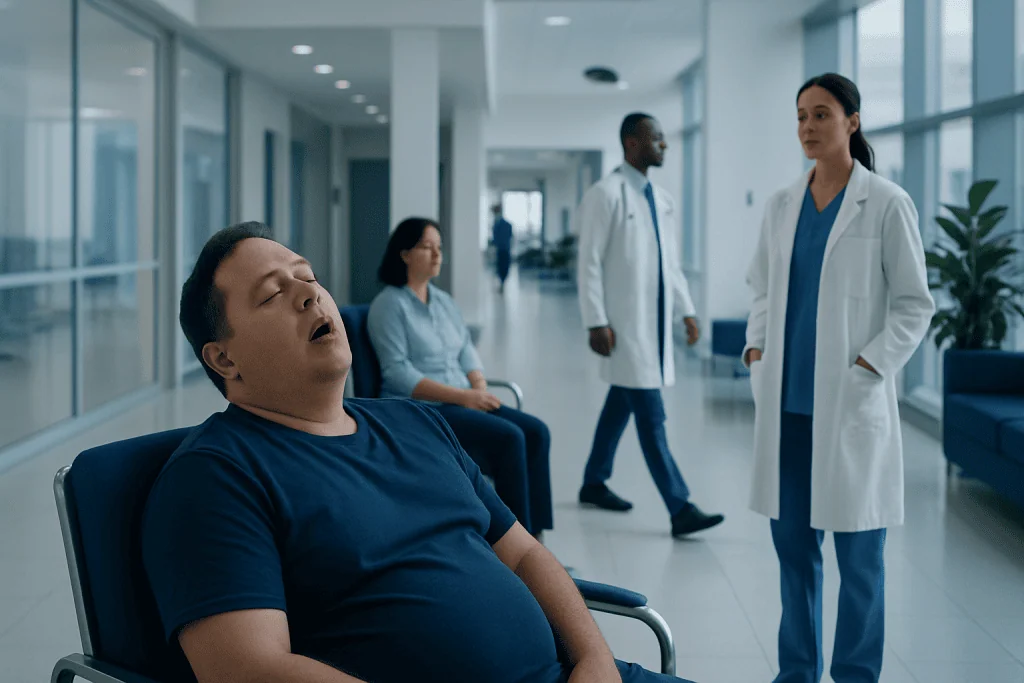
Obstructive sleep apnea causes repeated pauses or reductions in breathing during sleep because the airway becomes blocked. Loud snoring, witnessed pauses in breathing, choking during sleep, and daytime sleepiness are common warning signs.
Key Takeaways
- Obstructive sleep apnea causes repeated pauses or reductions in breathing during sleep because the airway becomes blocked.
- Loud snoring, witnessed pauses in breathing, choking during sleep, and daytime sleepiness are common warning signs.
- Risk rises with excess weight, older age, certain jaw or airway anatomy, nasal blockage, alcohol use, and some medical conditions.
- Diagnosis usually involves a sleep evaluation and either home sleep apnea testing or overnight polysomnography.
- Treatment may include lifestyle changes, CPAP, oral appliances, positional therapy, and selected surgical procedures.
Obstructive sleep apnea is a sleep-related breathing disorder in which the upper airway repeatedly narrows or closes during sleep. Medical evidence shows it is more than simple snoring: it can affect sleep quality, daytime function, and long-term health, but effective diagnosis and treatment are available.
Overview: What obstructive sleep apnea really is
Obstructive sleep apnea is a condition in which breathing repeatedly stops or becomes shallow during sleep because the muscles and soft tissues of the upper airway relax too much. The airway narrows or closes for short periods, lowering airflow and often reducing oxygen levels until the brain briefly wakes the person enough to reopen the airway. These awakenings may be so short that the person does not remember them, yet they can disrupt sleep many times each night.
This is why obstructive sleep apnea is not simply “loud snoring.” Snoring can occur without apnea, but obstructive sleep apnea involves repeated breathing obstruction that can fragment sleep and strain the body over time. A person may spend enough hours in bed yet still wake unrefreshed because sleep quality has been repeatedly interrupted.
Medical evidence also shows that obstructive sleep apnea exists on a spectrum from mild to severe. Some people mainly notice tiredness, poor concentration, or headaches in the morning. Others come to medical attention because a partner notices loud snoring, gasping, or pauses in breathing. In children, the signs may be different and can include restless sleep, mouth breathing, or daytime behavior changes.
Because symptoms vary, the diagnosis should not be made by snoring alone or by myths such as “only older men get sleep apnea.” The condition can affect women, younger adults, and people who do not fit a single body type. A proper evaluation helps separate obstructive sleep apnea from other causes of poor sleep and fatigue, including sleep disorders with similar symptoms.
Symptoms and how it may feel day to day
The most common nighttime symptom is loud, habitual snoring, often interrupted by silent pauses, choking, snorting, or gasping. Many people are not aware of these events themselves and only learn about them from a bed partner or family member. Sleep may feel restless, with frequent awakenings, dry mouth on waking, or repeated trips to the bathroom at night.
During the day, obstructive sleep apnea can show up as excessive sleepiness, morning headaches, difficulty concentrating, forgetfulness, irritability, or reduced work performance. Some people feel mentally “foggy” rather than obviously sleepy. Others may notice a decreased sex drive or mood changes that improve once sleep quality is treated.
Symptoms are not identical in everyone. Women may report fatigue, insomnia, low energy, or morning headaches rather than classic loud snoring. Older adults may attribute daytime tiredness to aging, and people with mild apnea may mainly notice unrefreshing sleep or poor attention. Children can snore too, but they may seem hyperactive, restless, or have learning and behavior concerns rather than daytime drowsiness.
- Loud snoring on most nights
- Witnessed pauses in breathing
- Gasping or choking during sleep
- Morning dry mouth or headache
- Daytime sleepiness or fatigue
- Problems with attention, memory, or mood
Causes, risk factors, and common myths

Obstructive sleep apnea happens when the upper airway becomes too narrow during sleep. This can be due to the natural relaxation of throat muscles, enlarged soft tissues, a relatively small jaw, a larger tongue, nasal blockage, or extra tissue around the neck and throat. The result is repeated obstruction despite the chest and diaphragm still trying to breathe.
Excess body weight is an important risk factor, but it is not the only one. Risk also increases with age, male sex, family history, postmenopausal status, nasal congestion, smoking, alcohol use near bedtime, and sedative medicines that relax the airway. Some endocrine or metabolic conditions, such as hypothyroidism, and conditions affecting jaw structure can also contribute.
Several myths can delay diagnosis. One is that only people who are overweight develop obstructive sleep apnea; in reality, normal-weight people can have it because of facial anatomy, airway shape, or other factors. Another myth is that snoring is harmless if a person can “sleep through it.” Persistent snoring with daytime symptoms or witnessed breathing pauses deserves medical evaluation.
Obstructive sleep apnea may also overlap with other health problems. It is more common in people with high blood pressure, atrial fibrillation, type 2 diabetes, and obesity, and it can coexist with insomnia or reflux. For some patients, addressing weight and metabolism is part of a broader treatment plan that may include obesity care alongside sleep-focused therapy.
How doctors diagnose obstructive sleep apnea
Diagnosis begins with a careful history rather than assumptions based on snoring alone. A clinician asks about sleep quality, daytime symptoms, witnessed breathing pauses, work schedule, medications, alcohol use, and other medical conditions. A physical examination may assess the nose, throat, jaw, neck, and body weight, but these findings alone do not confirm the disorder.
The diagnosis is usually confirmed with a sleep test. Depending on the person’s symptoms and overall health, this may be a home sleep apnea test or an overnight laboratory sleep study called polysomnography. Home testing can be useful for adults with a high suspicion of uncomplicated obstructive sleep apnea, while full polysomnography provides more detailed information and can help when the case is complex or another sleep disorder is possible.
Sleep studies record breathing patterns, oxygen levels, and other signals during sleep. Doctors use these results to measure how often breathing events happen, how severe they are, and whether oxygen drops occur. The pattern helps guide treatment decisions, including whether first-line therapy such as sleep testing and polysomnography or pressure-based treatment is most appropriate.
Because symptoms can overlap with many conditions, diagnosis may also include review of blood pressure, heart health, nasal obstruction, and metabolic issues. In some people, clinicians evaluate whether symptoms might relate to another condition such as insomnia, especially when trouble falling asleep is the main complaint.
Treatment options: from CPAP to surgery
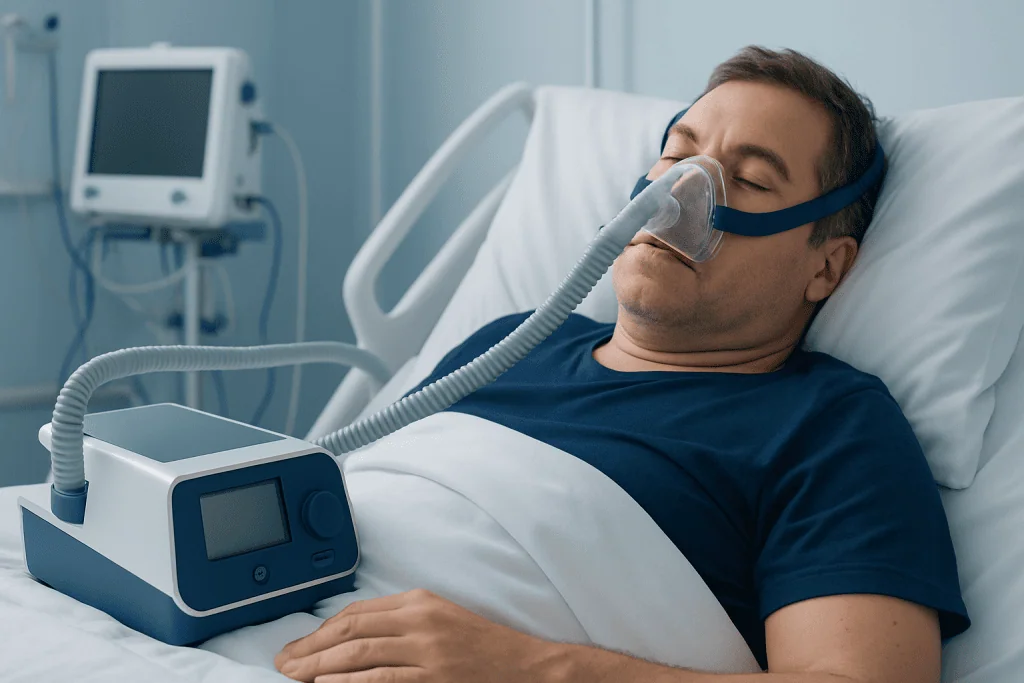
Treatment is individualized and depends on symptom severity, sleep study findings, anatomy, and patient preference. For many adults with moderate to severe obstructive sleep apnea, continuous positive airway pressure is the standard first-line treatment. CPAP works by delivering gentle air pressure through a mask to keep the airway open during sleep. When used consistently, it can reduce breathing interruptions, improve sleep quality, and lessen daytime symptoms.
Some people benefit from alternatives or additional approaches. Oral appliances fitted by trained dental professionals can help in selected cases, especially mild to moderate obstructive sleep apnea or when CPAP is not well tolerated. Positional therapy may help if events occur mainly when sleeping on the back. Treating nasal blockage, avoiding alcohol close to bedtime, and reviewing sedating medicines can also improve control.
Weight reduction can be an important part of care for patients whose weight contributes to airway collapse. This does not replace sleep-specific treatment in many cases, but it may reduce severity and improve overall health. For some patients with obesity, structured management or bariatric surgery may be discussed as part of long-term care.
Surgery may be considered when there is a clear anatomical blockage, enlarged tonsils, or poor response to non-surgical therapy. Surgical approaches vary depending on the nose, palate, tongue base, or jaw. Evaluation by ear, nose, and throat specialists may help identify candidates for procedures such as septoplasty when significant nasal obstruction makes breathing or CPAP use more difficult. Near the end of the care pathway, some international patients seek assessment at Acibadem International, where multidisciplinary specialists in JCI-accredited hospitals diagnose and treat obstructive sleep apnea using individualized plans.
Prevention and self-care that support better sleep
Not every case of obstructive sleep apnea can be prevented, especially when anatomy plays a major role. Still, practical self-care steps can reduce risk or help support treatment. Maintaining a healthy weight, staying physically active, limiting alcohol in the evening, and avoiding smoking can all help reduce airway collapse during sleep and improve overall cardiometabolic health.
Sleep habits also matter. A regular sleep schedule, side-sleeping if back-sleeping worsens symptoms, and keeping the bedroom quiet and comfortable can support better rest. If nasal congestion is a regular problem, discussing safe treatment options with a doctor may improve both sleep and comfort with CPAP or oral devices.
People already diagnosed with obstructive sleep apnea benefit from using treatment regularly, not only on “bad nights.” CPAP often works best after mask fit and humidity settings are adjusted to improve comfort. Follow-up visits are important because treatment can be refined if leaks, dryness, claustrophobia, or persistent sleepiness continue.
Self-care should complement, not replace, professional evaluation. Herbal products, mouth taping, and online devices marketed without proper assessment may be ineffective or unsafe. A qualified clinician can help determine which measures are evidence-based and appropriate for the individual.
Why treatment matters for long-term health
Untreated obstructive sleep apnea can affect more than energy levels. Repeated oxygen drops and sleep fragmentation can contribute to poor quality of life, reduced attention, and a higher risk of accidents related to sleepiness. For some people, treatment leads to clearer thinking, better alertness, and improved daily functioning within weeks.
There is also a well-established relationship between obstructive sleep apnea and cardiovascular and metabolic health. The condition is associated with high blood pressure, irregular heart rhythms, coronary artery disease, stroke risk, insulin resistance, and worsening control of type 2 diabetes. This does not mean every person with sleep apnea will develop these problems, but it explains why diagnosis and management are medically important.
Treatment may also help with related symptoms such as mood changes, morning headaches, and nighttime reflux in selected patients. In people with resistant high blood pressure or unexplained daytime sleepiness, screening for obstructive sleep apnea may be especially relevant. A coordinated approach with sleep specialists, primary care clinicians, ENT doctors, and cardiology teams may be useful when other conditions are present.
When to seek medical care
Medical review is appropriate if a person snores loudly and regularly, has witnessed pauses in breathing, wakes up choking or gasping, or feels excessively sleepy during the day despite spending enough time in bed. Evaluation is also important if poor sleep is affecting concentration, driving safety, mood, work performance, or blood pressure control.
Prompt medical attention is especially important if symptoms occur alongside heart disease, stroke history, uncontrolled blood pressure, significant obesity, or persistent oxygen-related concerns during sleep. Children who snore regularly, breathe through the mouth at night, or have sleep-related behavior or learning concerns should also be assessed by a qualified doctor.
Emergency care is not usually needed for snoring alone, but sudden severe shortness of breath, chest pain, fainting, or other acute symptoms require urgent assessment. For non-urgent concerns, a sleep medicine, ENT, or primary care evaluation can help determine whether testing is needed and which treatment options are most suitable.
Frequently asked questions
Is obstructive sleep apnea the same as snoring?
No. Snoring is a sound caused by vibrating tissues in the airway, while obstructive sleep apnea involves repeated partial or complete blockage of breathing during sleep. Many people with obstructive sleep apnea snore, but not everyone who snores has sleep apnea.
Can a person have obstructive sleep apnea without being overweight?
Yes. Excess weight is a major risk factor, but airway anatomy, jaw shape, nasal blockage, family history, age, and other factors can also cause obstructive sleep apnea. This is why evaluation should be based on symptoms and testing, not body size alone.
How is obstructive sleep apnea confirmed?
Doctors usually confirm it with a sleep study, either at home or in a sleep laboratory. The test measures breathing, oxygen levels, and sleep-related events to show whether apnea is present and how severe it is.
Does CPAP cure obstructive sleep apnea?
CPAP does not permanently remove the underlying tendency for the airway to collapse, but it is highly effective at controlling the condition while it is used. Many people feel better with regular use, and treatment can be adjusted to improve comfort and adherence.
Are there treatments other than CPAP?
Yes. Depending on the individual, options may include oral appliances, positional therapy, weight management, treatment of nasal blockage, and surgery for selected anatomical causes. The best choice depends on sleep study results, symptoms, and airway structure.
When should someone talk to a doctor about possible sleep apnea?
A person should seek medical advice if they have loud habitual snoring, witnessed breathing pauses, gasping during sleep, or daytime sleepiness that affects daily life. Review is also sensible if high blood pressure is difficult to control or a bed partner is concerned about breathing during sleep.
References
- American Academy of Sleep Medicine
- National Heart, Lung, and Blood Institute
- American Thoracic Society
- Centers for Disease Control and Prevention
- National Institute of Diabetes and Digestive and Kidney Diseases
This article is for general information only and is not a substitute for professional medical advice. Please consult a qualified doctor about your individual situation.
Sleep Apnea in Turkey — costs, top hospitals & a free quote
JCI-accredited · board-certified surgeons · reply within 24h
Add us as a Preferred Source to see more of our trusted health content across Google Search, AI Overviews and Discover.
Check your numbers in seconds
BMI, calories, due date, blood pressure and 30+ more clinical calculators — free, instant, doctor-reviewed ranges.

Otorhinolaryngology (ENT)
Care for ear, nose, throat and head-and-neck conditions, including hearing and balance disorders.
126 specialists in this unit