Cream of Tartar Tartar — Explained by Medical Evidence, Not Myths

Cream of tartar is a food ingredient, not a treatment for dental tartar or most health conditions. Dental tartar is hardened plaque on teeth and should be removed by a dental professional.
Key Takeaways
- Cream of tartar is a food ingredient, not a treatment for dental tartar or most health conditions.
- Dental tartar is hardened plaque on teeth and should be removed by a dental professional.
- Large amounts of cream of tartar can raise potassium levels and may be unsafe for some people.
- Online claims about detox, smoking cessation, or infection treatment with cream of tartar are not supported by strong medical evidence.
- Anyone with symptoms, kidney disease, heart disease, or medication concerns should ask a qualified clinician before trying home remedies.
Cream of tartar tartar is not a medical diagnosis. The phrase usually reflects confusion between cream of tartar, a baking ingredient called potassium bitartrate, and tartar on teeth, also called dental calculus, and medical evidence does not support treating one with the other.
Overview: what “cream of tartar tartar” actually means
The phrase cream of tartar tartar is commonly searched online, but it usually mixes up two very different things. Cream of tartar is a cooking ingredient, chemically known as potassium bitartrate, used in baking to stabilize egg whites and help prevent sugar crystallization. Tartar on teeth, also called dental calculus, is hardened plaque that forms when bacteria, food particles, and minerals from saliva build up over time.
Medical evidence does not show that cream of tartar is a proven treatment for dental tartar, infections, “detox,” or most other wellness claims seen online. Because cream of tartar contains potassium, taking large amounts may be risky, especially for people with kidney disease, heart disease, or those who take medicines that affect potassium levels.
Understanding the difference matters. Dental tartar is a mouth health issue best addressed with brushing, flossing, and professional cleaning. Cream of tartar belongs in the kitchen unless a healthcare professional advises otherwise for a very specific reason.
What is cream of tartar, and what is tartar on teeth?
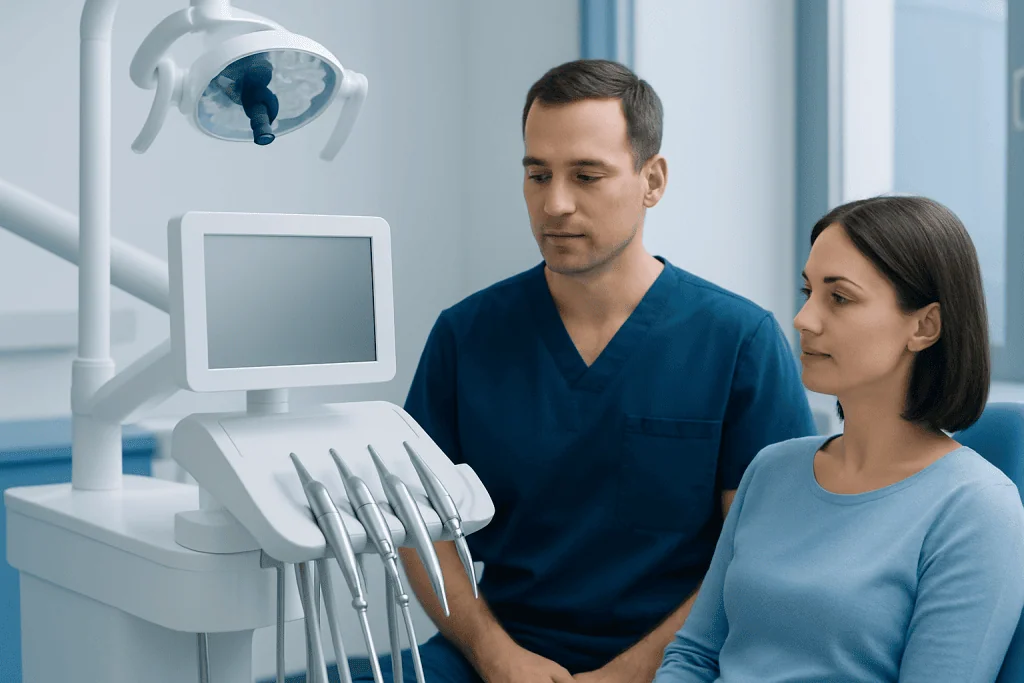
Cream of tartar is the common name for potassium hydrogen tartrate, also called potassium bitartrate. It is a byproduct of winemaking and is widely used in food preparation. In cooking, it helps whipped egg whites hold their structure, can improve the texture of baked goods, and may be combined with baking soda as a leavening agent.
Dental tartar, by contrast, is a hard deposit that forms on teeth when plaque is not fully removed. Once plaque hardens into tartar, it cannot usually be brushed away at home. Tartar can trap more bacteria, contribute to gum irritation, and increase the risk of bad breath, cavities, and gum disease.
These substances are unrelated in function and should not be considered substitutes for one another. A common myth suggests acidic or abrasive home remedies can dissolve dental tartar safely, but these approaches may irritate the mouth or wear down enamel. If a person is concerned about tartar buildup, a dental evaluation is a safer and more effective next step, especially when symptoms overlap with conditions such as gum disease.
Common claims online: what medical evidence supports and what it does not

Online discussions about cream of tartar often include claims that it can remove nicotine from the body, cure urinary tract infections, improve acne, lower blood pressure, or “alkalize” the body. At present, these uses are not backed by strong, high-quality clinical evidence for routine self-treatment. A few traditional or anecdotal uses exist, but anecdote is not the same as reliable medical proof.
One reason these claims spread easily is that cream of tartar is a familiar pantry ingredient, and “natural” remedies may feel harmless. However, natural does not automatically mean safe or effective. Potassium-containing products can interact with health conditions and medicines, and delaying proper care may allow a real medical problem to worsen.
There is also confusion between acidity in foods and cleaning effects in the body. The body tightly regulates blood pH through the lungs and kidneys. Eating or drinking a specific home mixture does not meaningfully “detox” the body in the way social media posts often suggest. If a person has symptoms such as mouth pain, bleeding gums, urinary discomfort, or skin changes, it is better to look for the true cause rather than rely on unsupported remedies.
- Supported: cream of tartar has culinary uses in baking and food preparation.
- Not well supported: using cream of tartar to treat dental tartar, infections, smoking addiction, or general detox.
- Potentially risky: taking large amounts as a supplement without medical advice.
Possible side effects and who should be cautious
The main health concern with consuming too much cream of tartar is its potassium content. Excess potassium in the blood, called hyperkalemia, can become serious because potassium affects muscle and heart function. Mild problems may include nausea, stomach upset, diarrhea, or vomiting. More significant potassium elevations can cause weakness, palpitations, or dangerous heart rhythm changes.
People with kidney disease should be especially cautious because the kidneys help remove extra potassium from the body. Those with heart disease, adrenal disorders, diabetes, or dehydration may also need extra care depending on the situation. Certain medications can raise potassium as well, including some blood pressure medicines such as ACE inhibitors or ARBs, potassium-sparing diuretics, and some supplements or salt substitutes.
Pregnant or breastfeeding individuals, children, and older adults should avoid self-medicating with concentrated home remedies unless a clinician says it is appropriate. If a person develops weakness, chest symptoms, severe vomiting, or feels unwell after taking a large amount of cream of tartar, prompt medical advice is important. When there is concern about potassium imbalance or another underlying problem, doctors may use blood tests as part of the evaluation.
What to do for dental tartar instead
If the question behind “cream of tartar tartar” is really about tartar on teeth, the most effective approach is not a kitchen remedy but consistent oral hygiene and professional care. Brushing twice daily with fluoride toothpaste, cleaning between the teeth, and scheduling regular dental checkups can reduce plaque buildup before it hardens into tartar.
Once tartar has formed, a dentist or dental hygienist can remove it using professional instruments. This is important because tartar above and below the gumline can contribute to inflammation and bleeding. Trying to scrape it off at home can injure the gums or damage the tooth surface.
If gum tenderness, bleeding, or persistent bad breath is present, a dentist may look for signs of periodontal disease or other oral conditions. In some cases, imaging or specialist assessment is needed to understand the extent of the problem, and dental treatment may include cleaning, gum care, and a personalized prevention plan.
Safer self-care for common symptoms people try to treat with cream of tartar
Some people search for cream of tartar because they want quick relief for symptoms such as bad breath, mouth deposits, urinary burning, swelling, or fatigue. These symptoms can have many causes, and self-treatment with unproven remedies may miss an important diagnosis. A safer approach is to match the symptom with evidence-based self-care while arranging medical or dental review if it persists.
For mouth concerns, good brushing and flossing, tongue cleaning, adequate hydration, and a dental cleaning are more reliable than applying acidic mixtures to the teeth. For urinary symptoms, drinking enough fluids may help some people feel more comfortable, but persistent pain, fever, blood in urine, or flank pain needs medical assessment. For tiredness, bloating, or general discomfort, basic measures such as balanced meals, sleep, and hydration are reasonable while a clinician checks for common causes.
Persistent digestive symptoms should not be attributed to “toxins” without evaluation. Depending on the person’s complaints, a doctor may consider conditions involving the stomach or intestines and may recommend targeted testing or specialist care. Where appropriate, further evaluation can overlap with services such as gastroenterology care if symptoms point to the digestive system rather than to a simple home-remedy issue.
When to seek medical care
Medical care is advisable if a person has symptoms that are significant, persistent, or unusual rather than trying repeated home remedies. Examples include bleeding gums, gum swelling, loose teeth, severe tooth pain, painful urination, fever, vomiting, faintness, chest symptoms, muscle weakness, or a feeling that the heart is beating irregularly. These symptoms do not mean there is a serious problem in every case, but they deserve proper assessment.
A person should also seek advice before taking cream of tartar as a supplement if they have kidney disease, heart disease, high blood pressure, diabetes, or take medicines that can affect potassium. This is especially important if they already use potassium supplements or salt substitutes.
If symptoms suggest a broader internal medicine issue, clinicians may coordinate care across specialties to find the cause rather than focusing on internet myths. Near the end of the care journey, some international patients may choose centers such as Acibadem International, where multidisciplinary specialists in JCI-accredited hospitals evaluate and treat a wide range of medical and dental conditions.
Frequently asked questions
Is cream of tartar the same as tartar on teeth?
No. Cream of tartar is a cooking ingredient called potassium bitartrate, while tartar on teeth is hardened plaque, also known as dental calculus. They are different substances and one is not a standard treatment for the other.
Can cream of tartar remove dental tartar at home?
There is no strong medical evidence that cream of tartar safely removes dental tartar. Once tartar hardens on teeth, it usually needs professional removal by a dentist or dental hygienist. Home attempts may irritate the gums or damage enamel.
Is it safe to drink cream of tartar for health benefits?
Not always. Because cream of tartar contains potassium, taking large amounts can be unsafe, especially for people with kidney problems or those taking certain blood pressure medicines. It is best not to use it as a supplement without medical advice.
What side effects can cream of tartar cause?
Possible side effects include nausea, vomiting, diarrhea, and stomach discomfort. In larger amounts, it may raise potassium levels too much, which can affect muscles and heart rhythm. Anyone who feels weak, develops palpitations, or becomes very unwell should seek prompt medical care.
Why do people search for “cream of tartar tartar”?
The phrase often comes from confusion between a pantry ingredient and dental tartar. It may also reflect online myths claiming cream of tartar can treat many conditions. A clearer understanding helps people choose safer, evidence-based care.
What is the best way to prevent tartar on teeth?
The best prevention is regular brushing with fluoride toothpaste, daily cleaning between the teeth, and routine dental checkups. Limiting sugary foods and tobacco exposure also helps reduce plaque buildup. Professional cleanings are important because tartar cannot usually be removed at home.
References
- National Institutes of Health
- U.S. Food and Drug Administration
- American Dental Association
- National Institute of Dental and Craniofacial Research
- Mayo Clinic
This article is for general information only and is not a substitute for professional medical advice. Please consult a qualified doctor about your individual situation.
Explore treatments in Turkey — costs, top hospitals & a free quote
JCI-accredited · board-certified surgeons · reply within 24h
Add us as a Preferred Source to see more of our trusted health content across Google Search, AI Overviews and Discover.
Check your numbers in seconds
BMI, calories, due date, blood pressure and 30+ more clinical calculators — free, instant, doctor-reviewed ranges.