Kussmaul Respirations — Explained by Medical Evidence, Not Myths

Kussmaul respirations are deep, forceful breaths most often linked to severe metabolic acidosis. A common cause is diabetic ketoacidosis, but kidney failure, sepsis, and some poisonings can also trigger them.
Key Takeaways
- Kussmaul respirations are deep, forceful breaths most often linked to severe metabolic acidosis.
- A common cause is diabetic ketoacidosis, but kidney failure, sepsis, and some poisonings can also trigger them.
- This breathing pattern is different from normal fast breathing or anxiety-related hyperventilation.
- Treatment focuses on correcting the underlying cause rather than the breathing pattern alone.
- Urgent medical care is important, especially if symptoms occur with diabetes, vomiting, confusion, or dehydration.
Kussmaul respirations are a distinct breathing pattern marked by deep, often rapid, labored breaths that usually signal the body is trying to correct severe acid buildup in the blood. They are not a disease themselves, but an important clinical sign that needs prompt medical assessment to identify and treat the cause.
What are Kussmaul respirations?
Kussmaul respirations are deep, labored breaths that happen when the body is trying to lower the amount of acid in the blood. In simple terms, this breathing pattern is the lungs’ attempt to remove more carbon dioxide, which can help partially balance a dangerously acidic state called metabolic acidosis.
This pattern is classically associated with diabetic ketoacidosis, a serious complication of diabetes, but it can also appear in other conditions that cause significant acid buildup. Kussmaul respirations are therefore best understood as a warning sign rather than a diagnosis on their own.
People sometimes describe the breathing as unusually deep, air-hungry, or heavy. It may look alarming, but the key point is that it reflects the body’s effort to compensate for an internal chemical imbalance, not a problem that starts in the lungs themselves.
How this breathing pattern differs from normal fast breathing
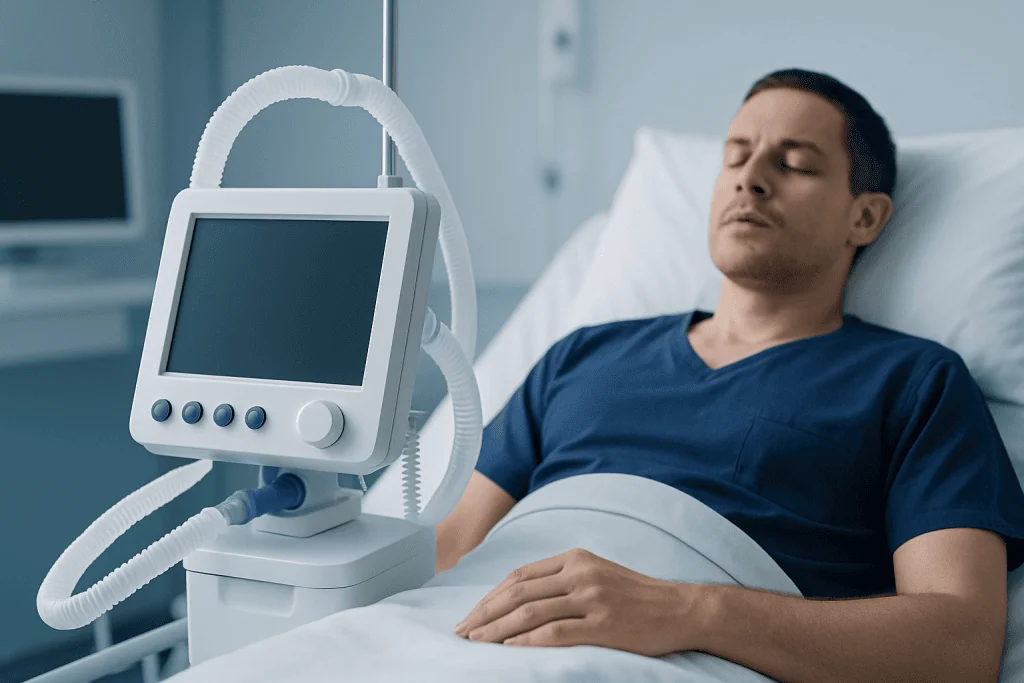
Not all rapid breathing is Kussmaul breathing. A person may breathe quickly because of exercise, fever, pain, anxiety, or lung disease, but Kussmaul respirations have a characteristic quality: the breaths are typically both deep and labored, sometimes with a steady, almost mechanical rhythm.
By contrast, anxiety-related hyperventilation is often fast and shallow, and it may come with tingling, chest tightness, or a feeling of panic. Kussmaul respirations usually happen in a person who is physically unwell, often with signs of dehydration, weakness, abdominal discomfort, nausea, or confusion.
Doctors pay close attention to this distinction because the causes and urgency can be very different. Recognizing Kussmaul respirations early can help clinicians quickly investigate potentially life-threatening metabolic problems such as diabetic ketoacidosis.
Common symptoms and what a person may notice

The most visible sign is deep, forceful breathing that may be faster than usual. Family members may notice that the person seems to be breathing hard even while resting, or that each breath appears unusually large and deliberate.
Because Kussmaul respirations reflect an underlying metabolic disturbance, they are often accompanied by other symptoms. These can vary depending on the cause, but commonly include:
- Extreme thirst or dry mouth
- Nausea or vomiting
- Abdominal pain
- Weakness or unusual fatigue
- Confusion, drowsiness, or trouble concentrating
- Frequent urination, especially in diabetes
- Signs of dehydration such as dizziness or reduced urination
In diabetic ketoacidosis, some people also have fruity-smelling breath due to ketones. In kidney failure or severe infection, symptoms may be more general, such as swelling, fever, low blood pressure, or reduced alertness. The breathing pattern should always be interpreted together with the person’s overall condition.
Why Kussmaul respirations happen: causes and risk factors
Kussmaul respirations happen when metabolic acidosis becomes severe enough that the body tries to compensate by breathing more deeply. Carbon dioxide acts as an acid in the body’s chemistry, so removing more of it through the lungs can help raise blood pH slightly while the underlying problem is being addressed.
The best-known cause is diabetic ketoacidosis. This occurs when the body does not have enough effective insulin and begins breaking down fat for energy, producing acidic ketones. It can develop in type 1 diabetes and sometimes in type 2 diabetes, particularly during illness, missed insulin doses, or new-onset diabetes. Related metabolic emergencies can overlap with severe diabetes.
Other causes include advanced kidney failure, where the kidneys can no longer clear acids efficiently; lactic acidosis, which may happen in severe infection, shock, or poor oxygen delivery to tissues; and certain poisonings or overdoses, such as salicylates, methanol, or ethylene glycol. Less commonly, prolonged starvation or other major metabolic disturbances may contribute.
Risk factors depend on the cause, but may include diabetes, missed diabetes medication, serious infection, dehydration, chronic kidney disease, alcohol misuse, and exposure to toxic substances. A clinician considers the person’s medical history, medications, and recent symptoms to narrow down the most likely explanation.
How doctors diagnose the cause
Diagnosis begins with a clinical assessment. A doctor looks at the person’s breathing pattern, mental status, hydration, blood pressure, pulse, oxygen level, and temperature. Kussmaul respirations are a clue that a serious acid-base imbalance may be present, so evaluation usually happens urgently.
Blood and urine tests are central to finding the cause. These may include blood glucose, electrolytes, kidney function tests, ketones, blood lactate, and blood gas analysis to measure acidity and carbon dioxide levels. Urine testing can help detect ketones, dehydration, or kidney-related abnormalities.
Additional tests depend on the situation. If infection is suspected, doctors may order cultures or imaging. If poisoning is possible, toxicology testing may be needed. When the diagnosis is unclear or complications are suspected, supportive investigations such as comprehensive medical evaluation or advanced imaging studies may help guide care, although the core diagnosis usually rests on the physical exam and laboratory findings.
Treatment options and why prompt care matters
Kussmaul respirations improve when the underlying metabolic acidosis is treated. The goal is not simply to slow the breathing, because the breathing is a compensatory response. Instead, doctors correct the internal cause of the acidosis while monitoring the person carefully.
In diabetic ketoacidosis, treatment commonly includes intravenous fluids, insulin, and close correction of electrolytes such as potassium. In kidney-related acidosis, treatment may involve fluid and electrolyte management, medication adjustments, and in some cases dialysis. For sepsis or severe infection, antibiotics and urgent supportive care are important. Poisonings require specific management depending on the substance involved.
Because the condition behind Kussmaul respirations can worsen quickly, treatment often takes place in an emergency or hospital setting. Doctors monitor breathing, heart rhythm, blood pressure, urine output, and repeated blood tests to make sure the acid-base balance is improving safely.
Near the end of care planning, some patients may benefit from coordinated specialist follow-up, especially when diabetes, kidney disease, or recurrent metabolic problems are involved. Acibadem International’s multidisciplinary specialists and JCI-accredited hospitals diagnose and treat such conditions for international patients when advanced evaluation is needed.
Prevention and self-care
Prevention depends on reducing the risk of the medical conditions that lead to metabolic acidosis. For people with diabetes, this often means taking medication as prescribed, checking blood glucose as advised, staying well hydrated, and having a clear sick-day plan. Monitoring for ketones may be recommended during illness or when blood glucose is persistently high.
People with kidney disease can lower risk by keeping regular follow-up appointments, reviewing medications with their doctor, and reporting symptoms such as worsening swelling, vomiting, poor appetite, or reduced urine output. Good infection prevention, timely treatment of illness, and avoiding toxic alcohols or medication misuse are also important.
Self-care should never replace medical evaluation when Kussmaul respirations are present. Deep labored breathing with signs of dehydration, confusion, or severe illness is not something to watch at home for long. The safest step is to contact a qualified clinician promptly or seek urgent care based on symptom severity.
When to seek medical care
Medical care should be sought urgently if a person has deep, labored breathing along with diabetes, vomiting, severe weakness, abdominal pain, confusion, fainting, or signs of dehydration. These features can point to a serious metabolic emergency that needs same-day assessment.
Emergency evaluation is especially important if the person is hard to wake, cannot keep fluids down, has chest pain, develops blue lips, or seems acutely unwell. If there is concern about diabetic ketoacidosis, severe infection, kidney failure, or poisoning, it is best not to delay.
If breathing changes are milder or the cause is uncertain, a doctor should still assess the person as soon as possible. Early treatment of the underlying problem often prevents complications and supports a smoother recovery.
Frequently asked questions
Are Kussmaul respirations the same as hyperventilation?
Not exactly. Kussmaul respirations are a specific form of deep, often rapid, labored breathing that usually happens as a response to severe metabolic acidosis. Hyperventilation is a broader term and can also occur with anxiety, pain, fever, or lung conditions.
Do Kussmaul respirations always mean diabetic ketoacidosis?
No. Diabetic ketoacidosis is a classic cause, but kidney failure, lactic acidosis, severe infection, and some poisonings can also lead to this breathing pattern. A doctor uses symptoms, examination, and lab tests to identify the exact cause.
What does Kussmaul breathing sound or look like?
It usually looks like unusually deep, heavy, effortful breathing, sometimes at a faster rate than normal. The breaths may seem regular and forceful rather than shallow or panicky. People around the patient often notice that breathing appears hard even at rest.
Can Kussmaul respirations happen during anxiety?
Anxiety can cause fast breathing, but it usually does not cause true Kussmaul respirations. Anxiety-related breathing is often quicker and shallower and may improve with calming. Deep labored breathing with signs of illness should be medically assessed.
How are Kussmaul respirations treated?
Treatment focuses on correcting the underlying metabolic problem, not just the breathing itself. Depending on the cause, care may include fluids, insulin, electrolyte correction, antibiotics, treatment for kidney failure, or management of poisoning. Hospital monitoring is often needed.
Is Kussmaul breathing an emergency?
It can be. Because it often reflects severe metabolic acidosis, prompt evaluation is important, especially if it occurs with diabetes, vomiting, dehydration, confusion, or weakness. Emergency care is appropriate if the person appears very unwell or has trouble staying awake.
References
- American Diabetes Association
- National Institute of Diabetes and Digestive and Kidney Diseases
- MedlinePlus
- Merck Manual Professional Edition
- Mayo Clinic
This article is for general information only and is not a substitute for professional medical advice. Please consult a qualified doctor about your individual situation.
Explore treatments in Turkey — costs, top hospitals & a free quote
JCI-accredited · board-certified surgeons · reply within 24h
Add us as a Preferred Source to see more of our trusted health content across Google Search, AI Overviews and Discover.
Check your numbers in seconds
BMI, calories, due date, blood pressure and 30+ more clinical calculators — free, instant, doctor-reviewed ranges.

More from the Health Library

Amaryl: A Complete Medical Overview

Hyperesthesia: What Patients Need to Know

Bitter — Explained by Medical Evidence, Not Myths

Muscles Tibialis Anterior: A Complete Medical Overview

Healthy BMI: An Evidence-Based Guide for Patients

Boil Inside the Virgina: An Evidence-Based Guide for Patients
Pulmonary Medicine Specialists at Acibadem

Prof. Dr. Ceyda Erel Kırışoğlu
Pulmonary Medicine
Dr. Dilek Aydın Yıldıran
Pulmonary Medicine
Fzt. Ezgi İrem Eryaşar
Treatment of Respiratory
Dr. F. Çağla Uyanusta Küçük
Pulmonary Medicine