

Radiofrequency Ablation: An Evidence-Based Guide for Patients

Radiofrequency ablation uses heat generated by electrical energy to treat targeted tissue. It is commonly used for chronic pain, some abnormal heart rhythms, and selected tumors.
Key Takeaways
- Radiofrequency ablation uses heat generated by electrical energy to treat targeted tissue.
- It is commonly used for chronic pain, some abnormal heart rhythms, and selected tumors.
- Most procedures are image-guided or catheter-guided and usually involve a relatively short recovery.
- Benefits, risks, and recovery depend on the body area being treated and the underlying condition.
- Careful evaluation helps determine whether radiofrequency ablation is appropriate for a patient.
Radiofrequency ablation is a minimally invasive procedure that uses controlled heat to target specific tissue. Doctors use it for several conditions, including chronic pain, certain heart rhythm disorders, and some tumors, with the goal of easing symptoms or treating abnormal tissue while limiting damage to surrounding areas.
Overview: what radiofrequency ablation is
Radiofrequency ablation is a medical procedure that uses heat produced by high-frequency electrical energy to treat a small, carefully selected area of tissue. In simple terms, the doctor places a special needle, probe, or catheter in the body and delivers controlled thermal energy to disrupt tissue that is causing symptoms or disease. The exact technique varies depending on whether the goal is to reduce pain, correct an abnormal heart rhythm, or destroy part of a tumor.
One reason radiofrequency ablation is widely used is that it is usually minimally invasive. Instead of a large surgical incision, the doctor often works through a thin needle, a small skin puncture, or a catheter inserted into a blood vessel. This can mean less tissue trauma, a shorter hospital stay in many cases, and a faster return to usual activities compared with more invasive procedures.
Radiofrequency ablation is not a single treatment for one disease. It is a tool used across different specialties. Pain specialists may use it to interrupt pain signals coming from small nerves in the spine or joints. Cardiologists may use it to treat certain arrhythmias by targeting tiny areas of heart tissue that trigger abnormal electrical activity. Interventional radiologists and oncologists may use it to treat selected tumors, especially when surgery is not the best option.
When and why doctors use it
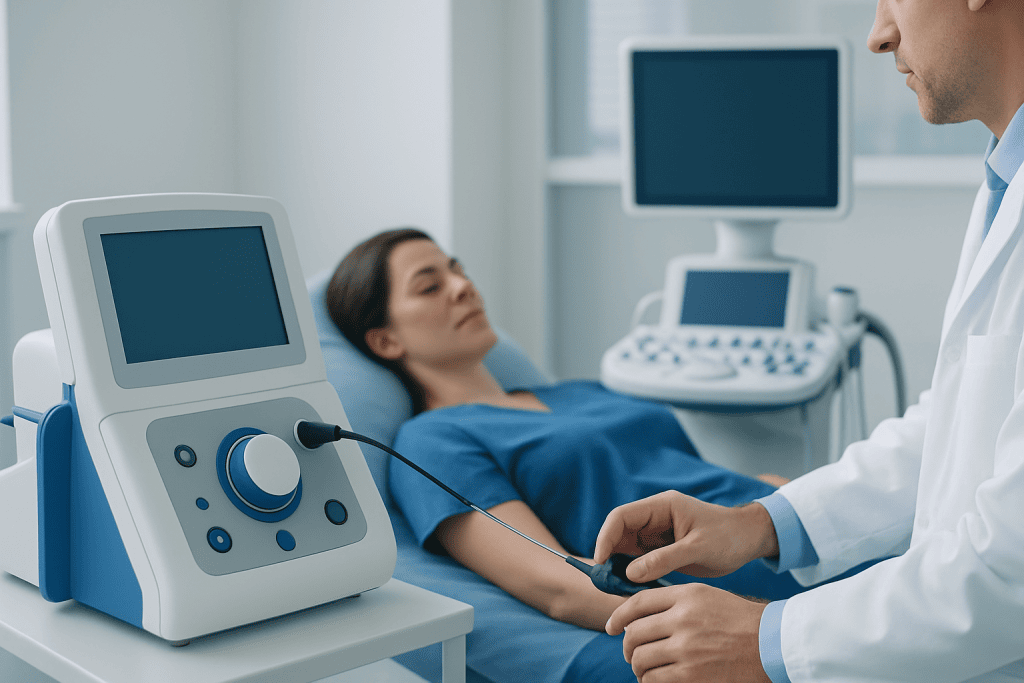
The purpose of radiofrequency ablation depends on the condition being treated. For chronic pain, the aim is usually to reduce nerve signals from a painful structure such as the facet joints in the neck or back, the sacroiliac region, or sometimes other joints. When successful, this may lower pain levels, improve movement, and reduce dependence on other treatments.
In heart care, radiofrequency ablation can treat some types of abnormal rhythm by creating a tiny scar in the heart tissue that interrupts faulty electrical pathways. This may be considered for conditions such as supraventricular tachycardia, atrial flutter, and in selected cases atrial fibrillation. The treatment plan is based on the exact rhythm problem, a patient’s symptoms, and their overall heart health.
In cancer care, radiofrequency ablation may be used to destroy small areas of tumor tissue in organs such as the liver, lung, kidney, or bone in carefully selected patients. It is often considered when surgery is not suitable, when a tumor is small and localized, or when the goal is symptom relief. In some cases, it is part of a broader plan that may also involve imaging follow-up, medication, or oncology care.
Because the same technology serves different purposes, patients benefit from asking not only “What is radiofrequency ablation?” but also “What is the goal in my case?” The expected benefits, alternatives, and recovery are different for pain procedures, heart procedures, and tumor ablation.
How the procedure is performed

Before radiofrequency ablation, the medical team reviews symptoms, prior treatments, imaging or test results, current medications, and any allergies or bleeding risks. Patients may be asked to avoid food or drink for a period before the procedure, especially if sedation is planned. Some medications, including blood thinners, may need special instructions, but they should only be adjusted under medical guidance.
During the procedure, the doctor uses guidance tools to place the treatment device accurately. For pain procedures, this is often done with X-ray or ultrasound. For tumor treatment, CT or ultrasound guidance may be used. For heart rhythm problems, the doctor typically guides thin catheters through blood vessels into the heart while monitoring electrical signals in detail, often as part of cardiology treatment.
Once the target is confirmed, radiofrequency energy is delivered for a controlled period to heat the tissue. Local anesthesia is commonly used to numb the area, and some patients also receive light sedation. The goal is precision: enough heat to treat the intended tissue while protecting nearby structures as much as possible.
Many sessions are completed within a few hours, although timing varies by indication. Some patients go home the same day, while others may stay longer for monitoring, especially after cardiac ablation or treatment involving complex medical conditions.
Benefits, limits, and possible risks
The benefits of radiofrequency ablation can include symptom relief, reduced need for more invasive surgery, and shorter recovery compared with open procedures. For chronic pain, some patients experience meaningful improvement that lasts for months or longer, although results vary and nerves can regrow over time. For arrhythmias, ablation can reduce episodes and improve quality of life. For selected tumors, it can control a targeted area of disease.
At the same time, radiofrequency ablation has limits. It may not help every patient, and it is not always a permanent solution. Pain relief may fade. Some heart rhythm problems may return or require repeat treatment. Tumor ablation may not be appropriate for larger tumors, tumors near sensitive structures, or disease that has spread widely.
Risks depend on the site treated but may include pain, bruising, bleeding, infection, temporary numbness, swelling, or damage to nearby tissue. Cardiac ablation carries additional risks such as blood vessel injury, heart perforation, blood clots, or rhythm complications, though these are carefully monitored for. Tumor ablation can involve risks related to the organ being treated, such as injury to adjacent structures or changes seen on follow-up imaging.
Patients are often reassured by the fact that the decision to proceed usually follows a careful discussion of likely benefit versus risk. In many centers, this assessment is multidisciplinary, especially when radiofrequency ablation is being considered for cancer or complex heart disease.
Recovery and aftercare
Recovery after radiofrequency ablation is usually gradual and depends on the treated area. After pain procedures, mild soreness at the treatment site for several days is common. Some patients notice improvement quickly, while others need a few weeks before the full effect is clear. Rest, hydration, and following activity instructions can support recovery.
After cardiac ablation, patients may need observation for a longer period, and the doctor may recommend avoiding heavy lifting or strenuous activity for a short time. Some people feel brief palpitations or fatigue during recovery, but any chest pain, fainting, shortness of breath, or heavy bleeding requires prompt medical review. Follow-up helps assess whether the heart rhythm has stabilized and whether medication changes are needed.
After tumor ablation, there may be temporary discomfort, tiredness, or low-grade fever-like symptoms depending on the organ treated. Follow-up imaging is an important part of care because it shows how the treated area is healing and whether additional treatment is needed. In selected cases, this may be coordinated with interventional radiology or other specialist teams.
Patients should closely follow written discharge instructions, especially around wound care, bathing, driving, exercise, and restarting medications. Good communication with the care team is one of the best ways to manage recovery safely and confidently.
Who may be a good candidate
A good candidate for radiofrequency ablation is someone whose symptoms, diagnosis, and overall health fit the purpose of the procedure. For example, in spine-related pain, doctors often look for pain patterns and examination findings that suggest a specific nerve supply is involved. Diagnostic injections may sometimes be used before ablation to help predict whether treatment is likely to help.
For heart rhythm problems, candidacy depends on the exact type of arrhythmia, symptom burden, response to medications, and the patient’s broader heart condition. Some patients are referred for ablation after medicines have not controlled symptoms well, while others may be offered ablation earlier because it is considered an effective option for that particular rhythm disorder.
For tumors, suitability is based on tumor size, location, number of lesions, nearby blood vessels or organs, and the person’s general health. Radiofrequency ablation may be discussed alongside surgery, systemic therapy, radiation, or observation. In complex cases, patients may also need assessment for related conditions such as liver cancer or other underlying diseases.
Not everyone is an ideal candidate. Active infection, certain bleeding risks, unstable medical conditions, or anatomy that makes safe targeting difficult may lead the team to recommend another approach. A specialist can explain the most appropriate option based on individual findings.
Questions to ask before treatment
Patients often feel more prepared when they understand the goal of radiofrequency ablation in their own case. Helpful questions include what tissue is being targeted, what benefit is realistically expected, how long results may last, and what alternatives exist. This can clarify whether the procedure is intended to cure, control, or simply reduce symptoms.
It is also reasonable to ask about the experience of the treating team, the type of imaging or monitoring that will be used, the kind of anesthesia or sedation planned, and what recovery may look like at home. People with chronic conditions should ask how the procedure may affect their regular medications, exercise routine, or follow-up appointments.
For many patients, understanding the next steps matters as much as understanding the procedure itself. They may ask what signs of improvement to expect, what symptoms should prompt a call, and whether repeat treatment could be needed. If another condition is involved, such as arrhythmia, the doctor may also explain how radiofrequency ablation fits into long-term care.
When to seek medical care
Medical advice should be sought if a person has symptoms that could point to a condition sometimes treated with radiofrequency ablation, such as persistent back or neck pain that is not improving, episodes of rapid or irregular heartbeat, fainting, or concerns about a known tumor. These symptoms do not automatically mean radiofrequency ablation is needed, but they do warrant proper evaluation.
After a radiofrequency ablation procedure, urgent medical care is important for severe or worsening pain, high fever, heavy bleeding, increasing redness or drainage at the puncture site, chest pain, trouble breathing, weakness, confusion, or fainting. These symptoms are not common, but they should never be ignored.
For routine follow-up, patients should contact their doctor if pain relief is less than expected, symptoms return, or new symptoms develop. Specialist assessment can help determine whether healing is progressing normally, whether additional tests are needed, or whether another treatment would be more suitable.
At Acibadem International, multidisciplinary specialists in JCI-accredited hospitals evaluate and treat patients who may need radiofrequency ablation, including international patients, with care plans based on the condition being treated and the patient’s overall health.
Frequently asked questions
Is radiofrequency ablation surgery?
Radiofrequency ablation is usually considered a minimally invasive procedure rather than traditional open surgery. It is often done through a needle, probe, or catheter with imaging or electrical guidance.
Is radiofrequency ablation painful?
Most patients receive local anesthesia, and some also receive sedation, so discomfort during the procedure is usually limited. Mild soreness afterward is common, but the level and duration vary by treatment area.
How long does it take to recover from radiofrequency ablation?
Recovery depends on why the procedure was done and which body area was treated. Many people return to light activities within days, but full recovery and the final treatment effect can take longer, especially after cardiac or tumor-related procedures.
How long do the results of radiofrequency ablation last?
Results vary by condition. In pain management, relief may last months or longer, but nerves can regenerate over time; in heart rhythm treatment or tumor care, the durability depends on the exact diagnosis and individual response.
What are the main risks of radiofrequency ablation?
Common risks include temporary pain, bruising, bleeding, and infection at the treatment site. More serious complications are less common and depend on the organ being treated, which is why careful planning and follow-up are important.
Can radiofrequency ablation be repeated?
Yes, in some cases radiofrequency ablation can be repeated if symptoms return or if the first treatment does not achieve the desired effect. The decision depends on the reason for treatment, prior response, and the patient’s overall health.
References
- World Health Organization
- National Institute for Health and Care Excellence
- American Heart Association
- Radiological Society of North America
- American Society of Regional Anesthesia and Pain Medicine
This article is for general information only and is not a substitute for professional medical advice. Please consult a qualified doctor about your individual situation.
Explore treatments in Turkey — costs, top hospitals & a free quote
JCI-accredited · board-certified surgeons · reply within 24h
Add us as a Preferred Source to see more of our trusted health content across Google Search, AI Overviews and Discover.

More from the Health Library



Related Specialists

Dr. Yeliz Kantürk
Otorhinolaryngology
Assoc. Prof. Dr. Filiz Gülustan
Ear Nose & Throat
Assoc. Prof. Dr. Taner Arpacı
Radiology
Dr. Ayşe Göbel
Internal Medicine