

Jowls: A Complete Medical Overview
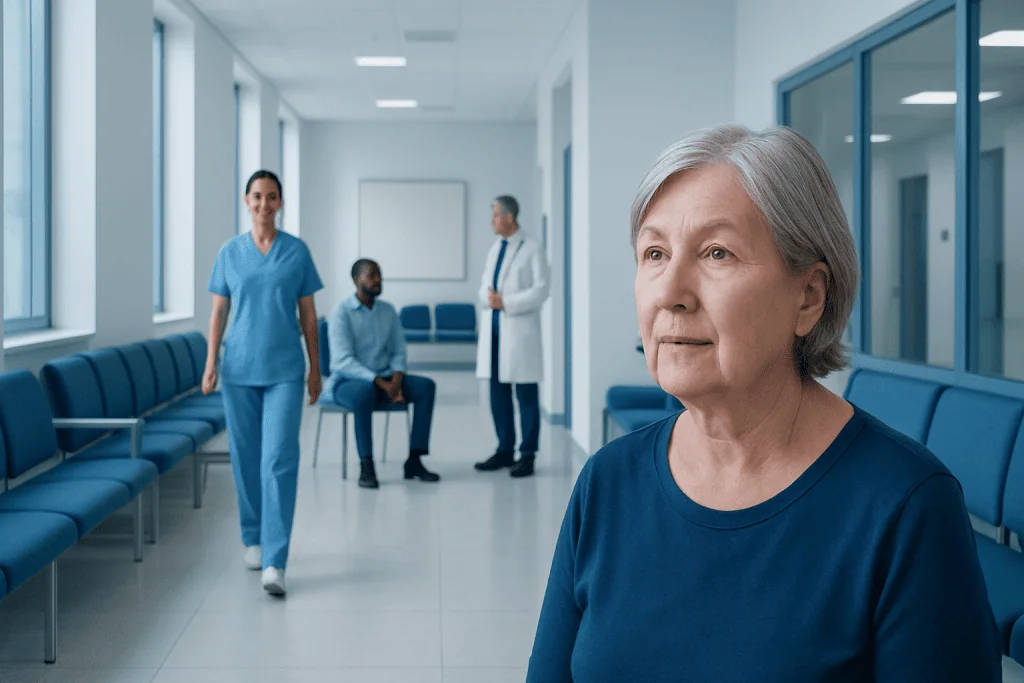
Jowls usually develop because skin, fat, and connective tissue lose firmness with age. Sun exposure, smoking, weight changes, and genetics can make jowls more noticeable.
Key Takeaways
- Jowls usually develop because skin, fat, and connective tissue lose firmness with age.
- Sun exposure, smoking, weight changes, and genetics can make jowls more noticeable.
- Doctors assess jowls by examining skin quality, facial structure, and the neck and lower face together.
- Treatment ranges from skin care and minimally invasive procedures to surgical lifting, depending on goals and anatomy.
- A sudden facial change, swelling, weakness, or a lump should be evaluated by a doctor.
Jowls are the drooping or softening of skin and tissue along the jawline, most often related to normal aging and loss of skin support. They are usually not a medical danger, but they can affect appearance, confidence, and sometimes prompt evaluation to rule out other facial or neck concerns.
What Are Jowls?
Jowls are the loose or sagging skin and soft tissue that appear along the lower cheeks and jawline. In simple terms, they happen when the structures that once kept the mid-face and lower face firm begin to weaken or shift downward over time. Many people notice a less defined jawline, heavier lower cheeks, or folds extending toward the chin.
In most cases, jowls are a normal age-related change rather than a disease. The skin gradually loses collagen and elastin, facial fat pads shift, and the underlying support tissues become less tight. These changes can make the jawline look softer, especially in certain lighting or when weight changes have occurred.
Jowls can vary widely from person to person. Some develop mild skin laxity in midlife, while others notice more pronounced sagging because of inherited facial structure, sun exposure, or repeated weight fluctuations. The neck and chin area often change at the same time, which is why evaluation usually looks at the whole lower face rather than the jawline alone.
How Jowls Develop Over Time
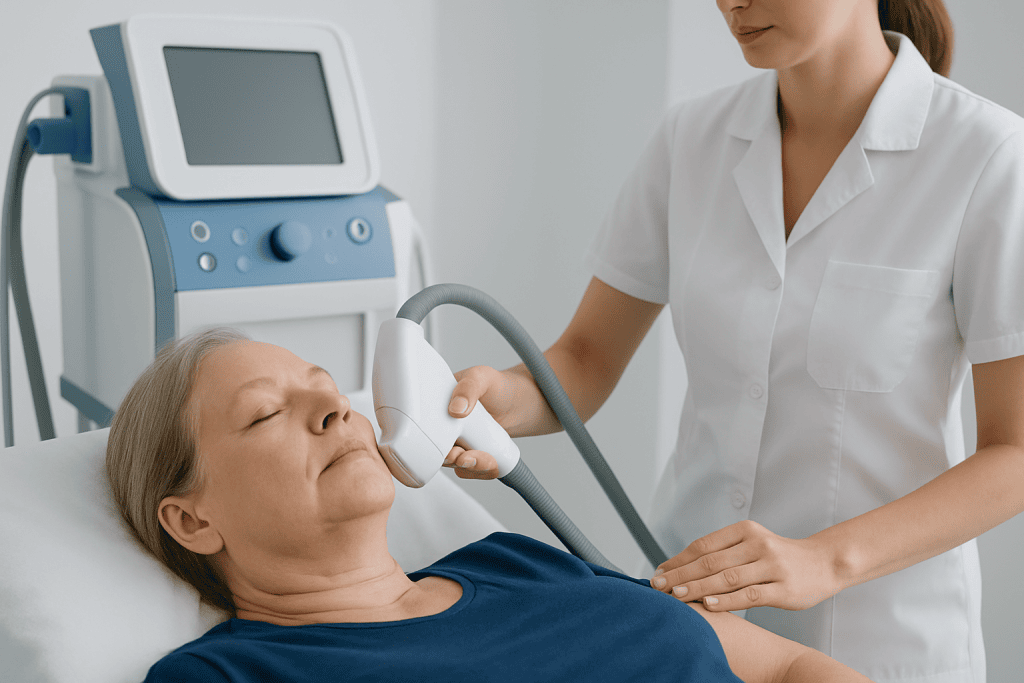
Jowls are not caused by one single change. They usually form through a combination of skin thinning, reduced elasticity, descent of facial fat, and remodeling of bone and soft tissue with age. As these supportive layers change, tissue that once sat higher in the cheeks can shift lower and collect near the jawline.
Skin quality plays a major role. Younger skin springs back because collagen and elastin fibers are stronger and more organized. With aging and environmental stress, the skin becomes thinner and less able to resist gravity, which contributes to a heavier or looser appearance near the mandibular border.
Deep structures matter as well. Ligaments that help hold facial tissue in place can loosen, and age-related changes in the jaw and chin skeleton can reduce support. This means jowls are not only a surface skin issue, which is why treatments often differ based on whether the main concern is skin texture, volume loss, tissue descent, or excess fat under the chin.
Common Signs and Related Concerns

The main sign of jowls is a less defined jawline. People may notice sagging skin at the sides of the chin, fullness along the lower cheeks, or a shadowed contour that makes the face look tired or older. These changes often become more visible in photos or during conversations on video.
Jowls can also be associated with other lower-face and neck changes. These may include marionette lines, deepening folds around the mouth, a heavier neck contour, or the appearance of a double chin. In some cases, skin laxity in the cheeks and neck creates the impression that the entire lower face has shifted downward.
Most jowls do not cause pain or physical illness. However, a change that is sudden, one-sided, associated with a neck mass, skin lesion, numbness, or facial weakness should not be assumed to be simple aging. A clinician may want to rule out other causes involving the salivary glands, skin, lymph nodes, or facial nerves.
Causes and Risk Factors
The most common cause of jowls is natural aging. Over time, collagen production decreases, elastin fibers weaken, and the skin becomes thinner and less firm. At the same time, the connective tissues that support the lower face lose strength, allowing tissue to descend and collect along the jawline.
Sun exposure is another important factor because ultraviolet radiation accelerates breakdown of collagen and elastin. This process, often called photoaging, can make jowls develop earlier or appear more pronounced. Smoking can have a similar effect by reducing blood flow to the skin and contributing to premature aging.
Genetics strongly influence how and when jowls appear. Facial bone structure, skin thickness, fat distribution, and inherited aging patterns all affect the contour of the jawline. Weight gain, weight loss, and repeated weight fluctuations may also make the lower face look less firm by stretching or deflating soft tissue.
Other contributors can include poor skin care habits, chronic stress, and changes after menopause or other hormonal shifts that affect skin quality. Although jowls are usually cosmetic, they can overlap with concerns such as skin laxity, facial volume loss, and neck fullness that may need a tailored assessment.
How Doctors Evaluate Jowls
Assessment begins with a physical examination of the face, jawline, chin, and neck. A doctor looks at skin elasticity, the amount and location of tissue descent, facial symmetry, and whether there is volume loss in the cheeks or fullness under the chin. This helps determine whether jowls are mainly due to skin laxity, sagging deeper tissues, excess fat, or a combination of factors.
Medical history is also important. The doctor may ask when the changes were first noticed, whether they appeared gradually or suddenly, and whether there are associated symptoms such as pain, weakness, lumps, swallowing problems, or changes in the skin. These details help distinguish normal cosmetic aging from conditions that may need medical investigation.
If there is concern about another problem, additional evaluation may be recommended. For example, a suspicious neck swelling, skin lesion, or facial asymmetry might lead to further examination or imaging. Some people with lower-face concerns also have overlapping issues such as skin cancer or benign lumps that should be identified before cosmetic treatment is considered.
For people exploring treatment, evaluation usually includes a discussion of goals, expected outcomes, recovery time, and skin quality. Photographs may be used for planning. A personalized approach is important because the most effective option depends on anatomy, age-related changes, and whether the person wants non-surgical improvement or a more definitive lifting procedure.
Treatment Options for Jowls
Treatment for jowls depends on how pronounced they are and what is causing the jawline to lose definition. Mild cases may improve with skin-focused treatments and careful lifestyle measures, while moderate to severe tissue descent often responds better to procedures that address deeper support structures. No single option suits everyone, so treatment is usually individualized.
Non-surgical approaches may include skin-tightening methods, injectable treatments in selected cases, and therapies that improve skin texture or stimulate collagen. These can offer subtle to moderate improvement, especially when skin laxity is mild. If fullness under the chin contributes to the appearance, treatment plans may also consider the neck contour and lower-face balance.
When jowls are caused by more significant descent of facial tissues, surgery may provide a more durable change. In carefully selected patients, a facelift can reposition deeper tissues and tighten the jawline more effectively than surface treatments alone. If neck laxity or banding is also present, some people may benefit from neck lift techniques as part of the same plan.
For patients whose concerns include skin quality, texture, or mild laxity, doctors may also discuss supportive aesthetic procedures such as Botox in the broader lower-face plan, although it does not directly treat true jowl descent. The goal is not only to reduce jowls but to restore a natural facial balance. In Acibadem International, multidisciplinary specialists in JCI-accredited hospitals evaluate international patients and offer appropriate diagnostic and treatment options based on individual needs.
Prevention and Self-care
Jowls cannot always be prevented because aging and genetics play a large role, but healthy habits can slow some of the changes that make them more noticeable. Daily sun protection is one of the most helpful steps because ultraviolet exposure breaks down the skin’s support fibers. A broad approach to skin care that includes gentle cleansing, moisturization, and products recommended by a doctor may help maintain skin quality.
Avoiding smoking is important for skin health and overall health. Smoking contributes to premature wrinkling, reduced skin repair, and dullness. Maintaining a stable weight may also help the lower face look more consistent over time, since repeated gain and loss can affect soft tissue support and facial contour.
Good sleep, balanced nutrition, and regular physical activity support the skin indirectly by helping circulation, inflammation control, and general well-being. Some people ask about facial exercises for jowls. Evidence for meaningful lifting from exercises alone is limited, and they should not replace medical evaluation if there are concerns about sudden facial changes or structural issues.
People considering treatment often benefit from an early consultation rather than waiting for changes to become more advanced. Mild jowls may respond to less invasive strategies, while later stages may require more comprehensive options. A doctor can explain realistic expectations and help choose the least invasive method likely to achieve the desired result.
When to Seek Medical Care
Jowls themselves are usually a cosmetic concern, but medical evaluation is important if a change is sudden, rapidly worsening, or clearly more prominent on one side. New facial weakness, numbness, pain, swallowing difficulty, or a lump in the jaw or neck area should be assessed promptly. These symptoms are not typical of simple age-related jowls.
It is also wise to seek care if there is a persistent skin lesion, ulcer, changing mole, or bleeding area near the jawline or lower face. Problems involving the skin, salivary glands, lymph nodes, or nerves can sometimes mimic or accompany cosmetic facial changes. A doctor may recommend targeted examination or tests to clarify the cause.
Anyone interested in treatment should consult a qualified dermatologist, plastic surgeon, or facial specialist rather than relying only on online advice. Professional guidance is especially important before combining procedures or choosing invasive treatment. A careful assessment helps protect safety, identify the true cause of the jawline change, and create a realistic treatment plan.
Frequently asked questions
Are jowls a normal part of aging?
Yes. Jowls commonly develop as skin loses elasticity and deeper facial tissues gradually shift downward with age. Genetics, sun exposure, and lifestyle habits can affect how early or how noticeably they appear.
Can jowls go away naturally?
Usually, jowls do not fully go away on their own because they result from structural changes in skin and soft tissue support. Healthy habits may help slow progression, but established jowls often need professional treatment for visible improvement.
What is the best treatment for jowls?
The best treatment depends on the cause and severity of the jowls. Mild laxity may respond to non-surgical options, while more pronounced tissue descent often improves more with surgical lifting procedures. A personalized evaluation is the best way to choose safely.
Do facial exercises help reduce jowls?
Facial exercises may improve awareness of facial muscles, but evidence that they significantly lift true jowls is limited. Because jowls usually involve skin, fat, ligaments, and deeper support structures, exercise alone is rarely enough for a major change.
At what age do jowls usually start?
There is no single age because timing depends on genetics, skin type, sun exposure, weight changes, and smoking history. Some people notice early softening of the jawline in their 30s or 40s, while others develop visible jowls later.
When should jowls be checked by a doctor?
A doctor should evaluate jowls if the change is sudden, one-sided, painful, associated with a lump, or accompanied by facial weakness or numbness. Medical review is also important if there is a suspicious skin change near the jawline.
References
- American Academy of Dermatology
- American Society of Plastic Surgeons
- National Institute on Aging
- Mayo Clinic
- Cleveland Clinic
This article is for general information only and is not a substitute for professional medical advice. Please consult a qualified doctor about your individual situation.
Explore treatments in Turkey — costs, top hospitals & a free quote
JCI-accredited · board-certified surgeons · reply within 24h
Add us as a Preferred Source to see more of our trusted health content across Google Search, AI Overviews and Discover.

More from the Health Library


Related Specialists

Assoc. Prof. Dr. Onur Tunalı
Orthopedic Surgery & Traumatology
Dr. Ulduz Jafarova
Gynecology & Obstetrics
Prof. Dr. Yusuf Serdar Sakin
Gastroenterology
Pedagog Seren Öztoprak Kılıç
Pedagogy