Kids Dentist — Explained by Medical Evidence, Not Myths

A kids dentist, also called a pediatric dentist, specializes in oral health from infancy through adolescence. The first dental visit is usually recommended by age 1 or within 6 months of the first tooth erupting.
Key Takeaways
- A kids dentist, also called a pediatric dentist, specializes in oral health from infancy through adolescence.
- The first dental visit is usually recommended by age 1 or within 6 months of the first tooth erupting.
- Regular checkups help detect cavities, bite issues, gum problems, and oral habits such as thumb-sucking early.
- Prevention often includes cleanings, fluoride, sealants, home brushing guidance, and nutrition advice.
- Parents should seek prompt dental care for tooth pain, swelling, injury, bleeding, or signs of infection.
A kids dentist is a dental professional trained to care for babies, children, and teenagers, including those with developing teeth, changing jaws, and dental anxiety. Regular visits help prevent cavities, monitor oral development, and treat problems early with age-appropriate care.
What Is a Kids Dentist?
A kids dentist is usually a pediatric dentist: a dentist with additional training in the oral health needs of infants, children, and teenagers. This includes caring for baby teeth, guiding the transition to adult teeth, monitoring jaw and bite development, and helping children feel safe during dental visits. In practical terms, a kids dentist does more than fill cavities. The role also includes prevention, early detection, education for parents, and treatment planning that matches a child’s age and stage of growth.
Children are not simply “small adults” when it comes to dental care. Their teeth are thinner, cavities can spread more quickly, and habits such as bottle use, pacifiers, thumb-sucking, and mouth breathing can affect oral development. A kids dentist is trained to recognize these patterns early and explain them in a clear, family-friendly way.
Another important part of pediatric dental care is behavior support. Many children feel nervous in medical settings, especially during early visits. A kids dentist and dental team are trained to communicate in child-appropriate language, use reassuring techniques, and create a routine that helps children build trust over time.
Why Children Need Specialized Dental Care
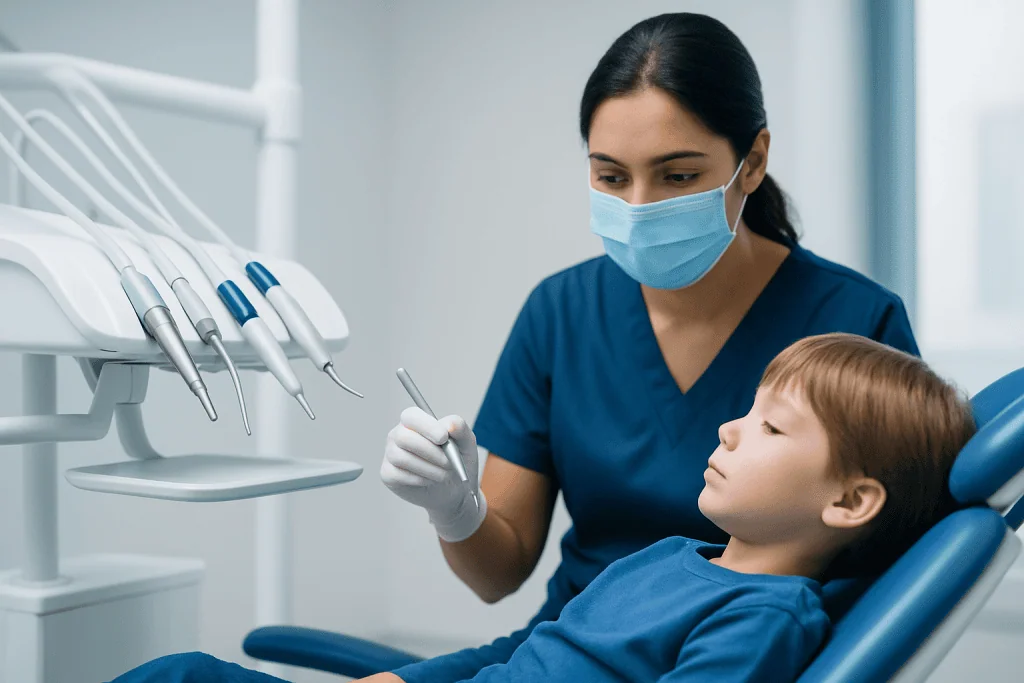
Baby teeth are temporary, but they are still very important. They help children chew, speak clearly, and keep space for the adult teeth that come later. If a baby tooth is lost too early because of decay or injury, nearby teeth may shift. This can affect the path of permanent teeth and may contribute to crowding or bite problems.
Children’s mouths also change quickly. Eruption patterns, spacing, jaw growth, and bite alignment can all shift over a relatively short period. A kids dentist checks these changes during routine visits and may identify concerns early, such as enamel defects, delayed eruption, crossbite, or tooth grinding. When needed, a child may also be referred for orthodontic evaluation to assess bite and alignment.
Preventive care is another reason specialized pediatric attention matters. Tooth decay remains one of the most common health problems in childhood, but it is often preventable. A kids dentist can assess cavity risk, recommend fluoride and sealants when appropriate, and teach brushing and flossing methods that fit the child’s age and abilities.
When Should a Child First See a Dentist?
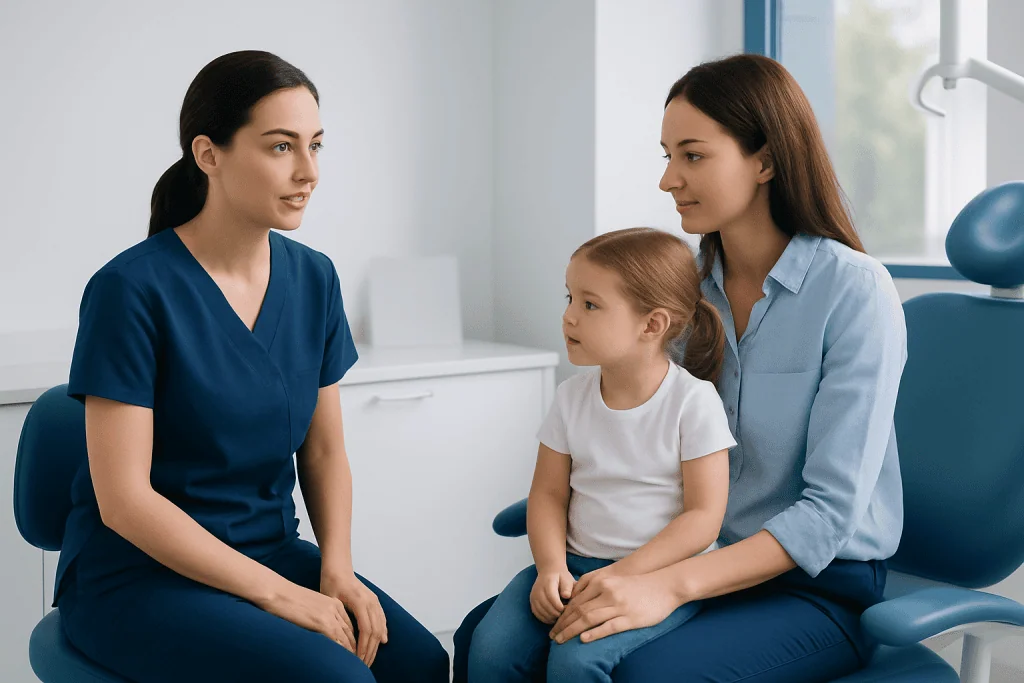
Most professional organizations recommend a child’s first dental visit by the first birthday or within 6 months after the first tooth appears. This early visit is often brief and preventive. It gives the dentist a chance to look at the teeth and gums, discuss feeding and oral hygiene habits, and answer parents’ questions before problems develop.
Many parents wait until a child complains of pain, but that approach can miss the chance to prevent disease. Cavities in young children may not be obvious at first, and early gum irritation or enamel changes can go unnoticed at home. A first visit before symptoms appear helps establish a healthy routine and makes future appointments feel more familiar.
After the first visit, the dentist usually recommends regular checkups based on the child’s needs and cavity risk. For many children, visits every 6 months are common, but the schedule can be adjusted. Some children benefit from more frequent monitoring if they have a history of decay, special health needs, or habits that affect oral development.
What Happens During a Visit to a Kids Dentist?
A typical pediatric dental visit often includes a review of the child’s medical and dental history, an examination of the teeth and gums, and guidance for home care. Depending on the child’s age and comfort level, the dentist may count the teeth, check how they fit together, and look for signs of decay, plaque buildup, gum inflammation, or oral habits affecting the bite.
Preventive care commonly includes professional cleaning, fluoride application, and discussion of brushing, flossing, and diet. If the chewing surfaces of the back teeth are deep and more likely to trap food, the dentist may recommend sealants. These are thin protective coatings that can lower the risk of cavities in molars.
Dental X-rays are used only when clinically needed. They can help show cavities between teeth, developing adult teeth, and certain bone or root problems that are not visible during a standard exam. If treatment is necessary, the dentist will usually explain the options in simple terms. Depending on the issue, care may involve a filling, monitoring, or referral for dental treatments tailored to the child’s condition.
- Oral exam of teeth, gums, tongue, and bite
- Cleaning and plaque removal when appropriate
- Fluoride or sealants for prevention
- Advice on brushing, flossing, and diet
- Assessment of jaw growth and erupting teeth
Common Dental Problems in Children
The most common concern seen by a kids dentist is tooth decay. Cavities can develop when bacteria in the mouth feed on sugars and produce acids that weaken tooth enamel. Frequent snacking, sugary drinks, bottle use at bedtime, and inconsistent brushing can all raise risk. Early decay may not hurt at first, which is why routine exams are valuable.
Other common issues include gum inflammation, dental injuries, enamel defects, teething questions, and bite changes. Some children grind their teeth, breathe through the mouth, or continue thumb-sucking beyond the toddler years. These habits do not always cause lasting problems, but they should be assessed if they persist. In some cases, a child may develop tooth decay or other oral conditions that benefit from early diagnosis.
Alignment and spacing concerns can also appear during childhood. Not every crooked or gapped tooth needs treatment right away, but growth should be monitored. A pediatric dentist may advise observation, referral, or preventive planning if crowding, crossbite, overbite, or jaw asymmetry is affecting chewing, speech, or oral hygiene.
Children with chronic illnesses, developmental conditions, or certain medications may have additional dental needs. For example, dry mouth, frequent reflux, difficulty with daily brushing, or enamel wear can increase oral health risk. In these situations, coordinated care between dental and medical teams can be especially helpful.
How Parents Can Support Healthy Teeth at Home
Home care is the foundation of healthy teeth. Parents should begin cleaning a baby’s gums even before teeth erupt, then brush twice a day once the first tooth appears. As children grow, they usually need adult help or supervision with brushing for several years to make sure all tooth surfaces are cleaned well. Flossing becomes important when teeth begin to touch.
Food and drink habits matter just as much as brushing. Frequent exposure to sugary drinks, sticky snacks, and bedtime milk or juice can increase cavity risk. Water is generally the best drink between meals, and snacks with less added sugar are kinder to teeth. A kids dentist can help families choose realistic habits rather than aiming for perfection.
Parents can also protect oral development by watching for long-term pacifier use, thumb-sucking, mouth breathing, and teeth grinding. These habits are common in early childhood and often improve naturally, but persistent patterns should be discussed with a dentist. If there are signs of gum irritation, chronic bad breath, or discomfort while chewing, a dental review is sensible.
For children involved in sports, mouthguards are another practical preventive tool. They help reduce the risk of dental trauma during contact or high-impact activities. Families should also ask the dentist about age-appropriate fluoride use and whether sealants may help protect newly erupted molars.
When to Seek Medical Care
Parents should arrange prompt dental assessment if a child has tooth pain, visible swelling, pus, fever with a dental problem, bleeding that does not stop, or an injury to the teeth or mouth. A knocked-out permanent tooth, a broken tooth, or facial swelling should be treated as urgent because timing can affect the outcome. Even if symptoms seem mild, rapid professional advice is important when infection or trauma is suspected.
Medical care may also be needed when dental symptoms affect eating, sleeping, hydration, or general well-being. Persistent mouth sores, severe gum redness, or trouble opening the mouth should not be ignored. If a child has a head injury, breathing difficulty, or major facial trauma along with a dental injury, emergency medical evaluation comes first.
Families should not try to manage significant swelling or severe pain with home remedies alone. Pain relief measures may help temporarily, but they do not treat the underlying cause. When oral infection spreads beyond the tooth or gum, children may need coordinated medical and dental assessment. In complex cases, specialists in children’s health, dentistry, and related fields work together to guide care.
Treatment, Follow-Up, and Finding the Right Support
Treatment depends on the child’s age, symptoms, and the severity of the problem. Some issues only need observation and preventive care, while others require fillings, pulp therapy, space maintenance, treatment for injury, or guidance on bite development. The best plans are individualized and aim to protect function, comfort, and long-term oral health while keeping the child as comfortable as possible.
Follow-up is important because children’s teeth and jaws continue to change. A dentist may monitor how a repaired tooth heals, how new teeth erupt, or whether a habit is improving. Parents should feel comfortable asking why a treatment is recommended, what alternatives exist, and how to care for the child’s mouth afterward. Clear communication is part of good pediatric care.
If a child needs broader support, referral to another specialist may be appropriate. Depending on the situation, this can include pediatric dentistry services, orthodontic care, or hospital-based evaluation for children with complex medical needs. One brief mention for families seeking international care: Acibadem International’s multidisciplinary specialists and JCI-accredited hospitals diagnose and treat dental and related health conditions in children and adolescents.
The main goal is not simply to treat disease when it appears, but to build healthy habits and reduce future problems. With regular checkups, practical home care, and timely attention to symptoms, many childhood dental issues can be prevented or managed early and effectively.
Frequently asked questions
What is the difference between a kids dentist and a regular dentist?
A kids dentist is usually a pediatric dentist with additional training in children's oral health, behavior guidance, and dental development. General dentists may also treat children, but pediatric dentists focus specifically on the needs of infants, children, and teenagers.
At what age should a child first see a dentist?
A child's first dental visit is generally recommended by age 1 or within 6 months after the first tooth erupts. Early visits help prevent problems and give parents guidance on cleaning, feeding, and fluoride.
How often should children go to the dentist?
Many children are seen every 6 months, but the exact schedule depends on cavity risk, oral hygiene, diet, and any existing dental concerns. Some children need more frequent visits for monitoring or preventive care.
Are baby teeth really important if they fall out anyway?
Yes. Baby teeth help with chewing, speech, comfort, and keeping space for adult teeth. Losing them too early because of decay or injury can affect alignment and oral development.
What are signs that a child may have a dental problem?
Common signs include tooth pain, sensitivity, swelling, bad breath that persists, visible spots or holes in teeth, gum bleeding, and difficulty chewing. Some cavities cause no early symptoms, which is why regular checkups are useful.
Can dental visits help prevent cavities?
Yes. Preventive dental visits can include cleanings, fluoride, sealants, risk assessment, and guidance on brushing and diet. These steps help lower the chance of cavities and can catch early decay before it becomes more serious.
References
- American Academy of Pediatric Dentistry
- American Dental Association
- Centers for Disease Control and Prevention
- National Institute of Dental and Craniofacial Research
- World Health Organization
This article is for general information only and is not a substitute for professional medical advice. Please consult a qualified doctor about your individual situation.
Explore treatments in Turkey — costs, top hospitals & a free quote
JCI-accredited · board-certified surgeons · reply within 24h
Add us as a Preferred Source to see more of our trusted health content across Google Search, AI Overviews and Discover.