Clear Braces — Explained by Medical Evidence, Not Myths

Clear braces usually refer to ceramic braces or tooth-colored fixed braces that work like metal braces but are less visible. They can treat many alignment and bite problems, though some complex cases may still be better suited to metal braces or other orthodontic approaches.
Key Takeaways
- Clear braces usually refer to ceramic braces or tooth-colored fixed braces that work like metal braces but are less visible.
- They can treat many alignment and bite problems, though some complex cases may still be better suited to metal braces or other orthodontic approaches.
- Good oral hygiene and regular orthodontic follow-up are essential to prevent staining, plaque buildup, and gum problems during treatment.
- Clear braces may feel easier cosmetically for adults and teens, but they still require careful cleaning and attention to diet.
- An orthodontist decides whether clear braces, aligners, or another treatment is most appropriate after examining the teeth, bite, and jaw.
Clear braces are orthodontic appliances designed to straighten teeth and improve bite alignment while being less noticeable than traditional metal braces. They can be an effective option for many teenagers and adults, but the best choice depends on the type of tooth movement needed, oral health, and daily habits.
Overview: what clear braces are and what they are not
Clear braces are tooth-straightening appliances made to be less noticeable than traditional stainless-steel braces. In everyday use, the term often refers to ceramic braces, which use tooth-colored or translucent brackets attached to the teeth and connected by a wire. Some people also use “clear braces” to describe removable aligners, but medically these are different systems with different strengths and limitations.
From an evidence-based perspective, clear braces are not a cosmetic shortcut or a “weaker” form of orthodontic care. Ceramic braces move teeth using the same biological principles as metal braces: gentle, controlled force changes the position of teeth and the surrounding bone over time. For many patients, they provide a balance between appearance and effectiveness.
Clear braces can help correct crowded teeth, gaps, some bite problems, and teeth that are rotated or out of position. However, the most suitable treatment depends on the complexity of the problem, the condition of the gums and bone, and how well the patient can maintain oral hygiene. A dentist or orthodontist may also compare them with orthodontic treatment options such as metal braces or clear aligners.
How clear braces work
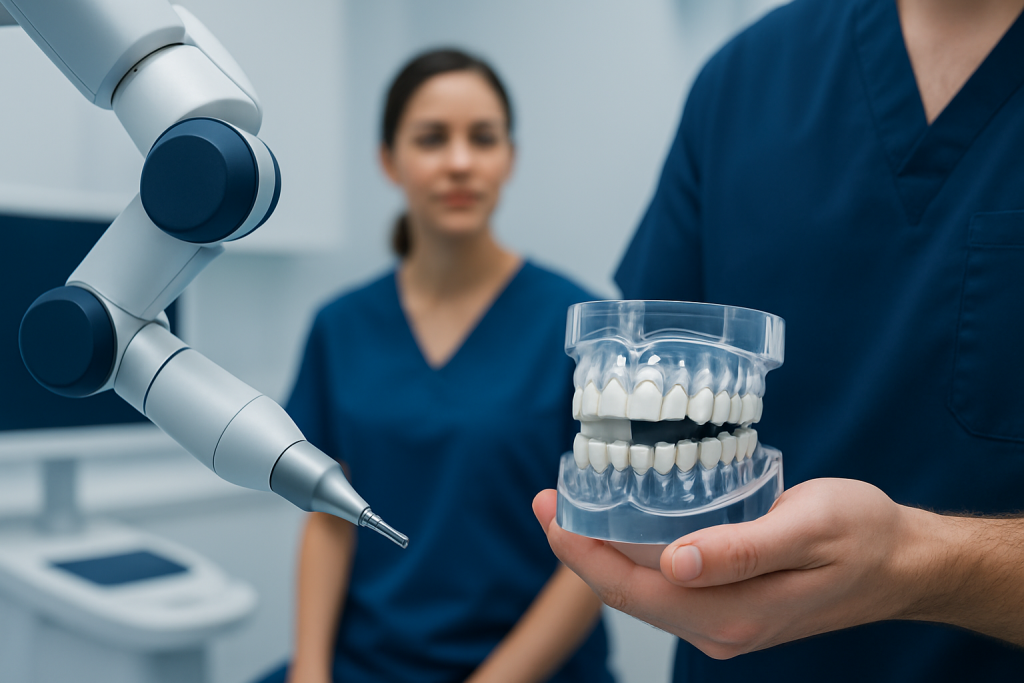
Clear braces are fixed to the teeth, which means the brackets stay in place throughout treatment. An orthodontic wire passes through the brackets and is adjusted over time to guide the teeth into better alignment. Small elastic ties or clips may hold the wire in position, depending on the bracket system used.
Because clear braces are fixed, they work continuously and do not depend on the patient remembering to wear them. This can be useful when precise tooth movement is needed or when removable appliances might not be worn consistently enough. In some cases, additional attachments such as elastics may be used to improve bite correction.
Tooth movement is gradual. The body responds to the gentle pressure by remodeling the bone around the tooth roots, allowing the teeth to shift safely over time. This is why treatment usually takes months rather than weeks, and why regular reviews are important to check progress and protect the health of the teeth and gums.
Although they are designed to be discreet, clear braces are still visible at close range. Their appearance may also change slightly over time if elastic ties stain from foods or drinks such as coffee, tea, curry, or tobacco. This does not mean treatment is failing, but it does affect aesthetics and reinforces the need for careful maintenance.
Who may benefit from clear braces

Clear braces are commonly chosen by teenagers and adults who want fixed orthodontic treatment with a less noticeable appearance. They may be appropriate for mild to moderate crowding, spacing, and certain bite issues. In many patients, they offer effective alignment with less visual impact than metal braces.
People who may particularly value clear braces include adults in professional or public-facing roles, older teenagers concerned about appearance, and patients who need fixed treatment because removable aligners may not be suitable or practical. An orthodontist evaluates whether the planned tooth movements can be achieved predictably with ceramic brackets.
Not every patient is an ideal candidate. If the bite is very deep, if severe tooth rotation is present, or if there is a need for very robust mechanics, metal braces may sometimes be preferred because they can be more durable and may create less friction in certain movements. Patients with untreated gum disease, active tooth decay, or poor oral hygiene may need these problems addressed before orthodontic treatment begins.
Some patients considering clear braces are also being assessed for related oral issues such as impacted or misaligned teeth. In selected situations, evaluation may overlap with wisdom teeth problems or other dental conditions that affect treatment planning.
Benefits, limitations, and common myths
One of the main benefits of clear braces is aesthetic. The brackets blend more naturally with the teeth, which many patients find reassuring in work, school, and social settings. They can also treat a broad range of orthodontic problems because they are fixed appliances controlled by a clinician.
However, clear braces also have limitations. Ceramic brackets can be more brittle than metal ones, so they may be slightly more prone to chipping under stress. They may also be a little larger than metal brackets, which some patients notice at first. In addition, the clear or tooth-colored elastic ties used with some systems can stain between appointments.
Several myths deserve clarification. Clear braces do not work only for minor problems; many moderate orthodontic concerns can be treated successfully with them. They are also not “invisible,” and they are not necessarily faster than metal braces. Treatment speed depends more on the biology of tooth movement, the complexity of the case, and adherence to care instructions than on appearance alone.
Another common misconception is that less visible braces require less cleaning. In fact, the opposite is often true: because ceramic brackets can make plaque and staining more noticeable around the teeth and gums, careful brushing, interdental cleaning, and professional review are especially important. If oral hygiene is neglected, problems such as gum inflammation or white spot lesions can develop.
Diagnosis and treatment planning before clear braces
Before recommending clear braces, a dentist or orthodontist carries out a full assessment. This typically includes asking about symptoms, medical history, dental history, and goals for treatment. The examination looks at tooth alignment, the way the upper and lower teeth meet, jaw function, gum health, and the condition of the tooth enamel.
Diagnostic records may include dental photographs, digital scans or impressions, and X-rays. These help the clinician understand root position, bone support, unerupted teeth, and any underlying concerns that could influence treatment. In some cases, bite or jaw concerns may need broader assessment, including related conditions such as jaw pain if present.
Treatment planning also involves discussing alternatives. Depending on the case, options may include metal braces, removable clear aligners, retainers for minor movement, or combined dental care if there are restorative or gum issues. For some patients, the discussion may naturally include general dental treatment needed before orthodontics, such as cleaning, fillings, or gum care.
A realistic conversation about expectations is important. Patients should understand how long treatment may take, how visible the appliances are likely to be, what foods to avoid, and how retainers will be used after the braces come off. This planning stage helps match the treatment to the patient rather than relying on myths or trends.
Living with clear braces: care, food, and follow-up
During the first days after placement or adjustment, mild soreness, pressure, or irritation of the lips and cheeks can occur. This is common with orthodontic treatment and usually improves as the mouth adapts. An orthodontist may suggest practical steps such as orthodontic wax, a softer diet for a short period, and routine oral hygiene measures.
Cleaning is central to safe treatment. Patients are usually advised to brush carefully around each bracket and along the gumline, use interdental brushes or flossing aids, and attend regular dental checkups. If plaque collects around the brackets, the gums may become inflamed and the enamel may develop decalcified white areas that remain visible after treatment.
Food choices also matter. Hard, sticky, or chewy foods can loosen brackets or bend wires. Examples often discussed include hard candies, ice, chewing gum, and very sticky sweets. Limiting strongly colored foods and drinks may also help reduce staining of elastic ties and keep the braces looking clearer between appointments.
Follow-up visits allow the orthodontist to adjust the wire, monitor tooth movement, and check for complications. Retention after treatment is just as important as the active phase, because teeth can drift back if retainers are not used as recommended. In some patients, orthodontic care may be part of a broader plan that includes dental implants or restorative work after alignment is complete.
When to seek medical care
It is sensible to seek professional advice if the teeth are crowded, overlapping, spaced apart, or if the bite feels uneven. Other reasons include difficulty cleaning between teeth, frequent cheek biting, speech concerns related to tooth position, or self-consciousness about alignment. An orthodontic assessment can clarify whether treatment is needed and which approach is most suitable.
Prompt dental review is also important during treatment if a bracket breaks, a wire is causing significant injury, swelling develops, bleeding gums persist, or pain becomes severe or does not settle. These symptoms do not always mean a serious problem, but they should not be ignored because timely adjustment can prevent further discomfort or treatment delays.
Anyone with signs of tooth decay, gum disease, loose teeth, or jaw discomfort should discuss these issues before starting braces. Orthodontic treatment works best in a healthy mouth. If there are concerns, coordinated care with dental and orthodontic professionals can help make treatment safer and more effective.
For international patients who need assessment or treatment, Acibadem International’s multidisciplinary specialists in JCI-accredited hospitals evaluate orthodontic and related dental concerns in a coordinated setting, with care plans tailored to the patient’s needs.
Frequently asked questions
Are clear braces the same as clear aligners?
No. Clear braces are usually fixed ceramic brackets attached to the teeth, while clear aligners are removable plastic trays. Both can straighten teeth, but they work differently and may be suitable for different types of orthodontic problems.
Do clear braces work as well as metal braces?
In many cases, yes. Clear braces can effectively treat a wide range of alignment and bite problems, especially mild to moderate cases. However, some complex tooth movements may be handled more efficiently with metal braces, depending on the orthodontist’s assessment.
Do clear braces stain?
The ceramic brackets themselves are generally resistant to staining, but the elastic ties used with some systems can discolor over time. Foods and drinks with strong pigments, as well as smoking, can make this more noticeable between appointments. Regular cleaning and timely follow-up help reduce the effect.
Are clear braces painful?
They can cause temporary soreness or pressure, especially after they are first placed or adjusted. This is a normal response to tooth movement and usually improves within a few days. If pain is severe or persistent, the patient should contact the orthodontic team.
How long do clear braces take?
Treatment time varies from person to person. It depends on how much movement is needed, the bite pattern, oral health, and how well appointments and care instructions are followed. An orthodontist can provide a more individualized estimate after examination.
Can adults get clear braces?
Yes. Many adults choose clear braces because they are less noticeable than metal braces while still providing fixed orthodontic treatment. Adult treatment can be very successful, although gum health and existing dental work need careful review beforehand.
References
- American Association of Orthodontists
- American Dental Association
- National Institute of Dental and Craniofacial Research
- NHS
- World Health Organization
This article is for general information only and is not a substitute for professional medical advice. Please consult a qualified doctor about your individual situation.
Explore treatments in Turkey — costs, top hospitals & a free quote
JCI-accredited · board-certified surgeons · reply within 24h
Add us as a Preferred Source to see more of our trusted health content across Google Search, AI Overviews and Discover.

More from the Health Library



Related Specialists

Dr. Berhan Bayram
Orthopedic Surgery & Traumatology
Assoc. Prof. Dr. Fatih Büyükcam
Emergency Service
Dr. Ezgi Topyıldız
Pediatric Allergy
Prof. Dr. Erkan Özcan
Psychiatry