Understanding Hypercholesterolemia: A Complete Patient Guide
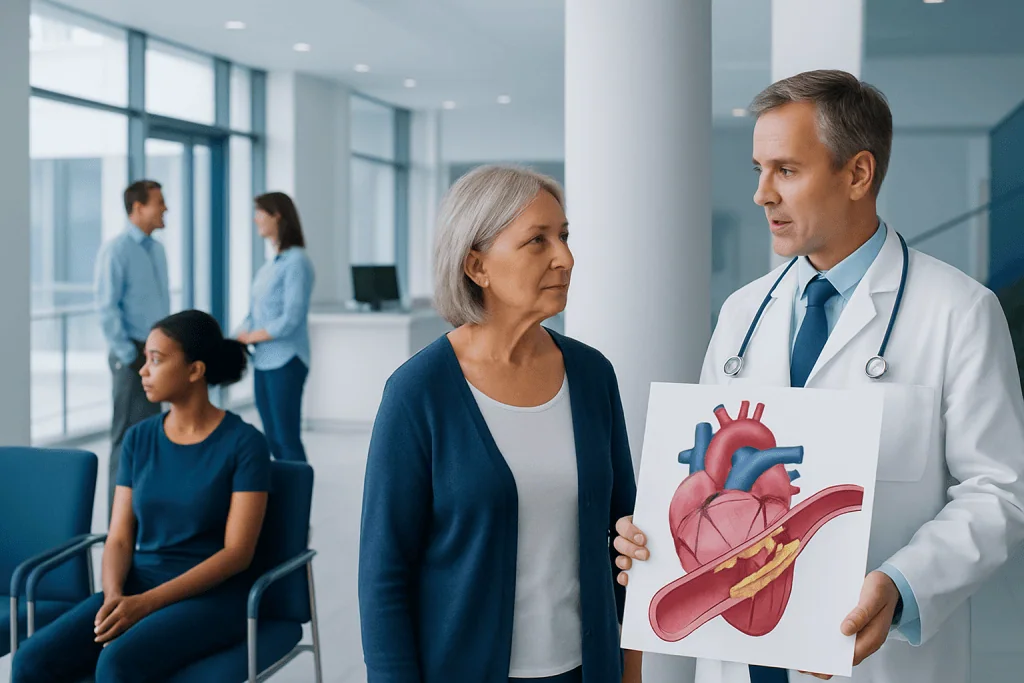
Hypercholesterolemia usually has no clear symptoms and is often found on a blood test. High LDL cholesterol can build up in arteries and increase the risk of cardiovascular disease.
Key Takeaways
- Hypercholesterolemia usually has no clear symptoms and is often found on a blood test.
- High LDL cholesterol can build up in arteries and increase the risk of cardiovascular disease.
- Causes include diet, inactivity, excess weight, smoking, certain medical conditions, medicines, and inherited disorders such as familial hypercholesterolemia.
- Treatment may include lifestyle changes, cholesterol-lowering medicines, and regular follow-up.
- Early diagnosis is important, especially for people with a strong family history of high cholesterol or early heart disease.
Hypercholesterolemia is the medical term for high cholesterol in the blood, especially elevated low-density lipoprotein (LDL) cholesterol. It often causes no symptoms, but over time it can increase the risk of heart attack, stroke, and other circulation problems, which is why testing and early management matter.
What hypercholesterolemia means
Hypercholesterolemia means there is too much cholesterol in the blood. In everyday terms, it usually refers to high levels of LDL cholesterol, sometimes called “bad” cholesterol, because it can contribute to plaque buildup inside artery walls. This buildup can narrow blood vessels and make it harder for blood to flow normally.
Cholesterol itself is not always harmful. The body needs it to build cells, make certain hormones, and support normal function. Problems develop when LDL cholesterol becomes too high, when protective HDL cholesterol is too low, or when cholesterol remains elevated for many years.
One reason hypercholesterolemia can be overlooked is that it often does not cause noticeable symptoms. A person may feel entirely well while cholesterol slowly affects the heart, brain, or circulation. For this reason, cholesterol testing is an important part of preventive health care, particularly in adults with risk factors for coronary artery disease.
How high cholesterol affects health over time

When LDL cholesterol circulates at high levels, some of it can enter the lining of arteries. Over time, it may combine with inflammation and other substances to form plaque. This process is called atherosclerosis. Plaque can make arteries stiffer and narrower, reducing blood flow to the heart, brain, legs, and other organs.
If plaque becomes unstable, it can rupture and trigger a blood clot. Depending on where this happens, it may lead to a heart attack, stroke, or sudden loss of blood supply to another part of the body. This is why hypercholesterolemia is treated not just as a lab finding, but as a long-term cardiovascular risk factor.
The level of risk depends on more than cholesterol alone. Doctors also look at age, blood pressure, smoking, diabetes, kidney disease, family history, and whether a person already has vascular disease. In people with established heart disease or very high LDL levels, treatment is often more intensive because the goal is to lower future risk as much as possible.
Symptoms and signs to know

Most people with hypercholesterolemia have no symptoms. A high cholesterol level by itself usually does not cause pain, tiredness, dizziness, or any specific warning sign. In many cases, it is found during routine screening or as part of an evaluation for another health concern.
Some people with inherited forms of very high cholesterol, especially familial hypercholesterolemia, may develop visible cholesterol deposits. These can include yellowish fatty bumps on the skin or tendons, called xanthomas, or a pale ring around the cornea in younger adults. These findings do not happen in everyone, but they can be clues that cholesterol has been high for a long time.
Symptoms usually appear only when high cholesterol has already contributed to complications. Warning signs may include chest discomfort with activity, shortness of breath, weakness on one side of the body, or leg pain during walking. These symptoms can be related to blocked arteries and need prompt medical assessment rather than self-treatment.
- Hypercholesterolemia itself is often silent.
- Visible signs are more common in inherited severe cases.
- New chest pain, stroke-like symptoms, or sudden shortness of breath need urgent care.
Causes and risk factors
Hypercholesterolemia can result from a combination of lifestyle, health conditions, medications, and genetics. Diets high in saturated fats or trans fats may raise LDL cholesterol. Limited physical activity, excess body weight, and smoking can also worsen the cholesterol profile. Some people, however, develop high cholesterol even with generally healthy habits because their bodies naturally make or clear cholesterol differently.
Medical conditions that may contribute include diabetes, hypothyroidism, chronic kidney disease, liver disorders, and some hormonal or metabolic conditions. Certain medicines can affect cholesterol levels as well. Because of this, a doctor may review a person’s overall medical history before deciding on the best treatment approach.
Inherited disorders deserve special attention. Familial hypercholesterolemia is a genetic condition that causes very high LDL cholesterol from a young age and greatly increases the risk of early cardiovascular disease. People with a strong family history of very high cholesterol, heart attack at a young age, or known genetic lipid disorders may need earlier testing and specialist care. In some cases, doctors may evaluate for related conditions such as atherosclerosis when cardiovascular risk is already a concern.
How doctors diagnose hypercholesterolemia
Diagnosis is based on a blood test called a lipid panel. This test typically measures total cholesterol, LDL cholesterol, HDL cholesterol, and triglycerides. Results are interpreted together rather than in isolation, because the overall pattern helps guide treatment. A doctor will also consider age, medical history, family history, and other cardiovascular risk factors.
If cholesterol is high, the next step is usually to understand why and how serious the risk may be. A clinician may ask about diet, exercise, tobacco use, medications, and relatives with early heart disease. Additional blood tests may be ordered to look for contributing problems such as diabetes or thyroid disease. In selected cases, genetic testing or referral to a lipid specialist may be appropriate.
Some people need further cardiovascular assessment, especially if they have symptoms or multiple risk factors. Tests such as blood pressure monitoring, heart evaluation, or vascular imaging may be used based on individual need. Where there is concern about the heart or blood vessels, advanced evaluation can be part of a broader cardiology assessment to better define risk and plan treatment.
Treatment options and long-term management
Treatment for hypercholesterolemia aims to lower LDL cholesterol and reduce the risk of heart attack, stroke, and other complications. The treatment plan depends on how high the cholesterol is, whether the person already has cardiovascular disease, and what other risk factors are present. For some people, lifestyle changes may be enough at first. For others, medication is recommended early.
Lifestyle treatment usually includes a heart-healthy eating pattern, regular physical activity, weight management if needed, and avoiding tobacco. Doctors often encourage reducing foods high in saturated fat, choosing more vegetables, fruits, legumes, whole grains, and healthy fats, and limiting highly processed foods. These changes may improve cholesterol levels and support blood pressure, blood sugar, and overall heart health.
Medicines are commonly used when lifestyle measures alone are not enough or when risk is already high. Statins are often the first-line treatment because they lower LDL cholesterol and help reduce cardiovascular events. Other medicines may be added when needed, especially in people with very high cholesterol or familial hypercholesterolemia. In more complex cases, treatment planning may involve services related to cardiovascular care or specialist follow-up for advanced risk reduction.
Successful management is usually ongoing rather than short term. Follow-up blood tests help show whether treatment is working and whether the plan needs adjustment. The best results often come from combining medication, healthy habits, and regular review with a qualified doctor.
Self-care, prevention, and family screening
Many cases of hypercholesterolemia can be improved, and some can be partly prevented, with consistent daily habits. A balanced diet, regular exercise, maintaining a healthy weight, not smoking, and moderating alcohol intake all support better cholesterol levels. Even when medication is needed, these habits remain an important part of care.
Family screening is especially important when very high cholesterol runs in the family. If one person is diagnosed with familial hypercholesterolemia or has a strong family history of early heart disease, close relatives may also benefit from cholesterol testing. Finding high cholesterol early can help prevent complications later in life.
People who already have heart or vascular disease often need more careful prevention strategies, including control of blood pressure and diabetes and adherence to prescribed treatment. Near the end of the care pathway, some patients may benefit from multidisciplinary support. Acibadem International’s specialists in JCI-accredited hospitals diagnose and treat hypercholesterolemia and related cardiovascular conditions for international patients when specialist evaluation is needed.
When to seek medical care
A person should arrange a medical review if a cholesterol test shows elevated levels, if there is a strong family history of high cholesterol, or if a close relative had a heart attack or stroke at a young age. Medical advice is also important for people with diabetes, high blood pressure, kidney disease, or obesity, because these conditions can increase cardiovascular risk when combined with high cholesterol.
Prompt medical attention is needed for symptoms that may suggest a cardiovascular complication. These include chest pain, shortness of breath, sudden weakness or numbness, trouble speaking, severe dizziness, or pain in the legs when walking that is new or worsening. These symptoms do not always mean high cholesterol is the cause, but they should not be ignored.
Regular follow-up matters even when a person feels well. Because hypercholesterolemia is often silent, only testing can show whether cholesterol is controlled. A qualified doctor can explain the results, discuss treatment choices, and decide whether referral for services such as preventive screening and follow-up would be helpful.
Frequently asked questions
What is the difference between hypercholesterolemia and high cholesterol?
Hypercholesterolemia is the medical term for high cholesterol, especially elevated LDL cholesterol in the blood. In everyday use, the two terms are often used interchangeably.
Can hypercholesterolemia cause symptoms?
Usually, no. Most people feel normal and only learn they have high cholesterol after a blood test. Symptoms are more likely to appear only if high cholesterol has already contributed to artery disease or, in some inherited cases, visible cholesterol deposits.
Is hypercholesterolemia hereditary?
It can be. Familial hypercholesterolemia is an inherited disorder that causes very high LDL cholesterol from a young age. Even outside this condition, cholesterol patterns can run in families, which is why family history is important.
Can diet alone lower high cholesterol?
Diet and lifestyle changes can significantly improve cholesterol levels in many people. However, some people also need medication, especially if LDL cholesterol is very high, cardiovascular risk is elevated, or an inherited condition is present.
How often should cholesterol be checked?
The right schedule depends on age, previous results, family history, and other health conditions. A doctor can recommend how often testing is needed, but people at higher cardiovascular risk usually need more regular monitoring.
Are statins the only treatment for hypercholesterolemia?
No. Statins are commonly used and often the first medicine prescribed, but other cholesterol-lowering medicines are also available when needed. The choice depends on cholesterol levels, treatment goals, side effects, and a person’s overall cardiovascular risk.
References
- World Health Organization
- American Heart Association
- National Heart, Lung, and Blood Institute
- Centers for Disease Control and Prevention
- European Society of Cardiology
This article is for general information only and is not a substitute for professional medical advice. Please consult a qualified doctor about your individual situation.
Heart care in Turkey — expert evaluation and treatment
JCI-accredited · board-certified surgeons · reply within 24h
Add us as a Preferred Source to see more of our trusted health content across Google Search, AI Overviews and Discover.
Check your numbers in seconds
BMI, calories, due date, blood pressure and 30+ more clinical calculators — free, instant, doctor-reviewed ranges.