Vasoconstriction — Explained by Medical Evidence, Not Myths

Vasoconstriction means blood vessels narrow, which decreases blood flow through them. It can be a normal response to cold, stress, and the body’s need to maintain blood pressure.
Key Takeaways
- Vasoconstriction means blood vessels narrow, which decreases blood flow through them.
- It can be a normal response to cold, stress, and the body’s need to maintain blood pressure.
- Symptoms may include cold skin, pale fingers or toes, numbness, headaches, or chest discomfort depending on the area affected.
- Common triggers include nicotine, caffeine, certain medicines, dehydration, and underlying vascular or hormonal conditions.
- Treatment depends on the cause and may involve lifestyle changes, medication review, and care for related conditions.
Vasoconstriction is the narrowing of blood vessels caused by tightening of the muscular vessel wall, which reduces blood flow to certain tissues. It is often a normal body response to cold, stress, or blood pressure regulation, but in some situations it can contribute to symptoms or signal an underlying medical condition.
What vasoconstriction means
Vasoconstriction is the narrowing of blood vessels, especially small arteries and arterioles, when the smooth muscle in the vessel wall tightens. This narrowing reduces the diameter of the vessel, so less blood can pass through that area for a period of time. In many cases, this is a normal and useful body response rather than a disease by itself.
The body uses vasoconstriction to help maintain blood pressure, conserve heat, and direct blood flow where it is needed most. For example, in cold weather, vessels near the skin may narrow to reduce heat loss. During stress, the nervous system may also trigger vasoconstriction as part of the “fight or flight” response.
Although this process can be protective, too much vasoconstriction or vasoconstriction in the wrong setting can contribute to symptoms. Reduced blood flow may lead to cold hands or feet, skin color changes, dizziness, elevated blood pressure, or pain if tissues are not getting enough oxygen. This is why vasoconstriction is best understood as a body mechanism that can be either normal or clinically important depending on context.
How the body causes blood vessels to narrow
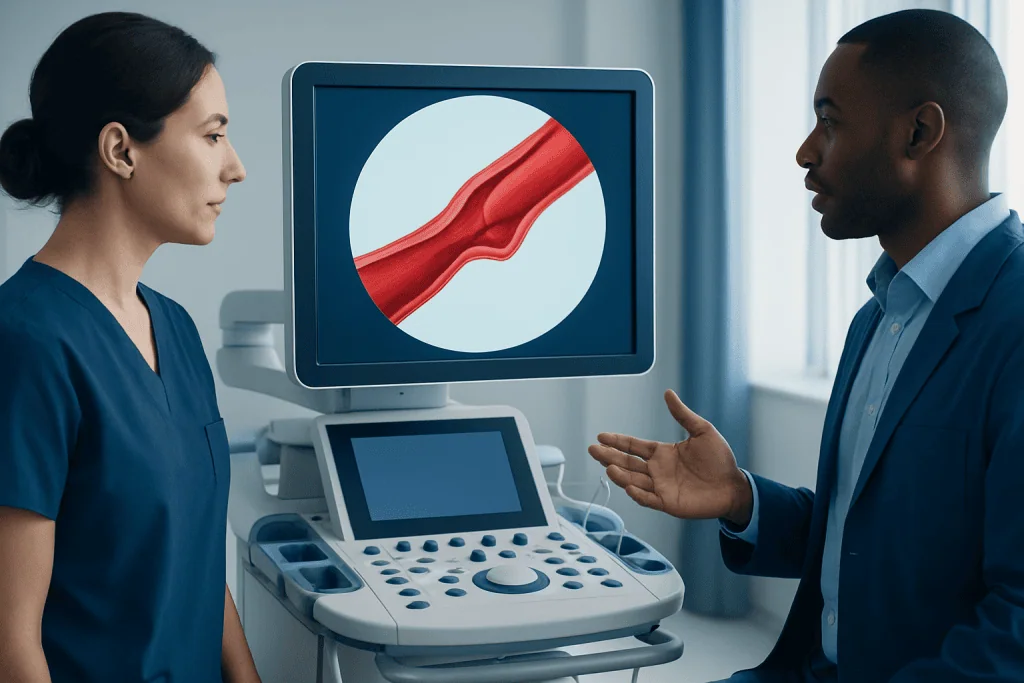
Blood vessel tone is controlled by a balance of signals from the nervous system, hormones, and the vessel lining, called the endothelium. When signals such as adrenaline or noradrenaline bind to receptors on the vessel wall, the smooth muscle contracts and the vessel becomes narrower. Other natural substances, including angiotensin II and vasopressin, can also promote vasoconstriction.
At the same time, the body produces substances that encourage vessels to relax, such as nitric oxide. Health depends on a careful balance between constriction and relaxation. If this balance shifts too far toward narrowing, circulation may become less efficient and symptoms can appear.
This is one reason myths about vasoconstriction can be misleading. It is not always harmful, and it is not the same as a blood clot or a permanently blocked artery. Vasoconstriction is usually dynamic and reversible, though repeated or severe episodes may play a role in conditions affecting the heart, brain, kidneys, or extremities.
Symptoms and effects of vasoconstriction

The symptoms of vasoconstriction depend on which blood vessels are narrowing and how significant the reduction in blood flow is. Mild, short-lived vasoconstriction may cause no symptoms at all. More noticeable episodes can lead to cool skin, pallor, tingling, numbness, or a feeling that the hands and feet are unusually cold.
When vasoconstriction affects blood flow in the head or neck, some people may experience headaches or migraine-related symptoms. When it affects the heart’s blood supply, it can contribute to chest tightness or discomfort in certain conditions. In the fingers and toes, episodes of marked vasoconstriction can cause color changes such as white, blue, then red as circulation decreases and returns, which may be seen in Raynaud syndrome.
Vasoconstriction can also influence blood pressure. Because narrower vessels increase resistance to blood flow, the heart may need to pump against higher pressure. Over time, this can be relevant in people with high blood pressure or other cardiovascular concerns. Symptoms that are severe, recurrent, or linked to exercise, chest pain, fainting, or one-sided neurologic symptoms need medical assessment.
Common causes, triggers, and risk factors
Many everyday factors can trigger vasoconstriction. Cold exposure is one of the most common. Emotional stress, pain, dehydration, and vigorous exercise can also temporarily narrow blood vessels through normal nervous system and hormonal responses. These episodes are often short and settle once the trigger passes.
Substances and medications may also play a role. Nicotine is a well-known vasoconstrictor, which is one reason smoking affects circulation and heart health. Caffeine may contribute in some people, though its effects vary. Certain decongestants, stimulant medications, migraine medicines, and some hormone-related treatments can narrow vessels or raise blood pressure. A clinician may review current medicines if symptoms suggest problematic vasoconstriction.
Underlying medical conditions can make vasoconstriction more likely or more important clinically. These include hypertension, diabetes, atherosclerosis, autoimmune disorders, kidney disease, thyroid problems, and some forms of migraine. Reduced circulation may also overlap with peripheral artery disease, although vasoconstriction and artery narrowing from plaque are not the same process.
- Cold temperatures
- Stress or anxiety
- Smoking or nicotine exposure
- Caffeine or stimulant use
- Some prescription or over-the-counter medicines
- Hormonal and vascular conditions
How doctors evaluate vasoconstriction
Evaluation begins with a careful history and physical examination. A doctor will ask when symptoms occur, what triggers them, how long they last, and whether they affect the hands, feet, head, chest, or whole body. Skin color changes, temperature differences, blood pressure patterns, pulse quality, and signs of related heart, vascular, hormonal, or neurologic conditions may offer important clues.
Testing is guided by the suspected cause rather than by vasoconstriction alone. Blood pressure monitoring, blood tests, and circulation studies may be used. Depending on symptoms, doctors may consider vascular ultrasound, heart testing, or imaging to look for other explanations for reduced blood flow. In some cases, the priority is to rule out more serious conditions such as significant artery disease, heart problems, or neurologic emergencies.
If symptoms suggest a secondary condition, diagnosis focuses on that disorder. For example, recurrent color changes in fingers may prompt evaluation for Raynaud syndrome or autoimmune disease. Chest symptoms may lead to cardiac evaluation, which can sometimes include coronary angiography if a specialist believes the heart’s blood supply needs closer assessment.
Treatment options and medical care
Treatment for vasoconstriction depends on the cause, location, severity, and whether it is part of a larger medical condition. If narrowing is a normal temporary response to cold or stress, treatment may be simple: warming the body, resting, hydrating, and avoiding known triggers. When medication side effects are suspected, a doctor may adjust treatment rather than stopping medicines without guidance.
For people with recurrent symptoms, care often focuses on improving circulation and controlling related risk factors. This may include stopping smoking, reducing nicotine exposure, managing blood pressure, controlling diabetes, and treating hormonal or autoimmune conditions when present. In selected cases, doctors may prescribe medicines that help blood vessels relax or improve blood flow, especially for disorders such as Raynaud syndrome or certain vascular spasms.
If symptoms are linked to established vascular disease, more targeted care may be needed. Depending on the diagnosis, this could include vascular surgery or cardiology care as part of a broader plan. Near the end of the care pathway, patients seeking international evaluation may also wish to know that Acibadem International’s multidisciplinary specialists and JCI-accredited hospitals diagnose and treat vascular and cardiovascular conditions for international patients.
Prevention, self-care, and when to seek medical care
Prevention starts with understanding personal triggers. Dressing warmly in cold weather, staying hydrated, managing stress, and avoiding smoking can reduce episodes for many people. It may also help to limit unnecessary stimulant use and to discuss over-the-counter decongestants or similar medicines with a clinician if symptoms worsen after taking them.
People with chronic health conditions can lower risk by following their treatment plan and attending regular checkups. Keeping blood pressure, cholesterol, and blood sugar within target ranges supports healthier blood vessels. Gentle physical activity, when medically appropriate, can improve overall circulation and cardiovascular health.
Medical care is advisable if vasoconstriction symptoms are frequent, painful, getting worse, or affecting daily life. Urgent care is needed for chest pain, shortness of breath, fainting, severe headache, new weakness or numbness on one side, confusion, or a limb that becomes very pale, blue, cold, or painful and does not quickly improve. These symptoms may indicate a more serious reduction in blood flow that should not be ignored.
Frequently asked questions
Is vasoconstriction always dangerous?
No. Vasoconstriction is often a normal body response that helps maintain blood pressure and conserve heat. It becomes a medical concern when it is excessive, persistent, causes symptoms, or occurs as part of another condition.
What is the difference between vasoconstriction and a blocked artery?
Vasoconstriction is a temporary narrowing caused by tightening of the blood vessel wall. A blocked artery usually refers to reduced flow from plaque buildup or a clot, which is a different process and may be more serious.
Can stress cause vasoconstriction?
Yes. Stress can activate the sympathetic nervous system, which releases signals that narrow blood vessels. This is part of the body’s normal stress response, but repeated stress may worsen symptoms in some people.
Does caffeine cause vasoconstriction?
Caffeine can contribute to vasoconstriction in some people, particularly in certain blood vessels. Its effects vary by dose, individual sensitivity, and overall health, so not everyone experiences noticeable symptoms.
How can someone reduce vasoconstriction naturally?
Helpful steps may include staying warm, avoiding smoking, staying hydrated, reducing stress, and discussing trigger medicines with a doctor. Managing blood pressure and other chronic conditions also supports healthier circulation.
When should someone see a doctor for vasoconstriction symptoms?
A doctor should evaluate symptoms that are recurrent, painful, worsening, or associated with color changes, numbness, chest discomfort, or exercise intolerance. Immediate medical attention is important for severe chest pain, stroke-like symptoms, fainting, or signs of critically reduced blood flow to a limb.
This article is for general information only and is not a substitute for professional medical advice. Please consult a qualified doctor about your individual situation.
Explore treatments in Turkey — costs, top hospitals & a free quote
JCI-accredited · board-certified surgeons · reply within 24h
Add us as a Preferred Source to see more of our trusted health content across Google Search, AI Overviews and Discover.
Check your numbers in seconds
BMI, calories, due date, blood pressure and 30+ more clinical calculators — free, instant, doctor-reviewed ranges.

More from the Health Library

Rhus Toxicodendron — Explained by Medical Evidence, Not Myths

Mottled Skin: A Complete Medical Overview

Maqui Berry: An Evidence-Based Guide for Patients

Bumps on Areola: What Patients Need to Know

Thoracic Cavity — Explained by Medical Evidence, Not Myths