Liposuction: An Evidence-Based Guide for Patients

Liposuction is designed for body contouring, not overall weight loss. Best results are usually seen in people near a stable weight with good skin elasticity.
Key Takeaways
- Liposuction is designed for body contouring, not overall weight loss.
- Best results are usually seen in people near a stable weight with good skin elasticity.
- Recovery involves swelling, bruising, compression garments, and a gradual return to normal activities.
- Like any surgery, liposuction has risks such as infection, bleeding, contour irregularity, and fluid-related complications.
- Choosing a qualified plastic surgeon and following aftercare instructions are important for safety and results.
Liposuction is a surgical body-contouring procedure that removes localized fat deposits that have not responded to diet and exercise. It can improve shape in carefully selected patients, but it is not a treatment for obesity and does not replace healthy lifestyle habits.
Overview: What liposuction is and what it is not
Liposuction is a surgical procedure used to remove pockets of fat from specific areas of the body. It is most often used to improve body contour in areas such as the abdomen, hips, thighs, buttocks, arms, back, chest, or under the chin. For many patients, the main goal is a better proportion or smoother silhouette rather than a large change on the scale.
An important point is that liposuction is not a treatment for obesity and does not replace balanced nutrition, exercise, or medical weight management. It also does not directly treat loose skin, cellulite, or stretch marks, although some people may notice a modest improvement in contour after fat removal. In some situations, a surgeon may discuss other procedures if skin laxity is a major concern.
Several techniques may be used, but most modern liposuction procedures involve small incisions, fluid infiltration, and a thin tube called a cannula to remove fat. The exact method depends on the treatment area, the amount of fat to be removed, the patient’s health, and the surgeon’s experience. Patients considering body contouring may also hear about related procedures such as abdominoplasty or body contouring surgery, which may be more suitable in selected cases.
Who may be a good candidate

Liposuction tends to work best for adults who are close to a stable, sustainable weight and have localized fat deposits that do not improve much with lifestyle changes. Good skin elasticity often helps the treated area adapt more smoothly after fat removal. Patients should also have realistic expectations about what surgery can and cannot achieve.
Surgeons usually look at overall health as well as body shape. A consultation often includes discussion of medical conditions, medications, smoking status, previous surgeries, and any history of blood clots or healing problems. People with significant heart, lung, or circulation problems may need extra evaluation, and some may not be suitable candidates.
It is also important to understand that some body concerns are not primarily caused by excess fat. For example, fullness in the abdomen may partly reflect muscle separation, hernias, or organ-related causes. In these situations, a careful examination helps define the best approach rather than assuming liposuction is the right answer for every concern.
How the procedure is performed
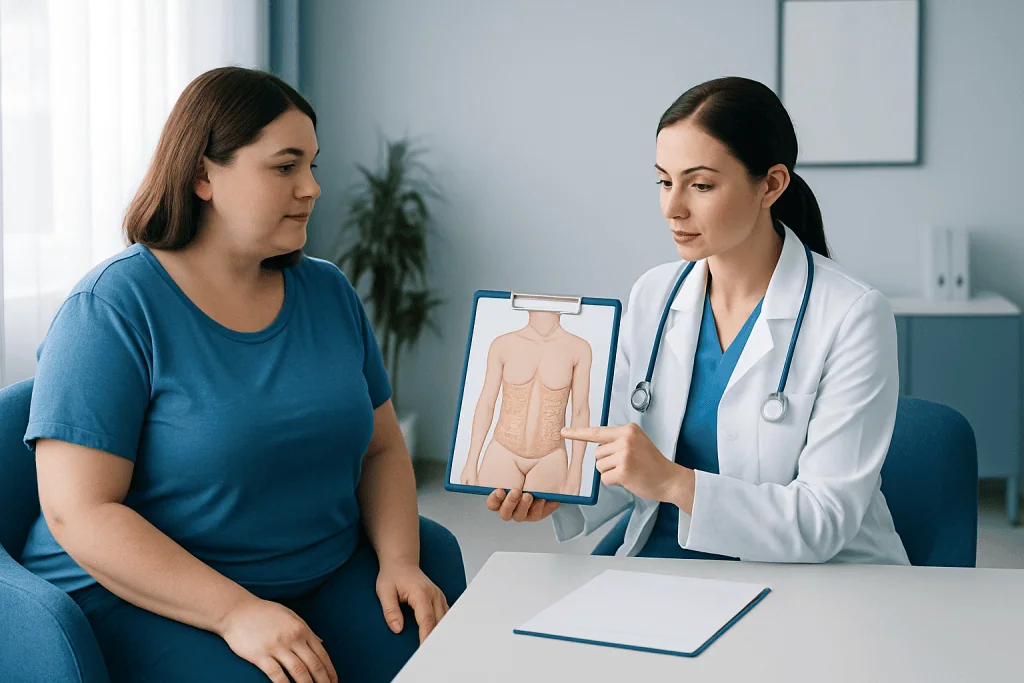
Before surgery, the treatment plan is personalized to the patient’s anatomy and goals. The surgeon marks the areas to be treated and reviews expected changes, scars, anesthesia, and recovery. Liposuction may be done under local anesthesia with sedation or under general anesthesia, depending on the number of areas treated and the complexity of the procedure.
In many cases, the surgeon first injects a sterile solution into the treatment area. This can help reduce bleeding and make fat removal more controlled. A cannula is then inserted through very small incisions to loosen and remove fat. Common approaches include tumescent liposuction, power-assisted liposuction, and ultrasound-assisted liposuction; each has specific advantages in particular settings.
The amount of fat removed is planned carefully with safety in mind. A conservative, balanced approach often gives the most natural result and lowers the chance of contour irregularities. In some patients, liposuction may be combined with another operation, such as breast reduction or skin-removal procedures, but combination surgery is not appropriate for everyone and requires individualized assessment.
Benefits, limitations, and expected results
The main benefit of liposuction is improved contour in areas where fat tends to persist. Many patients appreciate better clothing fit, increased body proportion, and a shape that more closely matches the effort they have already made with diet and exercise. Results are usually not immediate because swelling can last for weeks to months before final contours become clearer.
At the same time, liposuction has clear limitations. It does not create perfect symmetry, stop future weight gain, or guarantee a certain body shape. If a person gains weight after surgery, remaining fat cells in treated and untreated areas can still enlarge. Because of this, long-term results depend heavily on maintaining a stable weight and healthy habits.
Skin quality matters as much as fat quantity. If skin is significantly loose, the contour may not tighten as much as expected after fat removal alone. In those cases, a surgeon may discuss alternatives or additional procedures. Patients with concerns related to excess weight itself may need a broader plan that may include obesity care rather than relying on contouring surgery alone.
Risks and possible complications
Liposuction is generally safe when performed by experienced surgeons in appropriate patients, but it is still real surgery and carries important risks. Common short-term effects include swelling, bruising, soreness, numbness, temporary fluid drainage from the incision sites, and fatigue during recovery. These are expected to a degree and usually improve gradually.
Possible complications include bleeding, infection, seroma or fluid collection, contour irregularity, asymmetry, skin discoloration, persistent numbness, and unfavorable scarring. Less commonly, there can be deeper problems such as injury to underlying structures, blood clots, fat embolism, fluid imbalance, or anesthesia-related complications. The risk can increase when very large volumes are removed or when multiple procedures are combined.
One of the most important safety steps is open communication before surgery. Patients should tell the surgeon about all medications, supplements, and medical conditions, especially smoking, diabetes, clotting disorders, or a history of poor wound healing. Following preoperative and postoperative instructions carefully can reduce the chance of preventable complications.
Recovery and aftercare
Recovery after liposuction varies by the size of the treated area, the technique used, and the patient’s baseline health. Most people can expect swelling and bruising in the first days to weeks. Compression garments are commonly recommended to help control swelling and support the healing tissues. Mild to moderate discomfort is common, and pain control is planned in advance by the surgical team.
Walking is usually encouraged early to support circulation, but strenuous activity is generally limited for a period advised by the surgeon. Time away from work depends on the extent of surgery and the physical demands of the job. Some patients return to desk-based tasks relatively soon, while more extensive treatment may require a longer recovery.
It is normal for the treated areas to look uneven at first because swelling does not resolve uniformly. Final results may take several months to settle. Follow-up visits are important so the surgical team can monitor healing, address concerns, and advise when it is safe to resume exercise, travel, or other activities.
Patients who are considering surgery abroad often benefit from coordinated planning for travel, follow-up, and recovery. Near the end of the treatment pathway, some may choose centers such as Acibadem International, where multidisciplinary specialists in JCI-accredited hospitals evaluate and treat international patients with individualized surgical planning.
When to seek medical care
Anyone considering liposuction should seek medical advice before surgery to confirm whether it is appropriate for their goals and health status. A consultation is especially important if there is a history of heart disease, lung disease, diabetes, blood clots, bleeding disorders, or prior problems with anesthesia. Medical review also helps identify whether a different treatment may be a better fit.
After surgery, prompt medical attention is needed for symptoms that suggest a complication. These include increasing rather than improving pain, marked swelling on one side, fever, redness that spreads, foul-smelling drainage, shortness of breath, chest pain, severe dizziness, or calf pain and swelling. Although these problems are not common, they should not be ignored.
Patients should also contact their surgeon if they have concerns about wound healing, prolonged numbness, or a contour change that seems unusual during recovery. Early advice can be reassuring and, when needed, allow timely treatment. If emergency symptoms develop, urgent medical care is the safest course.
Long-term self-care and maintaining results
Long-term results after liposuction are closely linked to weight stability. While removed fat cells do not come back in the same way, the body can still store fat in remaining cells if weight increases. A practical maintenance plan includes balanced eating patterns, regular physical activity, adequate sleep, and attention to stress, all of which support overall metabolic health.
Patients often do best when they view liposuction as one part of a broader health plan rather than a standalone solution. Habits that support cardiovascular health, muscle strength, and mental well-being remain important after surgery. This perspective can help patients feel satisfied with both their appearance and their general health over time.
If body changes continue to be frustrating despite lifestyle efforts, further assessment may be helpful. Weight fluctuations, hormonal changes, and pregnancy can all affect shape after surgery. In selected cases, specialists may discuss whether non-surgical options, revision liposuction, or related procedures are appropriate based on current anatomy and goals.
Frequently asked questions
Is liposuction a weight-loss surgery?
No. Liposuction is mainly a body-contouring procedure for localized fat deposits, not a treatment for obesity or a substitute for healthy lifestyle changes. People who are close to a stable weight usually see the most predictable contouring results.
Which body areas can be treated with liposuction?
Common treatment areas include the abdomen, waist, hips, thighs, buttocks, arms, back, chest, and under the chin. The best areas depend on the person’s anatomy, skin quality, and goals. A surgeon can explain whether the concern is mostly excess fat, loose skin, or a combination of both.
How long does liposuction recovery take?
Initial recovery often takes days to a few weeks, but swelling can continue to improve over several months. Many people return to light daily activities relatively soon, while exercise and more demanding tasks usually need to wait until the surgeon advises it is safe. Final contour results are gradual rather than immediate.
Will the fat come back after liposuction?
Fat removed during liposuction is permanently taken out from the treated area. However, remaining fat cells in treated or untreated areas can still enlarge if a person gains weight. Maintaining a stable weight helps preserve the result over time.
Does liposuction remove cellulite or loose skin?
Not usually. Liposuction removes fat, but it does not directly treat cellulite, stretch marks, or significant skin laxity. If loose skin is a main issue, another procedure may be more suitable.
What are the main risks of liposuction?
Possible risks include infection, bleeding, uneven contour, fluid collection, numbness, scarring, and anesthesia-related complications. Rare but serious problems such as blood clots or fat embolism can occur. Careful patient selection, an experienced surgeon, and close follow-up are important for safety.
References
- American Society of Plastic Surgeons
- American Board of Plastic Surgery
- National Health Service
- Mayo Clinic
- U.S. Food and Drug Administration
This article is for general information only and is not a substitute for professional medical advice. Please consult a qualified doctor about your individual situation.
Medical weight-loss options in Turkey — costs & eligibility
JCI-accredited · board-certified surgeons · reply within 24h
Add us as a Preferred Source to see more of our trusted health content across Google Search, AI Overviews and Discover.