Warm Compress: A Complete Medical Overview

A warm compress increases local blood flow and may ease muscle tension, joint stiffness, and discomfort. It is often used for muscle aches, menstrual cramps, eyelid irritation, and some minor skin problems.
Key Takeaways
- A warm compress increases local blood flow and may ease muscle tension, joint stiffness, and discomfort.
- It is often used for muscle aches, menstrual cramps, eyelid irritation, and some minor skin problems.
- Heat should not be used on fresh injuries, significant swelling, numb skin, or suspected serious infection without medical advice.
- A warm compress should feel comfortably warm, not hot, and is usually applied for short periods.
- Medical care is important if symptoms are severe, worsening, recurrent, or accompanied by fever, spreading redness, or injury.
A warm compress is a simple form of heat therapy that can help relieve pain, reduce stiffness, and improve comfort for some common conditions. Used correctly, it is a helpful home measure, but it is not right for every symptom and should be avoided in certain situations.
Overview: What a Warm Compress Does
A warm compress is a clean cloth, pad, or pack warmed to a comfortable temperature and placed on part of the body for a short time. It is a form of heat therapy used to relax tissues, support circulation in the area, and ease common symptoms such as soreness, stiffness, or cramping. For many people, it is an easy home-care measure that can improve comfort.
The main effect of a warm compress is gentle heat. Heat tends to widen small blood vessels, which can increase blood flow to the skin and underlying tissues. This may help muscles loosen, make movement feel easier, and reduce the feeling of tightness. In some cases, warmth can also help natural drainage from small blocked glands, such as along the eyelid.
Even though it is simple, a warm compress is not a one-size-fits-all remedy. It is most helpful for certain types of pain or irritation, but it may worsen symptoms in others, especially in the first day or two after a new injury. Knowing when to use warmth, when to avoid it, and when to seek medical attention is the safest approach.
Common Uses and Potential Benefits
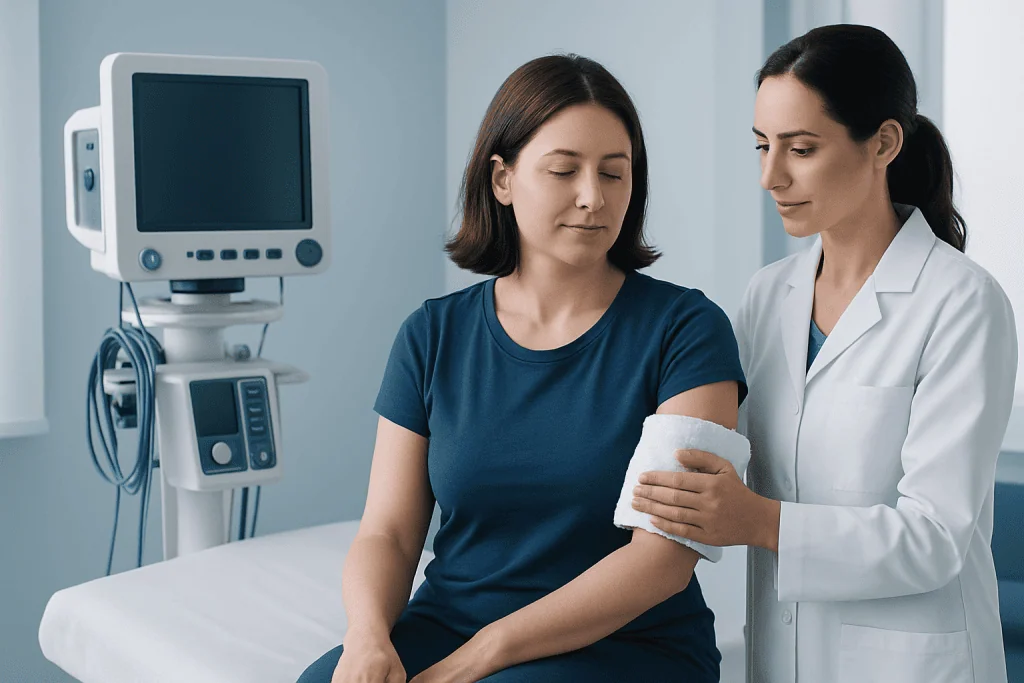
A warm compress is commonly used for muscle tension, back or neck tightness, and stiffness around joints. Heat may help the surrounding muscles relax, which can make stretching and ordinary movement more comfortable. People also often use it for menstrual cramps, where warmth across the lower abdomen may provide temporary relief.
Warmth may also be useful for certain eye and skin concerns. For example, a warm compress can help soften crusting around the eyelids and may support drainage in conditions such as a stye or some forms of eyelid gland blockage. On the skin, it is sometimes used to soothe discomfort from a small, localized area of irritation, but any sign of spreading infection should be assessed by a doctor.
Some people use heat for chronic pain conditions, including osteoarthritis or persistent muscle soreness after overuse. In these situations, warmth may reduce stiffness and improve function, especially before gentle activity. When symptoms are linked to an underlying medical condition such as arthritis, a doctor can help decide whether home heat therapy is appropriate as part of a broader care plan.
- Muscle aches and spasm
- Neck or shoulder tension
- Joint stiffness
- Menstrual cramps
- Stye or mild eyelid gland blockage
- Comfort before stretching or rehabilitation exercises
When a Warm Compress May Help Most

Warm compresses are usually most helpful when the main problem is stiffness, tightness, or slow-to-resolve discomfort rather than a brand-new injury. Heat is often preferred for chronic or recurring symptoms, especially when a person feels “locked up” or finds that movement improves after the area loosens. For example, someone with morning stiffness in the neck or lower back may find gentle heat helpful before normal daily activity.
Warmth can also be useful when pain is related to muscle guarding. This is when muscles tighten around a sore area and add to discomfort. By helping those muscles relax, heat may interrupt part of that cycle. In some recovery plans, clinicians combine heat with physical therapy, mobility work, or supportive treatment such as physical therapy and rehabilitation to improve comfort and function.
For menstrual cramps, a warm compress placed over the lower abdomen may offer non-drug symptom relief for some people. For eyelid care, a doctor may suggest a specific routine using a warm compress to loosen oils and secretions. However, persistent eye pain, vision changes, or significant swelling should not be managed at home alone and need medical evaluation.
When Not to Use Heat
Heat is not the right choice for every symptom. A warm compress is generally not recommended for a fresh injury in the first 24 to 48 hours, especially if there is new swelling, bruising, or inflammation. In these situations, heat may increase blood flow too early and make swelling feel worse. A cold compress is often preferred right after minor strains or sprains.
Heat should also be avoided on skin that is numb or has reduced sensation, because the person may not realize the compress is too hot and could develop a burn. This can be especially important for people with nerve damage, diabetes, poor circulation, or conditions that affect skin sensitivity. Open wounds, active bleeding, and areas with severe swelling should also not be treated with home heat unless a clinician advises it.
If an area is very red, hot, tender, or associated with fever, the problem could be a significant infection rather than simple irritation. A warm compress may sometimes be suggested by a doctor for a small localized issue, but spreading redness, worsening pain, or pus should prompt proper assessment. People with unexplained pain, a recent surgery, or chronic conditions affecting circulation should ask a healthcare professional before using repeated heat therapy.
How to Use a Warm Compress Safely
The safest warm compress is one that feels comfortably warm, never hot. A clean washcloth soaked in warm water, a reusable warm pack, or a commercially made heat pack can be used, as long as it is wrapped if needed and checked against the skin first. The skin should be clean and dry, and the person should remain alert during use rather than falling asleep with the heat in place.
In general, short sessions are best. Many people use a warm compress for about 10 to 20 minutes at a time, then remove it and let the skin return to normal temperature before repeating if needed. The compress can be rewarmed as necessary, but the skin should be inspected for excess redness, discomfort, or signs of irritation. If it feels too hot, it should be removed right away.
Different body areas require slightly different care. Around the eyes, the compress should be very gentle, clean, and not dripping. On joints or muscles, it can be followed by light range-of-motion exercises if this has been recommended. If symptoms keep returning or interfere with daily life, broader assessment may be needed, including imaging or specialist review through services such as diagnostic imaging when appropriate.
- Use a clean cloth or approved heat pack
- Keep the temperature comfortably warm, not hot
- Apply for short periods rather than prolonged sessions
- Do not sleep with a warm compress in place
- Stop if the skin becomes painful, very red, or irritated
Warm Compress vs. Cold Compress
People often wonder whether to use warmth or cold. A simple way to think about it is that cold is commonly used for fresh injuries, swelling, and sudden inflammation, while warmth is more often used for stiffness, muscle tightness, and lingering discomfort. Cold can help numb pain and limit swelling, whereas heat helps relax tissue and improve circulation.
This distinction is helpful, but it is not absolute. Some conditions may respond to either method at different times. For example, after a minor strain, cold may be more suitable at first, and warmth may feel better later once swelling settles and stiffness becomes the bigger problem. In chronic joint or soft-tissue pain, some people also benefit from alternating heat and cold based on symptoms and medical advice.
If a person is uncertain which approach fits their problem, especially after an injury, it is reasonable to ask a doctor or physiotherapist. Persistent swelling, inability to bear weight, deformity, or severe pain may point to a more significant problem that should not be managed only with home compresses.
When to Seek Medical Care
A warm compress can support comfort, but it should not delay medical care when symptoms suggest a more serious issue. A doctor should be consulted if pain is severe, keeps returning, limits daily activities, or does not improve with simple self-care. New joint swelling, major restriction of movement, or symptoms after a fall or sports injury also deserve assessment.
Medical attention is especially important if there is fever, spreading redness, increasing warmth, pus, or a rapidly enlarging lump, because these may point to infection or another condition that needs treatment. Eye symptoms such as vision changes, marked light sensitivity, or significant eyelid swelling should be evaluated promptly. Chest pain, shortness of breath, or sudden weakness are urgent symptoms and should not be treated with home heat.
When pain or stiffness is related to a longer-term musculoskeletal problem, structured care may be needed beyond home measures, including orthopedic rehabilitation or specialist review. Near the end of the care pathway, international patients may also choose centers such as Acibadem International, where multidisciplinary specialists in JCI-accredited hospitals evaluate and treat a wide range of conditions.
Frequently asked questions
What is a warm compress used for?
A warm compress is used to provide gentle heat to an area of the body. It may help ease muscle tension, joint stiffness, menstrual cramps, and some eyelid problems such as a stye. It is mainly a comfort measure and does not replace medical treatment when symptoms are severe or persistent.
How long should a warm compress stay on?
Many people use a warm compress for about 10 to 20 minutes at a time. The exact timing can vary by body area and the reason for use, but long sessions are usually unnecessary. The skin should be checked during and after use to make sure it is not becoming irritated.
Can a warm compress reduce swelling?
A warm compress is not usually the first choice for new swelling after a recent injury. Heat can increase blood flow and may make fresh swelling feel worse in the early stage. For new injuries, cold is often preferred first, while warmth may be more useful later if stiffness becomes the main symptom.
Is a warm compress safe for the eyes?
It can be safe for certain minor eyelid conditions if used carefully and gently. The cloth should be clean, only comfortably warm, and not hot. Eye pain, vision changes, or worsening swelling should be evaluated by a doctor rather than treated at home alone.
Can a warm compress help a skin lump or boil?
Sometimes doctors recommend gentle warmth for a small, localized skin problem to support comfort and natural drainage. However, it should not be squeezed, and heat should not replace medical care if there is fever, spreading redness, severe pain, or pus. A clinician should assess any worsening or recurrent skin infection.
Who should be careful using a warm compress?
People with reduced skin sensation, poor circulation, diabetes-related nerve problems, or very fragile skin should use extra caution. They may be at higher risk of burns without noticing excessive heat. If there is any uncertainty, it is safest to ask a healthcare professional before using heat therapy regularly.
References
- Mayo Clinic
- MedlinePlus
- National Health Service
- American Academy of Ophthalmology
- National Institute of Arthritis and Musculoskeletal and Skin Diseases
This article is for general information only and is not a substitute for professional medical advice. Please consult a qualified doctor about your individual situation.
Explore treatments in Turkey — costs, top hospitals & a free quote
JCI-accredited · board-certified surgeons · reply within 24h
Add us as a Preferred Source to see more of our trusted health content across Google Search, AI Overviews and Discover.

More from the Health Library



Related Specialists

Fzt. Nursena Altınkaya
Physical Medicine & Rehabilitation
Assoc. Prof. Dr. Gürbüz Görümlü
Medical Oncology
Dyt. Eylül Çarpar
Nutrition & Diet
Assoc. Prof. Dr. Ahmet Ifran
Hematology