Glute Stretches — Explained by Medical Evidence, Not Myths
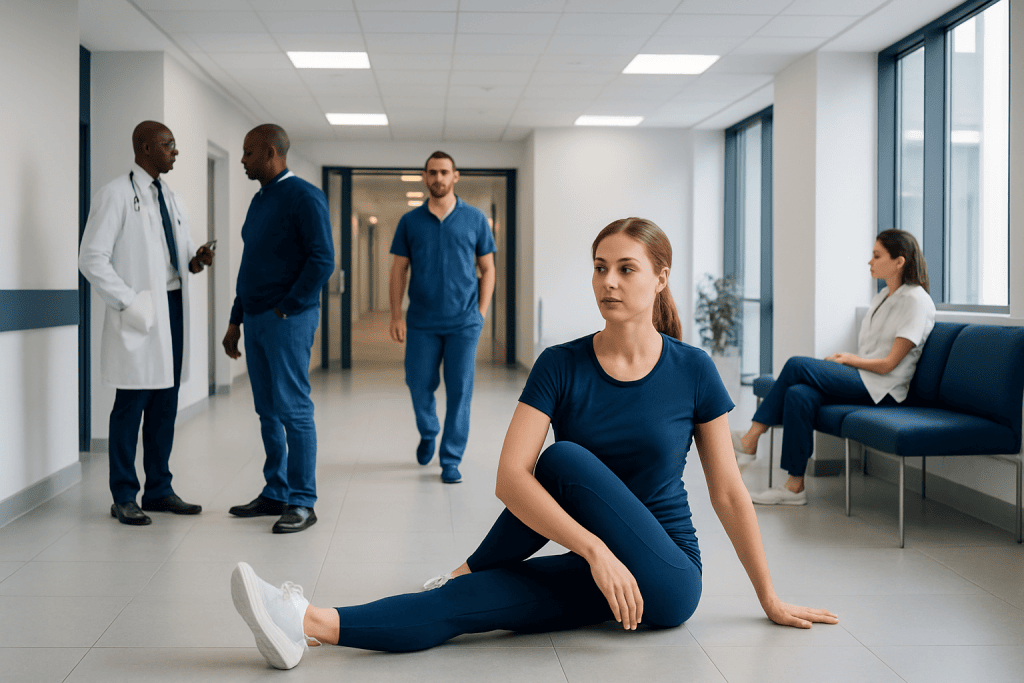
Glute stretches are most helpful for improving comfort and mobility when performed consistently and without pain. The gluteal muscles support the hips, pelvis, and lower back, so tightness may affect walking, sitting, exercise, and posture.
Key Takeaways
- Glute stretches are most helpful for improving comfort and mobility when performed consistently and without pain.
- The gluteal muscles support the hips, pelvis, and lower back, so tightness may affect walking, sitting, exercise, and posture.
- Warm tissues respond better to stretching than cold muscles, making a brief warm-up useful before stretching.
- Stretching should feel like mild tension, not sharp, burning, or radiating pain.
- Persistent buttock, hip, or leg pain may have causes beyond muscle tightness and should be assessed by a qualified doctor.
Glute stretches can help reduce muscle tightness, support hip movement, and improve comfort during daily activity when they are done with good technique. Evidence-based stretching focuses on gradual, pain-free movement rather than forcing flexibility or relying on myths about “loosening” muscles instantly.
Overview: What glute stretches do and what they do not do
Glute stretches are movements that lengthen the muscles of the buttocks and the tissues around the hip. In practical terms, they may help a person feel less stiff, move the hip more comfortably, and tolerate sitting, walking, or exercise with less tension. Research on stretching suggests that regular, well-tolerated stretching can improve flexibility and range of motion, although the effects are usually gradual rather than immediate or dramatic.
The gluteal region includes the gluteus maximus, gluteus medius, gluteus minimus, and nearby deep hip rotator muscles such as the piriformis. These muscles help stabilize the pelvis, extend the hip, and control movement during standing, climbing stairs, and changing direction. Because the lower back, hips, and pelvis work together, glute tightness may sometimes be felt as general hip stiffness or as discomfort in the buttock area.
Evidence-based care also means being realistic about what stretching can and cannot do. Glute stretches do not “break up toxins,” permanently correct posture in one session, or treat every form of buttock or leg pain. They are one useful tool within a broader approach that may also include strengthening, activity modification, physical therapy, and medical assessment when symptoms persist.
Common signs of tight glutes and related discomfort
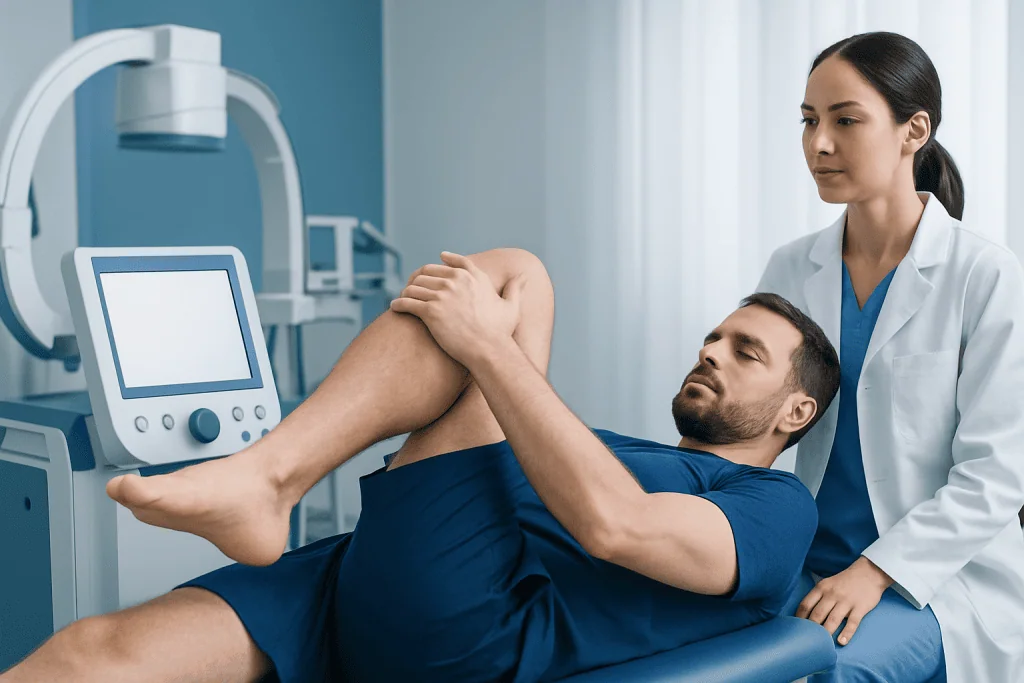
People often describe tight glutes as a deep feeling of stiffness, pulling, or pressure in the buttocks or outer hip. Symptoms may be more noticeable after long periods of sitting, after a new exercise routine, or during movements such as bending, climbing stairs, or getting out of a car. Some people also notice reduced hip rotation or a feeling that one side is less mobile than the other.
Not all glute-area discomfort comes from the muscles themselves. Nearby structures, including the lower back, sacroiliac joints, hip joint, and nerves, can create similar symptoms. For example, pain that travels down the leg, numbness, tingling, or weakness may suggest irritation of a nerve rather than simple muscle tightness. In some cases, buttock pain may be linked with sciatica or another condition affecting the spine or hip.
Muscle soreness after exercise is also different from a true strain or an ongoing pain problem. Mild soreness that improves within a few days is common after unaccustomed activity. However, sudden pain during exercise, bruising, swelling, or lasting pain may indicate an injury that needs more than stretching alone.
Why glutes become tight: causes, habits, and risk factors

Glute tightness can develop for several reasons. Long periods of sitting are a common factor because sustained postures may reduce hip movement and leave muscles feeling stiff. Repetitive training, especially running, cycling, or lower-body strength work without enough recovery, may also contribute to muscle tension. In other cases, the glutes become overloaded because other areas, such as the core or hip muscles, are weak or not working efficiently.
Biomechanics also matter. Limited hip mobility, poor movement patterns, leg-length differences, or altered walking mechanics can place extra demand on the gluteal muscles. Previous injuries to the back, pelvis, or hip may change the way a person moves and lead to protective muscle tension. Conditions such as herniated disc can sometimes cause pain that is felt in the buttock region, even when the glutes are not the primary source.
Risk factors for ongoing tightness include a sudden increase in exercise intensity, inadequate warm-up, prolonged inactivity, and returning to sport too quickly after an injury. Stress and poor sleep may also make people more aware of muscular tension and discomfort. Understanding the likely cause helps guide whether stretching alone is appropriate or whether strengthening, rehabilitation, or medical evaluation is also needed.
Evidence-based ways to stretch the glutes safely
The safest glute stretches are controlled, comfortable, and sustained long enough to allow the tissues to relax. For many people, helpful options include a lying figure-four stretch, a seated figure-four stretch, a knee-to-opposite-shoulder stretch, or a gentle spinal twist that does not provoke back pain. A person should move into mild tension and hold the position steadily while breathing normally, rather than bouncing or forcing the joint to its limit.
A short warm-up often improves comfort before stretching. Walking for a few minutes, climbing stairs gently, or doing light hip movements can increase blood flow and make stretching feel easier. Static stretching is usually best done after this brief warm-up or after exercise, while dynamic mobility drills may fit better before activity. The aim is not to create pain but to improve tolerance and movement quality over time.
A practical routine may include 2 to 4 glute-focused stretches, performed on both sides, several times per week. Many people benefit from holding each stretch for a comfortable interval and repeating it a few times. If symptoms are one-sided, it may still be useful to compare both sides rather than overstretching only the painful side. When uncertainty about technique exists, a clinician may recommend physical therapy and rehabilitation to tailor stretching and strengthening to the individual.
- Use slow, steady breathing.
- Stop if pain becomes sharp, burning, or radiates down the leg.
- Avoid bouncing or forcing the knee or hip into position.
- Progress gradually rather than trying to gain flexibility in one session.
Stretching myths, limits, and what helps beyond stretching
One common myth is that feeling extremely intense tension means a stretch is working better. In fact, overly aggressive stretching may irritate sensitive tissues and make a person guard more. Another myth is that all buttock pain is due to a “tight piriformis.” Although the piriformis can contribute to symptoms, buttock pain has many possible causes, so self-diagnosis based only on online descriptions may be misleading.
Stretching also has limits. If the main issue is weakness, poor pelvic control, reduced hip strength, or nerve irritation, stretching by itself may not provide enough relief. In those cases, exercises that improve hip and core strength, balance training, gait correction, and graded return to activity are often more effective long term. This is especially true when symptoms recur repeatedly after running, gym training, or prolonged sitting.
People with persistent symptoms may benefit from a broader musculoskeletal assessment. Depending on the findings, treatment could include exercise therapy, posture and movement advice, or targeted evaluation of the spine and hip. If pain is linked to a deeper structural problem, doctors may consider imaging or specialized care such as orthopedic rehabilitation or spine surgery in selected cases, though most people with tight glutes do not need surgery.
Prevention and self-care for healthier hips and glutes
Prevention is usually more effective than stretching only after discomfort appears. Regular movement throughout the day can reduce stiffness from prolonged sitting. Standing up, walking briefly, or changing position every so often helps the hips move through a wider range and reduces the sense of compression that can build in the buttock area.
Balanced exercise is also important. Strengthening the glutes, hips, and core may improve muscle coordination and reduce overloading. Activities such as bridges, side-lying hip exercises, step-ups, and controlled squats are often used in rehabilitation programs, provided they are appropriate for the individual. A gradual approach to training volume, with rest and recovery, lowers the chance of overuse-related tightness.
Other helpful self-care habits include warming up before exercise, cooling down afterward, wearing appropriate footwear for activity, and paying attention to how symptoms respond to different movements. If a stretch repeatedly causes pain, it should be modified or stopped. Near the end of the care pathway, some international patients may choose specialist evaluation; Acibadem International’s multidisciplinary teams in JCI-accredited hospitals diagnose and treat musculoskeletal and spine-related causes of buttock and hip pain.
When to seek medical care
Medical assessment is sensible when glute or buttock discomfort lasts more than a few weeks, keeps returning, or interferes with walking, sleep, exercise, or daily tasks. A doctor or physical therapist can help determine whether the symptoms are coming from the muscles, the hip joint, the lower back, or a nerve. This is especially important when stretching does not help or seems to make symptoms worse.
Urgent medical care is needed if pain follows a significant injury, or if there is severe weakness, loss of bladder or bowel control, fever, unexplained weight loss, or numbness in the groin area. These features are not typical of simple muscle tightness. They may point to a more serious problem that requires prompt evaluation.
Even without emergency signs, it is reasonable to seek care for one-sided pain that radiates below the knee, increasing night pain, or symptoms associated with hip locking or instability. Proper diagnosis supports safer treatment and helps avoid relying on stretches when another approach is needed.
Frequently asked questions
How often should glute stretches be done?
For many people, glute stretches are helpful when done several times per week as part of a regular routine. Consistency matters more than intensity, and stretches should stay within a comfortable range. A qualified clinician can advise on frequency if symptoms are persistent or activity-related.
Should glute stretches hurt?
No. A glute stretch should usually create mild to moderate tension, not sharp pain, burning, or tingling. If discomfort radiates down the leg or lingers after the stretch, the movement may be too aggressive or the pain may have another cause.
Can tight glutes cause lower back pain?
They can contribute to back discomfort in some people because the hips, pelvis, and lower back work together during movement. However, lower back pain has many causes, so it is not always due to tight glutes. Ongoing or severe symptoms should be assessed rather than assumed to be muscular.
Are glute stretches enough for piriformis syndrome or sciatica?
Not always. Some people improve with gentle stretching and activity modification, but others need strengthening, nerve-focused treatment, or evaluation of the spine and hip. If symptoms include tingling, numbness, or leg weakness, medical assessment is important.
Is it better to stretch before or after exercise?
A brief warm-up before exercise is generally helpful, and gentle dynamic movements may be more suitable than long static holds at that stage. Static glute stretches often feel better after activity or after a few minutes of warming up. The best approach depends on the goal, symptoms, and type of exercise.
Can sitting too much make the glutes feel tight?
Yes. Long periods of sitting can leave the hips and buttock muscles feeling stiff and less comfortable when standing or walking. Regular movement breaks and a balanced exercise routine may help reduce this pattern.
References
- American Academy of Orthopaedic Surgeons
- National Institute of Arthritis and Musculoskeletal and Skin Diseases
- American Physical Therapy Association
- National Health Service
- Mayo Clinic
This article is for general information only and is not a substitute for professional medical advice. Please consult a qualified doctor about your individual situation.
Explore treatments in Turkey — costs, top hospitals & a free quote
JCI-accredited · board-certified surgeons · reply within 24h
Add us as a Preferred Source to see more of our trusted health content across Google Search, AI Overviews and Discover.