Jp Drain — Explained by Medical Evidence, Not Myths

A jp drain helps remove fluid from a surgical area using gentle suction. It is commonly used for a short time after operations where fluid may collect.
Key Takeaways
- A jp drain helps remove fluid from a surgical area using gentle suction.
- It is commonly used for a short time after operations where fluid may collect.
- Good jp drain care includes emptying, measuring output, keeping the site clean, and watching for changes.
- Drain removal usually depends on how much fluid is coming out and how healing is progressing.
- Increasing pain, fever, redness, foul-smelling drainage, or a drain that stops working should be reported to a doctor.
A jp drain is a small closed-suction device used after some surgeries to remove blood, lymph, or other fluid from the body while tissues heal. It can help reduce fluid buildup and support recovery, but it needs careful monitoring, regular emptying, and prompt medical review if problems appear.
Overview: what a JP drain is and why it is used
A jp drain, also called a Jackson-Pratt drain, is a soft tube connected to a small bulb that creates gentle suction. Doctors place it during or after certain operations to remove fluid that can collect in the body, such as blood, lymph, or inflammatory fluid. By moving this fluid out of the surgical area, the drain may help reduce swelling, improve comfort, and lower the chance of fluid collections that can delay healing.
The bulb works by being squeezed flat and then sealed, which creates negative pressure. That suction draws fluid through the tubing into the bulb. Because the system is closed, it is generally cleaner and more controlled than open drainage methods. Patients are often asked to empty the bulb regularly and record how much fluid comes out each day.
A jp drain is not a sign that something has gone wrong. In many cases, it is placed as a planned part of surgery when the surgeon expects temporary fluid buildup. It is commonly used after breast surgery, abdominal procedures, some plastic and reconstructive operations, and other surgeries where tissue spaces can fill with fluid. After procedures such as breast cancer treatment or abdominoplasty, a drain may be part of standard aftercare.
How a JP drain works in the body
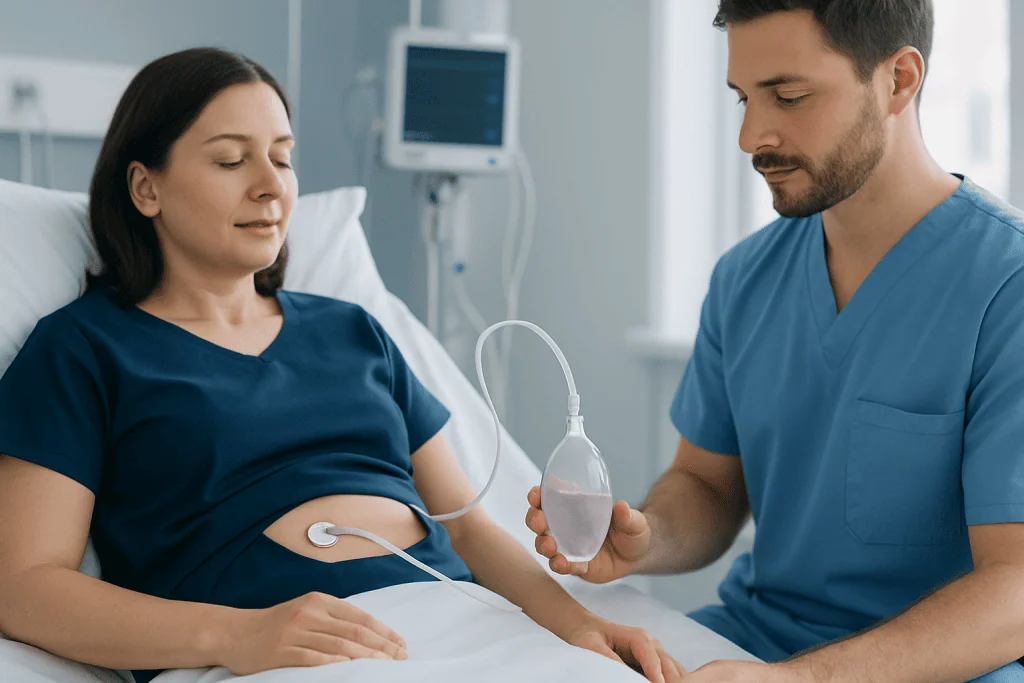
After surgery, the body naturally sends fluid to the healing area. This is part of inflammation and repair, but too much fluid in one space can create pressure, slow tissue sealing, or form a pocket called a seroma. A jp drain helps remove that excess fluid until the body no longer needs assistance.
The drain has two main parts: a flexible internal tube and an external bulb reservoir. Small holes in the part of the tube inside the body allow fluid to enter. The bulb collects the fluid, and the amount, color, and thickness of that fluid can offer useful information about recovery. Healthcare teams often ask patients to track these details because trends over time matter.
Drainage often changes as healing progresses. At first, it may look bright red from blood, then gradually become pink, light red, or straw-colored. A slow decline in output is usually expected, although the exact pattern varies by surgery type and by individual healing. The surgical team decides when the drain is no longer needed based on output and the overall condition of the wound.
When a JP drain may be needed

Not every surgery requires a drain. Surgeons use them selectively when they believe fluid collection is likely or when a drained space needs temporary support while tissues close together. The decision depends on the operation, the amount of tissue handled, bleeding risk, and the surgeon’s technique.
Common situations include breast surgery, lymph node surgery, abdominal operations, reconstructive procedures, and some orthopedic or soft-tissue surgeries. A drain may also be used after treatment related to conditions such as breast cancer or after surgery for hernia. In plastic surgery, it may follow operations that create a larger tissue space, including breast reconstruction.
Certain patient factors can also increase the chance of postoperative fluid buildup. These may include extensive surgery, obesity, previous surgery in the same area, bleeding tendencies, or operations involving lymphatic tissue. Even then, drain use is individualized. Some surgeons prefer drains more often than others, while some use alternative techniques to reduce fluid accumulation.
- Breast and underarm procedures
- Abdominal wall and reconstructive surgery
- Operations involving large tissue spaces
- Surgeries with expected lymphatic drainage
- Cases where monitoring fluid output can guide recovery
JP drain care at home
Good jp drain care is an important part of recovery. Patients are usually taught how to empty the bulb, restore suction, and record the drainage amount before leaving the hospital. Hands should be cleaned before and after handling the drain. The bulb is opened, the fluid is emptied into a measuring container if advised, the amount is recorded, and the bulb is squeezed flat again before closing the cap so suction returns.
The tubing should not be kinked, pulled, or allowed to dangle freely. Many people pin the bulb to clothing to reduce tension on the skin. The insertion site and dressing should be kept clean and dry according to the surgeon’s instructions. If showering is allowed, patients should follow the specific guidance they were given, because timing and wound care can vary by procedure.
It is also helpful to watch the character of the drainage. Some variation is expected, but sudden changes can matter. Thick pus-like fluid, a strong bad odor, an abrupt rise in output, or no output despite obvious swelling may suggest a problem. Any uncertainty should be discussed with the healthcare team rather than managed by guesswork at home.
- Empty and measure the bulb as instructed
- Write down the date, time, and amount of drainage
- Keep the bulb compressed to maintain suction
- Avoid tugging, twisting, or sleeping on the tubing
- Check the skin for redness, warmth, or leakage
Drain removal, comfort, and possible complications
JP drain removal is usually a quick clinic procedure. It often takes place when drainage has decreased to a level the surgeon considers low enough, although the exact threshold differs by operation. The stitch holding the drain may be removed first, then the tube is gently withdrawn. Patients may feel pressure, a pulling sensation, or brief discomfort, but it is usually short-lived.
Some mild soreness or a small amount of fluid leakage from the site can happen after removal. The team may cover the area with a dressing and provide guidance about bathing and activity. Many people notice that movement becomes easier once the drain is out, especially if the tube had been pulling or catching on clothing.
As with any medical device, complications are possible but not inevitable. The main concerns include infection, blockage, loss of suction, accidental dislodgement, skin irritation, bleeding, and fluid collection after removal. In some patients, a seroma or hematoma can still develop even when a drain has been used. Ongoing follow-up helps the team detect and manage these problems early.
Persistent swelling, increasing firmness, or new pain near the surgical site may mean fluid is building up. If needed, a doctor may examine the area and sometimes use imaging or needle drainage to evaluate it further. Treatment depends on the cause and on the type of surgery performed.
What is normal and what is not
Patients often worry about whether their drain is behaving normally. In general, some bloody or pink drainage in the early days after surgery is expected, and the amount often slowly decreases. Mild tenderness around the insertion site can also be normal, especially with movement. The bulb should stay compressed when it is working properly.
What is not normal is just as important to know. Fever, worsening pain, spreading redness, increasing warmth, foul smell, cloudy yellow-green drainage, or sudden swelling near the wound can point to infection or a fluid collection. A drain that falls out, stops holding suction, cracks, or stops draining despite obvious swelling should also be reported promptly.
Patients should not try to flush, shorten, reposition, or remove a jp drain unless they have been specifically instructed to do so by a qualified clinician. Home fixes can damage the system or introduce infection. When there is doubt, contacting the surgeon’s office is safer than waiting.
When to seek medical care
Medical advice should be sought if symptoms suggest the drain is not functioning well or if the surgical site appears to be worsening rather than healing. Early review can often prevent a small issue from becoming a larger one. Patients should follow the discharge instructions they received, including who to call during office hours and after hours.
Urgent medical attention is generally needed for fever, shaking chills, rapidly increasing redness, severe pain, heavy bleeding, shortness of breath, or sudden swelling around the surgical area. It is also important to call if the drain is accidentally pulled out, if the bulb will not stay compressed, or if drainage becomes thick, foul-smelling, or dramatically different from before.
If follow-up care is needed, assessment may involve a physical examination and, in some cases, imaging or wound evaluation. At Acibadem International, multidisciplinary specialists in JCI-accredited hospitals diagnose and manage postoperative issues for international patients, including concerns related to surgical drains.
Frequently asked questions
What does a jp drain do?
A jp drain removes fluid from a surgical area using gentle suction created by a small bulb. This can help prevent fluid buildup, reduce pressure on tissues, and support healing after some operations.
How long does a jp drain usually stay in?
The timing varies depending on the type of surgery and how much fluid is still draining. Many drains stay in place for several days to a couple of weeks, but the surgeon decides based on output and healing rather than a fixed schedule.
Is jp drain removal painful?
Removal is usually brief and may cause a pulling sensation, pressure, or mild short-term discomfort. Many patients find it more uncomfortable than painful, and the feeling generally passes quickly.
What color should jp drain fluid be?
Early drainage is often red or pink, then may become lighter, clearer, or straw-colored as healing continues. However, cloudy fluid, pus-like drainage, or a strong odor should be reported to a doctor.
Can a jp drain get clogged?
Yes, a jp drain can sometimes become blocked by clotted blood, tissue debris, or a kink in the tubing. If the bulb is not filling, suction is lost, or swelling increases around the wound, the surgical team should be contacted.
Can someone shower with a jp drain?
Sometimes, but the answer depends on the surgery, the wound, and the surgeon's instructions. Some patients may shower after a certain point, while others need to wait longer or protect the area carefully.
References
- American College of Surgeons
- MedlinePlus
- National Cancer Institute
- Centers for Disease Control and Prevention
- Mayo Clinic
This article is for general information only and is not a substitute for professional medical advice. Please consult a qualified doctor about your individual situation.
Explore treatments in Turkey — costs, top hospitals & a free quote
JCI-accredited · board-certified surgeons · reply within 24h
Add us as a Preferred Source to see more of our trusted health content across Google Search, AI Overviews and Discover.