Psychosomatic — Explained by Medical Evidence, Not Myths

Psychosomatic symptoms are genuine physical experiences, not signs that a person is pretending or imagining illness. Stress, anxiety, depression, trauma, and ongoing emotional pressure can affect pain, digestion, sleep, heart rate, and other body functions.
Key Takeaways
- Psychosomatic symptoms are genuine physical experiences, not signs that a person is pretending or imagining illness.
- Stress, anxiety, depression, trauma, and ongoing emotional pressure can affect pain, digestion, sleep, heart rate, and other body functions.
- A medical evaluation is important to rule out other health conditions before symptoms are labeled psychosomatic.
- Treatment often works best when it addresses both physical symptoms and mental well-being.
- Lifestyle changes, psychological support, and medical follow-up can help many people improve significantly.
Psychosomatic refers to real physical symptoms that are influenced by psychological factors such as stress, anxiety, trauma, or emotional strain. It does not mean symptoms are imaginary; rather, it reflects the close connection between the brain, nervous system, hormones, and the rest of the body.
What psychosomatic means
Psychosomatic describes physical symptoms that are influenced, triggered, or worsened by psychological factors. In everyday language, it refers to the way stress, emotions, thoughts, and life experiences can affect the body. This is based on medical evidence about the brain-body connection, not on myths or the idea that symptoms are “all in the head.”
A person with psychosomatic symptoms may feel pain, fatigue, stomach upset, dizziness, chest discomfort, headaches, or other bodily symptoms that are very real. These symptoms can happen even when routine tests do not show a clear structural disease, or they may occur alongside a diagnosed medical condition and make it feel worse.
The nervous system, hormones, immune responses, muscle tension, sleep patterns, and breathing all help explain this connection. For example, stress can increase muscle tightness, raise heart rate, change digestion, and heighten how the brain processes pain signals. This is why emotional strain can show up in the body in a measurable and meaningful way.
How the brain and body interact
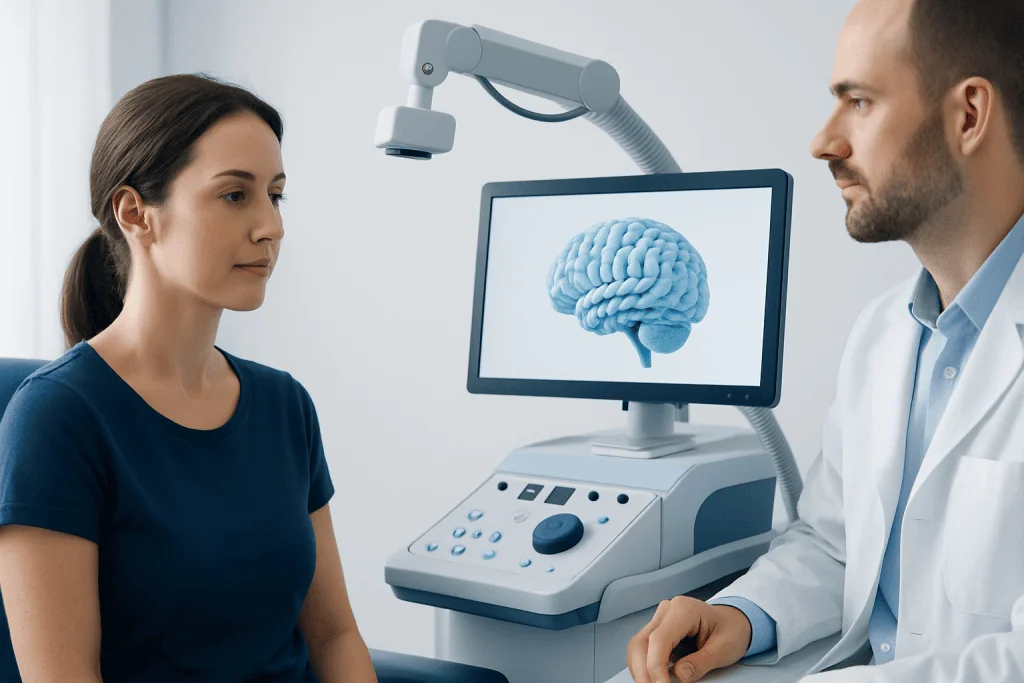
The body constantly responds to the brain’s interpretation of safety, stress, and emotion. When a person is under pressure, the autonomic nervous system and stress hormones prepare the body to react. This can be useful in the short term, but when stress becomes frequent or long-lasting, the body may remain in a state of increased alertness.
That state can lead to symptoms such as faster heartbeat, sweating, shallow breathing, digestive changes, jaw clenching, tense muscles, poor sleep, and increased sensitivity to discomfort. Over time, the brain can become more aware of normal body sensations and interpret them as more intense or distressing.
This does not mean a person is choosing the symptoms. It means the mind-body system is working in a way that amplifies physical distress. In some people, psychosomatic symptoms overlap with anxiety disorders or depression, while in others they may follow grief, trauma, burnout, or chronic life stress.
Modern medicine increasingly recognizes that physical and mental health are closely connected. A balanced approach looks for underlying disease, while also considering sleep, stress, emotional health, and social factors that may shape symptoms.
Common psychosomatic symptoms

Psychosomatic symptoms can affect many body systems. The pattern differs from person to person, and symptoms may come and go or flare up during stressful periods. Some people notice symptoms during work pressure, family conflict, grief, or major life changes, while others do not immediately connect symptoms to stress.
Common examples include pain, headaches, fatigue, digestive complaints, chest tightness, palpitations, shortness of breath, dizziness, tingling, and sleep problems. In some cases, symptoms may resemble other conditions, which is why medical assessment matters.
- Headaches or migraine-like pain
- Neck, back, or generalized muscle pain
- Stomach pain, nausea, bloating, diarrhea, or constipation
- Fatigue or low energy
- Chest discomfort or awareness of heartbeat
- Dizziness or a feeling of lightheadedness
- Trembling, sweating, or a “shaky” feeling
- Sleep disturbance or waking unrefreshed
Symptoms can also coexist with diagnosed medical conditions. For example, stress may worsen irritable bowel syndrome, tension headaches, chronic pain, or skin conditions. Recognizing the psychosomatic component can help guide treatment without dismissing the physical experience.
Causes and risk factors
There is rarely one single cause of psychosomatic symptoms. More often, they develop through a combination of biological, psychological, and social factors. A person’s stress response, past experiences, current health, coping style, sleep quality, and support system can all play a role.
Common contributing factors include ongoing stress, anxiety, depression, unresolved grief, trauma, burnout, relationship strain, work pressure, caregiving demands, financial worries, and poor sleep. Some people are also more sensitive to body sensations or more likely to focus on physical changes when under stress.
Having a chronic medical condition can increase the risk as well. Pain, fatigue, hormonal changes, and uncertainty about health can create a cycle in which symptoms increase worry, and worry in turn increases symptoms. This pattern is especially common in people with frequent headaches, digestive complaints, and chronic pain conditions.
Importantly, psychosomatic symptoms are not a sign of weakness or lack of self-control. They reflect how the body responds to strain. Understanding this can reduce stigma and help people seek appropriate care earlier rather than feeling dismissed or misunderstood.
How doctors diagnose psychosomatic symptoms
Diagnosis begins with listening carefully to the person’s symptoms, medical history, stressors, medications, sleep, and mental health. A doctor will usually ask when symptoms started, how often they occur, what makes them better or worse, and whether there are warning signs that suggest another illness.
The first goal is to rule out urgent or treatable medical causes. Depending on the symptoms, this may involve a physical examination, blood tests, heart tests, digestive evaluation, or MRI and other imaging studies when clinically appropriate. The purpose is not to prove symptoms are imaginary, but to understand the full picture safely and accurately.
Doctors may consider a psychosomatic or somatic symptom pattern when symptoms are persistent, strongly linked with stress or emotional strain, out of proportion to test findings, or associated with significant distress and repeated healthcare visits. Even then, the diagnosis should be made thoughtfully, because genuine medical illnesses and psychosomatic factors can exist at the same time.
In some cases, referral to specialists is helpful. This may include neurology for headaches or dizziness, gastroenterology for bowel symptoms, cardiology for palpitations, or mental health professionals for anxiety, depression, trauma, or stress-related symptoms. A multidisciplinary approach often provides the clearest answers.
Treatment: addressing both body and mind
Treatment works best when it validates the physical symptoms while also addressing the emotional and neurological factors that may be sustaining them. The goal is not to tell a person that nothing is wrong. Instead, it is to reduce symptom intensity, improve daily function, and break the stress-symptom cycle.
Depending on the symptom pattern, treatment may include education about the mind-body connection, regular follow-up with a doctor, sleep improvement, stress management, physical activity, physical therapy, and treatment for associated conditions such as anxiety or depression. Psychological therapies can be very effective, especially when symptoms are persistent or linked to trauma, worry, or avoidance behaviors.
Many people benefit from psychotherapy, especially cognitive behavioral therapy and other structured approaches that help reduce symptom-focused fear, improve coping, and regulate stress responses. If mood or anxiety disorders are present, a doctor may also discuss psychiatric evaluation and treatment as part of a broader care plan.
When symptoms relate to pain, headaches, or nervous system sensitivity, tailored rehabilitation and relaxation-based methods may help. Treatment is individualized. Near the end of the care pathway, some people may be assessed in specialized settings; Acibadem International’s multidisciplinary specialists and JCI-accredited hospitals diagnose and treat psychosomatic and related conditions for international patients.
Self-care and prevention
While not every psychosomatic symptom can be prevented, healthy routines can reduce the likelihood of flares and support recovery. Small, steady habits often work better than extreme changes. The aim is to calm the nervous system, improve resilience, and reduce physical stress on the body.
Useful strategies include maintaining a regular sleep schedule, eating balanced meals, staying hydrated, reducing excess caffeine or alcohol if they worsen symptoms, and building consistent physical activity into the week. Relaxation practices such as slow breathing, mindfulness, gentle stretching, or yoga may also help some people lower tension and improve body awareness.
- Notice links between stress and symptoms without blaming oneself
- Keep routines regular, especially sleep and meals
- Take breaks during periods of heavy mental load
- Limit repeated online symptom searching if it increases anxiety
- Stay socially connected and ask for support when needed
- Follow through with medical and mental health appointments
Keeping a symptom diary can also be helpful. Tracking sleep, stress, meals, activity, and symptom flares may reveal patterns that guide treatment. The goal is not to monitor every sensation, but to better understand triggers and recovery habits.
When to seek medical care
New, severe, or unexplained physical symptoms should always be assessed by a qualified doctor. It is especially important to seek prompt medical attention for chest pain, shortness of breath, fainting, sudden weakness, trouble speaking, severe headache, high fever, or signs of dehydration. These symptoms should not be assumed to be psychosomatic.
Medical care is also important if symptoms are persistent, keep returning, interfere with work or sleep, or cause significant worry. A person should seek help if they feel stuck in a cycle of physical discomfort and stress, or if symptoms are leading to repeated emergency visits without clear answers.
Support for emotional health matters too. If anxiety, low mood, panic attacks, trauma symptoms, or health-related fears are becoming overwhelming, professional help can make a meaningful difference. In some situations, evaluation for neurological assessment or other specialist care may be recommended based on the symptoms.
Early, coordinated care often leads to better symptom control and less frustration. Reassurance is most helpful when it comes with a clear plan, appropriate testing, and follow-up rather than simply being told that tests are normal.
Frequently asked questions
Does psychosomatic mean the symptoms are fake?
No. Psychosomatic symptoms are real physical symptoms that are influenced by psychological and neurological processes. The term does not mean a person is pretending, exaggerating, or imagining the problem.
Can stress really cause physical symptoms?
Yes. Stress can affect heart rate, breathing, digestion, sleep, muscle tension, and pain processing. This is why emotional strain can lead to headaches, stomach upset, chest tightness, fatigue, and many other body symptoms.
How is psychosomatic illness different from a medical disease?
A medical disease may show a clear structural, infectious, inflammatory, or biochemical cause on examination or testing. Psychosomatic symptoms are shaped more strongly by mind-body interactions, although they can also occur alongside a diagnosed disease. Both types of problems deserve proper medical attention.
What kind of doctor treats psychosomatic symptoms?
Primary care doctors often coordinate the first evaluation and decide whether specialist tests are needed. Depending on the symptoms, care may also involve neurology, gastroenterology, cardiology, pain medicine, psychology, or psychiatry. A team approach is often the most effective.
Can psychosomatic symptoms improve?
Yes, many people improve when the condition is recognized early and treated in a balanced way. Progress may involve reducing stress, improving sleep, treating anxiety or depression, and addressing physical symptoms directly. Improvement is often gradual rather than immediate.
Should a person still get tested if symptoms seem stress-related?
Yes. A doctor should first look for other possible medical causes, especially if symptoms are new, severe, or unusual. Once serious conditions are ruled out, treatment can focus more confidently on the psychosomatic component.
References
- World Health Organization
- National Institute of Mental Health
- American Psychiatric Association
- National Institute of Neurological Disorders and Stroke
- Cleveland Clinic
This article is for general information only and is not a substitute for professional medical advice. Please consult a qualified doctor about your individual situation.
Persistent digestive symptoms? Get evaluated in Turkey
JCI-accredited · board-certified surgeons · reply within 24h
Add us as a Preferred Source to see more of our trusted health content across Google Search, AI Overviews and Discover.
Check your numbers in seconds
BMI, calories, due date, blood pressure and 30+ more clinical calculators — free, instant, doctor-reviewed ranges.