Effacement: An Evidence-Based Guide for Patients

Effacement means the cervix becomes thinner and shorter in preparation for childbirth. It is usually described as a percentage, from 0% to 100% effaced.
Key Takeaways
- Effacement means the cervix becomes thinner and shorter in preparation for childbirth.
- It is usually described as a percentage, from 0% to 100% effaced.
- Effacement and dilation are different but related changes of the cervix during labor.
- Some people feel symptoms such as pelvic pressure, mucus discharge, or cramping, while others feel nothing specific.
- Only a qualified clinician can confirm effacement with an examination when needed.
- Regular contractions, bleeding, leaking fluid, or reduced fetal movement should prompt medical advice.
Effacement is the thinning and shortening of the cervix as the body prepares for labor. It is a normal part of late pregnancy and labor, and it is often discussed together with dilation because both help show how birth is progressing.
What effacement means
Effacement is the gradual thinning, softening, and shortening of the cervix before and during labor. The cervix is the lower, narrow part of the uterus that opens into the vagina. During most of pregnancy, it stays long and closed to help support the baby inside the uterus.
As birth approaches, hormonal changes and uterine activity help the cervix prepare for delivery. Instead of remaining thick and firm, it becomes softer and shorter. This change is called effacement, and it is one of the body’s normal ways of getting ready for labor.
Healthcare professionals often describe effacement as a percentage. A cervix that has not thinned is considered 0% effaced, while a cervix that has fully thinned out is 100% effaced. Effacement does not always happen in a predictable sequence, and the pace varies from person to person.
For many patients, understanding effacement can make labor discussions less confusing. It is not a disease or complication by itself. Rather, it is an expected physical change that may happen gradually over days or weeks, or more quickly once active labor begins.
Effacement vs. dilation
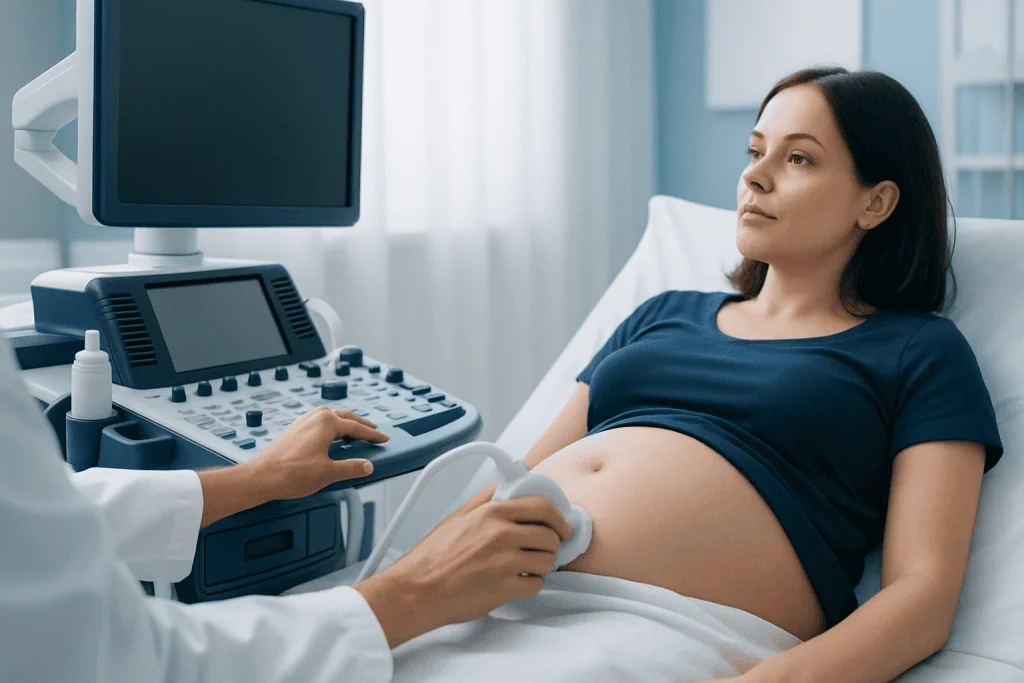
Effacement and dilation are related but not the same. Effacement refers to thinning and shortening of the cervix. Dilation refers to the opening of the cervix, measured in centimeters. Both are used to assess labor progress, but one does not always happen at the exact same rate as the other.
A person may be partly effaced without being very dilated, especially in late pregnancy before active labor starts. In other cases, both changes happen together. This is one reason labor can look different from one pregnancy to another, and even from one birth to the next in the same person.
Clinicians may describe the cervix using several features at once, including how soft it feels, how far it has dilated, whether it has effaced, and the baby’s position in the pelvis. Looking at all of these details together gives a clearer picture than focusing on a single number.
Patients who want more background on labor and pregnancy-related care may also read about pregnancy and clinician-guided normal delivery planning as part of overall birth preparation.
How effacement feels and possible signs

Effacement itself does not always cause a distinct sensation. Some people notice no clear symptoms at all, while others feel changes that suggest the body is preparing for labor. Because these signs are not specific, they cannot confirm effacement on their own.
Possible signs that may occur around the time effacement develops include increased pelvic pressure, lower back discomfort, period-like cramping, more frequent Braxton Hicks contractions, or a sensation that the baby has moved lower into the pelvis. Some people also notice increased vaginal discharge or loss of part of the mucus plug.
The most common experiences associated with cervical change may include:
- Pelvic heaviness or pressure
- Mild cramping or backache
- More regular uterine tightening
- Changes in vaginal discharge
- A small amount of blood-tinged mucus, sometimes called a bloody show
These symptoms can occur with normal late pregnancy changes and do not always mean labor is immediate. If symptoms become regular, intense, or concerning, it is best to contact a maternity care professional for advice based on gestational age and personal medical history.
What causes effacement and what affects it
Effacement is driven by normal biological changes that help prepare the cervix for birth. Hormones such as prostaglandins help soften cervical tissue, while uterine contractions and the baby’s downward pressure can help the cervix thin and shorten. This process may begin before obvious labor starts.
Several factors can influence when and how quickly effacement happens. These include whether the person has given birth before, the position of the baby, the strength and regularity of contractions, and individual differences in cervical tissue. First labors may involve gradual effacement over a longer period, while people who have delivered before may experience faster cervical change.
Gestational age also matters. In most pregnancies, effacement becomes more relevant near term. If cervical change occurs much earlier than expected, clinicians may evaluate for preterm labor or other concerns. A patient with symptoms suggestive of early labor may need prompt assessment, especially if there is pain, bleeding, or leaking of fluid.
In some situations, labor may need medical support if the cervix is not changing and delivery is necessary for maternal or fetal reasons. Depending on the clinical situation, options may include monitoring, medications, or labour induction under obstetric supervision.
How healthcare professionals assess effacement
Effacement is usually assessed during a clinical examination, most often by a doctor or midwife during labor or when there is a reason to check the cervix. A digital vaginal exam can estimate how thin the cervix has become. The result is typically recorded as a percentage, such as 50%, 80%, or 100% effaced.
Not every pregnant person needs repeated cervical checks before labor. In routine prenatal care, examinations are guided by symptoms, gestational age, and the care plan. Because cervical exams can be uncomfortable and may not always change management, they are generally used when the information is likely to be helpful.
In certain cases, ultrasound may also help assess cervical length, especially earlier in pregnancy when there is concern about preterm birth risk. This type of imaging does not replace labor assessment, but it can provide useful information in selected situations.
Effacement is interpreted together with dilation, contraction pattern, membrane status, and the baby’s well-being. A single exam offers only a snapshot in time, so clinicians usually look for the overall pattern rather than relying on one isolated finding.
What effacement means for labor and delivery
Effacement is an important part of labor progress, but it does not predict the exact timing of birth. A person can be significantly effaced and still remain pregnant for some time, especially if contractions are not regular or strong enough to continue cervical change. Conversely, active labor can lead to rapid changes over a shorter period.
During labor, the cervix usually continues to efface and dilate as contractions become more regular and effective. In many first labors, the cervix may efface before substantial dilation occurs. In later births, both processes may happen more simultaneously.
If labor is progressing normally, no specific treatment is needed for effacement itself. The focus is on monitoring the health of the mother and baby, supporting comfort, and watching the pattern of contractions and cervical change. If delivery becomes necessary or if complications arise, obstetric teams may discuss different birth approaches, including cesarean section when medically appropriate.
Supportive care during labor may include movement, hydration, breathing techniques, pain relief options, and close communication with the care team. Patients with underlying gynecologic or uterine conditions may need individualized planning; in some cases, background information about uterine fibroids can be relevant if prior findings may affect pregnancy or delivery decisions.
Self-care, preparation, and when to seek medical care
There is no proven home method that can safely guarantee effacement or speed labor. The best approach is usually practical preparation: attending prenatal visits, learning the signs of labor, staying hydrated, resting when possible, and discussing a birth plan with the maternity care team. Gentle activity may be appropriate for some patients, but personal medical guidance should always come first.
Patients should seek medical advice promptly if they have regular painful contractions, vaginal bleeding more than light spotting, fluid leaking from the vagina, fever, severe abdominal pain, severe headache, sudden swelling, or reduced fetal movement. These symptoms do not always mean an emergency, but they should be assessed by a qualified clinician.
Immediate evaluation is especially important if symptoms happen before 37 weeks of pregnancy, as this may suggest preterm labor. Those with high-risk pregnancies, prior preterm birth, placenta-related problems, or other obstetric concerns may need earlier assessment and closer follow-up.
Near the end of care planning, some patients benefit from evaluation by a multidisciplinary obstetric team. Acibadem International’s JCI-accredited hospitals support international patients with diagnosis and treatment through coordinated maternity and women’s health services.
Frequently asked questions
What does 80% effaced mean?
It means the cervix has thinned and shortened by about 80% of the way toward full effacement. It suggests the body is preparing for labor, but it does not by itself show exactly when birth will happen.
Can someone be effaced without being dilated?
Yes. The cervix can become thinner before it opens very much, especially in late pregnancy or early labor. Effacement and dilation often happen together, but not always at the same speed.
Does effacement mean labor is starting right away?
Not necessarily. Some people remain partly or even significantly effaced for days or longer before active labor begins. The timing depends on contractions, dilation, the baby's position, and individual labor patterns.
Can effacement be felt at home?
Effacement itself usually cannot be measured accurately at home. Some people notice pressure, cramping, or mucus changes, but only a qualified healthcare professional can confirm cervical effacement when assessment is needed.
Is effacement painful?
Effacement is not always painful. It may happen with mild discomfort, pelvic pressure, or contractions, but some people feel little or nothing specific from the cervical change itself.
What is fully effaced?
Fully effaced means the cervix has thinned completely and is described as 100% effaced. This is a normal step that helps prepare the cervix for full dilation and birth.
References
- American College of Obstetricians and Gynecologists
- World Health Organization
- National Institute for Health and Care Excellence
- Centers for Disease Control and Prevention
This article is for general information only and is not a substitute for professional medical advice. Please consult a qualified doctor about your individual situation.
Explore treatments in Turkey — costs, top hospitals & a free quote
JCI-accredited · board-certified surgeons · reply within 24h
Add us as a Preferred Source to see more of our trusted health content across Google Search, AI Overviews and Discover.

More from the Health Library



Related Specialists

Prof. Dr. Aleks Değirmencioğlu
Cardiology
Assoc. Prof. Dr. Emel Ur Özçelik
Neurology
Dr. Azad Bairamovi
Inpatient Clinic Physicians Clinical Service
Dr. Alper Tunga Özbek
Pediatrics