Glp 1 Patches — Explained by Medical Evidence, Not Myths

GLP-1 patches are not supported by the same level of evidence as prescription GLP-1 medicines. Most approved GLP-1 treatments are injections or oral medicines, not skin patches.
Key Takeaways
- GLP-1 patches are not supported by the same level of evidence as prescription GLP-1 medicines.
- Most approved GLP-1 treatments are injections or oral medicines, not skin patches.
- A skin patch may not reliably deliver GLP-1-type ingredients into the body in an effective dose.
- Supplements and cosmetic-style patches may make weight-loss claims without strong clinical proof.
- People interested in medical weight management should speak with a qualified doctor rather than rely on marketing claims.
GLP-1 patches are marketed for weight loss and appetite control, but current medical evidence does not show they work like prescription GLP-1 medicines. Understanding what GLP-1 drugs are, how they are delivered, and what is known about patch products can help patients make safer, more informed decisions.
Overview: what GLP-1 patches are and what the evidence says
GLP-1 patches are products sold mainly for weight loss, appetite control, or blood sugar support. In simple terms, they are adhesive skin patches that claim to deliver ingredients linked in some way to GLP-1, a hormone involved in appetite and glucose regulation. However, current medical evidence does not show that over-the-counter GLP-1 patches work in the same way as prescription GLP-1 medicines.
This distinction matters. Prescription GLP-1 receptor agonists are medicines that have been studied in clinical trials for specific uses, such as type 2 diabetes and chronic weight management in selected patients. By contrast, many patch products are marketed as wellness or supplement items and may not contain an approved GLP-1 medicine at all. Some include herbal blends, vitamins, or other compounds promoted as “GLP-1 supporting,” but that is not the same as proven drug therapy.
Another key issue is delivery. GLP-1 medicines are typically given by injection, and some are available in oral tablet form with specialized absorption technology. A standard skin patch must move active ingredients through the skin barrier, which is difficult for many molecules. For that reason, claims that a patch can match the effects of prescription GLP-1 therapy should be viewed carefully unless supported by strong clinical data.
How GLP-1 medicines work in the body
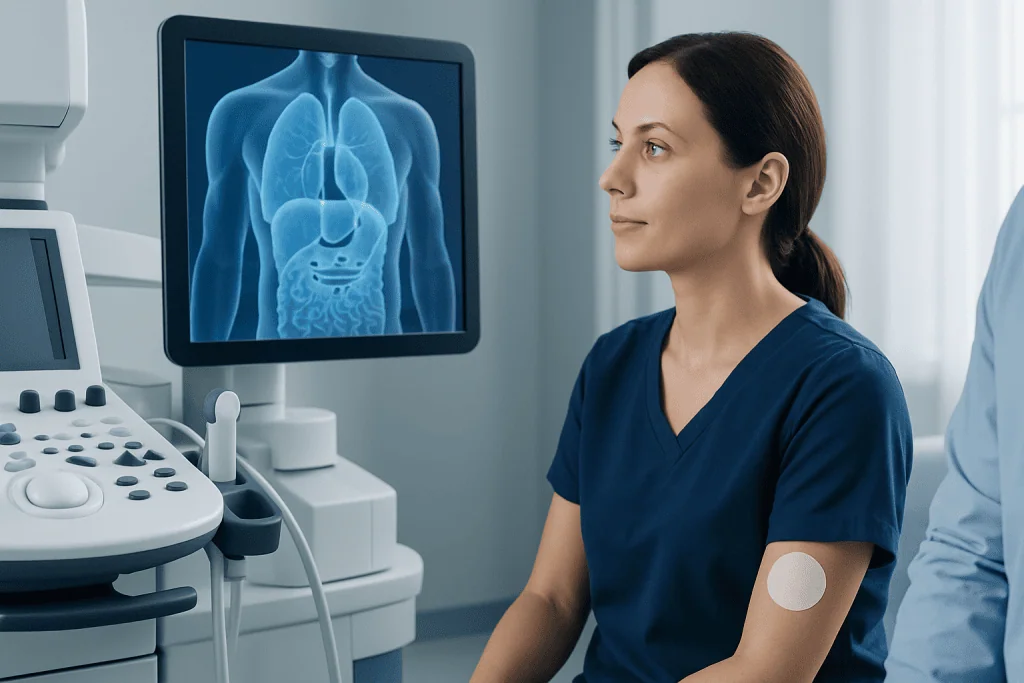
GLP-1 stands for glucagon-like peptide-1, a natural hormone released in the gut after eating. It helps regulate blood sugar by increasing insulin release when glucose is elevated, reducing glucagon secretion, and slowing stomach emptying. It also affects appetite centers in the brain, which can help some people feel full sooner and eat less.
Prescription GLP-1 receptor agonists are designed to mimic or enhance these effects. In appropriately selected patients, they may help with glycemic control and support weight loss as part of a structured medical plan. These are not cosmetic products; they are medications that require evaluation, monitoring, and follow-up because benefits and side effects vary from person to person.
People often hear about GLP-1 treatments in connection with obesity and diabetes. These conditions are medically significant and usually need a full assessment rather than a one-size-fits-all solution. Readers exploring options may also want to understand related conditions such as obesity or diabetes, because treatment decisions depend on overall health, medical history, and individual risk factors.
Why patches are different from proven GLP-1 treatment

The main question is not whether GLP-1 drugs can help some people, but whether a patch can deliver an effective amount safely and consistently through the skin. Human skin is designed to act as a barrier. Small, fat-soluble molecules may pass through more easily, but large peptide-based substances, including many hormone-like drugs, are much harder to deliver this way without advanced technology.
That is one reason approved GLP-1 medicines are generally injectable, and in some cases oral formulations use specially developed systems to improve absorption. If a patch product does not clearly state that it contains an approved active drug and provide evidence of transdermal delivery, there is little reason to assume it will reproduce the effects seen with prescription treatment.
Some products use language that can sound scientific while remaining vague. Terms such as “GLP-1 support,” “GLP-1 boosting,” or “natural GLP-1 patch” may suggest a mechanism without proving clinical benefit. Even if a patch contains ingredients that are safe in other forms, that does not confirm the skin can absorb them in a meaningful dose or that they produce weight loss in real-world use.
For patients considering evidence-based medical options, structured care may include nutrition guidance, exercise planning, behavioral support, and when appropriate weight-loss surgery or prescription therapy under supervision. The right pathway depends on the person’s health profile and treatment goals.
What is known about effectiveness and safety
At present, there is limited high-quality clinical evidence showing that commercially available GLP-1 patches lead to meaningful weight loss or blood sugar improvement. That does not automatically mean every patch is ineffective, but it does mean claims should be judged by published human studies rather than testimonials, influencer content, or before-and-after images.
Safety is also important. A patch can cause local skin reactions such as redness, itching, or irritation. More broadly, any product marketed for weight loss may create delays in proper diagnosis or treatment if a person relies on it instead of seeking medical care for obesity, insulin resistance, or diabetes. Product quality can also vary, especially when items are sold online as supplements rather than regulated medicines.
Patients should be cautious about products that promise rapid weight loss, dramatic appetite suppression, or results equal to prescription injections without medical supervision. These claims may oversimplify a complex area of medicine. Weight management usually works best when it is individualized and based on realistic goals, nutrition quality, physical activity, sleep, and treatment of related conditions.
Anyone with overweight or obesity who has health concerns may benefit from a clinical assessment. In some settings, doctors may discuss medical weight-management approaches or procedures such as gastric balloon placement for carefully selected individuals, depending on body weight, health conditions, and previous treatment attempts.
How to assess a GLP-1 patch claim critically
When reading about GLP-1 patches, it can help to ask a few practical questions. Is the product an approved medication or a supplement? Does the label name a specific active drug, or does it only mention herbs, amino acids, or vitamins? Are there published human clinical trials showing that the exact patch formulation delivers measurable benefits?
It is also useful to look for transparency. Reliable medical products usually provide clear information about ingredients, indications, contraindications, and possible side effects. Marketing that focuses mainly on buzzwords, celebrity endorsements, or promises of effortless weight loss should be approached with caution.
Patients should also consider whether the product fits their health needs. Weight gain can be influenced by many factors, including diet, inactivity, medications, sleep problems, hormonal conditions, and mental health. Someone with symptoms such as increased thirst, fatigue, or frequent urination should not assume a patch will address the cause; these can be signs that need medical evaluation.
- Check whether the product is a prescription medicine, device, or supplement.
- Look for human studies on the exact patch, not just on GLP-1 drugs in general.
- Be careful with claims that sound equivalent to prescription semaglutide or similar medicines.
- Ask a doctor or pharmacist before using weight-loss products, especially if taking other medicines.
Evidence-based alternatives for weight and metabolic health
For people seeking lasting weight management, the strongest evidence supports a comprehensive approach rather than a single product. This usually includes dietary changes that can be maintained long term, regular physical activity, attention to sleep, stress management, and treatment of underlying medical conditions. Even modest and steady progress can be clinically meaningful.
Medical care may include evaluation for prescription anti-obesity medicines or diabetes treatment when appropriate. These options are chosen after reviewing body mass index, waist circumference, blood sugar, blood pressure, liver health, medication history, and other factors. In some cases, further assessment may be needed for related issues such as metabolic syndrome.
For selected patients with severe obesity or obesity-related complications, procedures may also be discussed. Alongside lifestyle treatment, clinicians may consider options such as sleeve gastrectomy when medically appropriate. The goal is not simply short-term weight change, but improvement in health, function, and long-term risk reduction.
Near the end of the care pathway, patient support and follow-up remain important. Acibadem International’s multidisciplinary specialists in JCI-accredited hospitals evaluate weight and metabolic concerns for international patients and tailor diagnosis and treatment plans to individual needs.
When to seek medical care
A person should seek medical advice if they are considering any GLP-1-related product for weight loss or blood sugar control, especially if they have diabetes, prediabetes, obesity, high blood pressure, heart disease, kidney disease, or take regular medications. A clinician can help determine whether symptoms reflect a treatable medical condition and whether a product is likely to be safe or useful.
Prompt medical attention is especially important if there are symptoms such as marked thirst, frequent urination, unexplained weight loss, persistent vomiting, severe abdominal pain, fainting, chest pain, or signs of dehydration. These symptoms are not typical issues to self-manage with an over-the-counter patch and may need urgent evaluation.
It is also sensible to speak with a doctor if weight gain is rapid, if previous efforts have not worked, or if there is concern about side effects from a product already in use. A professional assessment can clarify the cause and identify better-supported treatment options.
Frequently asked questions
Do GLP-1 patches really work for weight loss?
Current evidence does not show that over-the-counter GLP-1 patches work like prescription GLP-1 medicines. Some products may use the term "GLP-1" in marketing without providing proof that an effective ingredient is absorbed through the skin or leads to meaningful weight loss.
Are GLP-1 patches the same as semaglutide injections?
No. Prescription semaglutide and other GLP-1 receptor agonists are regulated medicines with studied formulations, dosing, and monitoring. A patch sold online or as a supplement is not automatically equivalent, even if the marketing suggests similar effects.
Why is it hard to deliver GLP-1 through a patch?
The skin is a strong protective barrier, and many drug molecules do not pass through it easily. Peptide-based medicines such as many GLP-1 therapies usually require specialized delivery methods, which is one reason approved treatments are commonly injectable.
Are GLP-1 patches safe?
Safety depends on the exact ingredients, product quality, and the person's health conditions. Even when a patch seems simple, it may cause skin irritation or interact with medical care by delaying proper treatment, so it is best to review it with a doctor or pharmacist.
What should a person use instead of a GLP-1 patch?
The best alternative depends on the reason for treatment. For weight management or blood sugar concerns, a clinician may recommend lifestyle changes, testing, prescription medicine, or referral to a specialist rather than relying on an unproven patch.
Can a patch increase natural GLP-1 levels?
Some products claim to support the body's natural GLP-1 response, but these claims are not the same as proving a medical effect. Without strong human studies on the exact product, it is difficult to know whether the patch meaningfully changes appetite, weight, or glucose control.
References
- U.S. Food and Drug Administration
- National Institute of Diabetes and Digestive and Kidney Diseases
- American Diabetes Association
- National Institutes of Health
- World Health Organization
This article is for general information only and is not a substitute for professional medical advice. Please consult a qualified doctor about your individual situation.
Medical weight-loss options in Turkey — costs & eligibility
JCI-accredited · board-certified surgeons · reply within 24h
Add us as a Preferred Source to see more of our trusted health content across Google Search, AI Overviews and Discover.