Ovulating Explained: Causes, Management, and When to See a Doctor

Ovulation is the part of the menstrual cycle when an ovary releases an egg. It usually happens about midway through the cycle, but timing varies from person to person.
Key Takeaways
- Ovulation is the part of the menstrual cycle when an ovary releases an egg.
- It usually happens about midway through the cycle, but timing varies from person to person.
- Common signs can include changes in cervical mucus, mild pelvic discomfort, and a small rise in basal body temperature.
- Irregular periods, severe pain, or trouble becoming pregnant may suggest an underlying condition.
- Tracking cycles can help identify fertile days, but medical advice is important if ovulation seems absent or unpredictable.
Ovulating meaning is the release of a mature egg from an ovary, usually once during each menstrual cycle. Understanding ovulation can help explain common body changes, fertility timing, and when symptoms may need medical attention.
Overview: What Ovulating Means
Ovulating meaning is simple: it refers to the moment a mature egg is released from one of the ovaries. After release, the egg travels into the fallopian tube, where it may be fertilized by sperm. If pregnancy does not happen, hormone levels shift and the uterine lining is later shed as a menstrual period.
Ovulation is a normal part of the menstrual cycle for many people of reproductive age. It is driven by coordinated hormone changes involving the brain, ovaries, and uterus. Although many people think ovulation always happens on day 14, the actual timing can vary widely depending on cycle length, age, stress, health conditions, and other factors.
Understanding ovulation is useful not only for people trying to conceive, but also for those who want to better understand their monthly cycle, symptoms, or changes in bleeding patterns. Knowing what is typical can make it easier to notice when something may need medical evaluation.
How Ovulation Fits Into the Menstrual Cycle
The menstrual cycle begins on the first day of menstrual bleeding. In the first part of the cycle, hormones stimulate several ovarian follicles to grow, and usually one becomes dominant. This follicle contains the egg that will mature and eventually be released.
As estrogen levels rise, the body prepares for ovulation. A surge in luteinizing hormone then triggers the ovary to release the mature egg. After ovulation, the empty follicle becomes the corpus luteum, which produces progesterone to help prepare the uterine lining for a possible pregnancy.
If pregnancy does not occur, progesterone and estrogen levels fall. This leads to shedding of the uterine lining, causing menstruation. In many cycles, ovulation occurs about 12 to 16 days before the next period, which is why it can happen on different calendar days in different people.
Some cycles may be anovulatory, meaning no egg is released. This can happen occasionally, especially during adolescence, around perimenopause, during breastfeeding, or at times of major stress or illness. Frequent anovulatory cycles may need medical assessment, especially if periods are irregular or fertility is a concern.
Common Signs and Symptoms of Ovulation

Ovulation itself is often subtle. Many people do not feel it directly, while others notice predictable changes each month. These signs are caused by the natural hormone shifts that occur before and after the egg is released.
One of the most recognized signs is a change in cervical mucus. Around ovulation, it may become clearer, wetter, and more slippery, often compared with raw egg white. This type of mucus helps sperm move more easily through the cervix.
Some people notice mild one-sided lower abdominal discomfort, called mittelschmerz, around the time of ovulation. This pain is usually brief and mild, though it can vary. A small increase in basal body temperature may occur after ovulation, reflecting the effect of progesterone.
- Clear, stretchy cervical mucus
- Mild pelvic or lower abdominal pain
- Breast tenderness
- Bloating
- Temporary increase in sex drive
- Light spotting in some cases
These symptoms can suggest that ovulation is near or has just happened, but they are not a perfect way to confirm it. If a person wants a more reliable picture, cycle tracking, ovulation predictor kits, or a medical evaluation may be helpful.
What Affects Ovulation and Fertility Timing
Ovulation timing is influenced by hormones, overall health, and daily life factors. A cycle that is shorter or longer than average does not always mean there is a problem. However, major variability from month to month can make ovulation harder to predict.
Stress, travel, inadequate sleep, intense exercise, low body weight, obesity, and certain medications can all affect hormone signaling and delay or prevent ovulation. Thyroid disorders, high prolactin levels, and chronic medical conditions may also interfere with regular cycles.
Some gynecologic conditions are especially linked with ovulation problems. For example, polycystic ovary syndrome can cause irregular or absent ovulation, while endometriosis may be associated with pelvic pain and fertility challenges. Ovarian reserve also naturally changes with age, which can affect both egg quality and cycle patterns.
For people trying to conceive, the fertile window includes the days before ovulation and the day of ovulation itself. Because sperm can survive in the reproductive tract for several days, pregnancy is most likely when intercourse occurs in the few days leading up to egg release.
How Ovulation Is Tracked and Diagnosed
Tracking ovulation can be helpful for fertility planning, understanding irregular periods, or investigating symptoms. The simplest approach is menstrual calendar tracking. This can show whether cycles are generally regular, but it does not prove that ovulation has occurred.
Other at-home methods include monitoring cervical mucus, measuring basal body temperature, and using ovulation predictor kits that detect the luteinizing hormone surge in urine. These tools can be useful, but results may be harder to interpret in people with irregular cycles or hormone-related conditions.
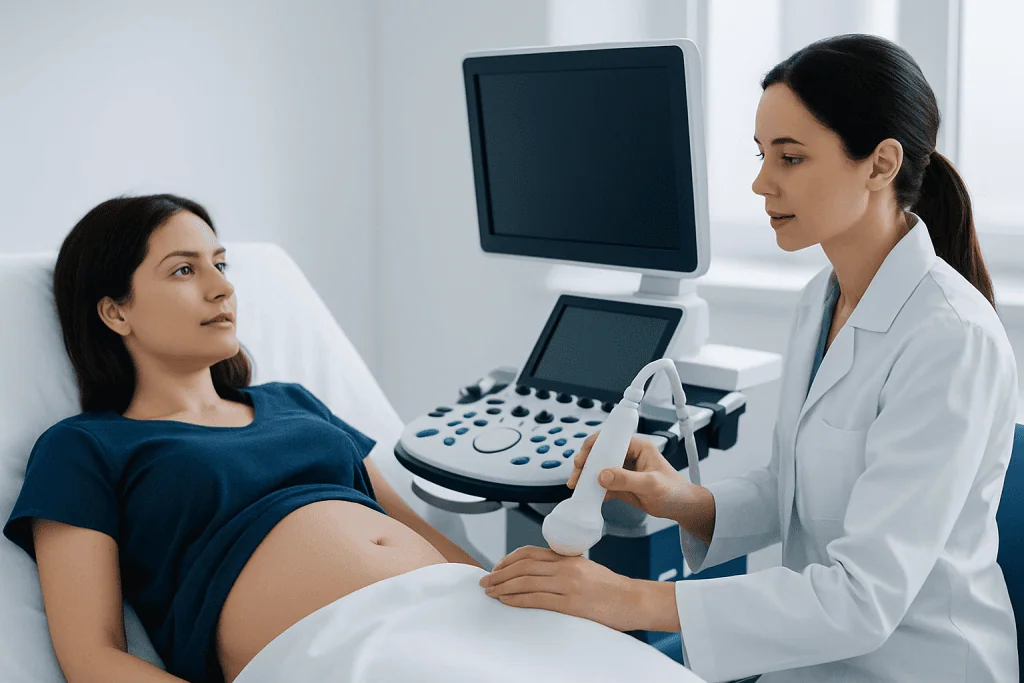
When ovulation problems are suspected, a doctor may review cycle history, symptoms, medications, weight changes, and general health. Blood tests may be used to assess reproductive hormones, thyroid function, or prolactin levels. In some cases, pelvic ultrasound helps evaluate the ovaries and uterine lining.
If pregnancy has not happened after a period of trying, doctors may recommend a broader fertility evaluation. This may include IVF and fertility assessment when appropriate, especially if ovulation disorders, tubal factors, male factors, or age-related issues are present.
Treatment Options When Ovulation Is Irregular or Absent
Treatment depends on the cause. If ovulation is irregular because of stress, significant weight changes, overtraining, or another reversible factor, addressing the underlying issue may help cycles normalize. For some people, improving sleep, nutrition, and stress management can support more regular hormonal patterns.
When an underlying medical condition is found, treatment focuses on that condition. For example, care may be directed at thyroid imbalance, elevated prolactin, or metabolic concerns linked with PCOS. If pelvic symptoms suggest structural disease, doctors may investigate further and recommend options tailored to the diagnosis.
For those trying to conceive, ovulation induction medicines may be considered under medical supervision. In selected cases, assisted reproductive techniques such as intrauterine insemination or in vitro fertilization may be part of treatment planning. The right approach depends on age, overall fertility evaluation, and personal goals.
If severe pain, ovarian cysts, or other gynecologic problems are suspected, treatment may involve imaging, medication, or sometimes procedures. In more complex cases, evaluation by specialists in gynecology, reproductive endocrinology, or fertility medicine can help clarify the best next step.
Prevention, Self-Care, and Cycle Awareness
Ovulation itself is not something that needs prevention, but healthy cycle awareness can support reproductive health. Keeping a simple record of period dates, flow changes, pain, cervical mucus, and other symptoms may help a person notice patterns and understand what is typical for their body.
General self-care can support menstrual and hormonal health. This includes balanced nutrition, regular moderate exercise, adequate sleep, and managing stress where possible. Sudden weight loss, extreme dieting, or very intense training can disrupt ovulation in some people.
People who are trying to conceive may benefit from identifying the fertile window using calendar tracking, mucus changes, or home ovulation tests. Those who are not trying to conceive should remember that pregnancy can occur around ovulation, even when cycles are not perfectly regular.
Near the end of care planning, some people may seek specialist advice if symptoms are persistent or fertility goals are time-sensitive. Acibadem International’s multidisciplinary specialists in JCI-accredited hospitals diagnose and treat ovulation-related and fertility conditions for international patients.
When to Seek Medical Care
A medical review is sensible if periods are very irregular, absent, unusually heavy, or consistently painful. Care is also important if ovulation symptoms become severe, especially sharp pelvic pain, fainting, fever, or pain that does not improve. These symptoms can have causes other than normal ovulation.
People trying to conceive may wish to speak with a doctor if pregnancy has not occurred after a reasonable period of regular unprotected intercourse, or sooner if cycles are highly irregular or there is a known reproductive health issue. Early evaluation can help identify treatable causes and support informed planning.
Medical advice is also recommended if there are signs of hormone imbalance, such as unwanted hair growth, acne, milky nipple discharge when not breastfeeding, or major unexplained weight changes. A doctor can determine whether testing is needed and discuss treatment options that fit a person’s health needs and reproductive goals.
Frequently asked questions
What does ovulating mean?
Ovulating means an ovary has released a mature egg during the menstrual cycle. This usually happens once per cycle and is the key event that makes pregnancy possible if sperm is present.
When do most people ovulate?
Many people ovulate about 12 to 16 days before their next period, not always on day 14. The exact day can vary based on cycle length and individual hormone patterns.
Can someone ovulate without noticing any symptoms?
Yes. Many people do not feel ovulation at all. Others may notice subtle signs such as clearer cervical mucus, mild pelvic discomfort, or a small temperature rise after ovulation.
Does regular menstruation always mean ovulation is happening?
Not always. A person can sometimes have bleeding that seems like a period even when no egg was released in that cycle. If there are concerns about fertility or irregular patterns, a doctor can help confirm whether ovulation is occurring.
How can ovulation be tracked at home?
Common home methods include tracking cycle dates, observing cervical mucus, checking basal body temperature, and using ovulation predictor kits. These methods can be helpful, but they are not perfect and may be less reliable in irregular cycles.
What can stop ovulation from happening regularly?
Stress, major weight changes, intense exercise, thyroid disorders, high prolactin, and conditions such as PCOS can all affect ovulation. Age and certain medications may also play a role.
When should someone talk to a doctor about ovulation?
A doctor should be consulted if periods are absent, very irregular, extremely painful, or if pregnancy is not happening as expected. Medical advice is also important for severe pelvic pain or symptoms that suggest a hormone imbalance.
References
- American College of Obstetricians and Gynecologists
- Office on Women's Health
- National Institute of Child Health and Human Development
- Mayo Clinic
- World Health Organization
This article is for general information only and is not a substitute for professional medical advice. Please consult a qualified doctor about your individual situation.
IVF & fertility treatment in Turkey — success rates and costs
JCI-accredited · board-certified surgeons · reply within 24h
Add us as a Preferred Source to see more of our trusted health content across Google Search, AI Overviews and Discover.
Check your numbers in seconds
BMI, calories, due date, blood pressure and 30+ more clinical calculators — free, instant, doctor-reviewed ranges.

More from the Health Library



Related Specialists

Prof. Dr. Gamze Uğurluer Sümer
Radiation Oncology
Dr. Yusuf Gençten
Urology
Prof. Dr. Hakan Ağır
Aesthetic Plastic & Reconstructive Surgery
Dr. Fatma Erbay Apaydın
Infectious Diseases & Clinical Microbiology